
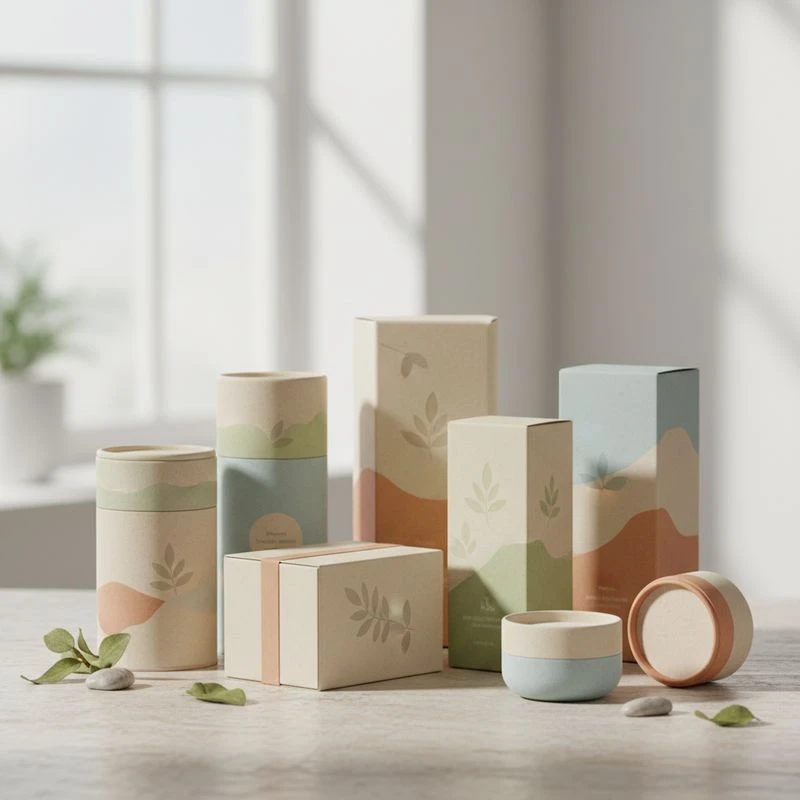
Elevating Your Brand with Sustainable Solutions in the Australian Market
In today’s dynamic consumer landscape, particularly within the health and wellness sector, the journey towards sustainability is no longer a niche pursuit but a mainstream expectation. For brands operating in the Australian market, where environmental consciousness is remarkably high, adopting biodegradable packaging is not just a trend; it’s a strategic imperative that deeply resonates with consumer values and fosters long-term brand loyalty. This shift towards eco-friendly solutions is driven by a growing understanding of environmental impact, coupled with a desire for products that align with a holistic approach to well-being, both personal and planetary. As consumers become more educated and discerning, they seek transparency and tangible efforts from the brands they support. The narrative of ‘healthy product, unhealthy packaging’ is rapidly losing its appeal. Therefore, embracing biodegradable packaging represents a powerful opportunity for health and wellness brands to reinforce their commitment to health, not just through their product formulations, but through every aspect of their offering, extending right to the material that encases it. This guide delves into how Australian health and wellness brands can navigate the complexities and seize the immense opportunities presented by biodegradable and compostable packaging solutions.
Eco Packaging
Adopting eco-friendly packaging is no longer optional; it’s a strategic imperative for Australian health and wellness brands seeking consumer trust and enduring market relevance. Australian consumers exhibit a profound level of environmental consciousness, often ranking among the highest globally in their concern for ecological issues. The health and wellness sector, by its very nature, is intrinsically linked to concepts of holistic well-being, purity, and natural living. Consequently, packaging choices that align with these core values are not merely an add-on but a natural, expected extension of the brand’s identity. The continued reliance on traditional, single-use plastics directly contradicts the health-promoting ethos of these brands, contributing to landfill and ocean pollution, which are pressing concerns for the environmentally-aware Australian public. Moving to biodegradable packaging allows brands to articulate a consistent message, demonstrating a commitment to environmental stewardship that mirrors their dedication to consumer health.
For brands looking to embark on this journey, the first actionable step is a comprehensive audit of current packaging to identify all plastic components and their environmental impact. Following this, thorough research into available alternatives is crucial. Materials such as PLA (Polylactic Acid), PHA (Polyhydroxyalkanoates), various forms of cellulose (like paperboard and moulded pulp), and innovative options like mushroom packaging offer diverse properties suitable for a range of health and wellness products. Engaging with reputable suppliers, ideally local or those with strong ethical and sustainable credentials, is paramount to sourcing high-quality biodegradable packaging. Finally, transparent communication with consumers about your packaging choices – what it is, why you chose it, and how to dispose of it – builds immense trust. For example, a supplement brand transitioning from conventional plastic tubs to certified compostable pouches for protein powders or a skincare brand opting for bamboo jars or glass bottles with biodegradable packaging inserts, clearly explaining the end-of-life cycle, showcases genuine commitment.
Despite the clear benefits, integrating eco-packaging can present challenges. One common pitfall is the initial higher cost compared to conventional plastics. The solution involves a phased approach, perhaps starting with one product line, and highlighting the added value to consumers who are often willing to pay a premium for sustainable options. Exploring bulk purchasing agreements with suppliers can also mitigate costs. Another concern is the perceived durability and shelf-life of some eco-materials. This can be addressed through rigorous testing and selecting materials specifically engineered for the product’s requirements, such as those with enhanced moisture barriers for powdered supplements. Lastly, avoiding the perception of “greenwashing” is critical. Brands must be honest about any limitations, focus on using certified materials (like those meeting Australian composting standards), and provide unambiguous disposal instructions. Authenticity is key in the Australian market, and genuine efforts, even if imperfect, resonate more strongly than overstated claims.
| Material Type | Examples/Composition | Key Benefits for Health Brands | Potential Considerations |
|---|---|---|---|
| PLA (Polylactic Acid) | Derived from corn starch, sugarcane | Transparent, good barrier properties, rigid | Requires industrial composting, can be heat sensitive |
| PHA (Polyhydroxyalkanoates) | Bacterial fermentation of organic matter | Marine biodegradable, versatile, good moisture barrier | Generally higher cost, less common supply |
| Cellulose/Wood Pulp | Paperboard, moulded pulp, cellulose film | Renewable, widely recyclable (some forms), compostable | Moisture sensitivity (uncoated), can be bulky for some products |
| Mushroom/Mycelium | Fungi grown on agricultural waste | Home compostable, excellent cushioning, unique aesthetic | Limited to specific forms, niche suppliers |
| Bagasse (Sugarcane pulp) | Byproduct of sugar production | Home compostable, sturdy, heat resistant | Can be porous, texture might vary |
This table serves as a quick reference guide for Australian health and wellness brands exploring biodegradable packaging options. By comparing key properties like source, benefits, and potential drawbacks, businesses can make more informed decisions aligned with their product’s specific needs and overarching sustainability goals, helping to select the best fit for their unique offerings.
Compostable
Embracing compostable packaging offers a powerful and profound way for Australian health and wellness brands to actively close the loop on waste, appealing to an increasingly eco-conscious consumer base that prioritizes genuine environmental solutions. Unlike general biodegradable packaging, which merely degrades over an unspecified period (sometimes into microplastics), compostable packaging is specifically designed to break down into nutrient-rich organic matter under specific conditions, returning valuable resources to the soil. This distinction is crucial, particularly in a market like Australia, where consumers are increasingly educated about the nuances of sustainable claims. For a brand whose identity is built on health and natural ingredients, having packaging that actively nourishes the earth rather than polluting it creates a powerful and authentic brand story. It aligns perfectly with the holistic well-being message central to the health and wellness sector.
To effectively implement compostable solutions, understanding Australian certification standards is paramount. Brands must differentiate between home compostable (certified to AS 5810) and industrially compostable (certified to AS 4736) options. This ensures that claims are accurate and packaging genuinely decomposes as intended. Beyond the material itself, the entire packaging system must be designed for compostability, including labels, inks, and adhesives, as even a small non-compostable component can contaminate a whole batch. Providing crystal-clear instructions to consumers on how to properly dispose of the packaging – whether it’s suitable for home composting, council green bins, or specific drop-off points – is a non-negotiable step. Without this guidance, even the most sustainable packaging can end up in landfill. Collaborating with local waste management facilities can also provide valuable insights into regional capabilities and potential partnerships for industrial composting, offering a robust end-of-life solution for your biodegradable packaging.
However, the journey to compostable packaging is not without its challenges. Consumer confusion between “biodegradable” and “compostable” is a significant hurdle. Many consumers mistakenly believe all biodegradable packaging can be home composted. The solution lies in proactive, clear, and consistent education – both on-package through prominent certification logos and simple instructions, and through digital channels like website FAQs and social media campaigns. Another major pitfall in Australia is the varied and sometimes limited industrial composting infrastructure; not all councils accept compostable packaging in their green bins. Brands can address this by prioritizing home compostable options where feasible, advocating for improved infrastructure, or exploring take-back schemes for their industrially compostable items. Finally, the risk of contamination is real: if compostable packaging is incorrectly mixed with non-compostable waste, it can compromise entire composting batches. This further underscores the importance of unequivocal disposal instructions and highly visible certification marks to guide both consumers and waste sorters, ensuring your biodegradable packaging truly fulfills its purpose.
| Standard | Description | Certification Mark | Disposal Requirement | Suitable For |
|---|---|---|---|---|
| AS 4736-2006 | Biodegradable plastics suitable for industrial composting facilities | Seedling Logo | Industrial Composting Facility | Most compostable packaging types, often requiring specific conditions |
| AS 5810-2010 | Biodegradable plastics suitable for home composting conditions | Home Compostable Logo | Home Compost Bin | Smaller items, domestic use, slower breakdown than industrial |
| ISO 17088 | General specifications for compostable plastics (International) | (Often linked to AS standards) | Industrial/Home Composting (depending on local conditions and product) | Broader international recognition, provides framework for national standards |
Understanding Australian compostable standards is crucial for health and wellness brands to avoid greenwashing and ensure their biodegradable packaging claims are credible. This table clarifies the different certifications, indicating where packaging should be disposed of to genuinely break down, thus helping brands educate consumers effectively and contribute to a circular economy.
Health Products
For health and wellness products, the integration of biodegradable packaging transcends mere environmental responsibility; it becomes an integral part of extending a brand’s commitment to holistic well-being from the product itself to its impact on the planet. Consumers who actively seek out health products – be they supplements, organic foods, natural skincare, or functional beverages – are typically highly discerning and acutely aware of their choices’ impact. They inherently draw connections between personal health and planetary health, viewing a brand’s environmental stewardship as a direct reflection of its integrity and commitment to a healthier future. By embracing sustainable packaging, a health-focused brand powerfully reinforces its authenticity and core values, cultivating deeper trust and fostering unparalleled loyalty within its target demographic. This congruence between product and packaging elevates the brand’s narrative, creating a more compelling and consistent message of care.
Implementing biodegradable packaging for health products requires careful consideration, with product integrity remaining the paramount concern. Brands must ensure that any chosen biodegradable packaging material effectively maintains the stability, efficacy, and shelf-life of sensitive health formulations. This includes providing adequate light protection for delicate ingredients, robust moisture barriers for powders, and airtight seals for freshness. Beyond functionality, the chosen materials should visually and tactilely communicate the brand’s unique ethos, whether it’s natural, clean, premium, or innovative. The type of biodegradable packaging will also vary significantly depending on the product form. For instance, powders and granules might best be housed in compostable pouches or glass jars with biodegradable packaging liners. Liquids and creams could utilize glass bottles, aluminum tubes, or cutting-edge bio-plastic bottles, while tablets and capsules might find suitable homes in compostable blister packs or innovative refill systems that feature biodegradable packaging options. Integrating and highlighting relevant product certifications, such as organic, cruelty-free, or sustainably sourced, alongside packaging certifications, creates a comprehensive picture of brand responsibility.
However, this transition comes with its own set of potential pitfalls. Regulatory compliance is a critical hurdle; packaging for health products must meet stringent food-grade or cosmetic safety standards, depending on the product category. The solution involves meticulously working with certified suppliers who can provide comprehensive material safety data and conducting all necessary third-party testing to ensure compliance. Another challenge is the occasional consumer perception that “eco” implies less sturdy or less premium. Brands can counteract this by investing in robustly designed biodegradable packaging, utilizing premium eco-materials that offer a tactile and visual appeal, and educating consumers about the durability and innovative nature of these sustainable alternatives. Finally, compatibility issues can arise, where certain active ingredients in health products might react with novel packaging materials, potentially compromising product efficacy or safety. This necessitates thorough material compatibility testing in controlled environments, especially for formulations containing volatile or reactive components, to safeguard both product quality and consumer trust.
B2B Design
Strategic B2B design of biodegradable packaging is absolutely essential for Australian health and wellness brands, ensuring not just consumer appeal but also efficiency, cost-effectiveness, and seamless integration into existing supply chains while robustly meeting sustainability objectives. While the aesthetic and environmental message of packaging to the end-consumer is vital, the practicalities of business-to-business operations cannot be overlooked. This includes everything from the moment materials enter your manufacturing facility to how products are stored, transported, and displayed in retail environments. Well-designed biodegradable packaging in a B2B context means optimising for bulk transport, maximizing pallet efficiency, ensuring ease of filling on production lines, enhancing shelf presence for retailers, and critically, minimizing waste throughout the entire supply chain, not just at the consumer’s doorstep. This holistic approach to packaging design recognizes that sustainability extends far beyond the final product, encompassing every touchpoint from raw material to retail.
For brands to achieve this, several actionable steps are crucial. Firstly, collaboration with biodegradable packaging suppliers is key to standardizing dimensions for pallets, cartons, and retail shelving. This optimization directly reduces shipping volume and costs, cutting down on the carbon footprint of logistics. Secondly, ensuring that chosen packaging materials and formats are compatible with existing filling and sealing machinery is paramount to avoid expensive retooling and minimize production downtime. Brands should conduct thorough pilot tests with new biodegradable packaging on their lines. Thirdly, prioritizing lightweight yet durable biodegradable packaging materials further optimises logistics, making products easier and cheaper to transport, which translates to both environmental and economic benefits. Exploring co-branding opportunities with retailers or distributors to jointly promote sustainable packaging initiatives can also strengthen relationships and amplify impact. Finally, demanding complete supply chain transparency from biodegradable packaging suppliers—including proof of ethical sourcing and manufacturing processes for all components—ensures that sustainability claims are robust and verifiable, resonating deeply with conscientious B2B partners.
Navigating the B2B landscape for biodegradable packaging does present specific challenges. One common pitfall is that not all biodegradable packaging suppliers offer solutions scaled for significant B2B operations. The solution often involves collaborating with specialised packaging consultants who possess extensive industry knowledge or partnering with larger, more established eco-packaging manufacturers capable of meeting high-volume demands. Another significant challenge is the integration of new, unfamiliar materials into existing production lines. This can be mitigated through phased implementation, starting with smaller pilot projects, and engaging packaging engineers early in the process to ensure a smooth transition. Furthermore, for brands with smaller production runs, the initial unit cost for biodegradable packaging might be higher due to minimum order quantities (MOQs). To address this, brands can explore planning for larger MOQs where feasible, or even investigate shared supplier relationships with other complementary brands to leverage economies of scale, making sustainable packaging more accessible and cost-effective across the board.
| Aspect | Key Considerations for Health & Wellness B2B | Actionable Steps for Implementation |
|---|---|---|
| Supply Chain Efficiency | Palletization, shipping weight, handling ease, storage requirements | Standardize dimensions, optimise material weight for transport, choose durable eco-materials for transit |
| Production Line Integration | Compatibility with existing filling, sealing, labelling machinery; line speed impact | Conduct pilot runs, consult with packaging engineers, choose adaptable formats that minimize retooling |
| Cost Management | Minimum Order Quantities (MOQs), material cost vs. traditional, long-term savings from efficiency | Forecast demand accurately, explore bulk purchasing discounts, highlight brand value of sustainability to justify investment |
| Regulatory Compliance | Food-grade, cosmetic safety, local waste regulations, export requirements | Partner with certified suppliers, verify material safety data, understand regional disposal rules and certifications |
| Brand Consistency | Visual appeal, protective qualities, brand messaging, retailer acceptance | Collaborate with design agencies, ensure packaging reinforces brand ethos, transparent communication with B2B partners |
This table highlights critical business-to-business factors when integrating biodegradable packaging into health and wellness supply chains. Addressing these considerations proactively ensures a smoother transition, minimizes operational disruptions, and maximizes the environmental and economic benefits of sustainable packaging, ultimately strengthening a brand’s position in the Australian market.
Sustainability
True sustainability for Australian health and wellness brands extends far beyond simply choosing biodegradable packaging; it encompasses a holistic, integrated approach to environmental, social, and economic responsibility throughout the entire product lifecycle. While biodegradable packaging is undeniably a critical and highly visible component, it represents just one piece of a much larger, intricate sustainability puzzle. Consumers, particularly within the health and wellness sector, are increasingly sophisticated and scrutinizing brands for their overall impact, from the source of their ingredients to their manufacturing processes and labor practices. A truly sustainable brand considers every facet: the ethical sourcing of raw materials, the energy consumed in manufacturing, the social impact on communities, fair labor practices, and comprehensive end-of-life solutions for both products and their packaging. This deeper, more encompassing commitment resonates powerfully, building genuine trust and cementing a brand’s reputation as a responsible leader in the Australian market.
To cultivate this comprehensive approach, several actionable steps can guide brands. Firstly, conducting a thorough Lifecycle Assessment (LCA) for your products and packaging is invaluable. An LCA helps identify environmental hotspots from the initial extraction of raw materials through manufacturing, transport, use, and ultimate disposal. This data-driven approach allows brands to prioritize areas for improvement. Secondly, adopt the mantra of “reduce first, then replace.” Before investing in new biodegradable packaging materials, explore opportunities to minimize packaging altogether – through concentrated formulas, innovative refill models, or multi-use containers. Thirdly, wholeheartedly embrace Circular Economy principles, designing packaging and products for reuse, refill, or closed-loop recycling and composting systems. Furthermore, investigate the transition to renewable energy sources for your manufacturing and supply chain operations, significantly reducing your carbon footprint. Prioritize social responsibility by ensuring ethical sourcing of all ingredients and fair labor practices across your entire value chain. Finally, foster a culture of education and empowerment, not just for your consumers, but also for your internal teams and external suppliers, about the profound importance and practicalities of sustainable practices.
However, the journey to holistic sustainability can seem daunting and fraught with potential pitfalls. The sheer overwhelming scope of sustainability can make it feel like an insurmountable undertaking. The solution is to start strategically: begin with smaller, high-impact areas, such as transitioning to biodegradable packaging, and build momentum gradually. Another challenge is the lack of internal expertise; many businesses may not have dedicated sustainability roles. This can be addressed by investing in specialised training for existing staff, hiring external consultants, or forming cross-functional sustainability committees to embed sustainable thinking across the organisation. Difficulty in accurately measuring and reporting environmental improvements can also be a hurdle. Overcome this by utilizing recognized metrics and robust reporting frameworks like the Global Reporting Initiative (GRI) or pursuing certifications such as B Corp, which provide external validation. Lastly, balancing economic viability with ambitious environmental goals often creates tension. The solution is to reframe sustainability as a long-term investment that can lead to significant cost savings through energy efficiency, waste reduction, and increased brand value, ultimately enhancing profitability and market resilience in the discerning Australian market.
