
Elevate Your Brand with Bespoke Metal Solutions in a Competitive Market
In the vibrant and competitive Australian beverage market, standing out is not just an aspiration but a necessity for premium brands. The discerning consumer is increasingly looking beyond the liquid itself, seeking an experience that starts even before the first sip. This is precisely where custom metal packaging emerges as a game-changer, offering a tactile, visual, and even auditory prelude to the quality within. For premium beverage brands targeting the Australian market, investing in bespoke metal solutions is a strategic move that communicates exclusivity, durability, and a commitment to excellence. It’s an opportunity to create a memorable brand touchpoint that resonates with consumers and strengthens your market position, moving beyond mere containment to become an integral part of your brand narrative. The ability to tailor every aspect of the packaging, from shape and finish to intricate detailing, provides an unparalleled canvas for brand expression, setting a clear demarcation between standard offerings and truly premium products.
Metal Packaging
The choice of packaging material is a fundamental decision that profoundly impacts how a premium beverage brand is perceived in the Australian market. For many, custom metal packaging is not just a superior option; it’s an essential element for conveying quality and distinction. Metal, particularly aluminum and steel, offers inherent advantages that align perfectly with the demands of premium products. Its robust nature provides exceptional protection against light, oxygen, and contaminants, preserving the integrity and freshness of the beverage inside. This durability is especially crucial for products that may undergo longer shipping routes or require an extended shelf life, ensuring that the premium experience remains untarnished until consumption. Beyond its functional benefits, metal exudes an undeniable sense of permanence and value, qualities that immediately elevate a brand in the eyes of the consumer. It feels substantial in hand, contributing to a perceived higher quality that plastic or glass often struggle to match, particularly when considering the dynamic and active lifestyle of many Australian consumers who appreciate both elegance and resilience.
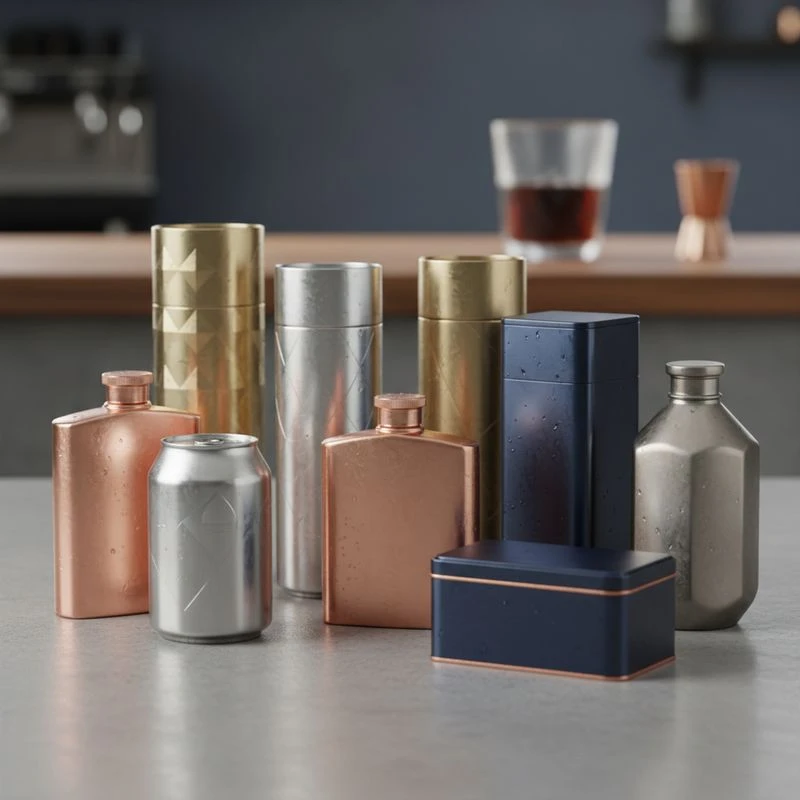
Furthermore, custom metal packaging provides an expansive playground for design innovation. Unlike other materials, metal can be shaped into unique forms, embossed, debossed, and adorned with a vast array of finishes and printing techniques that create a truly bespoke aesthetic. This versatility allows brands to move beyond conventional cylindrical cans, exploring ergonomic shapes or distinctive profiles that reinforce brand identity and make a statement on the shelf. The ability to apply high-resolution graphics, vibrant colours, and sophisticated metallic effects means that every design detail can be meticulously brought to life, creating a miniature work of art that captures attention. For instance, a craft beer brand might opt for a matte black finish with spot gloss accents to highlight its logo, while a premium spirits brand might choose a brushed aluminum effect with intricate laser etching. The tactile experience, from the cool touch of the metal to the subtle texture of an embossed pattern, adds another layer of sensory engagement, making the act of holding the product an intrinsic part of its premium appeal. Brands should consider collaborating closely with experienced packaging designers and manufacturers to fully leverage these capabilities, ensuring that their vision translates seamlessly into a tangible product that speaks volumes about their commitment to quality.
However, navigating the world of metal packaging requires careful consideration of various factors to avoid common pitfalls. One crucial aspect is understanding the material properties relative to the beverage type. While aluminum is lightweight and ideal for cans, steel might be more suitable for certain larger bottles or specialty containers due to its strength and formability. Another potential challenge lies in the initial investment and lead times for custom tooling, which can be higher compared to off-the-shelf options. Brands must plan accordingly, allowing sufficient time for design, prototyping, and production to meet their market launch objectives. A practical step is to conduct a thorough cost-benefit analysis, weighing the upfront expenditure against the long-term brand equity and market differentiation that custom metal packaging provides. Furthermore, engaging with a packaging partner who has extensive experience in the Australian market can help mitigate regulatory hurdles and ensure compliance with local standards for food and beverage contact materials. By focusing on these elements, premium beverage brands can harness the full power of custom metal packaging to create an unforgettable product experience and secure a distinctive presence in the competitive Australian landscape.
| Metal Packaging Material | Key Benefits for Premium Beverages | Ideal Application |
|---|---|---|
| Aluminum | Lightweight, excellent barrier properties, high recyclability, versatile for custom shapes and finishes. | Craft Beer, Premium Seltzers, Ready-to-Drink Cocktails, Energy Drinks |
| Steel (Tinplate) | High strength, robust protection, good for larger formats, cost-effective for certain applications. | Specialty Spirit Bottles, Gift Sets, Larger Beverage Containers |
This table outlines the primary types of metal used in custom metal packaging for beverages, highlighting their unique advantages and common applications. Understanding these differences is crucial for selecting the right material that aligns with your brand’s specific product and premium positioning.
Luxury Cans
The concept of a “luxury can” might once have seemed contradictory, but in today’s sophisticated premium beverage market, it represents a pinnacle of design and material innovation, especially for Australian brands seeking an elevated presence. A luxury can transcends its utilitarian function, transforming into an objet d’art that embodies the essence of the premium product it contains. This transformation begins with an unwavering attention to detail, from the choice of metallic substrate to the intricate printing techniques employed. Brands are moving away from standard, off-the-shelf cans, instead opting for bespoke sizes, unique profiles, and custom closures that differentiate their offering from the outset. Imagine a slimline aluminum can for a premium sparkling water, featuring a soft-touch matte finish that feels incredibly smooth in hand, paired with an elegant, easy-open tab in a contrasting metallic hue. These subtle yet impactful choices contribute significantly to the perceived value and exclusivity of the product, making the consumer feel they are holding something truly special. The Australian market, with its appreciation for both outdoor lifestyles and sophisticated tastes, is particularly receptive to luxury cans that marry convenience with undeniable elegance, offering a premium experience that can be enjoyed anywhere.
Achieving a luxury aesthetic in custom metal packaging involves leveraging advanced decoration technologies that push the boundaries of what’s possible with a can. High-definition printing allows for photorealistic graphics and intricate patterns, bringing complex designs to life with stunning clarity and vibrant colour. Beyond simple printing, brands can explore a plethora of tactile and visual finishes. Embossing and debossing add three-dimensional texture, creating a captivating interplay of light and shadow that draws the eye and invites touch. Special coatings, such as soft-touch varnishes, provide a velvety feel, while tactile inks can simulate various textures like wood grain or brushed metal. Metallic inks, iridescent finishes, and pearlescent effects add a shimmering, premium glow that catches the light and conveys opulence. Even the opening mechanism can be part of the luxury experience, with custom-designed tabs or closures that offer a satisfying click or a smooth, deliberate opening. For example, a premium gin and tonic in a can might feature a custom-designed tab that matches the brand’s logo, or a wine spritzer could use a full-opening end for a more sophisticated drinking experience. These elements collectively contribute to a multi-sensory brand engagement that reinforces the premium positioning and justifies a higher price point, speaking directly to consumers who seek an elevated consumption ritual, even in a convenient format.
However, developing luxury cans for the Australian market isn’t without its challenges, primarily related to cost and complexity. The bespoke tooling, advanced printing, and specialised finishes required for such premium packaging can significantly increase production expenses. Brands must carefully balance their design ambitions with their budget constraints, conducting thorough feasibility studies and seeking out packaging partners with proven expertise in luxury finishes. A potential pitfall is over-designing, where too many elements or finishes are combined, leading to a cluttered look that detracts from the luxury feel rather than enhancing it. Simplicity, elegance, and strategic use of premium elements are often more effective than an abundance of features. Practical advice includes starting with a clear vision for the brand’s luxury identity and then working backward to select the most impactful packaging elements. Seeking inspiration from high-end cosmetics or spirits packaging can provide valuable insights into how to convey exclusivity. Engaging in iterative prototyping and conducting consumer perception tests are crucial steps to ensure the final luxury can resonates with the target demographic in Australia, delivering on its promise of an exceptional premium beverage experience that marries convenience with unparalleled sophistication.
B2B Branding
In the premium beverage sector, custom metal packaging plays a pivotal role not only in direct consumer appeal but also in strengthening B2B branding and relationships within the Australian market. For distributors, retailers, and hospitality venues, the packaging of a product is a direct reflection of its quality and marketability. A brand that invests in distinctive, high-quality custom metal packaging signals a commitment to excellence that extends throughout its supply chain. When a retailer receives a shipment of beautifully designed premium beverages in bespoke cans, it immediately conveys a sense of professionalism and attention to detail. This makes the product more attractive for shelf placement, as it stands out visually and promises a better return on investment. The packaging acts as a silent salesperson, communicating the brand’s story and value proposition without requiring extensive explanation. It helps a brand differentiate itself from competitors, making it an easier choice for B2B partners who are constantly seeking unique and desirable products to offer their clientele, fostering trust and a positive perception of your brand as a reliable and high-value partner.
Furthermore, custom metal packaging facilitates effective merchandising and promotional activities, which are critical for B2B partners. The unique shapes, vibrant colours, and luxurious finishes of bespoke cans make them ideal for eye-catching displays, both in-store and at trade shows. Imagine a premium craft beer brand’s custom metal packaging arranged in a pyramid display at a major Australian liquor retailer; its distinctive design immediately draws attention and encourages consumer engagement. For hospitality venues, such as high-end bars or restaurants, custom-designed cans for ready-to-drink cocktails or premium mixers offer an elegant solution that aligns with their establishment’s upscale image. The durable nature of metal also means less risk of damage during transport and handling, which is a significant advantage for distributors. Brands can also leverage the packaging itself for B2B marketing, perhaps by including discreet QR codes that link to brand stories, sustainability initiatives, or trade-specific information, creating a digital bridge that enhances engagement beyond the physical product. This strategic approach ensures that B2B partners see your custom metal packaging not just as a container, but as a valuable asset that drives sales and enhances their own business offerings, ultimately leading to stronger, more profitable partnerships within the Australian beverage industry.
However, a key pitfall in B2B branding with custom metal packaging can be misaligning the packaging’s perceived value with its distribution strategy or target B2B partner. If the packaging is too elaborate or expensive for the intended distribution channels or the pricing structure of your B2B clients, it might lead to resistance or reduced profitability. Brands must conduct thorough market research to understand the expectations and operational realities of their Australian B2B partners. A practical step is to involve key distributors and retailers in the early stages of packaging design, gathering their feedback on aesthetics, functionality, and logistical considerations. This collaborative approach ensures that the custom metal packaging not only appeals to the end consumer but also serves the practical needs of your B2B network. Providing clear communication about the unique selling points of your packaging, such as its sustainability credentials or premium design elements, can help B2B partners effectively market the product to their customers. Brands should also consider creating B2B-specific marketing materials that highlight the benefits of their custom metal packaging, demonstrating how it can enhance their partners’ sales and brand image. By thoughtfully integrating B2B needs into the packaging strategy, premium beverage brands can ensure their custom metal packaging acts as a powerful enabler of strong, mutually beneficial relationships across the Australian beverage industry.
Reusability
In an era where environmental consciousness is paramount, particularly among Australian consumers, the reusability and recyclability of custom metal packaging offer a significant strategic advantage for premium beverage brands. Metal, especially aluminum, boasts an impressive and virtually infinite recycling loop without degradation of quality. This inherent sustainability makes custom metal packaging an incredibly attractive option for brands looking to align themselves with eco-friendly values. Beyond mere recyclability, the durability and aesthetic appeal of premium metal packaging lend themselves to reusability in novel ways, extending the product’s lifecycle beyond its initial contents. Consumers are increasingly seeking out brands that demonstrate genuine commitment to sustainability, and packaging that can be easily recycled or repurposed directly addresses this demand. For premium beverage brands in the Australian market, emphasizing the circularity of their metal packaging can significantly enhance brand perception, creating a powerful narrative that resonates with environmentally conscious consumers who are willing to pay a premium for responsible choices.
The potential for creative reuse of custom metal packaging extends far beyond its initial purpose, transforming a beverage container into a cherished item. A beautifully designed, robust metal can or bottle, after its contents have been enjoyed, can be repurposed as a stylish vase, a pen holder, a planter for small succulents, or even a decorative storage container. This transformation elevates the packaging from a disposable item to a keepsake, providing continued brand visibility and a positive association long after the beverage has been consumed. For premium brands, this offers a unique opportunity for engagement and storytelling. Imagine a limited-edition premium coffee liqueur in a uniquely shaped custom metal bottle that consumers are encouraged to reuse as a cocktail shaker or a stylish water bottle. Brands can even provide ideas or DIY instructions for repurposing their packaging on their websites or social media, fostering a community around sustainable practices and creative reuse. This approach not only minimizes waste but also amplifies the emotional connection consumers have with the brand, as the packaging continues to serve a purpose in their daily lives, becoming a functional piece of art rather than a mere discarded item. The Australian consumer, known for their appreciation of practical yet elegant solutions, is particularly receptive to these initiatives, seeing them as an extension of a brand’s thoughtful design and ethical commitment.
Despite the clear advantages, realizing the full reusability potential of custom metal packaging requires proactive strategies and clear communication to avoid common pitfalls. One challenge is ensuring consumers are aware of and participate in proper recycling or repurposing. Without clear instructions or compelling incentives, even the most recyclable packaging might end up in landfill. Brands must actively educate their Australian consumers about the ease of recycling metal and provide inspiring examples of creative reuse. A practical step is to incorporate clear recycling symbols and QR codes on the custom metal packaging itself, linking to detailed information on local recycling facilities or creative repurposing ideas. Another pitfall lies in the initial design; if the packaging isn’t aesthetically pleasing or durable enough for secondary use, consumers are less likely to repurpose it. Therefore, the design process for custom metal packaging should intentionally consider its post-consumption life, focusing on forms, finishes, and durability that lend themselves to continued use. Collaborating with local artists or designers to create limited-edition packaging that doubles as collectible art pieces can further incentivize reuse and elevate the brand’s cultural relevance. By thoughtfully integrating reusability into the core design and marketing strategy, premium beverage brands can effectively leverage their custom metal packaging to champion sustainability, deepen consumer loyalty, and solidify their position as responsible innovators in the Australian market.
| Sustainability Aspect of Custom Metal Packaging | Benefit for Premium Brands | Actionable Steps |
|---|---|---|
| High Recyclability (Aluminum & Steel) | Appeals to eco-conscious consumers, reduces environmental footprint. | Clearly mark packaging with recycling symbols; partner with recycling initiatives. |
| Potential for Repurposing | Extends brand visibility, creates emotional connection, reduces waste. | Design for aesthetics and durability; provide repurposing ideas on digital platforms. |
| Reduced Carbon Footprint | Supports green branding, enhances corporate social responsibility. | Source recycled content; optimise packaging weight for transport efficiency. |
This table illustrates the core sustainability aspects of custom metal packaging and how premium beverage brands can leverage them for market advantage. Implementing these actionable steps ensures brands effectively communicate their environmental commitment to the Australian consumer base.
Design
Design is arguably the most critical element in elevating custom metal packaging from a mere container to a powerful brand statement, particularly within the discerning Australian premium beverage market. It is the initial point of interaction, the silent ambassador that communicates a brand’s ethos, quality, and unique selling proposition before a single drop of liquid is tasted. Effective design transcends aesthetics; it encompasses form, function, and sensory experience, all meticulously crafted to resonate with the target consumer. For premium brands, investing in bespoke design for custom metal packaging is not an expense but an investment in brand equity and market differentiation. A thoughtfully designed can or bottle can evoke emotion, tell a story, and establish an immediate connection with consumers, making it an indispensable tool in a competitive landscape. The aim is to create something visually stunning, tactilely appealing, and functionally superior, ensuring that the packaging itself becomes an integral part of the premium product experience.
The design process for custom metal packaging should be approached holistically, considering every detail from the overall silhouette to the smallest textual element. Unique shapes, for instance, can instantly set a brand apart. Instead of a standard cylindrical can, consider ergonomic contours that fit comfortably in hand, or a bold, angular profile that commands attention. The choice of finish plays a pivotal role in conveying luxury; options range from matte or gloss varnishes to textured, sandblasted, or brushed effects that add a tactile dimension. Colour palettes should be carefully selected to align with brand identity and evoke desired emotions, often incorporating metallic elements or sophisticated gradients that catch the light. Typography must be legible and elegant, complementing the overall design while clearly communicating essential information. Furthermore, innovative printing techniques like spot UV, embossing, or debossing can add intricate details, creating a premium feel that beckons consumers to pick up and explore the product. Imagine a premium Australian native botanical infused beverage in a custom metal can featuring subtle embossed aboriginal art patterns, printed with a muted, earthy colour palette and a soft-touch finish; such a design tells a powerful story and fosters a deeper cultural connection with the product, standing out vividly in the market.
Navigating the complexities of custom metal packaging design requires foresight to avoid common pitfalls that can undermine its premium appeal. One significant challenge is ensuring design feasibility for mass production; an overly intricate design might be beautiful on paper but impractical or excessively costly to manufacture. Brands must engage early with experienced packaging manufacturers to understand material limitations, printing constraints, and tooling requirements. Another pitfall is design inconsistency, where the packaging design doesn’t accurately reflect the product inside or the broader brand identity, leading to consumer confusion or disappointment. A practical step is to develop a comprehensive brand style guide that dictates all visual elements and ensures cohesive messaging across all touchpoints. Conduct extensive prototyping and mock-up reviews to visualize the design in 3D and test its shelf appeal alongside competitor products in the Australian market. Furthermore, seeking feedback from target consumers during the design phase can provide invaluable insights, ensuring the final custom metal packaging resonates deeply with their preferences and expectations. By meticulously planning and executing the design process, premium beverage brands can create custom metal packaging that not only protects their product but also powerfully elevates their brand, capturing consumer imagination and securing a distinct advantage in a crowded market.
