
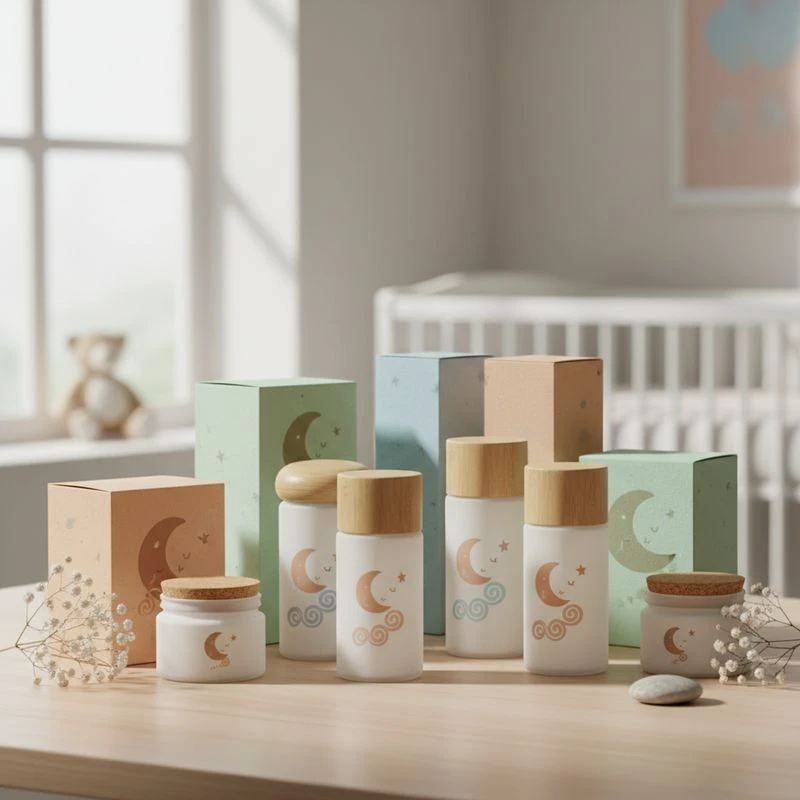
Navigating the Australian market for baby and infant care products requires more than just a quality product; it demands packaging that speaks volumes about safety, care, and brand integrity. In a sector where parental trust is paramount, custom packaging serves as the frontline ambassador for your brand, offering both protection and a powerful narrative. For businesses in Australia, understanding the nuances of design, material selection, and regulatory compliance is not just beneficial, but essential for carving out a successful niche and fostering long-term consumer loyalty.
Baby Packaging
In the highly sensitive and competitive Australian market for baby and infant care products, the importance of custom packaging cannot be overstated. It’s the very first point of contact parents have with your brand, and it plays a critical role in communicating value, safety, and the delicate nature of the product within. Generic or poorly designed packaging can unfortunately undermine even the highest quality product, suggesting a lack of attention to detail or, worse, a compromise on safety. By investing in tailored packaging solutions, Australian brands can immediately differentiate themselves from competitors, capturing attention on crowded retail shelves and establishing a memorable presence in the minds of discerning parents.
The reasoning behind this strategic approach is multifaceted. Firstly, custom packaging provides an unparalleled opportunity to reinforce your brand’s identity and values. A design that resonates with softness, purity, and gentleness—through specific colours, fonts, and imagery—can instantly convey your brand’s commitment to infant well-being. Secondly, custom packaging is designed with the product’s specific needs in mind, ensuring optimal protection from external contaminants, temperature fluctuations, and physical damage during transit and storage. This is particularly crucial for sensitive baby formulations like organic purees, delicate lotions, or sterile feeding accessories, where product integrity directly impacts infant health. Lastly, unique packaging can enhance the unboxing experience, turning a simple purchase into a delightful moment for parents, thereby fostering a stronger emotional connection with your brand. Think about the joy of opening a beautifully presented gift; custom packaging aims to replicate that sentiment, making your product feel special and thoughtfully made.
For Australian businesses looking to implement effective custom packaging, there are several actionable steps to consider. Begin by conducting thorough market research to understand your target demographic’s preferences and pain points regarding baby product packaging. Are they primarily concerned with sustainability, ease of use, or aesthetic appeal? This insight will inform your design choices. Next, engage with experienced packaging designers who specialise in the infant care sector. They can help translate your brand’s vision into a tangible design that meets both aesthetic and functional requirements. It’s also vital to consider the specific type of product you’re offering and its unique packaging needs. A squeezable pouch for baby food will require different considerations than a sturdy box for baby wipes or a pump bottle for infant lotion. Ensure that your packaging design allows for clear, legible display of all necessary information, including ingredients, usage instructions, and safety warnings, as mandated by Australian consumer laws. A common pitfall for new brands is underestimating the complexity of packaging design, opting for a quick, cheap solution that ultimately fails to protect the product or attract customers. Another trap is designing packaging that looks appealing but is not practical for parents to use, such as difficult-to-open seals or unstable containers. To avoid these issues, always prioritise user-friendliness and conduct practical testing with your target audience. Solutions involve thorough planning, iterative design processes, and partnering with reputable packaging manufacturers who understand the stringent requirements of the Australian market.
For instance, consider a brand launching a new line of organic baby food. Their custom packaging might feature vibrant, child-friendly illustrations of fruits and vegetables, using matte finishes to convey a natural, wholesome feel. The pouch itself would be designed for easy squeezing by parents and potentially self-feeding by toddlers, with a robust resealable cap to maintain freshness. On the other hand, a brand selling premium baby skincare might opt for minimalist designs with soft pastel colours, using pump bottles with child-resistant caps for lotions and creams, conveying sophistication and safety simultaneously. These practical examples highlight how custom packaging isn’t just about aesthetics; it’s a strategic tool for meeting consumer needs, ensuring product safety, and building a compelling brand narrative in the Australian market.
Safety Design
When it comes to custom packaging for baby and infant care products in the Australian market, safety design isn’t merely a feature; it is an absolute, non-negotiable imperative. Parents entrusting their children’s well-being to your products expect nothing less than the highest standards of safety, and regulators across Australia enforce strict guidelines to ensure these expectations are met. The core takeaway here is simple: every aspect of your packaging design must prioritise the infant’s safety, protecting them from potential harm associated with the product itself or the packaging components. This commitment to safety not only safeguards the most vulnerable consumers but also builds an unbreakable foundation of trust with parents, which is invaluable for any brand operating in this sensitive sector.
The reasoning behind such stringent focus on safety is deeply rooted in the potential risks posed by inadequately designed packaging. Infants are naturally curious and explore their environment through touch and taste, often putting objects into their mouths. Packaging that lacks child-resistant features, contains small detachable parts, or uses toxic inks and materials can become a severe hazard. Beyond the immediate physical dangers, poor safety design can lead to product contamination, compromise product efficacy, and ultimately result in product recalls—a catastrophic outcome for any brand, both financially and reputationally. Australian consumer law, particularly through the Australian Competition and Consumer Commission (ACCC), mandates that products sold in Australia meet specific safety standards, and this extends comprehensively to packaging. Ensuring compliance is not just good practice; it’s a legal obligation that protects both consumers and your business from significant liability.
Implementing a robust safety design strategy involves several actionable steps. Firstly, incorporate child-resistant features into your packaging wherever appropriate, especially for products that could be harmful if ingested or misused, such as medications, cleaning wipes, or certain topical creams. Examples include child-proof caps for bottles, blister packs for individual doses, or complex opening mechanisms that require more dexterity than an infant possesses. Secondly, rigorously select non-toxic materials for all packaging components. This means opting for BPA-free plastics, phthalate-free inks, and materials that do not leach harmful chemicals into the product or onto a child’s skin. Demand certifications from your material suppliers to verify their claims. Thirdly, ensure tamper-evident seals are integrated into the packaging. This provides parents with immediate visual assurance that the product has not been opened or contaminated before purchase, which is crucial for hygiene and trust. Fourthly, all packaging must feature clear, prominent, and easy-to-understand usage instructions, warning labels, and disposal information. The font size, contrast, and placement of this critical information must be optimised for readability. A significant pitfall is assuming that minimal compliance is sufficient, or that safety features will deter adults from purchasing due to inconvenience. This often leads to designs that are either not safe enough or not user-friendly enough. Another common mistake is failing to conduct proper safety testing on the final packaged product under simulated real-world conditions. Solutions involve partnering with packaging manufacturers who specialise in infant product safety and have a deep understanding of Australian regulatory requirements. Conduct multiple rounds of testing, including child-resistance testing and material safety analyses, with accredited laboratories. Remember that the primary keyword, “Custom Packaging for Baby and Infant Care Products,” must always align with a paramount focus on safety in the Australian context. By taking these proactive measures, brands can confidently offer products that meet and exceed parental expectations for safety, reinforcing their position as a trusted provider in the baby care market.
Consider a scenario where an Australian brand is launching a new range of baby formula. The packaging would need to incorporate a robust, airtight seal to prevent contamination, a child-resistant lid to deter accidental ingestion by toddlers, and clear, precise measurement instructions printed in a highly legible font. The materials used for the canister and lid would be certified food-grade and free from any known allergens or harmful substances. Furthermore, the label design would prominently feature Australian safety symbols and relevant certifications, giving parents immediate peace of mind. For a brand introducing a new teething gel, the packaging might involve a small tube with a specific child-proof cap, enclosed within a cardboard box that details dosage, ingredients, and potential allergic reactions in multiple languages if applicable, along with batch numbers and expiration dates for full traceability. These examples underscore how safety design is an integrated process, touching every layer of the packaging to protect the infant and reassure the parent.
B2B Manufacturing
For any brand looking to succeed in the Australian market with custom packaging for baby and infant care products, selecting the right B2B manufacturing partner is arguably one of the most critical decisions you will make. This partnership extends far beyond merely producing your packaging; it encompasses expertise in material sourcing, adherence to strict safety standards, innovative design execution, and ensuring a reliable supply chain. The overarching takeaway is that a strategic B2B manufacturing partnership is not just about cost-efficiency, but about securing consistent quality, ensuring regulatory compliance, and facilitating scalability for your brand’s growth within Australia and potentially beyond. Choosing wisely can mitigate risks, accelerate time to market, and ultimately elevate your brand’s reputation for excellence.
The reasoning behind this emphasis on a strong manufacturing alliance is multifaceted. Firstly, reputable manufacturers possess deep knowledge of packaging materials suitable for infant products, including food-grade plastics, sustainable paperboards, and non-toxic inks, which are essential for meeting Australian safety regulations. They can advise on the best materials that offer both protection and a gentle touch, aligning with your brand’s commitment to baby safety. Secondly, experienced B2B partners have established quality control protocols. These systems ensure that every batch of packaging meets the specified design, functional, and safety criteria, preventing costly errors, product recalls, and damage to your brand’s image. Thirdly, a strong manufacturing partner can offer scalability, allowing your production to grow seamlessly with your market demand, from initial small batches to large-scale distribution without compromising quality or lead times. Finally, they understand the logistical complexities of supplying the Australian market, including shipping, storage, and potential regulatory nuances for imported materials or finished goods. A crucial pitfall for many businesses is selecting a manufacturer based solely on the lowest price, often overlooking critical aspects like quality assurance, certifications, and communication transparency. This can lead to substandard packaging, delayed deliveries, and ultimately, a negative impact on your product’s market reception.
To navigate this crucial selection process effectively, there are several actionable steps to follow. Start by clearly defining your packaging specifications, including dimensions, materials, finishes, and specific safety features required for your baby and infant care products. Then, thoroughly vet potential manufacturers by evaluating their certifications (e.g., ISO, HACCP for food-grade packaging, BPA-free endorsements), their experience with infant product packaging, and their commitment to sustainability. Request samples of their previous work, paying close attention to print quality, material integrity, and functionality. It is highly recommended to perform site visits or conduct detailed virtual audits to assess their production facilities, quality control processes, and adherence to hygiene standards. Inquire about their minimum order quantities (MOQs), lead times, and their flexibility in handling changes or emergencies. Establish clear communication channels and agree on a robust quality assurance plan, including inspection points throughout the manufacturing process. Always ask for transparent pricing structures, breaking down costs associated with materials, tooling, printing, and logistics. A practical example would be a brand developing custom packaging for baby wipes; they would need a manufacturer capable of producing durable, resealable pouches with high-quality graphics, using materials that maintain moisture and are gentle on baby skin, all while meeting specific Australian health regulations. Solutions for avoiding pitfalls include demanding comprehensive contract agreements that detail quality standards, delivery schedules, intellectual property rights, and dispute resolution mechanisms. Furthermore, establishing a long-term relationship built on trust and open communication with your chosen manufacturer is paramount. Regular check-ins and performance reviews ensure that both parties remain aligned with your brand’s objectives and the evolving demands of the Australian baby care market. Remember, the right B2B manufacturer is an extension of your team, dedicated to bringing your vision for “Custom Packaging for Baby and Infant Care Products” to life with precision and care.
| Criteria | Ideal B2B Packaging Manufacturer | Potential Pitfalls to Avoid |
|---|---|---|
| **Certifications & Compliance** | ISO 9001, HACCP (if food-grade), GMP, BPA-free, local Australian regulatory knowledge. | Lack of relevant certifications, ignorance of specific Australian safety standards. |
| **Experience with Baby Products** | Demonstrated portfolio of successful baby/infant product packaging, understanding of child-safety features. | No prior experience, generic packaging solutions, overlooking critical safety design. |
| **Material Sourcing & Quality** | Access to sustainable, non-toxic, high-quality materials; material traceability. | Using cheap, uncertified materials; inconsistent material quality; lack of transparency. |
| **Quality Control Processes** | Rigorous QC at every stage (design, production, finishing), documented inspection protocols. | Insufficient QC, reliance on spot checks, high defect rate. |
| **Scalability & Flexibility** | Ability to handle varying MOQs, adjust production for growth, responsive to changes. | Inflexible production lines, inability to scale, long lead times for adjustments. |
| **Communication & Support** | Proactive, clear, and responsive communication; dedicated account manager. | Poor communication, slow responses, lack of accountability. |
This table outlines the essential criteria for evaluating a B2B packaging manufacturer for custom baby and infant care products in Australia. It helps brands identify key strengths to look for and common weaknesses to avoid, ensuring a partnership that supports high-quality, safe, and compliant packaging. A thorough assessment against these points can significantly de-risk the manufacturing process and foster a more successful product launch.
Soft Materials
The choice of materials for custom packaging for baby and infant care products is a critical decision that extends far beyond aesthetics and structural integrity; it directly impacts product safety, environmental sustainability, and the tactile experience for parents and, indirectly, for babies. In the Australian market, where discerning parents often prioritise natural, gentle, and eco-friendly options, the selection of soft materials becomes a powerful differentiator. The key takeaway is that opting for materials that are not only safe and non-toxic but also feel soft, are kind to the environment, and demonstrate a commitment to purity, can significantly enhance your brand’s appeal and foster deeper trust with your target audience. This is particularly vital in a sector focused on nurturing and protecting the most delicate consumers.
The reasoning behind this emphasis on soft and safe materials stems from several factors. Firstly, babies have incredibly delicate skin, and any contact with harsh or chemically laden packaging materials, even indirectly, can raise concerns for parents. Using materials free from BPA, phthalates, parabens, and other harmful substances is not just a preference but a health imperative. Secondly, the environmental consciousness of Australian consumers is growing, leading to a strong demand for sustainable packaging solutions. Brands that choose recyclable, biodegradable, or compostable materials gain a significant advantage, aligning with parental values for a healthier planet for their children. Thirdly, the tactile experience of packaging plays a subtle yet powerful role in perception. A soft-touch finish or a natural, textured paperboard can convey a sense of premium quality, gentleness, and care, reinforcing the brand message that the product inside is equally pure and nurturing. Conversely, packaging made from cheap, brittle, or chemically odorous materials can instantly create a negative impression, regardless of the product’s quality.
To ensure you’re making the best material choices for your custom packaging, several actionable steps are recommended. Begin by researching the latest advancements in sustainable packaging materials, such as post-consumer recycled (PCR) plastics, bamboo fibre, cornstarch-based bioplastics, or ethically sourced paperboards with vegetable-based inks. Always request material safety data sheets (MSDS) and relevant certifications (e.g., FSC for paper, BRC for food-grade plastics, certifications for BPA-free claims) from your suppliers to verify their non-toxicity and environmental claims. Consider the specific product you are packaging. For example, wet wipes require materials that maintain moisture and integrity, while lotions might benefit from soft-touch tubes or bottles that feel pleasant to hold. Engage with your packaging manufacturer to explore innovative material options that align with your brand’s ethos and functional requirements. A potential pitfall is making unsubstantiated “eco-friendly” claims without genuine material integrity, which can lead to accusations of greenwashing and damage your brand’s credibility. Another common mistake is choosing materials solely based on cost, compromising on safety or environmental impact. Solutions involve investing in thorough material research, transparent communication with suppliers, and being prepared to pay a premium for truly safe and sustainable options. Educating your consumers about your material choices and their benefits can also turn a potential cost into a significant marketing advantage. For example, clearly stating “BPA-Free, 100% Recycled Plastic” or “Compostable Plant-Based Packaging” on your “Custom Packaging for Baby and Infant Care Products” communicates a strong message of responsibility and care.
For instance, an Australian brand developing a range of organic baby detergents might opt for bottles made from recycled HDPE (High-Density Polyethylene) with a soft-touch finish, and labels printed with eco-friendly, water-based inks. This choice speaks to both sustainability and the gentle nature of the product. Similarly, a company offering reusable cloth nappies might choose packaging made from unbleached, recycled cardboard with minimal, soy-based ink printing, perhaps incorporating a small fabric swatch to highlight the softness of their product inside. These examples illustrate how material selection, when thoughtfully executed, becomes an integral part of the brand story, appealing directly to the values and concerns of modern Australian parents seeking the best for their children and the planet.
Branding
In the vibrant and often competitive Australian market for baby and infant care products, effective branding through custom packaging is not just about making your product look good; it’s about telling a compelling story, forging emotional connections, and establishing an undeniable presence. Your packaging is a dynamic billboard for your brand, working tirelessly to communicate your core values, differentiate you from competitors, and resonate deeply with parents who are making critical choices for their children. The essential takeaway here is that strategic branding through “Custom Packaging for Baby and Infant Care Products” creates an immediate and lasting impression, building trust, fostering loyalty, and ultimately driving purchase decisions in a highly emotional category.
The reasoning behind this strategic imperative is clear. The baby care aisle is often crowded with numerous options, and parents, particularly new parents, can feel overwhelmed. Distinctive and thoughtfully branded packaging acts as a beacon, guiding them towards your product. It conveys your brand’s promise—be it natural purity, scientific advancement, playful engagement, or gentle comfort—before the product is even opened. A consistent brand aesthetic across all your products builds recognition and familiarity, creating a cohesive brand experience that parents come to know and trust. Furthermore, strong branding can elevate the perceived value of your product, allowing you to position it effectively within the market, whether as an accessible everyday essential or a premium, indulgent choice. Packaging is also an opportunity to articulate your brand’s unique selling proposition (USP), such as organic ingredients, Australian-made quality, or a commitment to sustainability, all of which are highly valued by Australian consumers. Without clear and compelling branding, even the highest quality product risks getting lost in the noise, struggling to capture attention or justify its price point.
To harness the full power of branding through your custom packaging, there are several actionable steps to implement. Firstly, develop a clear and consistent brand aesthetic that reflects your brand’s personality and values. This includes your colour palette (often soft pastels, earthy tones, or bright, playful hues for baby products), typography (easy-to-read, friendly fonts), imagery (illustrations, photographs of happy babies, natural elements), and logo placement. Ensure these elements are consistently applied across all product lines and marketing materials. Secondly, use your packaging to communicate your brand’s story and key benefits clearly and concisely. This could involve a small narrative about your brand’s origin, a list of natural ingredients, or a symbol highlighting Australian manufacturing. Parents appreciate transparency and authenticity. Thirdly, consider unique packaging structures or finishes that enhance the brand experience. A soft-touch laminate, an embossed logo, or a distinctive shape can make your product stand out and feel more premium. Fourthly, conduct market testing with your target audience to gauge their reactions to different branding concepts. Do they understand your message? Does the packaging evoke the desired emotions? A common pitfall is inconsistency in branding, where different products within the same line have disparate looks, confusing consumers and diluting brand recognition. Another mistake is over-cluttering the packaging with too much information, making it difficult for parents to quickly grasp the core message. Solutions involve working with professional brand strategists and graphic designers who have experience in the baby care sector. They can help you craft a powerful visual identity and messaging that resonates with Australian parents. Regular brand audits ensure that your packaging remains fresh, relevant, and aligned with market trends and consumer expectations, ensuring your “Custom Packaging for Baby and Infant Care Products” continues to effectively tell your brand’s story.
| Branding Element | Impact on Custom Packaging for Baby Products | Actionable Strategy |
|---|---|---|
| **Colour Palette** | Evokes emotions (calm, purity, playfulness); distinguishes brand. | Choose soft, non-overwhelming colours. Research competitor palettes. |
| **Typography** | Communicates tone (friendly, trustworthy, expert); ensures readability. | Select clear, legible fonts. Use larger sizes for key info. |
| **Imagery & Graphics** | Creates visual appeal; conveys product benefits or brand story. | Use gentle illustrations, real baby images, or natural elements. Avoid complex designs. |
| **Brand Messaging** | Articulates values, USP, safety, and benefits directly to parents. | Keep it concise, benefit-oriented, and authentic. Highlight key certifications. |
| **Material & Finish** | Enhances tactile experience; reinforces brand’s quality/sustainability. | Consider soft-touch coatings, matte finishes, recycled materials. |
This table illustrates how specific branding elements directly influence the effectiveness of custom packaging for baby products. By strategically implementing these strategies, brands can create packaging that not only looks appealing but also communicates their unique value proposition and connects emotionally with parents in the Australian market. Each element plays a crucial role in building a comprehensive and compelling brand identity.
