
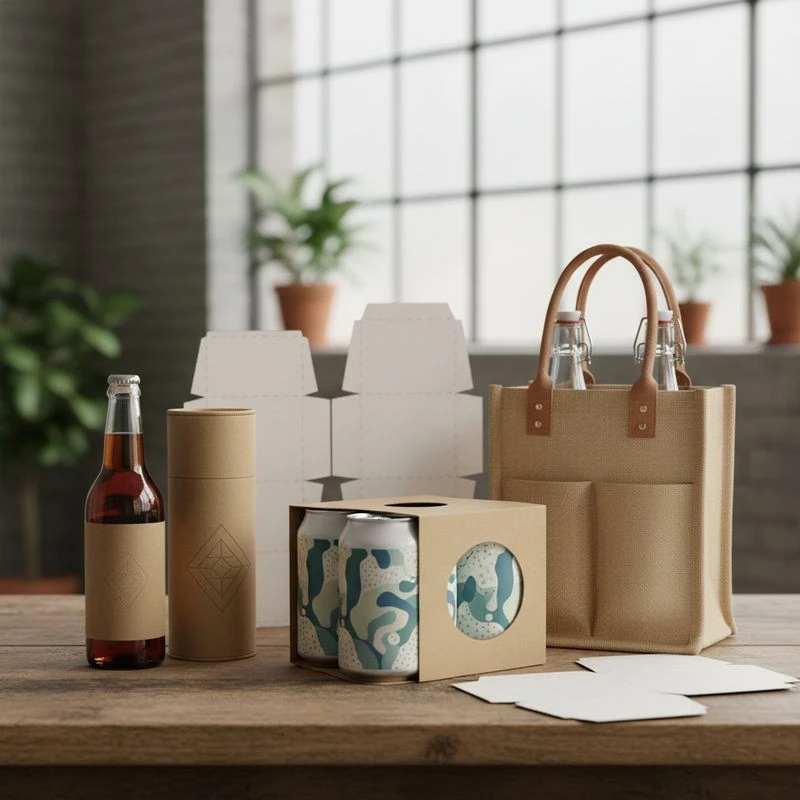
Crafting Unforgettable Experiences, One Drink at a Time
In the vibrant and ever-evolving Australian beverage market, standing out is not just an aspiration; it’s a necessity. Consumers are increasingly discerning, not only about what they drink but also about the entire experience surrounding it, starting with the packaging. This is precisely where custom packaging for beverage cans and bottles transcends mere containment, becoming a powerful tool for brand storytelling, differentiation, and ultimately, market dominance. Leading with an impactful and aesthetically pleasing design can capture attention on a crowded shelf, communicate your brand’s values instantly, and forge a deeper connection with your target audience. Neglecting the potential of bespoke packaging means missing a crucial opportunity to elevate your product beyond its competitors, leaving your brand blending into the background rather than sparkling in the spotlight. Understanding the nuances of design, material science, B2B manufacturing partnerships, and sustainability is paramount for any beverage brand aiming to make a significant mark down under.
Beverage Packaging
The Australian beverage landscape is a dynamic realm, marked by a sophisticated consumer base that values both quality and presentation. For any brand looking to thrive, generic packaging simply won’t cut it. Custom packaging for beverage cans and bottles offers an unparalleled opportunity to reflect your brand’s unique identity, enhancing perceived value and fostering consumer loyalty. Whether you’re bottling craft beer, artisanal spirits, refreshing seltzers, or premium non-alcoholic drinks, the right packaging solution acts as a silent salesperson, communicating your brand’s essence long before the first sip. This involves more than just slapping a label on a stock container; it’s about a holistic approach to material selection, structural design, and visual appeal that resonates with the Australian palate and aesthetic preferences.
When considering custom beverage packaging in Australia, brands must navigate a diverse array of material options, each with its own benefits and considerations. Aluminium cans offer exceptional recyclability, portability, and a modern appeal, making them popular for craft beers, pre-mixed drinks, and soft drinks. Glass bottles convey a sense of premium quality and tradition, often favoured for wines, spirits, and high-end non-alcoholic beverages, allowing consumers to appreciate the product’s colour and clarity. PET bottles provide lightweight durability and flexibility in design, commonly used for water, juices, and sports drinks. The choice of material should align not only with the product’s characteristics but also with the brand’s sustainability goals and the target market’s expectations. For instance, the growing preference for eco-friendly choices in Australia means that packaging materials with high recycled content or excellent recyclability ratings often enjoy a favourable reception.
Beyond the primary material, the structural design of the packaging itself plays a pivotal role. A uniquely shaped bottle or an innovative can closure can distinguish a product immediately. Consider ergonomic designs that enhance consumer handling, or shapes that lend themselves to unique shelf displays. Furthermore, secondary packaging, such as multi-pack carriers or gift boxes, also presents an avenue for customisation, extending the brand experience beyond the individual unit. These elements contribute to the overall premiumisation of the product, making it an attractive option for both everyday consumption and special occasions. Brands must also be mindful of compliance with Australian regulations, including labelling requirements for ingredients, nutritional information, and alcohol content, ensuring that custom designs integrate these mandatory elements seamlessly without compromising aesthetic appeal. Engaging with packaging experts who understand both creative design and regulatory compliance is a critical step in developing successful custom packaging for the Australian market.
Custom Labels
In the competitive Australian beverage aisle, custom labels are far more than mere information carriers; they are the face of your brand, a miniature billboard designed to captivate and inform. A well-designed custom label has the power to tell your brand’s story, evoke emotion, and drive purchasing decisions within seconds. For beverage cans and bottles, the label is often the first point of interaction consumers have with your product, making its design and material choices critically important. Australian consumers appreciate authenticity and quality, and a thoughtfully crafted label can communicate these values effectively, setting your brand apart from generic offerings and creating an immediate connection. This initial visual appeal is crucial for standing out in a market where shelf presence directly correlates with sales potential.
The array of custom label options available provides immense flexibility for beverage brands. Shrink sleeves, for instance, offer 360-degree branding opportunities, conforming perfectly to uniquely shaped cans or bottles and allowing for vibrant, high-impact graphics that cover the entire product surface. Pressure-sensitive labels (PSL) are versatile and widely used, offering various material choices such as clear film for a “no-label” look, textured papers for a tactile experience, or metallic finishes for a premium feel. Cut-and-stack labels remain a cost-effective option for brands with high-volume production, offering flexibility in paper stock and finishes. Each of these label types presents distinct advantages depending on the product, budget, and desired aesthetic. For products susceptible to moisture, such as refrigerated beverages, waterproof or moisture-resistant label materials are essential to maintain label integrity and appearance throughout the product’s lifecycle, a common consideration in Australia’s diverse climatic conditions.
Beyond the physical attributes, the design elements within custom labels for beverage cans and bottles are paramount. Typography, colour palette, imagery, and finishing techniques such as embossing, debossing, or spot UV varnish can dramatically influence consumer perception. A minimalist design might convey sophistication, while vibrant colours and bold graphics could appeal to a younger, more energetic demographic. Brands should also consider tactile finishes that invite consumers to touch the product, adding another layer to the sensory experience. Understanding your target audience and the message you want to convey is the cornerstone of effective label design. Pitfalls often include overcrowded designs, poor readability, or a mismatch between the label’s aesthetic and the product’s actual quality. Collaborating with experienced designers and label manufacturers who understand both creative execution and the technical requirements for application (e.g., ensuring labels adhere properly through filling and distribution processes) is crucial to translating your vision into a successful on-shelf reality.
| Label Type | Common Materials | Key Advantages | Best For | Considerations for Australian Market |
|---|---|---|---|---|
| Pressure Sensitive Labels (PSL) | Paper (coated/uncoated), Film (PP, PE, BOPP, clear), Metallic | Versatile, wide range of finishes (matte, gloss, textured), easy application, durable for various conditions. | Wine, Spirits, Craft Beer, Premium Non-Alcoholic, Water | Moisture resistance for chilled products, UV stability for outdoor display, local recycling guidelines. |
| Shrink Sleeves | PVC, PETG, OPS, PLA (Polylactic Acid) | 360° branding, high-impact graphics, conforms to unique shapes, tamper-evident options. | RTD (Ready-To-Drink), Seltzers, Juices, Sports Drinks, Craft Beer Cans | Heat-tunnel application expertise, de-labelling for recycling (PETG is often preferred for recyclability). |
| Cut-and-Stack Labels | Paper (wet-strength, coated/uncoated), Foils | Cost-effective for high volumes, classic look, good print quality, fast production. | Beer (traditional), Bottled Water, Some Juices | Requires adhesive application, less flexible for unique bottle shapes, moisture can affect adhesion if not wet-strength. |
This table illustrates the primary types of custom labels available for beverage packaging, highlighting their typical materials, advantages, and ideal applications. Crucially, it also points out specific considerations relevant to the Australian market, such as the need for moisture resistance for refrigerated products or awareness of de-labelling processes for effective recycling of shrink sleeves. Understanding these distinctions helps brands choose the most appropriate and effective labelling solution for their specific beverage product.
B2B Manufacturing
Navigating the B2B manufacturing landscape for custom packaging for beverage cans and bottles in Australia is a critical step in bringing your product vision to life. This process involves establishing strong, reliable partnerships with packaging manufacturers who can consistently deliver quality, meet specifications, and adhere to timelines. The relationship with your manufacturing partner is foundational, as their expertise and capabilities will directly impact the final product’s quality, cost-effectiveness, and market readiness. Choosing the right partner goes beyond just comparing quotes; it involves assessing their understanding of your brand’s unique needs, their capacity for innovation, and their commitment to sustainability practices, which are increasingly important for Australian consumers and regulations.
One of the initial considerations in B2B manufacturing is establishing clear specifications and expectations. This includes detailed design files, material preferences, print quality standards, and any specific functional requirements like tamper-evident seals or unique closures. Minimum Order Quantities (MOQs) are another significant factor; while custom packaging often implies higher MOQs compared to off-the-shelf solutions, many manufacturers are now offering more flexible options to accommodate smaller craft brands or product launches. Understanding these thresholds early in the discussion can prevent surprises and help in budgeting and production planning. Furthermore, a reliable manufacturing partner should have robust quality control processes in place at every stage, from material sourcing to final production, ensuring that every can or bottle meets your brand’s exacting standards. In Australia, a local partner might offer advantages in terms of communication, shorter lead times, and a deeper understanding of regional market dynamics and logistical challenges.
The manufacturing process itself, from prototyping and proofing to full-scale production and delivery, requires meticulous management. Brands should expect a collaborative approach, with opportunities to review and approve samples before mass production commences. This ensures that the final product perfectly matches the intended design and quality. Potential pitfalls in B2B manufacturing can include communication breakdowns, unexpected delays in the supply chain, or inconsistencies in product quality if proper oversight is lacking. To mitigate these risks, it’s advisable to conduct thorough due diligence when selecting a manufacturer, including checking references, visiting facilities if possible, and establishing clear communication channels and project management protocols. A transparent and proactive approach to problem-solving, coupled with a manufacturing partner who shares your vision for excellence, is key to successfully bringing your custom packaging for beverage cans and bottles to the Australian market.
| Factor | Description | Importance for Australian Brands |
|---|---|---|
| Production Capability & MOQs | Manufacturer’s capacity, technology, and minimum order requirements. | Matches brand’s volume needs (from start-up to large scale) and budget. Flexibility for trial runs. |
| Quality Control & Certifications | Rigorous inspection processes, adherence to industry standards (e.g., ISO, food safety). | Ensures product integrity, brand reputation, and compliance with Australian food & beverage regulations. |
| Material Sourcing & Sustainability | Access to specific materials (e.g., recycled content, unique finishes) and eco-friendly practices. | Addresses growing Australian consumer demand for sustainable packaging and compliance with local recycling schemes. |
| Lead Times & Logistics | Production schedules, shipping, and delivery efficiency. | Impacts market entry speed, inventory management, and ability to respond to market demands. Local presence can be advantageous. |
| Design & Technical Support | Ability to translate design concepts into production-ready files; offering technical guidance. | Ensures design integrity, optimal print quality, and feasibility of complex custom packaging for beverage cans and bottles. |
This table outlines the essential factors that Australian beverage brands should evaluate when selecting a B2B manufacturing partner for their custom packaging. Each factor is described with its specific relevance to the Australian market, emphasizing how robust capabilities in these areas contribute to a successful and compliant packaging solution. Prioritising these considerations will help brands secure a partner who can truly support their market ambitions.
Design
Design is the heartbeat of custom packaging for beverage cans and bottles, the silent language that communicates your brand’s personality, values, and proposition to the Australian consumer. An exceptional design goes beyond mere aesthetics; it’s a strategic tool that aims to capture attention, differentiate your product on crowded shelves, and foster an emotional connection. In Australia, where consumers are increasingly sophisticated and diverse, design must be culturally resonant while maintaining a global appeal. This involves understanding current trends, consumer preferences, and the psychology of colour and form, ensuring that every element from the logo to the typography and imagery works cohesively to tell a compelling story. A strong design can elevate a commodity product into a premium offering, justifying its price point and encouraging repeat purchases.
The design process for custom beverage packaging is iterative and multifaceted. It begins with a deep dive into your brand’s identity, target audience, and competitive landscape. What message do you want to convey? Is it rustic charm for a craft cider, bold energy for an energy drink, or elegant sophistication for a premium gin? These insights inform the initial concepts and mood boards. Practical examples of successful design in the Australian market often showcase a blend of local inspiration with contemporary global trends. For instance, minimalist designs with clear, crisp typography and subtle texture can appeal to a health-conscious segment, while vibrant, illustrative designs might resonate with a younger, adventurous demographic. Consider how the packaging will look not just in isolation but also within its retail environment, under various lighting conditions, and when grouped with competing products. The “shelf appeal” is paramount, influencing whether a consumer pauses to investigate your product further.
Actionable steps in the design phase include developing several distinct concepts, followed by prototyping and mock-ups. These tangible representations allow brands to evaluate how the design translates from screen to physical object, identifying any potential pitfalls such as illegibility, awkward handling, or colours that don’t print true to vision. Seeking feedback from focus groups or within your target demographic can provide invaluable insights for refinement. Avoid common mistakes like over-complication, trying to cram too much information onto a small surface, or neglecting the material properties – a design that looks great on glass might not translate well to an aluminium can, for example. The integration of structural design (the shape and form of the can or bottle) with graphic design is crucial, ensuring they complement each other to create a harmonious and impactful package. A well-executed design for custom packaging for beverage cans and bottles is an investment that pays dividends by creating memorable brand experiences and fostering loyalty in the Australian market.
Recyclable
The imperative for recyclable custom packaging for beverage cans and bottles has never been stronger in the Australian market. With heightened consumer awareness regarding environmental impact, stringent regulatory frameworks, and widely adopted initiatives like the Container Deposit Schemes (CDS), brands that prioritise sustainability in their packaging choices stand to gain significant market advantage and consumer trust. Recyclability is no longer a niche feature but a fundamental expectation, and integrating it into your custom packaging strategy is crucial for both environmental responsibility and commercial success. Australian consumers are increasingly scrutinising packaging for its end-of-life implications, making transparent communication about recyclability a vital component of your brand’s message. Ignoring this trend can lead to negative brand perception and missed opportunities in a market that values green credentials.
Incorporating recyclable materials into custom packaging designs involves making informed choices from the outset. Aluminium cans are inherently and infinitely recyclable, making them a highly sustainable choice for many beverage categories. Glass bottles, similarly, are largely recyclable, with clear glass being particularly valued for its ability to be recycled multiple times without significant loss of quality. PET plastic bottles, while sometimes viewed with apprehension, are also widely recyclable in Australia, particularly if they are clear and free from complex additives. The key is to design for recyclability, which means not only selecting recyclable materials but also considering how different components of the packaging (e.g., labels, closures, inks) interact with the recycling process. For example, using labels made from the same material as the bottle (e.g., a PET label on a PET bottle) or easily removable labels can significantly improve the package’s overall recyclability. Brands should also explore options for packaging made with recycled content (e.g., rPET or recycled aluminium) to further enhance their environmental credentials.
Communicating the recyclability of your custom packaging for beverage cans and bottles to Australian consumers is as important as the design itself. Clear and unambiguous labelling, such as the Australasian Recycling Label (ARL), provides consumers with easy-to-understand instructions on how to properly dispose of the packaging. This not only empowers consumers to make responsible choices but also demonstrates your brand’s commitment to sustainability. Educating consumers on specific aspects, such as whether to separate the cap or rinse the container, can greatly improve recycling rates. Potential pitfalls include making vague claims without proper certification or using non-recyclable components in an otherwise recyclable package, which can lead to consumer distrust. By integrating highly recyclable materials and transparent communication into your custom packaging strategy, brands can not only meet but exceed consumer expectations, contributing positively to Australia’s circular economy and securing a sustainable future for their products.
| Material Type | Typical Recyclability in Australia | Key Advantages for Recyclability | Considerations for Custom Packaging |
|---|---|---|---|
| Aluminium (Cans) | Highly recyclable, widely collected via kerbside and CDS. | Infinitely recyclable without quality loss, high scrap value, low energy for recycling. | Ensure inks/coatings don’t hinder recycling process. Compatible with custom packaging for beverage cans and bottles designs. |
| Glass (Bottles) | Highly recyclable, collected via kerbside and CDS. Colour separation sometimes required. | Infinitely recyclable without quality loss, preserves product purity, premium perception. | Avoid non-glass components that can contaminate (e.g., certain labels, closures). Choose compatible custom labels. |
| PET Plastic (Bottles) | Widely recyclable, collected via kerbside and CDS, often used for rPET production. | Lightweight, durable, versatile for design, good for closed-loop recycling (bottle-to-bottle). | Clear PET is preferred. Minimise mixed material components (e.g., non-PET labels, dark colours). |
| Carton (Aseptic & Liquid) | Increasingly recyclable, kerbside collection varies by council, some specialised collection points. | Good for sensitive products, lightweight, made from renewable resources. | Check local council recycling acceptance. Use ARL to guide consumers. Limited customisation beyond print. |
This table summarises the recyclability status of common custom packaging for beverage cans and bottles materials in Australia, outlining their environmental advantages and specific considerations for design. It underscores the importance of choosing materials that align with Australia’s recycling infrastructure and consumer expectations, ensuring that custom packaging contributes to a circular economy rather than ending up in landfill. This informed approach is vital for any brand aiming for sustainability in the Australian market.
