
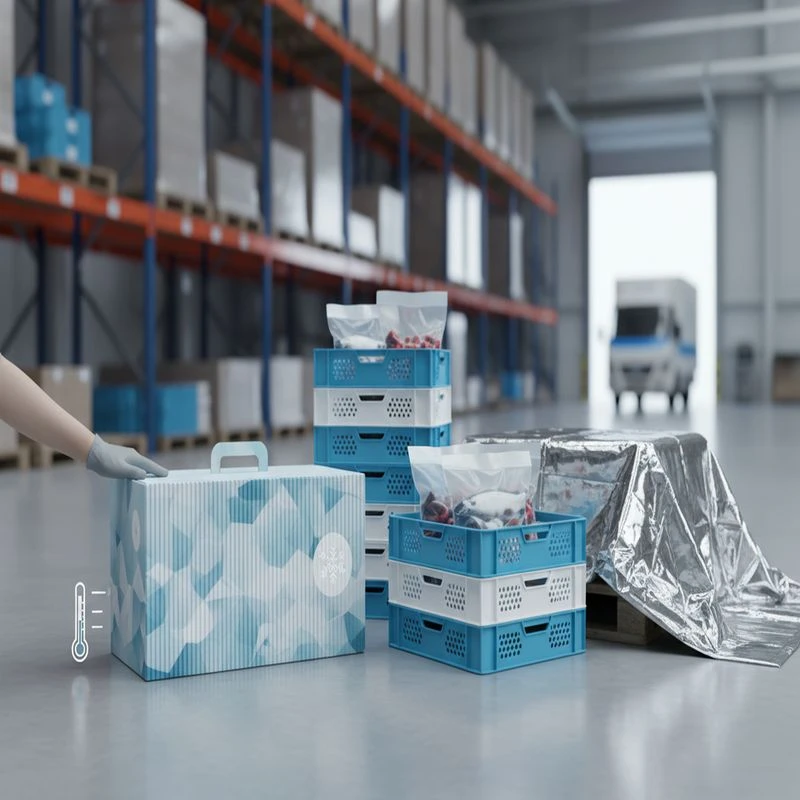
Navigating Cold Chain Logistics and Innovative Solutions Down Under
Frozen Packaging
The Australian frozen food market, with its unique geographical vastness and diverse climate zones, presents a formidable challenge and a significant opportunity for businesses. Success in this segment hinges not merely on the quality of the product itself, but critically on the integrity of its packaging. Generic, off-the-shelf packaging solutions simply won’t suffice when confronting the rigours of the Australian cold chain, which can range from scorching desert heat to humid coastal conditions. Custom packaging for frozen food is the cornerstone of preserving quality, extending shelf life, and ensuring food safety from production line to the consumer’s freezer. Without a meticulously designed package, products are highly susceptible to freezer burn, a common enemy that dehydrates food, alters texture, and diminishes taste, ultimately leading to product waste and reputational damage. Furthermore, the structural integrity of packaging materials must be maintained under extreme cold, preventing brittleness, cracking, and tearing that can compromise the food inside.
Beyond protection, custom frozen packaging serves as a powerful branding tool. In a competitive market, a visually appealing and informative package can differentiate a product on crowded supermarket shelves. Considerations for Australian brands include using high-quality graphics that withstand freezing temperatures without fading or peeling, clear labelling of ingredients, nutritional information, and compliance with local food safety regulations, such as those set by Food Standards Australia New Zealand (FSANZ). The choice of materials is paramount; multi-layered films, specific types of polyethylene (PE), polypropylene (PP), and laminates with excellent barrier properties are often employed to combat moisture migration and oxygen ingress. These materials are chosen not only for their protective qualities but also for their ability to be efficiently processed on packaging lines, ensuring cost-effectiveness and scalability for businesses. Businesses looking to enter or expand in the Australian frozen food market must invest in thorough material science research and collaborate closely with packaging experts who understand the specific challenges of the local climate and logistics.
For example, a boutique Australian frozen meal provider aiming to distribute their premium offerings across multiple states must consider packaging that can withstand prolonged transport, multiple handling points, and varying retail display conditions. This requires a packaging solution that offers robust sealing, high puncture resistance, and excellent insulation, all while being aesthetically pleasing and easy for the consumer to open and use. Actionable steps for businesses include conducting rigorous packaging material trials under simulated cold chain conditions, ensuring all proposed solutions meet or exceed FSANZ standards, and engaging with packaging designers who specialize in frozen applications. It’s not just about keeping food cold; it’s about maintaining its quality, safety, and market appeal in a demanding environment. This holistic approach to frozen packaging is essential for any brand striving for longevity and success in the dynamic Australian food sector, emphasizing that the package is an integral part of the product itself, especially when dealing with the unique challenges of the frozen category.
Insulated Design
Effective insulated design is the second critical pillar in the successful distribution of frozen food across the Australian continent. Given Australia’s vast distances and often extreme ambient temperatures, from the tropical north to the temperate south, maintaining a consistent deep-freeze environment (typically -18°C or below) within packaging is a complex science. Insulated packaging solutions are specifically engineered to slow down heat transfer from the warmer external environment into the colder internal product space. This is achieved through the careful selection of materials and structural design principles that minimize conduction, convection, and radiation. Common insulation materials deployed in custom frozen food packaging include expanded polystyrene (EPS), which is lightweight and cost-effective; expanded polypropylene (EPP), known for its durability and reusability; vacuum insulated panels (VIPs), offering superior thermal performance in a slim profile; and increasingly, sustainable options like recycled paper fibres or natural wool, which balance performance with environmental considerations.
The effectiveness of an insulated design is not solely dependent on the R-value of the material, which measures its thermal resistance. It also relies heavily on the overall package construction, including the sealing mechanisms and the presence of any air gaps. A poorly sealed insulated container can lose its thermal efficacy rapidly, leading to temperature excursions that compromise product safety and quality. When designing for the Australian market, businesses must factor in the anticipated transit duration, the specific temperature requirements of the product (e.g., ice cream vs. frozen vegetables), and the potential for multiple temperature shocks during loading, unloading, and distribution. A common pitfall is underestimating the heat load during transfers between refrigerated trucks and ambient loading docks, particularly in the summer months when ground temperatures can soar. Solutions often involve a multi-layered approach, combining primary packaging with secondary insulated containers, and sometimes tertiary overpacks to create a robust thermal barrier.
For instance, an Australian company shipping gourmet frozen desserts from Melbourne to a remote mining camp in Western Australia would require a highly efficient insulated design capable of maintaining sub-zero temperatures for several days. This might involve custom-moulded EPP containers fitted with gel packs or dry ice, all secured within a durable outer carton. The design process would incorporate rigorous testing, simulating real-world conditions, including temperature cycling and vibration, to validate the package’s performance. Businesses should engage with packaging engineers to assess the thermal profile of their entire cold chain, identifying weak points and designing specific solutions. This includes specifying the optimal thickness of insulation, considering reflective foils to combat radiant heat, and integrating phase change materials (PCMs) that absorb and release latent heat to stabilize temperatures. By meticulously crafting insulated designs for custom frozen food packaging, Australian businesses can significantly reduce the risk of spoilage, protect their brand reputation, and ensure their products arrive in perfect condition, regardless of the challenging logistical landscape. This proactive approach ensures consumer satisfaction and compliance with stringent food safety standards, which are non-negotiable in the Australian market.
| Insulation Material | Insulation Properties (R-value range per inch) | Cost Consideration | Environmental Impact | Best Use Cases for Custom Frozen Food Packaging |
|---|---|---|---|---|
| Expanded Polystyrene (EPS) | R-3.5 to R-4.0 | Low to Moderate | Recyclable in some areas, petroleum-based | Cost-effective, single-use, high-volume shipping for short-medium distances (e.g., frozen meals, bulk produce). |
| Expanded Polypropylene (EPP) | R-3.8 to R-4.5 | Moderate to High | Durable, reusable, recyclable | Reusable systems, returnable packaging, higher value frozen goods, pharmaceutical cold chain, long-distance transport. |
| Vacuum Insulated Panels (VIPs) | R-5 to R-30+ | High | Long lifespan, less material usage overall | Premium frozen products, extremely sensitive items, very long transit times, where space is critical (e.g., frozen seafood exports). |
| Natural Fibers (e.g., wool, hemp) | R-3.0 to R-4.0 | Moderate | Biodegradable, renewable resource | Eco-conscious brands, direct-to-consumer frozen meal kits, short-medium transit, often combined with barrier films. |
| Reflective Foils & Bubbles | R-1.0 to R-2.0 (primarily radiant barrier) | Low | Often mixed materials, can be difficult to recycle | Lining for existing boxes, enhancing performance of other insulation, short-term temperature maintenance. |
Table 1: Comparison of Insulation Materials for Custom Frozen Food Packaging in the Australian Market
This table illustrates the diverse range of insulation materials available for custom frozen food packaging, highlighting their thermal performance, cost, environmental footprint, and ideal applications. Businesses operating in Australia can leverage this comparison to make informed decisions, balancing factors like budget, required insulation duration, and sustainability goals when designing their cold chain solutions.
B2B Supply
Navigating the B2B supply landscape for custom frozen food packaging in Australia requires strategic foresight and robust partnerships. For food manufacturers, distributors, and retailers, securing a reliable and consistent supply of high-quality packaging materials is as crucial as the products they contain. The vastness of the Australian continent means that lead times, logistics, and supplier proximity can significantly impact operational efficiency and cost. Establishing strong relationships with packaging suppliers who possess a deep understanding of the frozen food sector and the unique challenges of the Australian cold chain is paramount. These partners should not only offer a wide array of customisation options but also demonstrate a proven track record of timely delivery, quality assurance, and adherence to Australian food safety and environmental regulations.
When selecting a B2B packaging supplier, businesses should look beyond just the unit cost. Consider the supplier’s capacity for innovation, their flexibility in accommodating fluctuating demand, and their commitment to sustainability. For instance, a growing frozen pizza manufacturer in Sydney might require a supplier capable of rapidly scaling up production for a new product launch, while also exploring options for more eco-friendly materials like recyclable mono-films or compostable tray inserts. Negotiating supply agreements should encompass clear specifications for custom frozen food packaging, detailed quality control protocols, and contingency plans for unforeseen disruptions, such as raw material shortages or shipping delays. Furthermore, a good B2B supplier will offer technical support, helping businesses optimise their packaging lines for efficiency and troubleshoot any issues that arise during the packaging process. This collaborative approach ensures that the custom packaging integrates seamlessly with the client’s manufacturing operations.
Practical steps for Australian businesses include conducting thorough supplier audits, requesting samples for rigorous testing under specific cold chain conditions, and seeking references from other frozen food companies. Engage in open communication about future growth plans and potential shifts in packaging requirements to ensure the supplier can evolve with your business needs. A key pitfall is relying on a single source without backup, which can expose a business to significant risks if supply is disrupted. To mitigate this, consider multi-sourcing or having pre-vetted alternative suppliers. For example, a major Australian supermarket chain launching a new range of private-label frozen meals would work with a custom packaging supplier to develop bespoke designs that meet brand guidelines, protect the product, and are compatible with high-speed automated packaging lines. This involves a complex dance of design, material selection, testing, and logistical coordination, ensuring that millions of units of custom frozen food packaging are available exactly when needed, without compromising quality or increasing costs unnecessarily. By fostering strong, transparent B2B relationships, Australian frozen food businesses can ensure a steady and innovative supply of custom packaging, which is vital for maintaining market competitiveness and consumer trust in a highly demanding environment.
Temperature Control
Effective temperature control within the cold chain is the lifeblood of the Australian frozen food industry, extending far beyond the initial custom packaging. It encompasses a meticulously managed system that guarantees products remain at their specified sub-zero temperatures from the moment they are frozen until they reach the end consumer. Given Australia’s vast geographical spread and often harsh climatic conditions, ensuring this continuous temperature integrity, or ‘cold chain continuity’, is a monumental task. Critical points in the cold chain include production, blast freezing, cold storage, refrigerated transport (road, rail, sea, and air), and retail display freezers. Any significant deviation from the required temperature range at any of these stages can lead to product degradation, safety risks, and substantial financial losses.
To master temperature control, Australian businesses must implement robust monitoring technologies and protocols. This includes the use of data loggers, smart labels, and real-time GPS-enabled temperature sensors that provide continuous feedback on product conditions during transit and storage. For example, a frozen seafood exporter shipping delicate products from Queensland to Europe must track temperatures meticulously to comply with international regulations and maintain product quality. The extreme temperatures in regional Australia, where ambient temperatures can exceed 40°C, demand that refrigerated transport vehicles are not only well-maintained but also equipped with advanced cooling systems and insulation to counteract external heat ingress during long hauls. Regulatory bodies, such as Food Standards Australia New Zealand (FSANZ), impose strict guidelines for temperature maintenance, making compliance a non-negotiable aspect of operations. Non-compliance can lead to product recalls, fines, and severe damage to a brand’s reputation.
Implementing effective temperature control involves several actionable steps. Firstly, conduct a comprehensive thermal mapping of your entire cold chain, identifying potential weak points where temperature excursions are likely. Secondly, invest in high-quality refrigeration equipment and ensure regular maintenance and calibration. Thirdly, train all personnel involved in the handling and transport of frozen goods on best practices for maintaining cold chain integrity, including rapid loading/unloading procedures and proper use of temperature monitoring devices. A common pitfall is the ‘door open’ effect during loading and unloading, which can rapidly increase the temperature within a refrigerated space. Solutions include using insulated dock seals, strip curtains, and minimizing door opening times. Furthermore, the strategic use of custom packaging for frozen food, especially those with advanced insulated designs or integrated phase change materials, can act as an additional buffer against minor temperature fluctuations during transfers. By proactively managing temperature control at every stage, Australian frozen food businesses can significantly reduce spoilage, ensure product safety, and build enduring consumer trust, ultimately driving success in a challenging market. This commitment to precision temperature management is not just a regulatory necessity but a key competitive differentiator.
| Food Category | Recommended Storage Temperature (Australia) | Australian Regulatory Standard (FSANZ) | Potential Risks if Deviated for Custom Packaging for Frozen Food |
|---|---|---|---|
| Frozen Meats (Beef, Lamb, Poultry) | -18°C or colder | Standard 2.2.1 – Meat and meat products | Bacterial growth (e.g., Salmonella, Listeria) if thawed, freezer burn, loss of texture and flavour, reduced shelf life, drip loss. |
| Frozen Seafood (Fish, Prawns) | -18°C or colder | Standard 2.2.3 – Fish and fish products | Formation of ice crystals, quality degradation, off-flavours, histamine formation in some fish, bacterial spoilage. |
| Frozen Vegetables & Fruits | -18°C or colder | Standard 2.2.1 – Meat (general food safety principles apply to other foods) | Loss of texture, colour, and nutritional value, increased enzyme activity, clumping due, freezer burn, microbial growth. |
| Frozen Dairy & Desserts (Ice Cream) | -18°C to -25°C | Standard 2.1.1 – Cereals (general food safety principles) | Ice crystal formation, ‘sandy’ texture, melting and re-freezing issues affecting consistency, bacterial growth. |
| Prepared Frozen Meals | -18°C or colder | Standard 1.6.1 – Microbiological limits for foods | Bacterial pathogens, textural changes, loss of flavour, safety risks if ingredients thaw and are not re-heated properly. |
Table 2: Cold Chain Temperature Requirements for Common Frozen Foods in Australia
This table outlines critical temperature requirements for various frozen food categories in Australia, referencing relevant FSANZ standards and detailing the risks associated with temperature deviations. Understanding these specific needs is vital for businesses in designing effective custom packaging for frozen food that maintains product integrity and ensures consumer safety throughout the cold chain journey.
Durability
Durability in custom frozen food packaging is not merely a desirable trait; it is an absolute necessity, especially when navigating the challenging logistics of the Australian cold chain. Frozen products, by their very nature, are more susceptible to damage than their ambient counterparts. The extreme cold can render many packaging materials brittle, making them prone to cracking, tearing, and puncture when subjected to the impacts, vibrations, and compression forces inherent in handling, stacking, and transportation. A lack of durability leads directly to product damage, spoilage, reduced shelf life, and ultimately, significant financial losses through waste and returns. Moreover, damaged packaging compromises the crucial thermal barrier, potentially leading to temperature excursions that further endanger the product’s safety and quality, unraveling the entire cold chain effort.
Designing for durability requires a deep understanding of material science and the specific stresses a package will endure. For example, multilayered films for frozen vegetable bags must not only provide an oxygen and moisture barrier but also possess high tear and puncture resistance at sub-zero temperatures. Cartons used for bulk frozen goods need to maintain stacking strength under humidity and cold without collapsing or deforming, which could crush the contents. Manufacturers might employ thicker gauge materials, specific polymer blends known for their cold-weather resilience, or reinforced structural designs to enhance resistance against impacts. The Australian transport environment, characterized by long distances, varied road conditions, and often multiple transhipment points, places exceptional demands on packaging. A truck journey from a frozen food factory in Victoria to a remote supermarket in Western Australia can expose packaging to sustained vibrations, sudden shocks, and prolonged handling, all while maintaining its structural and thermal integrity.
To ensure adequate durability, businesses should implement a rigorous testing regimen. This includes drop tests to simulate accidental falls during handling, compression tests to assess stacking strength in cold storage and transport, vibration tests to mimic road or rail transport conditions, and puncture resistance tests to guard against tears from sharp objects or other packages. Water Vapor Transmission Rate (WVTR) testing is also crucial to ensure the packaging can effectively prevent freezer burn over extended periods. These tests, often conducted in climate-controlled chambers, provide invaluable data on a package’s performance under simulated real-world stresses. A common pitfall is under-specifying durability to cut costs, which invariably leads to higher overall expenses due to product loss. For instance, a frozen meat processor must ensure that their custom frozen food packaging can withstand the rigours of palletisation, forklift handling, and distribution to diverse retail outlets without compromising the seal or the product’s protective barrier. This means selecting materials that remain flexible and resilient in extreme cold, and designing seals that are robust enough to prevent any ingress of air or moisture. By prioritising and investing in durable packaging solutions, Australian businesses can protect their product, preserve their brand’s reputation, and ultimately ensure consumer satisfaction, even under the most demanding cold chain conditions.
| Test Type | Purpose for Custom Frozen Food Packaging | Relevant Standard (e.g., ASTM, ISO) | Why it Matters for Frozen Packaging in Australia |
|---|---|---|---|
| Drop Test | Evaluates packaging’s ability to withstand impacts from accidental drops during handling. | ASTM D5276, ISO 2248 | Frozen products are brittle; cold packaging is weaker. Essential for protecting contents during loading, unloading, and distribution across varied Australian logistics. |
| Compression Test | Measures packaging’s resistance to external compressive forces, simulating stacking in warehouses and transport. | ASTM D642, ISO 12048 | Prevents crushing of custom frozen food packaging and its contents during high-stack storage and long-haul transport across Australia’s vast distances. |
| Vibration Test | Assesses packaging’s resilience against vibrations encountered during transport via truck, rail, or sea. | ASTM D4169, ISO 2247 | Minimizes abrasion, loosening of seals, and fatigue damage to custom frozen food packaging and product caused by extended transit over diverse terrains. |
| Puncture Resistance Test | Determines the force required to puncture the packaging material. | ASTM F1306, ISO 21808 | Crucial for flexible films to prevent tears from sharp edges or other packages, maintaining product integrity and preventing freezer burn for custom frozen food packaging. |
| Water Vapor Transmission Rate (WVTR) Test | Measures the rate at which water vapor passes through the packaging material over time. | ASTM F1249, ISO 15106-2 | Essential for preventing freezer burn (dehydration) of frozen foods and maintaining product quality and shelf life in the Australian cold chain. |
Table 3: Key Durability Tests for Custom Frozen Food Packaging Performance
This table outlines essential durability tests that are critical for evaluating the performance of custom frozen food packaging, particularly within the demanding Australian cold chain. Each test addresses a specific stressor, ensuring that packaging can withstand physical challenges and maintain its protective and thermal properties, ultimately safeguarding product quality and preventing spoilage from farm to Australian tables.
