
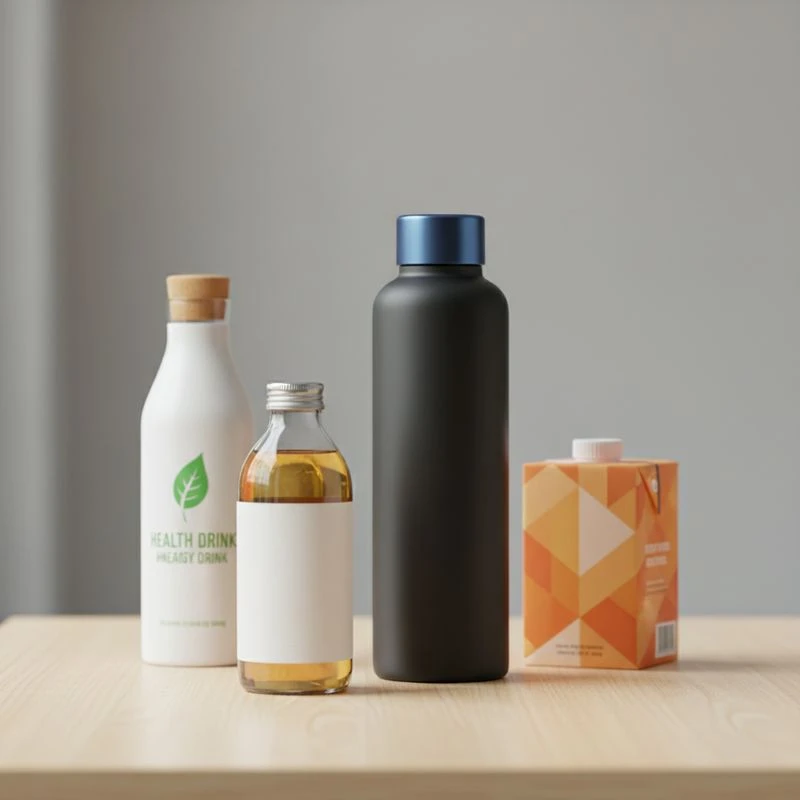
Elevate Your Brand’s Presence and Appeal Down Under
In Australia’s dynamic health and energy drink market, standing out is not just an advantage—it’s a necessity. Consumers are increasingly discerning, not only about what they consume but also about the brand experience from start to finish. This makes custom packaging an indispensable tool for brands aiming to capture attention, communicate values, and foster loyalty. It’s more than just a container; it’s a silent salesperson, a brand ambassador, and a crucial differentiator in a crowded marketplace. By strategically investing in bespoke packaging solutions, health and energy drink brands can significantly enhance their market position, connect more deeply with their target audience, and build a lasting presence that resonates with Australian consumers’ evolving preferences for quality, sustainability, and authenticity.
Optimising Drink Packaging for Australian Brands
The Australian health and energy drink market is a vibrant and competitive landscape, where consumer preferences are continually evolving, placing a strong emphasis on health, wellness, and environmental responsibility. For brands to truly thrive here, strategic drink packaging is not merely an option but a critical component for differentiation and market success. The primary takeaway for any brand looking to make an impact is that packaging must clearly communicate value, reflect brand identity, and cater to the specific demands of the Australian consumer base. Generic packaging simply gets lost in the visual noise of supermarket shelves, failing to capture the imagination or interest of a consumer who often makes purchasing decisions in mere seconds.
The reasoning behind this imperative lies in several key factors unique to the Australian market. Firstly, Australian consumers are highly health-conscious; they scrutinise nutritional information, ingredient lists, and provenance. Therefore, packaging needs to transparently and effectively highlight key benefits, whether it’s high protein, low sugar, natural ingredients, or specific functional advantages like sustained energy or improved hydration. Secondly, sustainability is no longer a niche concern but a mainstream expectation. Packaging materials and their recyclability or biodegradability are often factored into purchasing decisions, and brands that ignore this risk alienating a significant portion of the market. Thirdly, the visual appeal and ergonomic design play a massive role; a product must not only look good but also feel good in the hand, be easy to open, and convenient to consume on the go, aligning with the active Australian lifestyle. Furthermore, with countless new products launching regularly, a unique and memorable aesthetic becomes crucial for recall and repeat purchases.
To take actionable steps towards optimising your custom packaging for health drink and energy brands in the Australian market, start by conducting thorough market research to understand your specific target demographic’s values, habits, and preferences. For example, younger, active consumers might prefer sleek, portable designs with vibrant colours and a clear functional message, while older, health-conscious individuals might gravitate towards more subdued, natural aesthetics emphasising organic ingredients and sustainable sourcing. Next, integrate your brand story seamlessly into your packaging design; every element, from font choice to colour palette and imagery, should reinforce your brand’s core message and values. Consider leveraging Australia’s unique natural environment or cultural elements subtly within your design to create a sense of local connection and authenticity. Finally, never underestimate the power of shelf appeal. Experiment with unique shapes, finishes (matte, glossy, textured), and innovative opening mechanisms that make your product stand out. A brand that invests in a distinctive bottle shape, for instance, immediately communicates a sense of premium quality and intentionality, setting it apart from competitors that opt for standard, off-the-shelf containers. For instance, a natural health drink might use earthy tones and minimalist designs to convey purity, while an energy drink might use bold, dynamic graphics and metallic accents to project power and vitality.
A common pitfall is to prioritise cost savings over distinctive design, resulting in packaging that blends in rather than stands out. Brands might also overlook the practical aspects, creating a beautiful package that is impractical to hold or difficult to open, leading to consumer frustration. A powerful solution involves a holistic approach, where design, functionality, and sustainability are considered simultaneously from the outset. Engaging with experienced packaging designers who understand the Australian market landscape can provide invaluable insights and prevent costly missteps. They can help navigate the balance between aesthetic appeal, structural integrity, and manufacturing efficiency, ensuring that your custom packaging not only looks great but also performs exceptionally well in real-world scenarios, from the warehouse to the consumer’s hand.
| Australian Consumer Preference | Desired Custom Packaging Features | Pitfalls of Generic Packaging |
|---|---|---|
| Health & Transparency: Clear nutritional info, natural ingredients. | Prominent, easy-to-read nutritional panels; visible ingredient lists; clean design. | Cluttered labels, obscure ingredients, lack of space for key health claims. |
| Sustainability & Eco-Consciousness: Recyclable, recycled content. | Use of rPET, glass, aluminium; clear recycling instructions; minimalist design. | Virgin plastic, non-recyclable components, no indication of eco-friendly efforts. |
| Convenience & On-the-Go: Easy to open, resealable, durable. | Ergonomic grip, sports caps, robust materials, compact size options. | Flimsy caps, awkward shapes, prone to leakage or damage during transport. |
| Premium Quality & Trust: High-quality feel, unique design. | Unique bottle shapes, tactile finishes (matte, soft-touch), elegant branding. | Standard shapes, cheap-looking labels, flimsy materials that convey low value. |
This table illustrates the stark contrast between what Australian consumers expect from their health and energy drinks and the shortcomings of generic packaging solutions. By focusing on these specific preferences, brands can strategically tailor their custom packaging to meet and exceed market demands. For example, highlighting clear recycling instructions directly addresses the strong local emphasis on sustainability, building trust and aligning with consumer values.
Innovative Bottle Design for Health and Energy Beverages
In the fiercely competitive Australian market for health and energy beverages, the bottle design is far more than a mere container; it is a silent salesperson, a tactile brand ambassador, and a powerful statement of intent. The primary takeaway is that innovative bottle design can fundamentally transform a brand’s market position, influencing perception, driving purchasing decisions, and fostering a strong emotional connection with consumers. A thoughtfully designed bottle communicates quality, functionality, and brand personality long before a single sip is taken, making it an indispensable element of a successful product strategy. It’s the first physical interaction a consumer has with your brand, and that moment is critical for leaving a lasting positive impression.
The reasoning behind this importance is multi-faceted. Firstly, ergonomics play a crucial role; a bottle that feels comfortable and natural in the hand enhances the user experience, particularly for on-the-go consumption, which is prevalent among health and energy drink consumers. A bottle that is difficult to grip, too bulky, or prone to slipping can lead to frustration and a negative association with the brand. Secondly, visual appeal is paramount. In a retail environment saturated with options, a unique and aesthetically pleasing bottle design can instantly grab attention, differentiate the product from its competitors, and convey a sense of premium quality or innovative spirit. The shape, texture, and overall silhouette contribute significantly to the perceived value and distinctiveness of the product. Thirdly, the choice of material for the bottle directly impacts both consumer perception and the product’s functional benefits. Glass conveys purity and premium quality, while rPET (recycled PET) highlights sustainability, and aluminium offers superior recyclability and a modern aesthetic. Each material carries its own set of associations and benefits, and selecting the right one must align with the brand’s core values and target audience.
To implement innovative bottle design effectively, brands should embark on a structured approach. Begin with ergonomic considerations: design a bottle that is easy to hold, comfortable to carry, and simple to open and reseal, especially for active consumers. Incorporate features like textured grips, indented sides for better handling, or innovative cap designs that offer convenience and prevent spills. Next, explore unique shapes that break away from conventional cylindrical or rectangular forms. This could involve an asymmetrical design, a minimalist silhouette with a distinctive curve, or a shape that subtly echoes an element of your brand’s logo or identity. For example, a health drink focusing on natural ingredients might use a bottle with organic, flowing lines, while an energy drink could feature sharp, angular designs that suggest power and dynamism. Additionally, consider practical features such as integrated measuring lines for concentrated products, or a sports cap for easy hydration during physical activity. The material choice should also be intentional: if sustainability is a core brand pillar, opt for rPET or highly recyclable aluminium; if a luxury feel is desired, high-quality glass might be more appropriate. Leveraging advanced printing techniques or embossing on the bottle itself, rather than just the label, can add a tactile dimension and further elevate the perceived value, making the product feel more substantial and exclusive. For instance, an embossed logo on a glass bottle exudes a premium touch that a simple sticker cannot replicate.
Potential pitfalls in bottle design include creating designs that are aesthetically pleasing but impractical for manufacturing, transportation, or consumer use. Overly complex shapes can increase production costs, lead to packaging inefficiencies, and even make the bottle fragile. Another common mistake is designing a bottle that doesn’t adequately protect the product inside, compromising shelf life or product integrity. The solution lies in a collaborative design process involving industrial designers, packaging engineers, and marketing teams from the outset. This ensures that aesthetic innovation is balanced with functional requirements, manufacturability, and cost-effectiveness. Prototypes and user testing are essential steps to identify and rectify any ergonomic or functional issues before full-scale production. By investing in this iterative process, brands can create custom packaging for health drink and energy brands that is not only visually stunning but also highly functional and aligned with consumer needs, thereby strengthening their position in the Australian market.
| Material Type | Key Advantages | Considerations/Challenges | Ideal For (Product Types) |
|---|---|---|---|
| PET (Polyethylene Terephthalate) | Lightweight, shatter-resistant, cost-effective, high clarity, good barrier properties. Widely recyclable (especially rPET). | Perceived less premium than glass, can absorb flavours/odours over long periods, environmental concerns if not recycled. | Everyday energy drinks, post-workout hydration, functional waters (high volume, mass market). |
| Glass | Premium feel, excellent barrier (no flavour transfer), 100% recyclable (infinitely), chemical inertness, high clarity. | Heavy, fragile, higher shipping costs, increased carbon footprint from transport. | Premium health shots, artisanal health drinks, niche functional beverages (luxury appeal). |
| Aluminium | Lightweight, durable, 100% recyclable (high recycling rate in Australia), excellent light barrier, sleek aesthetic. | Prone to denting, opaque (product not visible), can react with certain acidic products if not lined correctly. | Sport drinks, pre-workout energy drinks, sparkling health beverages (active lifestyle, modern branding). |
This table highlights the diverse options available for bottle materials, each offering unique benefits and challenges for custom packaging for health drink and energy brands. Brands must carefully weigh factors like cost, environmental impact, consumer perception, and product compatibility when making their selection. For instance, while glass offers a premium feel, its weight and fragility might make rPET a more practical choice for a high-volume energy drink targeting an active, on-the-go demographic in Australia.
Strengthening B2B Branding Through Custom Packaging
While consumer-facing packaging often garners the most attention, the importance of B2B branding through custom packaging for health drink and energy brands cannot be overstated, particularly in the Australian market. The core takeaway here is that packaging is not solely about captivating the end consumer; it’s an equally powerful tool for appealing to retailers, distributors, and other business partners. Strong B2B branding ensures that your product is not only chosen by shoppers but also actively supported, promoted, and prioritised by those who control its journey to the shelf. Neglecting this aspect can lead to missed opportunities for wider distribution, better shelf placement, and stronger relationships within the supply chain.
The reasoning behind this lies in the practical realities of the retail and distribution landscape. Retailers and distributors are looking for products that are not just desirable to consumers but also logistically efficient, easy to manage, and profitable to stock. Custom secondary packaging—such as display-ready cartons, durable crates, and branded multi-packs—plays a critical role in addressing these B2B needs. Well-designed secondary packaging protects products during transit, simplifies inventory management, and facilitates efficient merchandising. Furthermore, packaging that clearly communicates the brand’s unique selling propositions and market appeal to a B2B audience can influence buying decisions at the wholesale level. For example, a distributor is more likely to take on a product if its outer packaging clearly signals its target demographic, its eco-credentials, or its potential for quick sales, rather than just presenting a generic brown box.
To strengthen your B2B branding through custom packaging, consider several actionable steps. Firstly, design your secondary packaging with logistics in mind. This means ensuring optimal stackability to maximise warehouse space and shipping efficiency, using durable materials to minimise damage during transit, and incorporating clear, scannable barcodes for seamless inventory tracking. Secondly, extend your primary brand identity to your secondary packaging. Don’t just settle for plain cardboard; utilise colours, logos, and key messaging on your cartons, trays, and multipacks. This reinforces brand recognition at every touchpoint, from the delivery truck to the store backroom, making it easier for retail staff to identify and handle your products. Imagine a retailer seeing a stack of vibrant, branded cartons versus a stack of plain ones—the former signals a more professional and market-savvy operation. Thirdly, use your B2B packaging to clearly articulate the product’s benefits for retailers. This might involve highlighting shelf-ready designs that reduce stocking time, suggesting optimal display configurations, or even printing key consumer insights directly onto the outer packaging to help retailers understand the product’s sales potential. For instance, a carton might state, “Designed for rapid checkout, appeals to active 18-35 demographic.”
A common pitfall is viewing secondary packaging merely as a protective layer, leading to generic, uninspired designs that offer no additional value to B2B partners. This can result in products being overlooked in crowded distribution centres, difficult to merchandise effectively, or even damaged due to inadequate protection. Another mistake is to create secondary packaging that is too complex or difficult for retail staff to unpack and display quickly. The solution involves a strategic approach where secondary packaging is considered an integral part of the overall brand experience. Brands should collaborate closely with their packaging suppliers and logistics partners to develop solutions that are not only robust and cost-effective but also serve as powerful B2B communication tools. This might include developing innovative tray designs that transform into eye-catching point-of-sale displays or using eco-friendly materials for outer cartons to align with corporate sustainability goals. By demonstrating thoughtfulness and professionalism at every level of packaging, custom packaging for health drink and energy brands can build stronger relationships with distributors and retailers, ultimately securing better market access and visibility in Australia’s competitive beverage sector.
The Edge of Material Innovation in Beverage Packaging
In the evolving Australian market for health and energy drinks, material innovation in custom packaging represents a significant competitive edge, allowing brands to differentiate themselves through sustainability, product preservation, and consumer appeal. The core takeaway is that by embracing cutting-edge materials and technologies, brands can not only meet growing consumer demand for eco-friendly options but also enhance product quality, extend shelf life, and convey a forward-thinking brand image. This goes beyond just recyclability to encompass the entire lifecycle of the packaging, from sourcing to disposal, addressing a holistic view of environmental responsibility that resonates deeply with Australian consumers.
The reasoning behind this growing emphasis is multifaceted. Firstly, Australian consumers are increasingly conscious of their environmental footprint and actively seek out brands that demonstrate a commitment to sustainability. This means that packaging made from recycled content (like rPET), biodegradable materials, or those that are lightweighted to reduce material use are highly valued. Brands that fail to innovate in this area risk being perceived as outdated or environmentally irresponsible. Secondly, material innovation often brings functional benefits that directly impact product quality and shelf life. Advanced barrier technologies, for example, can protect sensitive health drink ingredients from oxygen, light, and moisture, preserving their nutritional integrity and taste without the need for excessive preservatives. This directly appeals to consumers looking for natural and minimally processed options. Thirdly, innovative materials can offer unique aesthetic and tactile qualities, allowing brands to create distinctive custom packaging that stands out visually and physically, further enhancing the premium perception of health and energy drinks.
To leverage material innovation, brands should take several actionable steps. Begin by exploring recycled content options, particularly rPET (recycled PET), which is becoming a standard in the beverage industry. Clearly communicate the use of recycled materials on your packaging to inform and assure consumers. Beyond rPET, investigate novel materials such as plant-based plastics (PLA, PHA) or fully biodegradable options, understanding their compostability and specific disposal requirements in Australian infrastructure. While these are still emerging, staying abreast of their development positions a brand as a leader. Secondly, focus on lightweighting—reducing the amount of material used in each package without compromising structural integrity. This not only cuts down on material consumption but also lowers transportation costs and associated carbon emissions. Thirdly, consider advanced barrier technologies, especially for products with sensitive ingredients like vitamins, probiotics, or natural antioxidants. Multilayer films or coatings can provide superior protection against external factors, maintaining product efficacy and flavour over longer periods. For example, a vitamin-fortified energy drink would greatly benefit from an oxygen-scavenging barrier to prevent degradation of heat-sensitive nutrients. Finally, explore smart packaging features, such as QR codes that link to detailed information about the packaging’s lifecycle, sourcing, or specific recycling instructions, empowering consumers to make informed choices and correctly dispose of the packaging.
A potential pitfall in material innovation is greenwashing—making unsubstantiated or misleading environmental claims that can backfire severely if exposed. Another challenge is the higher initial cost associated with some new or sustainable materials, which might deter brands focused solely on immediate cost savings. The solution involves transparent communication and a clear understanding of the material’s true environmental impact. Brands should partner with reputable packaging suppliers who specialise in sustainable innovations and can provide verifiable certifications and data. It’s also crucial to assess the full lifecycle cost, considering potential savings from lightweighting and the long-term brand equity gained from meeting consumer expectations for sustainability. By making informed decisions about custom packaging for health drink and energy brands, brands can avoid pitfalls and genuinely harness material innovation to create products that are both good for the consumer and good for the planet, carving out a significant niche in the Australian health and energy beverage market.
| Innovation Category | Description & Benefits for Health/Energy Drinks | Market Impact & Considerations in Australia |
|---|---|---|
| rPET (Recycled PET) | Description: PET made from post-consumer recycled plastic. Benefits: Reduces virgin plastic use, lowers carbon footprint, widely recyclable. Custom Packaging for Health Drink and Energy Brands Example: A popular energy drink brand switching to 100% rPET bottles, appealing to eco-conscious youth. | Market Impact: High consumer acceptance, often a minimum requirement for sustainable branding. Considerations: Availability and quality of food-grade rPET can fluctuate. |
| Lightweighting | Description: Reducing material thickness and weight without compromising structural integrity. Benefits: Decreased material consumption, lower transportation costs, reduced carbon emissions. Custom Packaging for Health Drink and Energy Brands Example: A health shot brand redesigning its glass bottle to be thinner yet equally robust, cutting shipping weight by 15%. | Market Impact: Cost savings, improved sustainability metrics. Considerations: Requires careful engineering to maintain strength and protect product. |
| Enhanced Barrier Coatings | Description: Ultra-thin layers or materials that provide superior protection against oxygen, light, and moisture. Benefits: Extends product shelf life, preserves nutritional content (e.g., vitamins), maintains flavour. Custom Packaging for Health Drink and Energy Brands Example: A probiotic-rich health drink using a bottle with an integrated oxygen barrier to ensure probiotic viability over time. | Market Impact: Allows for natural formulations with fewer preservatives, appeals to health-focused consumers. Considerations: Can sometimes affect recyclability if not designed correctly (e.g., multi-layer plastics). |
This table outlines critical material innovations and their specific applications within custom packaging for health drink and energy brands. Each innovation addresses particular market demands, from environmental responsibility to product integrity. For example, implementing rPET not only aligns with Australian consumers’ sustainability values but also directly contributes to a brand’s corporate social responsibility initiatives, creating a tangible positive impact.
Strategic Labelling for Australian Health Drink Compliance and Appeal
In the complex and regulated Australian health drink market, strategic labelling for custom packaging for health drink and energy brands is not merely an afterthought; it is a critical component for both compliance and consumer appeal. The primary takeaway is that a label must meticulously adhere to strict Australian regulatory standards while simultaneously serving as a powerful marketing tool that captures attention, communicates benefits, and builds trust. Getting this balance right is fundamental to avoiding costly recalls and establishing a credible, desirable brand presence.
The reasoning behind this dual importance stems from Australia’s robust regulatory environment, primarily governed by Food Standards Australia New Zealand (FSANZ). These standards dictate everything from ingredient declarations and nutritional information panels to allergen warnings and country of origin labelling. Non-compliance can lead to severe penalties, product recalls, and irreparable damage to brand reputation. Beyond compliance, Australian consumers are increasingly discerning; they expect transparency, clear information, and an engaging brand narrative. A label that is cluttered, difficult to read, or aesthetically unappealing will deter purchases, regardless of how good the product inside may be. Conversely, a well-designed label that effectively highlights key health benefits, uses appealing visuals, and ensures readability can significantly boost product visibility and drive sales in a highly competitive sector.
To implement strategic labelling, brands should follow a structured approach. First and foremost, meticulously understand and comply with all FSANZ requirements relevant to health and energy drinks. This includes accurate ingredient lists in descending order of proportion, clear allergen declarations, comprehensive nutritional information panels (NIPs), and precise country of origin labelling (e.g., “Made in Australia,” “Product of Australia”). Errors in these areas are common pitfalls that can lead to significant issues. Secondly, design your nutritional information panel for clarity and accessibility. While regulated, there’s still scope for clear formatting and legible typography. Consider using infographics or simplified explanations for complex health claims, always ensuring they are scientifically supported and compliant. Thirdly, leverage the visual power of your label for branding and appeal. This involves more than just placing a logo; it means thoughtful consideration of colour psychology, typography, and imagery. For example, natural health drinks might use earthy tones, organic shapes, and botanical illustrations, while energy drinks could opt for bold, vibrant colours, dynamic graphics, and modern fonts. Consider special finishes like matte laminations for a premium feel, spot UV for highlights, or embossing/debossing to add tactile interest to your logo or key textual elements. Finally, consider incorporating interactive elements such as QR codes that link to more in-depth product information, sustainability initiatives, or brand stories, providing an additional layer of engagement without cluttering the physical label.
A common pitfall is attempting to squeeze too much information onto a small label, resulting in a cluttered, unreadable design that frustrates consumers and potentially violates readability guidelines. Another mistake is overlooking the durability of the label material and adhesive; a label that peels, fades, or smears quickly detracts from the product’s perceived quality. The solution involves a collaborative approach with packaging designers, regulatory experts, and high-quality label manufacturers. Invest in professional design services that understand both marketing appeal and regulatory constraints. Utilise durable, moisture-resistant label materials and strong adhesives suitable for the product’s storage conditions and typical use environments. Prioritise clear information hierarchy, ensuring that essential regulatory information is prominent yet aesthetically integrated, while marketing messages are engaging but secondary. By striking this delicate balance, brands can ensure their custom packaging for health drink and energy brands not only meets the rigorous demands of the Australian market but also powerfully resonates with consumers, building trust and loyalty through transparent and appealing communication.
