
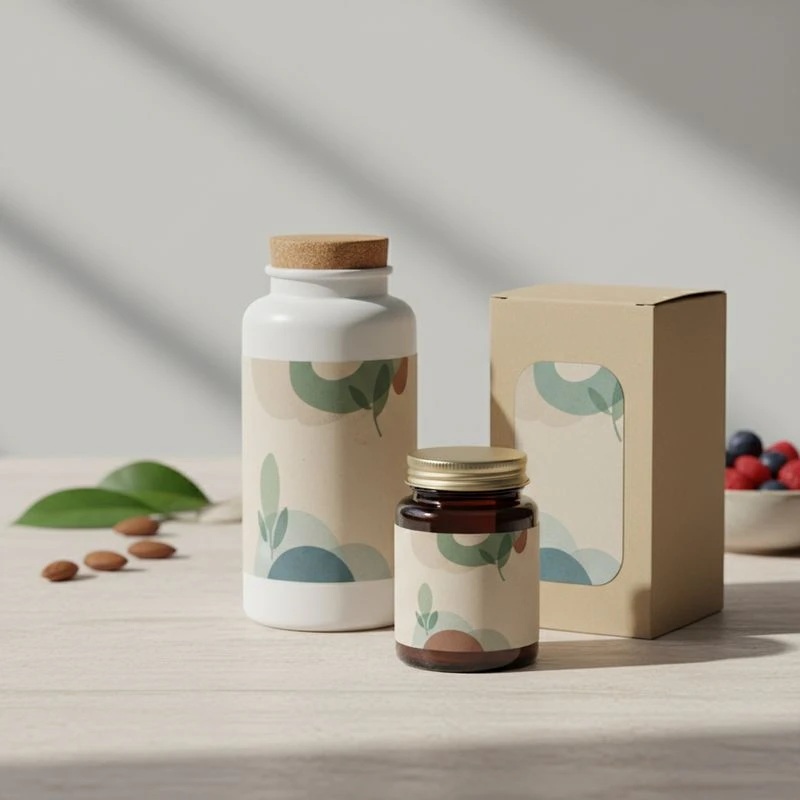
Mastering Design, Compliance, and Market Appeal for Vitamins and Health Products Down Under.
Supplement Packaging
In Australia’s dynamic and health-conscious market, the journey of a supplement from production line to consumer’s cabinet is profoundly influenced by its packaging. It’s no longer sufficient for packaging to merely protect the product; it must actively engage, inform, and build trust. For Australian health supplement and vitamin brands, embracing bespoke solutions in Custom Packaging for Health Supplements and Vitamins is not just a strategic advantage but an absolute necessity to thrive. The initial takeaway here is clear: generic, off-the-shelf packaging options simply won’t cut through the noise, nor will they adequately address the unique demands of the Australian consumer and regulatory landscape. Effective custom packaging serves as a silent salesperson, a brand ambassador, and a guardian of product integrity.
The reasoning behind this imperative lies in several key areas. Firstly, the Australian market is discerning, with consumers increasingly prioritizing transparency, sustainability, and efficacy in their health choices. High-quality custom packaging communicates a brand’s commitment to these values before the product is even opened. It tells a story, conveying a sense of premium quality and care that generic options cannot. Secondly, the regulatory environment in Australia, primarily governed by the Therapeutic Goods Administration (TGA), demands precise and comprehensive information display. Custom packaging allows brands to seamlessly integrate all mandatory disclosures, warnings, and ingredient lists in a clear, legible, and aesthetically pleasing manner, avoiding the pitfalls of cramped or illegible generic labels. Furthermore, in a highly competitive sector, differentiation is paramount. A uniquely designed package helps a product stand out on crowded retail shelves, capturing attention and inviting closer inspection.
Actionable steps for Australian brands looking to elevate their supplement packaging begin with a deep dive into material science and sustainability. Consider packaging materials that align with your brand’s ethos and consumer expectations, such as recycled PET for bottles, or compostable pouches for powdered supplements. Practical examples of this include brands like “NutriPeak,” which successfully transitioned to child-resistant caps for specific formulations while also adopting eco-friendly, locally sourced cardboard for their outer boxes, enhancing both safety and their environmental footprint. Another crucial step is to integrate tamper-evident features, such as induction seals or shrink bands, which are vital for consumer safety and trust, especially in the health sector. Pitfalls to avoid include choosing materials that don’t adequately protect the product from moisture or light, leading to degradation, or opting for designs that are visually appealing but fail to meet regulatory requirements for information display. Solutions involve partnering with experienced packaging suppliers who understand both design aesthetics and the nuances of Australian regulations, conducting rigorous shelf-life testing, and investing in initial design concepts that balance visual appeal with functional practicality. By prioritizing thoughtful, custom packaging, Australian health supplement brands can build stronger consumer loyalty and secure their position in a competitive market.
| Material Type | Benefits for Custom Packaging for Health Supplements and Vitamins | Considerations (Australian Market) | Common Usage |
|---|---|---|---|
| HDPE/PET Plastic Bottles | Lightweight, durable, cost-effective, good moisture barrier, recyclable. | Perception of plastic, sourcing recycled content is key for sustainability-conscious Australian consumers. | Tablets, capsules, powders. |
| Glass Jars/Bottles | Premium feel, excellent barrier properties, inert, highly recyclable. | Heavier, fragile, higher shipping costs. Appealing for high-end or natural products. | Liquid supplements, gummies, specialty items. |
| Flexible Pouches (Stand-up) | Reduced material usage, lightweight, convenient, good barrier options. | Recyclability can be complex for multi-layer pouches. Growing in popularity for eco-conscious brands. | Powdered supplements, protein mixes, single-serve portions. |
| Cartons/Folding Boxes | Excellent branding canvas, protection, ease of printing regulatory info, recyclable. | Often used as secondary packaging. Sourcing certified sustainable paper is a plus. | Vitamins in bottles, blister packs, multi-packs. |
This table outlines the primary packaging material choices available for health supplements and vitamins in the Australian market, highlighting their specific benefits and considerations. Understanding these properties is crucial for brands aiming to develop effective Custom Packaging for Health Supplements and Vitamins that meets both functional needs and consumer expectations for sustainability and quality. The choice of material significantly impacts product integrity, shelf appeal, and regulatory compliance.
Bottle Boxes
Bottle boxes, often viewed as mere secondary packaging, play a far more significant role in the Australian health supplement and vitamin market than their humble perception might suggest. The initial takeaway is that these cartons are not just protective shells; they are vital branding extensions and critical information vehicles that significantly enhance a product’s market appeal and consumer trust. In a landscape where primary containers, particularly bottles, have limited space for extensive details, a well-designed bottle box provides an indispensable canvas for comprehensive branding, vital regulatory information, and compelling marketing messages. They offer an additional layer of engagement, subtly communicating quality and care even before the consumer interacts with the primary container itself.
The reasoning for their importance is multi-faceted. Firstly, bottle boxes offer superior protection during transit and on the shelf, safeguarding fragile glass or plastic bottles from impacts, light exposure, and temperature fluctuations, thereby preserving product efficacy and integrity – a critical factor for health supplements. Secondly, they serve as an expansive stage for branding. Unlike the often-constrained surface of a bottle, a box allows for more elaborate graphic designs, unique finishes, and a more comprehensive visual narrative that reinforces the brand’s identity. Australian consumers are increasingly sophisticated, and a premium unboxing experience, starting with the outer carton, can profoundly influence their perception of product value. Thirdly, and crucially for the Australian market, these boxes provide ample space to display all necessary regulatory information, dosage instructions, ingredients, and warnings in clear, legible print, ensuring compliance with TGA guidelines without cluttering the primary label. This is particularly valuable when dealing with multi-language requirements or detailed scientific explanations that wouldn’t fit elegantly on a bottle label alone. Finally, innovative structural designs, such as tamper-evident seals or unique opening mechanisms, can be integrated into bottle boxes, further enhancing consumer confidence and safety.
Actionable steps for brands designing bottle boxes should focus on a harmonious blend of structural integrity, premium aesthetic finishes, and a clear hierarchy of information. Consider practical examples like using spot UV finishes or embossed logos to give a tactile and visually appealing premium feel, as seen with high-end vitamin brands in chemists. Incorporate internal inserts or fitments within the box to secure the bottle firmly, preventing movement and potential damage during shipping – this is especially important for smaller, glass bottles. Furthermore, utilize the larger surface area to include QR codes that link to expanded product information, scientific studies, or engaging brand stories, offering a deeper connection with the consumer. Pitfalls include using flimsy cardboard that doesn’t adequately protect the product, leading to damaged goods and customer dissatisfaction, or designing a box that is difficult to open, creating a frustrating consumer experience. Another common error is cluttering the design with too much text or too many conflicting visual elements, diluting the brand message. Solutions involve collaborating closely with structural packaging designers who specialize in bottle boxes to optimise both protection and user experience. Conduct transit testing to ensure the chosen materials and design can withstand the rigors of the supply chain, and prioritize readability and clarity in all printed information. By treating bottle boxes as integral components of the product experience, brands can significantly elevate their presence and professionalism in the Australian health supplement market.
B2B Label Printing
For health supplement and vitamin manufacturers in Australia, the process of B2B label printing is far from a mere logistical detail; it is a critical intersection of regulatory compliance, brand consistency, and operational efficiency. The initial takeaway is definitive: high-quality, compliant, and consistently reproduced B2B label printing is non-negotiable for success in the Australian market. These labels are the primary conduits of information for consumers and the first point of scrutiny for regulatory bodies. In a business-to-business context, where vast quantities of product are moved, any lapse in label quality or adherence to specifications can lead to significant financial repercussions, including product recalls, delays in market entry, and damage to supplier relationships and brand reputation. Therefore, meticulous attention to detail in label production is paramount.
The reasoning behind this imperative is deeply rooted in the Australian regulatory framework and market dynamics. Australia’s Therapeutic Goods Administration (TGA) imposes stringent requirements on the content, legibility, and presentation of information on health supplement labels. This includes precise ingredient lists, dosage instructions, warnings, batch numbers, and expiry dates, all of which must be clear and unambiguous. For B2B suppliers, ensuring every label in a high-volume order meets these exact specifications consistently is a monumental task. Errors in font size, colour contrast, or even minor misprints can render an entire batch non-compliant. Furthermore, labels must be durable enough to withstand various environmental conditions, from warehouse storage to retail display, without fading, smudging, or peeling. They also need to be compatible with different bottle materials and shapes, ensuring a smooth, professional application that reflects the brand’s quality. In the B2B supply chain, consistency across millions of labels is crucial for the end product’s market acceptance and to maintain reliable branding.
Actionable steps for optimising B2B label printing in Australia begin with choosing the right printing technology. For instance, digital printing offers flexibility for smaller runs and variable data (like unique batch numbers or sequential numbering), while flexographic printing is highly cost-effective for large, consistent volumes. Practical examples include partnering with a label printer who possesses ISO certifications and has proven experience navigating TGA regulations, ensuring that all proofs are meticulously checked against regulatory guidelines before mass production. Consider the label material and adhesive; durable, moisture-resistant BOPP (Biaxially Oriented Polypropylene) labels, for example, are excellent for supplements exposed to humid conditions, preventing degradation and ensuring legibility throughout the product’s lifecycle. Another critical step is implementing robust quality control protocols at every stage of the printing process, from pre-press checks to post-production inspection, to catch any inconsistencies. Pitfalls to avoid include opting for the cheapest printing solution without verifying quality and compliance, which often leads to costly re-prints or product recalls. Failing to consider the shelf-life and storage conditions of the product when selecting label materials can result in labels peeling, tearing, or fading, compromising product information and brand image. Another common pitfall is a lack of clear communication between the brand and the label printer regarding design specifications, colour matching, and critical regulatory text, leading to misunderstandings and errors. Solutions involve establishing a strong, collaborative relationship with a specialised label printing partner, utilizing colour management systems to ensure brand consistency, and having multiple approval stages for label artwork, involving both marketing and regulatory teams. By focusing on these elements, Australian health supplement brands can ensure their B2B label printing meets the highest standards of quality and compliance.
| Information Element | Description/Requirement for Custom Packaging for Health Supplements and Vitamins | Compliance Importance |
|---|---|---|
| Product Name | Clear and accurate name as registered with the TGA. Must not be misleading. | Mandatory for product identification and TGA listing. |
| AUST L Number | The unique 6-digit listing number assigned by the TGA. Must be prominent. | Crucial for indicating TGA registration and legal sale. |
| Active Ingredients | List of all active ingredients, their quantity per dose, and their exact form. | Essential for consumer information and TGA assessment. |
| Directions for Use | Clear dosage instructions, frequency, and method of administration. | Ensures safe and effective use of the product. |
| Warnings/Precautions | Mandatory warnings (e.g., “Always read the label”), contraindications, and potential side effects. | Critical for consumer safety and legal liability. |
| Batch Number & Expiry Date | Unique identifiers for product traceability and shelf-life. | Essential for quality control, recalls, and consumer safety. |
| Manufacturer/Sponsor Details | Name and address of the Australian sponsor. | Provides accountability and contact for consumers/regulators. |
This table outlines the critical information elements mandated by the TGA for health supplement packaging in Australia. Adhering to these requirements is fundamental for ensuring legal compliance and building consumer trust through transparent Custom Packaging for Health Supplements and Vitamins. Brands must meticulously ensure all these details are accurately and legibly displayed on their product labels and cartons.
Brand Compliance
For any brand operating in the Australian health supplement and vitamin sector, mastering brand compliance is not merely a box-ticking exercise; it is the bedrock of market access, consumer trust, and long-term viability. The initial takeaway is unambiguous: adherence to Australia’s stringent regulatory frameworks, particularly those set by the Therapeutic Goods Administration (TGA) and the Australian Consumer Law (ACL), is paramount, alongside maintaining rigorous internal brand guidelines. Navigating this complex landscape effectively ensures that every piece of Custom Packaging for Health Supplements and Vitamins not only resonates with your target audience but also stands up to legal scrutiny, protecting your brand from costly penalties, product recalls, and reputational damage. It’s about building a foundation of integrity that supports all marketing and sales efforts.
The reasoning for this heightened focus on brand compliance is multifaceted. Firstly, the TGA’s regulatory oversight of listed medicines (which include most health supplements) is robust. This means specific rules govern everything from allowable claims, ingredient sourcing, manufacturing processes, to the precise information that must appear on packaging. Misleading health claims, missing mandatory warnings, or incorrect dosage instructions can lead to immediate compliance breaches, resulting in fines, product withdrawals, and potentially criminal charges. Secondly, the Australian Consumer Law (ACL), enforced by the ACCC, prohibits false or misleading representations in advertising and packaging. This extends beyond health claims to include aspects like country of origin, environmental claims, and pricing, demanding absolute honesty and clarity. Thirdly, effective brand compliance extends to internal brand guidelines, ensuring a consistent visual identity—logo usage, colour palettes, typography, and messaging—across all packaging and marketing materials. Inconsistent branding can erode consumer recognition and trust, especially in a competitive market where a unified and professional image is key to standing out. For consumers, seeing a product that clearly meets regulatory standards instils confidence and reinforces the brand’s reliability and commitment to safety.
Actionable steps for achieving robust brand compliance include engaging legal and regulatory experts early in the packaging design process. These specialists can review all proposed text, imagery, and claims against TGA and ACL requirements, providing essential pre-approval guidance. Practical examples of compliance in action involve clearly displaying the AUST L or AUST R number (for listed or registered medicines, respectively) on the primary display panel, ensuring all ingredient lists are in descending order of proportion, and including mandatory allergen warnings or disclaimers like “Always read the label and follow the directions for use” in a prominent and legible manner. Another crucial step is to develop a comprehensive brand style guide that details not just visual elements but also approved messaging, tone of voice, and any legal disclaimers. This guide should be rigorously applied by all designers, marketers, and packaging suppliers. Pitfalls include succumbing to marketing pressure to make unsubstantiated claims, inadvertently using imagery that could be misinterpreted as medicinal advice, or neglecting minor details like font size and colour contrast which can impact legibility of crucial information. Another common pitfall is inconsistency in brand elements across a product range, making it difficult for consumers to associate new products with an established brand. Solutions involve implementing a multi-stage review process for all packaging artwork, involving internal regulatory teams, legal counsel, and external partners. Conduct regular audits of packaging to ensure ongoing compliance, as regulations can evolve. By adopting a proactive and thorough approach to brand compliance, Australian health supplement brands can build an unshakeable reputation for trustworthiness and quality, ensuring sustainable growth in a highly regulated market.
Design
In the vibrant Australian market for health supplements and vitamins, packaging design transcends mere aesthetics; it functions as the silent, yet most persuasive, salesperson on the shelf. The initial takeaway is that strategic, thoughtful design for Custom Packaging for Health Supplements and Vitamins is absolutely critical for captivating attention, communicating brand values, and ultimately driving purchase decisions. In a retail environment saturated with options, a compelling design is often the deciding factor for consumers, guiding their eyes and trust towards a specific product. Beyond visual appeal, effective design also encompasses the functional aspects that enhance the user experience, making a product not just desirable but also easy and enjoyable to use, fostering loyalty and repeat purchases.
The reasoning behind this paramount importance of design lies in its power to forge an immediate connection with the consumer. Firstly, visual appeal directly translates into shelf impact. A well-designed package cuts through clutter, using colour, typography, imagery, and structural form to grab attention and differentiate from competitors. Australian consumers are increasingly sophisticated, responding positively to designs that reflect premium quality, natural ingredients, or scientific credibility, depending on the brand’s positioning. Secondly, design is the primary vehicle for communicating a brand’s identity and values. Whether it’s minimalist elegance for a luxury range, vibrant and playful graphics for a children’s vitamin, or earthy tones for an organic supplement, the design immediately conveys what the brand stands for. Thirdly, functional design significantly enhances the user experience. Features like easy-open caps, ergonomic bottle shapes, clear dosage markings, and secure resealable pouches contribute to convenience and satisfaction. This focus on user-centric design reduces frustration, builds brand affinity, and supports proper product usage, which is especially vital for health products. Finally, design can subtly justify a premium price point, suggesting quality and efficacy through sophisticated presentation.
Actionable steps for brands to excel in packaging design begin with comprehensive market research to deeply understand target demographics and competitor strategies. This insight informs every design decision, from colour psychology – such as using greens and blues to evoke natural wellness – to typography choices that ensure readability and brand personality. Practical examples include a brand employing transparent bottle sections to visually showcase the purity of its liquid supplement, or another using an intuitive flip-top cap on a protein powder container for easy scooping, demonstrating a clear understanding of user needs. Focus on creating an engaging “unboxing experience,” even if it’s just opening a simple bottle, by ensuring the lid twists smoothly and the internal seal is easy to remove. Sustainability should be integrated into the design process; consider how material choices, reduced waste, and recyclability are communicated visually. Pitfalls include cluttered visuals that overwhelm the consumer, poor font choices that render crucial information illegible, or designs that fail to differentiate the product from a sea of similar offerings. Another common pitfall is prioritizing aesthetics over functionality, resulting in packaging that looks good but is difficult to open, store, or dispense from. Solutions involve investing in professional graphic and structural designers who specialize in the nutraceutical space, conducting consumer testing with packaging prototypes to gather feedback on usability and appeal, and regularly performing competitive audits to identify opportunities for innovation and differentiation. By aligning design with both brand narrative and practical consumer needs, Australian health supplement brands can create packaging that truly resonates and performs.
| Printing Method | Description | Benefits for Custom Packaging for Health Supplements and Vitamins | Ideal for |
|---|---|---|---|
| Digital Printing | Uses digital files directly, no printing plates. | Quick turnaround, excellent for variable data (batch codes), cost-effective for short to medium runs. | Seasonal products, limited editions, product variations, startups. |
| Flexographic Printing | Uses flexible relief plates to transfer ink. | High speed, cost-effective for large volumes, wide range of substrates. | High-volume standard runs, established product lines. |
| Offset Printing (Lithography) | Ink transferred from plate to rubber blanket, then to printing surface. | Superior image quality, sharp text, ideal for cartons/boxes. | Premium packaging, intricate designs on outer boxes. |
This table compares common label and packaging printing methods, highlighting their specific benefits for health supplement and vitamin brands in a B2B context. Selecting the appropriate printing technology is a crucial decision that impacts cost, turnaround time, print quality, and the ability to incorporate variable data on Custom Packaging for Health Supplements and Vitamins. Brands should choose based on their volume, design complexity, and specific data requirements.
