
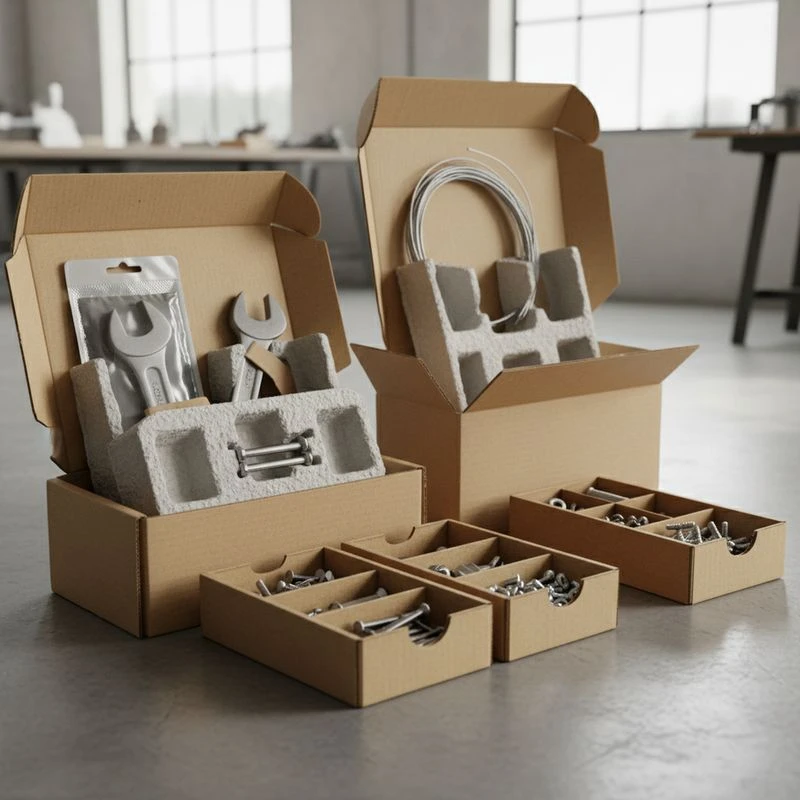
Elevate Protection, Efficiency, and Brand Presence Down Under
In Australia’s dynamic industrial landscape, where vast distances, challenging climates, and demanding work sites are the norm, the role of packaging transcends mere containment. For businesses dealing with industrial tools and hardware, custom packaging is not just an option; it’s a strategic imperative. The right packaging protects your valuable assets, ensures operational efficiency, and significantly enhances your brand’s reputation for reliability. Generic, one-size-fits-all solutions simply won’t cut it when you’re shipping complex machinery parts, delicate electronic instruments, or heavy-duty construction tools across the continent. Tailored packaging addresses the unique vulnerabilities of each product, safeguarding it against impact, moisture, dust, and temperature fluctuations encountered during transit and storage. This meticulous approach minimises the risk of damage, reduces costly returns, and guarantees that products arrive in pristine condition, ready for immediate use.
Understanding the specific requirements of the Australian market is paramount. From the humid north to the arid interior, and the bustling metropolitan centres to remote mining operations, tools and hardware face a gauntlet of environmental challenges. Custom packaging for industrial tools and hardware accounts for these variables, incorporating features like anti-corrosion treatments, UV-resistant materials, and robust structural designs. Furthermore, it plays a critical role in streamlining logistics. Efficiently designed packaging can optimise space utilisation in freight containers, simplify handling processes for warehouse staff, and reduce overall shipping costs. Beyond the practicalities, well-designed custom packaging also serves as a powerful extension of your brand. It communicates professionalism, attention to detail, and a commitment to quality, reinforcing trust with your B2B clients. In a competitive market, where every advantage counts, investing in superior packaging solutions can be the differentiator that sets your business apart, ensuring your industrial tools and hardware not only survive the journey but arrive ready to perform, reflecting positively on your entire operation from start to finish. This foundational understanding sets the stage for delving into the specific aspects that make custom packaging an indispensable asset for Australian industrial businesses.
Industrial Packaging
For businesses operating within Australia’s expansive and often rigorous industrial sector, the importance of robust industrial packaging cannot be overstated. The takeaway here is clear: Custom industrial packaging is absolutely crucial for protecting valuable tools and hardware throughout every stage of the Australian supply chain, from manufacturing plant to final job site. This isn’t merely about putting an item in a box; it’s about engineering a solution that accounts for the inherent challenges of transporting heavy, often irregularly shaped, and sometimes delicate industrial components across vast distances and varied environmental conditions. Standard, off-the-shelf packaging solutions frequently fall short, leading to avoidable damage, costly returns, and significant operational delays that can impact project timelines and profitability. The reasoning behind this emphasis is multifaceted: Australia’s unique geography, which includes long transit routes, diverse climates ranging from tropical humidity to desert aridity, and varied handling procedures at ports, warehouses, and remote locations, demands packaging that is specifically designed to withstand these stresses. By investing in tailored packaging, companies can significantly reduce the incidence of product damage, thereby cutting down on replacement costs, warranty claims, and the negative impact on customer satisfaction. Moreover, high-quality packaging enhances brand perception, signaling to clients that your business prioritises product integrity and quality from the moment of dispatch.
To implement an effective custom industrial packaging strategy, businesses should begin by conducting a thorough assessment of their products’ vulnerabilities. This involves understanding an item’s weight, dimensions, fragile points, and susceptibility to environmental factors like moisture, dust, and vibration. Next, consider the entire transit route: Will the package endure multiple transfers, forklift handling, sea freight, or long-haul road transport over uneven terrain? These insights will guide material selection and design. Practical examples abound: a large, precision-machined gearbox destined for a mining operation in Western Australia might require a heavy-duty wooden crate with custom-fitted foam inserts and internal bracing to prevent shifting and absorb shocks. Conversely, delicate electronic control panels for an automated manufacturing line might need anti-static corrugated boxes, sealed within a moisture-barrier bag, cushioned by custom-cut polyethylene foam to protect against electrostatic discharge and humidity. Partnering with a specialist in custom packaging for industrial tools and hardware is a critical actionable step, as they possess the expertise and resources to design and test solutions tailored to your specific needs and the Australian market’s demands. These specialists can recommend the optimal blend of materials, from treated timber and heavy-duty corrugated cardboard to advanced plastics and engineered foam, ensuring maximum protection while also considering sustainability and cost-effectiveness. They can also advise on compliance with national and international shipping regulations, reducing the risk of customs delays or penalties.
While the benefits are clear, potential pitfalls do exist. One common issue is over-packaging, which can lead to unnecessary material costs, increased freight expenses due to bulk and weight, and a larger environmental footprint. The solution here lies in optimisation: working with packaging engineers to achieve the “right” amount of protection without excess, often by leveraging advanced material properties or innovative structural designs. Conversely, under-packaging is a more severe pitfall, inevitably leading to product damage and the associated financial and reputational costs. This can be mitigated through rigorous testing protocols, including drop tests, vibration tests, and compression tests, which simulate real-world shipping conditions to validate the packaging’s efficacy before it enters the supply chain. Another consideration is the environmental impact of packaging materials. With increasing pressure for sustainable practices, businesses should explore options like recyclable content, biodegradable materials, or designs that facilitate easy recycling at the end of their life cycle. Ultimately, effective industrial packaging in Australia is a proactive investment that safeguards products, streamlines logistics, and reinforces a company’s commitment to delivering quality, intact, and on-time industrial tools and hardware to its customers.
Protective Cases
In the challenging and often remote environments of the Australian industrial sector, the adage “prevention is better than cure” holds particular weight, especially when it comes to the transportation and storage of valuable equipment. The primary takeaway here is that investing in high-quality protective cases offers unparalleled security and significantly extends the longevity of industrial tools and hardware. These are not merely boxes; they are engineered solutions designed to withstand extreme conditions, ensuring that sensitive or critical equipment remains fully functional. The reasoning for this lies in the demanding nature of industrial applications and the Australian landscape itself. Beyond basic protection against bumps and scratches, protective cases provide enhanced impact resistance, environmental sealing against dust and moisture, and often the crucial benefit of reusability. This makes them indispensable for high-value items, sophisticated field service kits, calibration equipment, or any tool that requires frequent transport and deployment in harsh settings like mining sites, construction zones, or remote scientific operations. The robust construction of these cases safeguards against the physical shocks of transit and the corrosive effects of environmental exposure, from torrential rains in tropical Queensland to the fine dust of the outback.
Implementing effective use of protective cases involves several key actionable steps. Firstly, businesses should identify the specific hazards their equipment faces. For instance, if tools are regularly transported in open vehicles or exposed to the elements, an IP (Ingress Protection) rated case is essential, offering certified resistance against water and dust. IP ratings, such as IP67, indicate a case’s ability to withstand submersion and prevent dust ingress. Secondly, custom foam inserts are a cornerstone of effective protective casing. Generic padding won’t adequately secure items during impact or vibration. Instead, custom-routed foam, tailored to the exact dimensions and shape of each tool or component, cradles items securely, absorbing shocks and preventing movement within the case. Materials like closed-cell polyethylene or polypropylene foam can be precisely cut using CNC machines to create bespoke compartments. Consider features like robust latches (e.g., double-throw or push-button models), which ensure secure closure and prevent accidental opening. Integrated wheels and retractable handles are also vital for mobility, particularly for heavy cases or those needing to be moved over rough terrain. For instance, a mobile diagnostic unit for heavy machinery in a remote WA mine site would require a case with excellent dust and water sealing, custom-cut foam for each instrument, heavy-duty latches, and rugged wheels to navigate uneven ground. Similarly, a field calibration kit for delicate sensors would benefit from shock-absorbing materials and precise custom inserts to maintain instrument integrity.
While the initial cost of high-quality protective cases might seem higher than standard packaging, it’s crucial to consider the long-term return on investment (ROI). A common pitfall is perceiving the cost as prohibitive without factoring in the avoided expenses of equipment damage, repair, or replacement. The solution is to highlight the significant savings derived from extended tool life, reduced downtime, and the elimination of damage-related logistical headaches. Another potential issue is selecting a generic case that doesn’t fully accommodate the tools, leading to suboptimal protection or inefficient use of space. This is where the emphasis on customisation becomes critical. Working with specialists who can design cases with precise dimensions and tailor-made foam interiors ensures a perfect fit for every item, maximising both protection and organisational efficiency. Furthermore, businesses should look beyond single-trip protection. Many high-quality protective cases are designed for repeated use, making them an excellent choice for circulating equipment, rental tools, or multi-site projects, thereby contributing to sustainability efforts and reducing ongoing packaging waste. By meticulously selecting and customising protective cases, Australian industrial operations can ensure their valuable tools and hardware are consistently safeguarded, performing reliably for years to come.
B2B Shipping
In the expansive and often complex world of Australian industrial commerce, efficient B2B shipping is the backbone of supply chain success. The key takeaway here is that streamlining B2B shipping with custom packaging is absolutely vital for ensuring efficient operations, reducing costs, and ultimately achieving superior customer satisfaction in the Australian industrial sector. Unlike consumer shipping, B2B often involves larger volumes, heavier and bulkier items, and intricate logistics chains that demand a higher level of precision and resilience from packaging. The reasoning behind this is profound: custom packaging specifically designed for B2B logistics simplifies handling for freight carriers and warehouse personnel, improves stacking efficiency in containers and on pallets, and critically, reduces freight costs by optimising cargo space. More importantly, it dramatically minimises the risk of damage during transit, which can be particularly devastating when dealing with expensive industrial components or large quantities of hardware. Damaged goods lead to costly returns, re-shipments, delayed projects, and a significant dent in a company’s reputation, all of which are amplified in the vast distances of Australia.
To effectively leverage custom packaging for B2B shipping, businesses must adopt several actionable steps. Firstly, design packaging with palletisation in mind. This means creating dimensions that maximise the use of standard Australian pallet sizes (e.g., 1165mm x 1165mm) without overhang, which can lead to damage and incur additional freight charges. Packaging should be stackable, with sufficient compression strength to support the weight of multiple layers. Secondly, integrate clear and robust labelling. This includes detailed product information, handling instructions (e.g., “This Side Up,” “Fragile”), and critical safety warnings, ensuring freight companies can handle items correctly and efficiently. For heavy items, clearly marked lifting points or forklift pockets should be incorporated into the packaging design. Thirdly, consider modular packaging solutions. For businesses that ship a wide variety of industrial tools and hardware in varying quantities, modular designs allow for flexible packing of different order sizes, optimising internal space and reducing the need for excessive void fill. A practical example could involve shipping a pallet of electrical components from Melbourne to Perth. Custom corrugated trays with individual compartments prevent component shifting, while the overall outer box dimensions are perfectly matched to a standard pallet, allowing for secure shrink-wrapping and efficient container loading. Another example is the shipping of large structural steel items, where custom-fabricated cradles and protective wraps prevent abrasive damage and ensure stability during long-haul road transport.
Navigating B2B shipping with custom packaging also requires an awareness of potential pitfalls. One common issue is designing packaging that, while protective, is not optimised for freight dimensions, leading to non-standard size surcharges or inefficient use of valuable shipping space. The solution is to consult with logistics partners early in the packaging design process to understand their specific requirements and incorporate these into the design. Another pitfall is inadequate structural reinforcement, which can lead to package collapse during stacking, especially with heavy industrial items. This can be mitigated by using higher-grade corrugated board, multi-wall constructions, or internal bracing that distributes weight effectively. Furthermore, failing to account for the rigours of multi-modal transport, which is common in Australia (e.g., road to rail to sea), can leave goods vulnerable. The solution is to specify materials and designs that can withstand varied environmental stresses and handling methods. Ultimately, the successful implementation of custom packaging for industrial tools and hardware in B2B shipping is about a holistic approach that considers the product, the journey, and the efficiency of the entire supply chain, ensuring that every shipment arrives safely, on time, and within budget, reinforcing the supplier’s reliability in the demanding Australian market.
Heavy Duty
For industrial tools and hardware in Australia, where equipment can range from massive engine blocks to specialised mining drill bits, the importance of heavy-duty custom packaging simply cannot be overstated. The clear takeaway here is that heavy-duty custom packaging is not just an option but a non-negotiable requirement for the safe transport, handling, and storage of robust industrial tools and hardware across the challenging Australian landscape. The reasoning behind this imperative is rooted in the very nature of industrial goods: they are often inherently large, exceptionally heavy, possess irregular shapes, and may feature sharp edges or delicate components despite their overall bulk. Standard packaging materials and designs are fundamentally incapable of withstanding the immense weight, internal pressures, and external forces exerted on such items. The consequences of inadequate packaging range from catastrophic product damage and structural failure of the package itself to significant risks of worker injury during handling. Heavy-duty solutions are meticulously engineered to prevent these scenarios, ensuring the product’s integrity and the safety of all involved in the supply chain.
Implementing effective heavy-duty packaging demands a strategic approach involving careful material selection and design. A crucial actionable step is to choose materials specifically known for their strength and resilience. This includes multi-wall heavy-duty corrugated cardboard, which offers exceptional compression strength; custom-fabricated wooden crates or skids made from treated timber; and reinforced plastic containers designed for extreme loads. For internal protection and load securing, materials like industrial-grade foam, dense dunnage bags, steel banding, and robust strapping are essential. Design considerations must focus on weight distribution and stability. For example, a heavy industrial pump needs not only a strong outer crate but also internal blocking and bracing that securely fix the pump to a sturdy base, preventing any shifting or tipping during transport. This internal structure absorbs vibrations and impacts, distributing forces evenly. Practical examples demonstrate this necessity: an engine block destined for a remote Queensland mining site would require a robust timber crate built to withstand significant forklift handling and potential rough terrain during its journey. This crate would feature a heavy-duty base, secure internal bolting points, and a weather-resistant lining. Another instance might be oversized pipes or structural steel components, which could necessitate custom-fabricated steel racks or reinforced timber frames, possibly integrated with protective wraps to prevent abrasion or corrosion during long-term outdoor storage or transit across states.
Despite the critical need, potential pitfalls can arise in designing and deploying heavy-duty packaging. A common issue is underestimating the actual weight or dynamic stresses that items will experience during transit, leading to insufficient material strength or design failure. The solution involves rigorous engineering calculations and potentially Finite Element Analysis (FEA) to predict how packaging will perform under various loads. It’s vital to select materials with appropriate burst strength, edge crush resistance, and stacking strength. Another pitfall is neglecting the specific properties of the item itself, such as sharp edges or protruding parts that can puncture or compromise standard packaging. This is addressed by incorporating specialised protective linings, corner pieces made from durable plastic or metal, and reinforced internal structures that isolate these features. Furthermore, the handling requirements of exceptionally heavy items must be integrated into the packaging design; this includes clearly marked centres of gravity, designated lifting points for cranes or forklifts, and ensuring the packaging itself is compatible with standard industrial lifting equipment. Performing comprehensive drop tests, vibration tests, and compression tests on prototypes is an indispensable step to validate the design’s effectiveness under simulated real-world conditions. By meticulously adhering to these principles, businesses can ensure that their heavy-duty industrial tools and hardware are packaged with the utmost integrity, arriving safely and ready for deployment, regardless of the challenging journey across Australia.
Durable
In the demanding Australian industrial market, the concept of durability in custom packaging extends far beyond merely surviving a single journey. The core takeaway is that prioritising durable custom packaging not only extends the product’s lifespan but also significantly enhances the potential for packaging reusability, ultimately reinforcing a brand’s commitment to quality and sustainability. Durability signifies the packaging’s ability to withstand multiple uses, prolonged periods of storage, and a diverse range of environmental challenges without compromising its protective integrity. This characteristic is particularly critical for situations involving returnable packaging systems, components delivered to assembly lines, or any industrial tools and hardware that require frequent access, handling, or long-term warehousing in various climates across Australia. A durable package is an investment that continues to pay dividends, reducing the need for constant replacement and minimising waste, thereby contributing positively to both operational efficiency and environmental responsibility.
To ensure custom packaging is truly durable, several actionable steps must be taken during the design and material selection phases. Firstly, meticulously select materials known for their inherent longevity and resistance to wear and tear. This often includes specific grades of high-density polyethylene (HDPE), polypropylene, or advanced composite materials for reusable containers. For wooden crates, opting for treated timber or hardwoods that resist rot, pests, and moisture adds significantly to their lifespan. Secondly, consider the specific environmental conditions the packaging will face. For tools stored outdoors or transported in open environments, UV resistance is crucial to prevent material degradation from harsh Australian sunlight. Similarly, for humid coastal regions or areas prone to heavy rain, incorporating robust moisture barrier properties or rust-inhibiting liners is essential to protect metallic hardware. Thirdly, design for ease of opening and closing without compromising the package’s structural integrity. Industrial-grade latches, hinges, and sealing mechanisms should be chosen over flimsy alternatives, ensuring they can endure repeated use and maintain a tight seal. Practical examples of durable packaging include reusable plastic totes for the delivery of automotive parts to an assembly plant, designed for multiple trips and easy washing. Another example is flight cases for mobile industrial equipment, built with reinforced corners, heavy-duty hardware, and tough outer shells that protect sensitive electronics during countless deployments to different worksites. These cases are designed to be loaded, unloaded, and transported repeatedly without showing significant signs of wear or degradation in protective capability.
Despite the evident benefits, potential pitfalls exist. A common issue is the gradual degradation of materials over time, especially if the packaging is exposed to extreme conditions for prolonged periods. The solution lies in specifying materials with built-in resistance, such as UV inhibitors for plastics or anti-corrosion treatments for metallic components. Regular inspection and maintenance protocols for reusable packaging can also extend its life. Another pitfall is wear and tear on closures and moving parts, which can compromise security and functionality. This is mitigated by investing in industrial-grade latches, hinges, and handles that are tested for high cycle counts and designed to withstand rough handling. Furthermore, businesses must consider the end-of-life for durable packaging. While designed for longevity, even the toughest materials eventually wear out. Partnering with suppliers who offer take-back programmes or advising on responsible recycling methods ensures a closed-loop approach, aligning with modern sustainability goals. Ultimately, designing for durability in custom packaging for industrial tools and hardware is a proactive strategy. It’s about creating solutions that not only protect the product during its initial transit but continue to serve effectively over many cycles, reducing waste, enhancing operational efficiency, and solidifying a brand’s reputation for quality and reliability throughout the extensive demands of the Australian industrial sector.
Material Comparison for Custom Packaging for Industrial Tools and Hardware
| Material Type | Key Benefits | Best For | Considerations for Australian Market |
|---|---|---|---|
| Heavy-duty Corrugated Cardboard | Cost-effective, lightweight, recyclable, excellent cushioning with internal inserts, versatile for custom shapes. | Mid-weight tools, components requiring internal partitioning, items needing moisture barriers or anti-static properties. | Must consider humidity (may weaken structure); requires careful sealing for dust/moisture in remote areas. |
| Wood Crates / Skids | Superior strength for heavy items, highly stackable, excellent impact resistance, often reusable for heavy-duty items. | Very heavy machinery, large industrial parts, items requiring maximum protection from external force. | ISPM-15 compliant timber for international shipping; can be heavy, requiring mechanical handling. |
| Custom Foam Inserts (PE, PP, PU) | Exceptional shock absorption, precise fit, vibration dampening, chemical resistance, prevents scratching. | Fragile instruments, delicate electronic components, tool kits, items needing secure placement within a case. | Density and type tailored to item weight; can be bulky, consider fire ratings for specific industries (e.g., mining). |
| Reinforced Plastic (HDPE, Polypropylene) | Waterproof, dustproof, chemical resistant, highly durable, reusable, good for outdoor storage, lightweight for strength. | Field service kits, sensitive equipment, items needing frequent transport, returnable packaging systems. | Higher initial cost, but excellent ROI through reusability; UV stabilizers crucial for prolonged sun exposure. |
This table provides a concise comparison of common materials used in custom packaging for industrial tools and hardware. Each material offers distinct advantages and is best suited for different applications, particularly when considering the diverse requirements and environmental conditions found across Australia. Choosing the right material is a fundamental step in ensuring product integrity and logistical efficiency.
Key Features of Protective Cases for Industrial Tools and Hardware
| Feature | Benefit | Application in Australia |
|---|---|---|
| IP (Ingress Protection) Rating | Certified protection against dust and water ingress, ensuring internal contents remain clean and dry. | Essential for field equipment used in mining, construction, or coastal areas where dust and rain are prevalent. |
| Custom Foam Inserts | Precision-cut foam cradles items securely, absorbing shocks, preventing movement, and protecting against impact. | Vital for delicate calibration tools, diagnostic equipment, or specialised components transported across rough terrain. |
| Robust Latches & Hinges | Ensures secure closure against accidental opening and maintains environmental seal; built for heavy-duty use. | Crucial for high-value items where security is paramount, or for cases that are opened and closed frequently in tough conditions. |
| Integrated Wheels & Handles | Facilitates easy transportation of heavy cases, reducing manual handling strain and improving mobility. | Indispensable for mobile repair kits, testing equipment, or tools used on large worksites or remote locations without vehicle access. |
This table highlights critical features that distinguish high-performance protective cases, an integral part of custom packaging for industrial tools and hardware. These features are designed to address the specific challenges of transporting and storing valuable equipment in demanding industrial environments, particularly within Australia. Selecting cases with these capabilities ensures maximum protection and usability.
Optimising B2B Shipping with Custom Packaging for Industrial Tools and Hardware
| Strategy | Packaging Implementation | Expected Outcome |
|---|---|---|
| Maximize Palletization Efficiency | Design package dimensions to precisely fit standard Australian pallets (1165x1165mm) without overhang. Ensure sufficient compression strength for stacking multiple layers. | Reduces freight costs by optimising container space, prevents overhang damage, and streamlines warehouse handling. |
| Minimize Transit Damage | Utilise custom internal dunnage, foam inserts, strapping, and reinforced outer packaging to secure contents against movement, vibration, and impact. | Significantly lowers product damage rates, reducing returns, warranty claims, and associated logistical delays. |
| Enhance Handling Safety | Incorporate clearly marked lifting points, forklift pockets, and ergonomic hand-holds into packaging design for heavy or awkward items. | Reduces risk of worker injury during loading, unloading, and internal movement, improving operational safety. |
| Streamline Identification & Tracking | Integrate large, clear labels with product details, barcodes, and handling instructions directly onto the packaging surface. | Accelerates sorting, inventory management, and reduces misdeliveries or delays in complex B2B supply chains. |
This table outlines key strategies for optimising B2B shipping through effective custom packaging for industrial tools and hardware. Each strategy, coupled with specific packaging implementations, is geared towards improving efficiency, reducing costs, and enhancing the overall reliability of industrial supply chains operating within the Australian market. Adopting these approaches can transform packaging from a cost centre into a strategic asset.
