
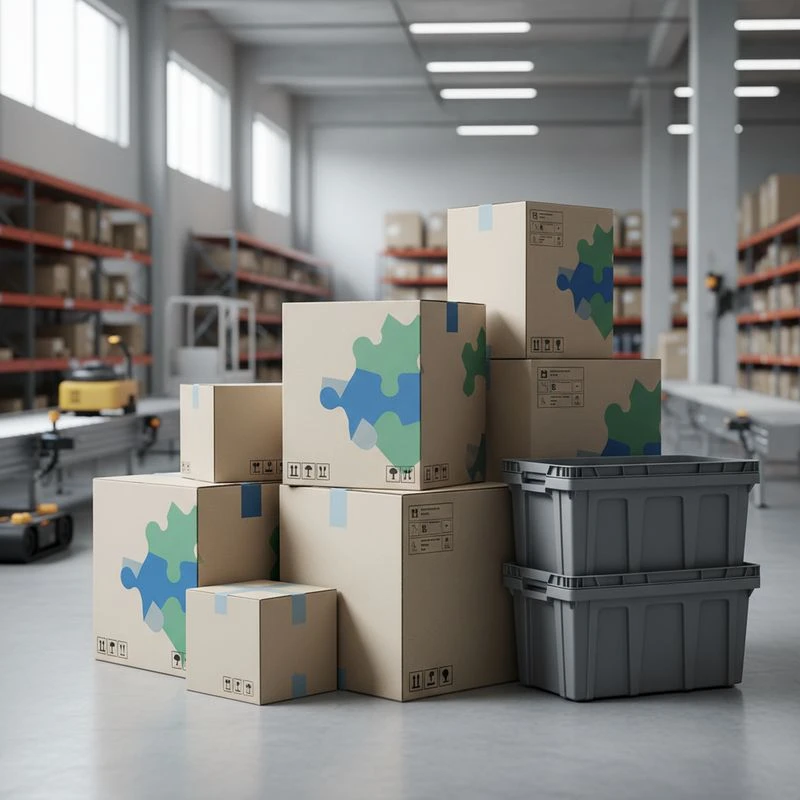
Transforming Warehouse Operations and Distribution for the Modern Australian Market
In the dynamic and often challenging landscape of the Australian logistics and warehousing sector, relying on generic, off-the-shelf packaging is akin to navigating a complex supply chain with a blindfold on. The crucial takeaway for businesses operating in {{globalData.australiamarket}} today is that investing in custom packaging for logistics is no longer a luxury but a fundamental necessity for competitive advantage. The unique geographical vastness, diverse climatic conditions, and evolving consumer and B2B expectations across Australia demand a tailored approach to how goods are packed, stored, and transported. Without custom solutions, businesses face a myriad of pitfalls, from increased product damage and costly returns to inefficient warehouse operations and a diminished brand reputation. By embracing bespoke packaging, companies can significantly enhance their operational efficiency, safeguard their products, and ultimately deliver a superior experience to their customers, whether they are across town or across the continent.
Logistics Packaging
The role of logistics packaging in {{globalData.australiamarket}}’s supply chain is paramount, acting as the silent workhorse that ensures products arrive safely, efficiently, and in perfect condition. For businesses navigating the complexities of distribution across Australia, understanding that generic packaging can be a significant impediment to success is the first step towards transformation. Off-the-shelf solutions are rarely optimised for specific product dimensions, fragility, or the varied environmental stressors encountered during long-haul transit within the country. This lack of customisation often leads to wasted space, excessive void fill, increased material costs, and, most critically, a higher incidence of product damage, all of which directly impact profitability and customer satisfaction. The reasoning behind the shift towards custom logistics packaging is clear: it addresses these inefficiencies head-on, providing a strategic advantage.
Consider, for instance, a company distributing delicate electronic components or oversized industrial parts from a manufacturing hub in Melbourne to remote mining sites in Western Australia. Standard boxes might not offer the necessary shock absorption, or their dimensions could lead to awkward palletisation and wasted freight space. Custom packaging for logistics, on the other hand, is designed with the exact product specifications in mind, ensuring a snug fit that minimises movement and maximises protection. It also optimises cubic space within shipping containers and trucks, leading to more cost-effective transportation. Furthermore, custom packaging can be engineered to withstand specific environmental challenges prevalent in Australia, such as extreme heat, humidity, or dust, which might compromise standard materials. This proactive approach not only safeguards the product but also streamlines the entire logistics process, from packing to delivery, reducing labour time and potential for errors.
To implement effective custom logistics packaging, businesses should begin with a thorough audit of their current packaging practices. This involves identifying existing pain points, such as recurring damage types, excessive packing times, or inflated shipping costs. Subsequently, collaborate with experienced packaging engineers who can assess product fragility, shipping methods, and destination requirements. They can then propose tailored material solutions, such as specific grades of corrugated cardboard for varying weights, engineered foam inserts for delicate items, or moisture-resistant films for climate-sensitive goods. Practical examples abound: a fresh produce exporter might require temperature-controlled packaging with ventilation, while an automotive parts supplier could benefit from heavy-duty, stackable boxes with custom inserts that prevent individual parts from shifting. The potential pitfall here is over-packaging, where too many materials are used, driving up costs and environmental impact. The solution lies in precision engineering – designing packaging that provides optimal protection with the minimal necessary materials, often incorporating sustainable and recyclable options to align with modern environmental stewardship goals. By taking these actionable steps, Australian businesses can unlock significant efficiencies and ensure their products reach their destination in pristine condition, every time.
Heavy Duty
For businesses in {{globalData.australiamarket}} dealing with substantial, weighty, or unusually shaped goods, the concept of heavy-duty custom packaging for logistics is not just a preference, but an absolute operational imperative. The inherent challenges of transporting heavy machinery, industrial components, or bulk construction materials across Australia’s vast distances and diverse terrains render standard packaging solutions utterly inadequate. The crucial takeaway here is that robust, purpose-built packaging is the bedrock of damage prevention and operational safety for such items. Generic cartons or flimsy wrapping simply cannot withstand the forces of handling, stacking, and transit associated with heavy loads, leading to devastating consequences. These can include costly product damage, potential safety hazards for handlers, expensive returns, and significant disruptions to project timelines, all of which erode profitability and stakeholder trust.
The reasoning behind prioritising heavy-duty custom packaging lies in its ability to provide structural integrity and superior protection against impacts, vibrations, and compression. Materials are specifically selected for their strength and durability, such as multi-wall corrugated cardboard, timber crates, steel-reinforced containers, or high-density engineered foams. Unlike standard packaging, heavy-duty solutions are designed to not only contain the product but also to distribute its weight evenly, absorb shocks, and resist crushing when stacked. For example, a manufacturer shipping large engine blocks from Sydney to a mining operation in Western Australia would require a custom timber crate with internal bracing and specific mounting points to secure the block during transit. This prevents movement that could lead to damage, protects against external impacts, and ensures safe handling by forklifts and cranes. Similarly, a company moving oversized pipes or beams might utilise custom-fabricated cradles within a container, preventing rolling and damage to both the product and the container walls.
Implementing effective heavy-duty packaging requires a systematic approach. First, conduct a thorough assessment of the product’s weight, dimensions, centre of gravity, and points of fragility. Understand the specific handling equipment that will be used (e.g., forklifts, cranes, pallet jacks) and design packaging that is compatible and safe for these operations. Next, collaborate with packaging engineers to select the most appropriate materials and structural designs. This could involve exploring options like triple-wall corrugated for heavy-duty cartons, ISPM-15 compliant timber for international shipments, or bespoke steel frames for extremely heavy or sensitive machinery. Actionable steps include designing internal blocking and bracing to secure the item within the package, incorporating features for ease of lifting and moving (e.g., forklift entries, lifting eyes), and rigorously testing prototypes through drop tests, vibration tests, and compression tests to simulate real-world transit conditions. A common pitfall is underestimating the dynamic forces during transport, assuming static weight is the only concern. The solution involves accounting for G-forces, sudden stops, and rough terrain, often requiring more robust design than initially perceived. By investing in truly heavy-duty custom packaging for logistics, Australian businesses can dramatically reduce damage rates, enhance worker safety, and ensure their most robust products arrive at their destination ready for immediate use, regardless of the journey’s demands.
B2B Distribution
In the intricate ecosystem of B2B distribution within {{globalData.australiamarket}}, custom packaging for logistics acts as a pivotal differentiator, moving beyond mere product containment to become a strategic tool for fostering stronger partnerships and achieving operational excellence. The fundamental takeaway for businesses engaged in B2B transactions is that generic packaging is often a significant bottleneck, failing to address the specific demands of bulk shipments, diverse recipient warehouses, and the overarching need for brand consistency. Unlike B2C where individual consumer experience is paramount, B2B involves complex supply chains, often requiring precise inventory management, efficient handling, and a professional presentation that reinforces reliability. Generic packaging can lead to a cascade of problems, including sorting errors, product damage during multi-stage handling, inconsistent branding, and difficulties in processing returns, all of which strain client relationships and inflate operational costs.
The reasoning behind custom packaging’s superiority in B2B distribution stems from its ability to integrate seamlessly with various operational requirements. It’s designed not just for the product, but for the entire journey and the receiving environment. For instance, a manufacturer supplying components to diverse industrial clients across Australia might face different palletisation standards or warehousing layouts. Custom packaging can be designed for optimal stacking stability on standard Australian pallets, ensuring maximum container fill while preventing crushing. Moreover, specific labelling requirements, such as barcodes for automated inventory systems, can be integrated into the packaging design, streamlining the receiving process for the client. Consider a wholesale distributor sending products to various retail chains: custom-printed cartons not only protect the goods but also serve as a consistent branding touchpoint, making the shipments easily identifiable and professional. This attention to detail extends to ease of unpacking, with features like tear strips or re-sealable options that simplify the process for the recipient’s warehouse staff, reducing labour costs on their end and fostering goodwill.
To leverage custom packaging effectively for B2B distribution, businesses should adopt a client-centric approach. Begin by deeply understanding your clients’ receiving and storage capabilities, their handling procedures, and any specific compliance or labelling requirements they might have. Collaborate with your logistics partners and packaging suppliers to design solutions that cater to these needs. Actionable steps include developing modular packaging that can be easily scaled for different order sizes, designing cartons with clear, consistent branding and product information for quick identification, and exploring durable, reusable packaging options for closed-loop B2B systems where feasible. An excellent example would be custom plastic totes for automotive parts that are returned to the supplier for refilling, significantly reducing waste and costs over time. A common pitfall in B2B packaging is neglecting the recipient’s perspective – designing only for your own outbound process without considering how it impacts their inbound operations. The solution involves open communication with key B2B clients, soliciting feedback on packaging effectiveness, and continuous improvement based on their needs. By doing so, businesses can transform their custom packaging for logistics into a powerful tool that not only protects goods but also enhances operational flow, strengthens client relationships, and reinforces their professional image within the competitive Australian B2B market.
| Packaging Material | Key Properties | Ideal B2B Application | Pros for Australian Logistics | Cons for Australian Logistics |
|---|---|---|---|---|
| Corrugated Cardboard | Lightweight, versatile, cost-effective, recyclable. Available in single, double, triple wall. | Bulk consumer goods, industrial components, electronics. | Cost-efficient, customisable for branding, widely recyclable, adaptable to various product sizes. | Susceptible to moisture, limited heavy-duty stacking without proper design, less durable for very heavy items. |
| Wood (Plywood/Timber) | High strength-to-weight ratio, very durable, stackable. | Heavy machinery, oversized industrial parts, delicate equipment requiring robust protection. | Excellent protection for heavy items, high stacking strength, suitable for long-distance/export. | Heavier, often requires ISPM-15 treatment for international, higher cost, can be bulky to store. |
| Engineered Foam | Excellent shock absorption, customisable shapes, insulating. | Electronics, medical devices, fragile components requiring specific void fill and cushioning. | Superior impact protection, can be custom-cut for perfect fit, lightweight. | Higher material cost, typically not recyclable in all Australian regions, limited structural support. |
| Plastics (HDPE, PP) | Durable, weather-resistant, reusable, rigid. | Reusable containers for closed-loop B2B, hazardous materials, sensitive goods needing moisture barrier. | Highly durable, weather-resistant, ideal for returnable packaging systems, good for branding. | Higher upfront cost, can be heavier, recycling infrastructure varies for specific plastics. |
This table illustrates the diverse material options available for custom packaging for logistics within Australia, each bringing unique strengths and weaknesses to the table. Choosing the right material is a critical decision, influencing everything from freight costs to product integrity and environmental impact. An informed selection, based on product characteristics and distribution challenges, is key to success.
Protection
The imperative of protection in logistics and warehousing within {{globalData.australiamarket}} cannot be overstated. The fundamental takeaway for any business shipping goods is that superior product protection, achieved through meticulously designed custom packaging, directly translates into reduced damage, fewer returns, and significantly enhanced customer satisfaction. Generic packaging solutions, while seemingly economical upfront, often fail to account for the rigours of Australian transport conditions – from the vast distances and varied climates to the multiple handling points goods encounter. This oversight inevitably leads to goods arriving damaged, creating a costly ripple effect of financial losses, reputational harm, and strained customer relationships. The reasoning is clear: investing in packaging that truly protects is an investment in your product’s integrity and your business’s future.
Effective custom packaging for logistics goes far beyond simply encasing an item; it involves a scientific approach to safeguarding. This means analysing a product’s vulnerabilities – whether it’s susceptible to impact, vibration, compression, moisture, or temperature fluctuations – and then engineering a solution to counteract those specific threats. For example, delicate electronics might require custom-moulded foam inserts that absorb shocks from multiple directions, whereas liquids might need leak-proof containers with internal dividers to prevent shifting and spillage. In Australia’s diverse climate, from the tropical north to the arid interior, custom packaging can incorporate moisture barriers, desiccant packs, or even insulated liners to protect sensitive goods from humidity or extreme temperature swings. A common pitfall is assuming that all damage is due to mishandling by carriers; often, the packaging itself is inadequate for the expected transit conditions. By focusing on protective design, businesses can significantly mitigate these risks, ensuring that products are resilient to the unforeseen challenges of the supply chain.
To implement truly protective custom packaging, businesses should start by performing a thorough fragility assessment of their products. This involves understanding what forces (drops, vibrations, compression) can cause damage and at what thresholds. Next, collaborate with packaging engineers to design solutions that incorporate appropriate internal cushioning (e.g., air pillows, paper void fill, foam), external durability (e.g., specific corrugated board grades, plastic crates), and environmental barriers (e.g., moisture-resistant coatings, anti-static materials). Actionable steps include integrating tamper-evident features to deter theft and ensure product integrity upon arrival, utilising impact indicators on packages for high-value or fragile items to flag potential mishandling, and conducting rigorous package testing (e.g., drop tests, vibration tests, compression tests) that simulate real-world shipping scenarios. For instance, a pharmaceutical company shipping temperature-sensitive vaccines might use custom insulated boxes with temperature loggers to ensure cold chain integrity. By systematically addressing product vulnerabilities and leveraging advanced packaging materials and designs, Australian businesses can drastically reduce damage rates, minimise costly returns, and deliver on their promise of quality, reinforcing trust and satisfaction among their customer base. This proactive approach ensures peace of mind for both the sender and the receiver, making protection an integral part of logistics excellence.
Efficiency
In the highly competitive environment of {{globalData.australiamarket}}’s logistics and warehouse sector, the drive for efficiency is relentless. The unequivocal takeaway for businesses aiming to optimise their operations is that custom packaging for logistics is a powerful catalyst for significant gains in operational speed, cost reduction, and overall resource utilisation. Generic packaging, by contrast, often introduces a multitude of inefficiencies: slower packing times due to awkward fits, wasted warehouse space from non-optimised dimensions, higher shipping costs caused by oversized boxes, and increased material waste from excessive void fill. These seemingly small inefficiencies accumulate rapidly, translating into substantial operational bottlenecks and eroded profit margins. The reasoning is simple: every aspect of the packaging process, from assembly to final delivery, can be fine-tuned through custom design, leading to a leaner, more productive supply chain.
Custom packaging enhances efficiency across multiple facets of the logistics chain. Firstly, it streamlines the packing process. Packaging designed specifically for a product’s dimensions eliminates the need for manual cutting, folding, or excessive void filling, drastically reducing the time spent per item. For example, a custom-designed carton that perfectly fits a product, possibly with pre-applied adhesive strips for quick sealing, can shave seconds off each pack, which translates to hours saved daily in a high-volume warehouse. Secondly, custom dimensions are critical for space optimisation, both in the warehouse and during transit. By ensuring products fit snugly into their packaging, and that packages stack perfectly onto pallets and into shipping containers, businesses can maximise cubic utilisation. This reduces the number of shipments required, lowers freight costs, and frees up valuable warehouse floor space. Consider a company shipping across Australia’s vast distances: a 10% improvement in container fill rate through custom packaging can lead to substantial savings on long-haul freight over a year. Furthermore, custom packaging can be designed to be automation-friendly, with features that facilitate machine-packing, sealing, and sorting, accelerating throughput in modern warehouses.
To harness the full efficiency benefits of custom packaging, businesses should adopt a holistic view of their packing and shipping processes. Begin by conducting a time-and-motion study of current packing procedures to identify bottlenecks and areas for improvement. Analyse current shipping manifests to understand cubic utilisation and identify opportunities for consolidation or right-sizing. Actionable steps include collaborating with packaging engineers to design for quick assembly (e.g., auto-lock bottoms, pop-up designs), optimising package dimensions for standard palletisation and container loading, and exploring designs that reduce the number of packaging components (e.g., integrated inserts rather than separate void fill). A practical example is a custom box designed with interlocking features that allow for stable, unitised stacking without the need for additional banding, saving both material and labour. Another is a kit-style package where all necessary components for a single order are pre-packaged together, simplifying order fulfilment. A common pitfall is prioritising the lowest material cost for packaging without considering the higher labour costs associated with inefficient packing. The solution is a total cost of ownership (TCO) approach, where the investment in custom packaging is justified by savings in labour, freight, and reduced damage. By strategically implementing custom packaging for logistics, Australian businesses can unlock unprecedented levels of operational efficiency, driving down costs and enhancing their competitiveness in the marketplace.
| Efficiency/Protection Aspect | Generic Packaging Impact | Custom Packaging Impact | Key Benefit for Australian Logistics |
|---|---|---|---|
| Packing Speed | Slow, manual fitting, excessive void fill, wasted labour. | Fast assembly, perfect fit, minimal void fill, potential for automation. | Reduced labour costs, higher throughput, quicker order fulfillment. |
| Warehouse Space Utilisation | Inefficient stacking, wasted cubic space, cluttered aisles. | Optimised stacking, exact dimensions, compact storage. | Maximized storage capacity, reduced footprint, better flow. |
| Shipping Costs (Freight) | Higher due to oversized boxes, inefficient container/pallet fill. | Lower due to right-sizing, optimised cubic utilisation for containers/trucks. | Significant savings on transport, especially for long-haul in Australia. |
| Product Damage Rates | High due to poor fit, inadequate cushioning, vulnerability to transit forces. | Low due to specific protection (shock, vibration, compression, climate). | Reduced returns, fewer replacements, improved customer satisfaction. |
| Material Waste & Sustainability | Excessive use of void fill, non-recyclable options, over-packaging. | Right-sized, minimal materials, focus on recyclability/reusability. | Lower environmental footprint, enhanced brand image, reduced waste disposal costs. |
This comparative table clearly outlines how custom packaging for logistics offers distinct advantages over generic options, particularly in the context of operational efficiency and robust product protection. Australian businesses stand to gain significantly by adopting tailored solutions that address their specific operational and distribution challenges. This strategic investment not only streamlines processes but also contributes to a more sustainable and profitable future.
