
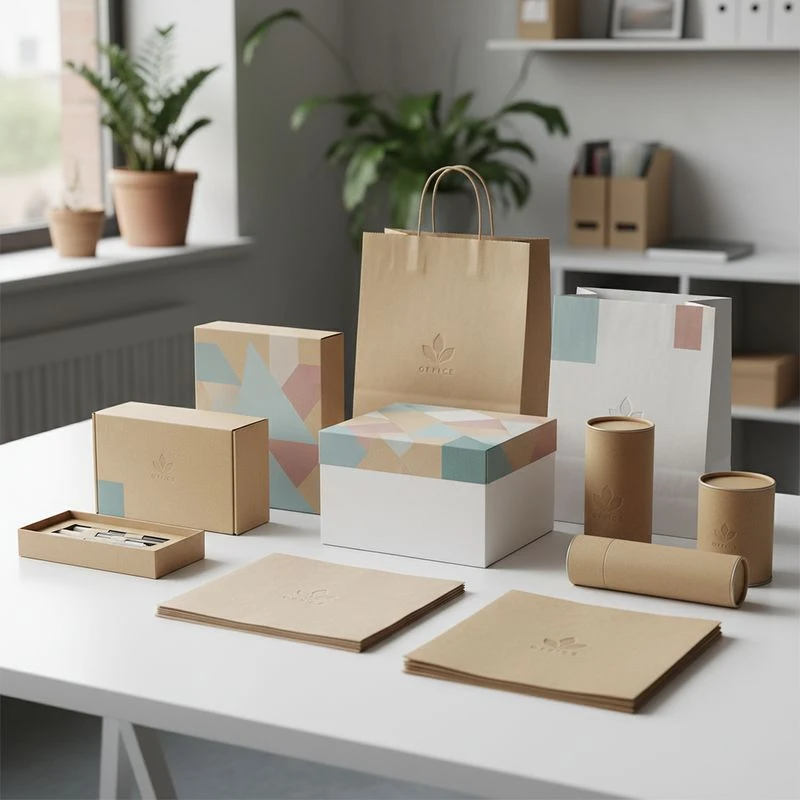
In the dynamic and competitive Australian market, the first impression your office and stationery products make is often defined by their packaging. It’s more than just a protective layer; it’s a silent salesperson, a brand ambassador, and a crucial component of the customer experience. For brands looking to stand out, investing in bespoke solutions through custom packaging for office and stationery brands offers an unparalleled opportunity to communicate quality, values, and unique identity. This comprehensive guide explores how tailored packaging can differentiate your brand, protect your products, and captivate your target audience across Australia.
Stationery Packaging
For stationery brands, packaging transcends mere containment; it becomes an integral part of the product experience itself. The takeaway is clear: custom stationery packaging elevates perceived value and reinforces brand identity long before the product is even used. In the bustling Australian market, where consumers have an abundance of choice, premium, well-designed packaging signals a commitment to quality and attention to detail that mass-produced alternatives simply cannot match. Consider a beautifully designed notebook or a set of high-end pens; their custom packaging should not only protect them but also reflect their inherent elegance and purpose. When the packaging feels luxurious, sturdy, or thoughtfully designed, it subtly communicates to the customer that the item inside is equally special. This reasoning extends beyond aesthetics to the very psychology of purchase: consumers are willing to pay more for products that offer a superior unboxing experience and visually communicate their worth.
To achieve this, actionable steps include selecting materials that align with your brand’s ethos. For instance, an eco-conscious brand might opt for recycled paperboard with a minimalist design, while a luxury brand might choose rigid boxes with soft-touch finishes and embossed logos. The tactile experience of opening the package – the feel of the material, the crispness of the edges, the satisfying way it reveals the product – all contribute to a memorable moment. Practical examples abound: imagine a sleek, matte black box for a premium fountain pen, featuring a magnetic closure and a velvet insert that cradles the pen securely. Or consider a vibrant, whimsical sleeve for a children’s stationery set, using playful illustrations and a robust cardstock that withstands curious hands. These details transform a simple purchase into an engaging interaction. A common pitfall here is underestimating the power of the sensory experience; flimsy materials or generic designs can quickly diminish the perceived value of even the highest quality stationery. The solution lies in a holistic approach to design, ensuring that every element, from the choice of substrate to the printing technique, serves to enhance the brand narrative and product appeal. Furthermore, integrating features like custom die-cut windows can showcase the product directly, inviting visual engagement while maintaining protection, offering a glimpse into the quality that awaits. This thoughtful approach ensures your stationery stands out on the shelf and resonates deeply with the Australian consumer base, fostering loyalty and repeat business.
Beyond the initial purchase, custom stationery packaging also plays a vital role in storage and presentation within the home or office. A well-designed box for a set of art supplies, for example, might be sturdy enough to become a permanent storage solution, subtly keeping your brand visible long after the initial unboxing. This extended lifecycle of the packaging acts as ongoing, passive marketing. Pitfalls can arise from designs that prioritize form over function, leading to packaging that is difficult to open, doesn’t protect the product adequately, or is simply not practical for reuse. The best solutions balance aesthetic appeal with practical utility, ensuring that the packaging serves multiple purposes. For a brand operating in the Australian market, where environmental consciousness is growing, considering the end-of-life of packaging is also crucial. Opting for recyclable, compostable, or reusable materials can significantly enhance brand perception and appeal to environmentally aware consumers. Providing clear instructions on how to recycle or reuse the packaging adds another layer of thoughtfulness. Imagine a seed paper wrap for a gardening journal that can be planted after use, connecting the product’s purpose with sustainable practices. These innovative approaches not only reduce waste but create a compelling story around your brand, making your stationery products more than just tools—they become experiences, artifacts, and statements of conscious consumerism within the vibrant Australian retail landscape.
Box Design
The art of box design for custom packaging for office and stationery brands is a critical endeavor, directly impacting consumer perception and brand recall. The key takeaway is that thoughtful, strategic box design is paramount for creating an indelible first impression and ensuring functional excellence. In the Australian market, where consumers are increasingly discerning, a well-designed box communicates professionalism, attention to detail, and a commitment to quality. It’s not just about aesthetics; it’s about structural integrity, brand messaging, and optimising the unboxing experience. The reasoning behind this importance is multifaceted: a visually appealing box captures attention on a crowded retail shelf, its structural design protects the product during transit and handling, and the overall experience of opening it leaves a lasting emotional impact, influencing future purchasing decisions. Imagine a new set of office organizers; if they arrive in a flimsy, generic box, the excitement of the purchase diminishes. Conversely, a sturdy, elegantly designed box with a clever opening mechanism elevates the entire product from a mere commodity to a premium item.
Actionable steps for effective box design begin with understanding your product and target audience. What is the product’s weight, fragility, and dimensions? Who are you selling to, and what aesthetic resonates with them? Next, choose the right box style: a tuck-end box is economical and versatile for lighter items like greeting cards, while a mailer box offers robust protection for online orders of heavier items like desk accessories, creating a delightful unboxing experience as it unfolds. Rigid boxes, often used for luxury stationery, provide unmatched premium feel and durability. Graphics and branding are vital; ensure your logo, brand colours, and typography are consistently and clearly displayed, adhering to your brand guidelines. Consider incorporating unique finishes such as spot UV, embossing, debossing, or foil stamping to add tactile and visual appeal, making your custom packaging truly stand out. Internal inserts, made from foam, paperboard, or even custom-moulded pulp, can secure products, prevent movement, and add another layer of perceived value. A practical example could be a minimalist box for a high-end journal, featuring a soft-touch finish and an embossed logo, with an internal cardstock insert that perfectly cradles the journal and a branded pen. A potential pitfall is over-designing, which can lead to increased costs and a cluttered appearance that detracts from the brand message. Another is neglecting the practical aspects, resulting in a beautiful box that is difficult to open or doesn’t adequately protect the product. The solution lies in balancing creativity with functionality, leveraging prototyping to test designs for both visual appeal and structural integrity, ensuring that the Australian consumer receives a product that is both aesthetically pleasing and perfectly preserved.
Furthermore, considerations for box design extend to sustainable practices, which are increasingly valued by consumers in the Australia market. Integrating recycled content, designing for easy recyclability, or opting for minimalist designs that use less material are all powerful ways to enhance your brand’s appeal. For example, a stationery brand might design a modular box system that can be reused to store small desk items, adding value beyond the initial product. The unboxing experience itself should be part of the design process. How does the customer interact with the box? Is it intuitive to open? Does it create a sense of anticipation? A “reveal” element, where the product is gradually unveiled, can significantly enhance satisfaction. Imagine a pull-out drawer style box for an exquisite pen set, where opening it feels like discovering a treasure. Another critical aspect is ensuring the box design is optimised for shipping and logistics. Can it be stacked efficiently? Is it durable enough to withstand the rigours of transit without adding excessive weight or bulk? These practical considerations can significantly impact overall costs and customer satisfaction, especially for e-commerce brands. A common pitfall here is creating overly complex designs that are expensive to manufacture and ship, eroding profit margins. The solution involves collaborating closely with packaging manufacturers from the outset, leveraging their expertise in materials and structural design to find the sweet spot between innovation, aesthetics, and cost-effectiveness. This iterative process of design, review, and refinement ensures that your custom packaging for office and stationery brands not only looks exceptional but performs flawlessly throughout its lifecycle, from production to the final customer’s hands.
B2B Printing
Navigating the landscape of B2B printing for custom packaging for office and stationery brands in Australia requires a strategic approach, where the primary takeaway is that partnering with the right printing provider is fundamental to achieving high-quality, cost-effective, and consistent results. For businesses operating in a competitive market like Australia, the quality of your packaging is a direct reflection of your brand’s commitment to excellence. The reasoning behind this importance lies in the complexities of commercial printing: it involves specialised machinery, expert knowledge of materials, colour management, and precise execution to translate a digital design into a tangible, high-quality physical product. A reliable B2B printing partner becomes an extension of your team, ensuring that your brand vision is accurately and beautifully brought to life on every piece of custom packaging, whether it’s for a new line of premium notebooks or a bulk order of branded office supplies for corporate clients. Choosing the wrong partner can lead to inconsistencies in branding, poor print quality, missed deadlines, and ultimately, damaged brand reputation and increased costs due to reprinting.
Actionable steps for selecting a B2B printing partner involve a thorough vetting process. Firstly, assess their experience and specialization in packaging for the stationery and office supply sector. Do they have a portfolio of relevant work? Secondly, inquire about their technology and capabilities, including various printing methods (offset, digital, flexography) and finishing options (lamination, varnishes, embossing, foil stamping). Digital printing offers flexibility for smaller runs and variable data, while offset is ideal for large volumes with consistent colour. Thirdly, sustainability credentials are increasingly vital in the Australian market; look for certifications like FSC (Forest Stewardship Council) or commitments to using recycled materials and eco-friendly inks. Request samples of their work and, crucially, a detailed quote that outlines all costs, including setup, printing, finishing, and shipping. Clearly communicate your specifications, including colour codes (Pantone, CMYK), material types, dimensions, and desired finishes. A practical example would be a brand seeking custom mailer boxes for an e-commerce stationery business; they would need a printer capable of handling corrugated cardboard, high-resolution graphics, and perhaps a custom internal print. A common pitfall is prioritizing the lowest price over quality, which often results in substandard packaging that compromises brand image. Another is a lack of clear communication regarding design files and expectations, leading to errors and delays. The solution involves establishing a robust request for proposal (RFP) process, conducting thorough due diligence, and fostering open lines of communication throughout the project lifecycle to ensure your custom packaging for office and stationery brands meets exacting standards and delights your Australian customers.
Moreover, a strong B2B printing relationship extends beyond the initial order. It encompasses ongoing quality control, efficient reordering processes, and collaborative innovation. A reliable printer will offer consistent colour matching across different print runs, which is crucial for maintaining brand integrity for stationery items that might be purchased repeatedly. They should also provide comprehensive proofing services, including physical prototypes or high-fidelity digital proofs, allowing you to catch any potential issues before mass production. For the Australian market, understanding logistics and distribution capabilities is also important; can they deliver to your warehouses or directly to fulfillment centres efficiently? Pitfalls in this area often include printers who are slow to respond, have inconsistent quality control processes, or are unable to scale production effectively as your business grows. The solution lies in building a long-term partnership with a printer that demonstrates flexibility, reliability, and a proactive approach to problem-solving. Consider a scenario where a popular stationery line needs a quick reprint due to unexpected demand; a strong printing partner can pivot quickly to accommodate urgent orders without compromising quality. Regular performance reviews and feedback sessions can further strengthen the relationship, ensuring continuous improvement and alignment with your evolving business needs. Ultimately, choosing the right B2B printing partner is an investment in your brand’s future, ensuring that every piece of custom packaging for office and stationery brands not only protects your product but also powerfully communicates your brand’s value proposition to the discerning Australian consumer.
| Printing Method | Best For | Key Advantages | Considerations |
|---|---|---|---|
| Digital Printing | Short runs, variable data, prototypes | Quick turnaround, cost-effective for small quantities, high customisation | Higher cost per unit for large volumes, colour consistency can vary slightly |
| Offset Printing | Large volumes, precise colour matching | Excellent colour fidelity, cost-effective for bulk orders, wide material compatibility | Higher setup costs, longer lead times, less flexible for variable data |
| Flexography | High-volume corrugated packaging, labels | Cost-effective for very large runs, fast production speeds, works well on uneven surfaces | Lower image quality compared to offset/digital, not ideal for intricate designs |
This table outlines the primary B2B printing methods commonly used for custom packaging. Understanding the strengths and weaknesses of each allows brands to make informed decisions based on their specific needs, whether it’s for a limited edition stationery set or a mass-market office supply product. Selecting the appropriate printing method ensures optimal quality and efficiency for your Australian market presence.
Display Ready
In the competitive Australian retail environment, custom packaging for office and stationery brands must be more than just protective; it needs to be “display ready,” acting as a dynamic extension of your merchandising strategy. The core takeaway here is that packaging should be designed with the retail shelf or digital storefront in mind, transforming products into compelling visual statements that capture consumer attention and drive sales. For brands looking to thrive in physical retail spaces, effective display-ready packaging reduces the need for additional merchandising efforts and ensures your products stand out amidst a sea of competitors. The reasoning is simple: packaging is often the first, and sometimes only, point of visual contact a potential customer has with your product before purchase. If it doesn’t immediately communicate value, quality, and brand identity, it risks being overlooked. In a crowded office supplies aisle or a curated boutique, packaging that is inherently display-friendly speaks volumes, attracting the eye and inviting closer inspection.
Actionable steps for creating display-ready packaging begin with understanding the typical retail environment for your products. Will your stationery be sold in large supermarkets, independent bookstores, or online? Each context demands different considerations. For retail shelves, design for maximum visual impact: bold branding, clear product information, and an attractive aesthetic that aligns with your target demographic. Consider incorporating features like hang tabs for peg display, window boxes that showcase the product while protecting it, or custom counter display units that house multiple items and encourage impulse purchases. For example, a set of brightly coloured markers might come in a clear, self-standing plastic box that highlights the vibrancy of the colours, making it an instant eye-catcher. Or, a premium pen might be presented in a sleek, minimalist box that implies luxury, designed to be displayed upright on a custom-fitted plinth. A significant pitfall is creating packaging that looks great in isolation but fails to stand out or fit effectively within a retail setting. Packaging that is too large, too small, or lacks clear branding can easily get lost or appear messy on a shelf. The solution involves designing with specific retail planograms in mind, conducting mock-ups in simulated store environments, and collaborating with retailers to understand their display requirements and preferences. This proactive approach ensures your custom packaging for office and stationery brands functions not just as protection, but as a powerful sales tool within the Australian retail landscape, optimising shelf appeal and ultimately boosting sales.
Furthermore, display-ready packaging extends beyond physical stores to the digital realm, especially pertinent in the thriving Australian e-commerce market. For products sold online, your packaging needs to be ‘Instagrammable’ and translate well in product photos and videos. This means strong visual appeal, clear brand elements, and a design that hints at the quality of the product even without physical interaction. Think about the unboxing experience when a customer receives an online order – if the custom packaging itself is beautiful and well-designed, it enhances satisfaction and encourages sharing on social media, acting as free marketing. Moreover, packaging designed for easy merchandising and restocking benefits retailers by reducing labour time. Features like clear product identification on multiple sides, easy-to-open outer cartons for internal display units, or multi-packs designed for quick placement on shelves contribute significantly to retail efficiency. A practical example is a “back-to-school” stationery pack, where the outer custom packaging is a pre-assembled display tray, ready to be placed directly on an end-cap or shelf. Pitfalls include packaging that is difficult for staff to handle or stock, leading to inefficiencies and potential damage. Another is a lack of clear branding or product information visible from various angles, which can confuse both staff and customers. Solutions include designing modular packaging systems, providing clear visual cues for orientation and stacking, and ensuring robust construction that withstands frequent handling. By integrating these display-ready considerations into the design process for custom packaging for office and stationery brands, businesses can create packaging that not only protects but also powerfully promotes, driving engagement and sales across both physical and digital channels in Australia.
| Display Feature | Benefit for Office & Stationery Brands | Best Use Case Example |
|---|---|---|
| Hang Tabs/Peg Holes | Maximizes vertical display space, ideal for small items, increases visibility. | Individual pens, small notepads, erasers for stationery stores. |
| Window Boxes | Showcases product while maintaining protection, builds trust, reduces need for samples. | Colourful pen sets, unique desk accessories, premium journals in boutique stores. |
| Countertop Displays | Promotes impulse buys at checkout, creates a focal point, holds multiple units. | Miniature highlighters, sticky notes, small novelty items in office supply stores. |
| Ready-to-Display Cartons | Reduces stocking time for retailers, presents products neatly, ideal for promotions. | Bulk packs of common office supplies (e.g., pens, staplers) in supermarkets. |
This table illustrates various display-ready features for custom packaging and their specific benefits for office and stationery brands. By thoughtfully integrating these elements into your packaging design, you can significantly enhance your product’s appeal and visibility in diverse retail environments, making them more attractive to the Australian consumer. These features transform packaging from a mere container into an active merchandising tool.
Durability
The durability of custom packaging for office and stationery brands is a non-negotiable aspect, directly impacting product integrity, customer satisfaction, and ultimately, brand reputation. The key takeaway is that robust packaging design and material selection are paramount to ensuring products arrive in perfect condition, particularly across Australia’s vast distances and varied shipping conditions. For brands committed to delivering quality, flimsy or inadequate packaging can quickly undermine a superior product, leading to customer disappointment, costly returns, and negative reviews. The reasoning is clear: office and stationery items, despite often seeming robust, can be susceptible to damage from impacts, moisture, or compression during transit and handling. Delicate items like fountain pens, precise instruments, or even paper products can be easily bent, scratched, or soiled if not properly protected. Investing in durable custom packaging is an investment in your brand’s promise of quality and a commitment to a positive customer experience from the moment of purchase to the product’s arrival.
Actionable steps to ensure packaging durability begin with a thorough understanding of your product’s specific vulnerabilities. Is it fragile, heavy, susceptible to moisture, or easily scratched? This analysis will guide material selection. For lighter, less fragile items like notebooks or standard pens, a sturdy paperboard box with appropriate inserts might suffice. For heavier or more delicate items, such as luxury desk accessories or specialty art supplies, corrugated cardboard with higher fluting (e.g., E-flute for smaller items, C-flute for larger) or even rigid board construction may be necessary. Internal packaging components, such as custom-fit foam inserts, pulp trays, or strategically placed cardboard dividers, play a critical role in preventing movement and absorbing shocks. Consider the journey your product will take: from your warehouse, through a logistics network, and potentially across states in Australia to the customer’s doorstep. Drop tests, vibration tests, and compression tests are standard protocols packaging manufacturers employ to simulate these real-world conditions, providing invaluable data on packaging resilience. A practical example might be a custom-designed mailer box for an online stationery store, constructed from double-wall corrugated board, with a die-cut insert that securely holds a journal and a pen, preventing them from shifting or being damaged during transit. A common pitfall is underestimating the stresses of the shipping process, particularly for e-commerce, leading to products arriving damaged. Another is over-packaging, which increases material waste and shipping costs. The solution lies in a balanced approach, where protection is maximized using the most efficient and sustainable materials possible, ensuring your custom packaging for office and stationery brands provides optimal durability without unnecessary bulk or environmental impact, resonating with environmentally conscious Australian consumers.
Beyond material and structural design, the choice of closures and seals also contributes significantly to durability and product security. Secure tape, strong adhesives, or even tamper-evident seals can protect against accidental openings, moisture ingress, and theft, which are crucial considerations for maintaining product integrity. For products that might encounter varying environmental conditions, such as high humidity during coastal transport in Australia, materials with moisture-resistant coatings or lamination can be a wise investment. Moreover, the reusability or recyclability of durable packaging is an increasing expectation from consumers. Packaging that is durable enough to be reused for storage by the customer adds value and aligns with sustainability goals, turning a functional item into a permanent solution. Imagine a rigid board box for a premium drawing set, designed to be robust enough to serve as a long-term storage case for the art supplies, thereby extending your brand’s presence in the customer’s home. Pitfalls here include using generic tapes that fail under stress or choosing materials that, while strong, are difficult to recycle, potentially undermining your brand’s green credentials. The solution involves working with packaging experts who can recommend the right balance of strength, sustainability, and cost-effectiveness, ensuring that every element contributes to the overall resilience of the custom packaging. Regular review of packaging performance, including customer feedback on product condition upon arrival, is also essential for continuous improvement. By prioritising durability in the design and manufacturing of custom packaging for office and stationery brands, businesses can safeguard their products, enhance customer trust, and build a reputation for reliability in the discerning Australian market, leading to sustained growth and brand loyalty.
| Packaging Material Type | Primary Use for Durability | Key Durability Properties | Best For (Office & Stationery) |
|---|---|---|---|
| Corrugated Cardboard | Shipping boxes, mailers, product protection for heavier items. | High crush resistance, excellent cushioning, stackability. | Heavy desk organisers, bulk stationery packs, e-commerce shipments of multiple items. |
| Rigid Board (Chipboard) | Premium product boxes, luxury packaging. | Exceptional strength and sturdiness, high perceived value, resistance to bending. | High-end fountain pens, luxury journal sets, custom presentation boxes. |
| Paperboard (Folding Carton) | Individual product boxes, sleeves, lighter items. | Moderate protection against minor impacts, good printability, cost-effective. | Individual pens, notepads, greeting card boxes, small office gadgets. |
This table compares different packaging materials based on their durability properties and best uses within the office and stationery sector. Choosing the correct material is fundamental to ensuring your products are adequately protected against the rigours of transit and handling, preserving their quality and your brand’s reputation. This strategic choice is especially important for brands serving customers across the diverse geographical landscape of Australia, where logistics can present unique challenges.
