
Elevating Natural Foods with Sustainable Solutions in the {{globalData.australiamarket}} Market
Food Packaging
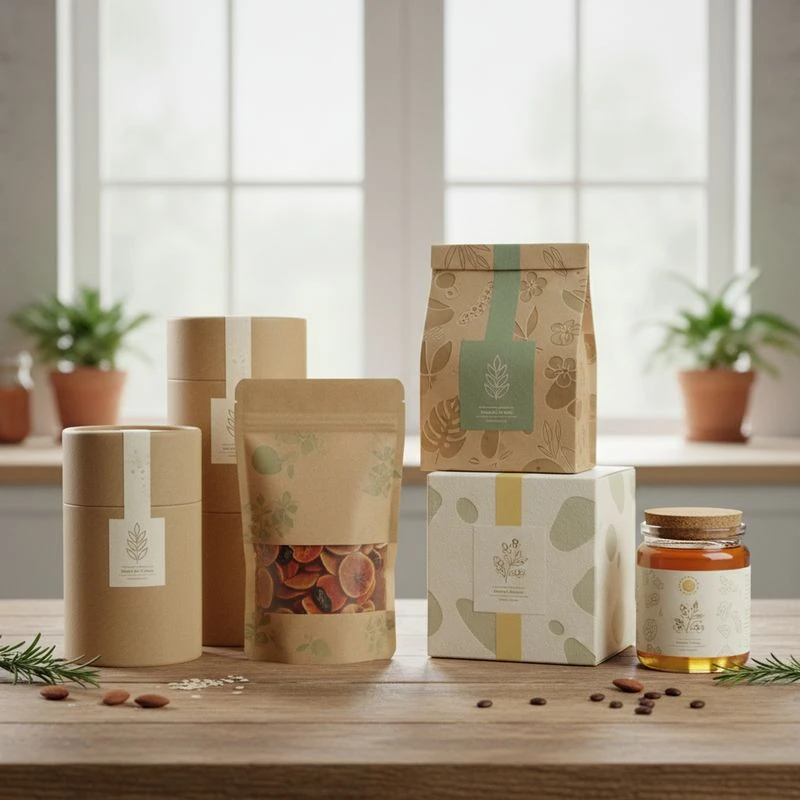
In the dynamic Australian market, the significance of bespoke food packaging for organic and natural products cannot be overstated. It’s not merely about containing a product; it’s about encapsulating a brand’s philosophy, safeguarding product integrity, and communicating directly with a discerning consumer base that prioritizes health and environmental responsibility. For organic and natural food brands, the packaging is an extension of the product itself, reflecting the purity, sustainability, and quality that customers expect. Effective custom packaging for organic and natural foods goes beyond aesthetics; it plays a critical role in preserving the product’s freshness, extending its shelf life without artificial preservatives, and ensuring it reaches the consumer in pristine condition, which is particularly crucial for sensitive organic ingredients.
Australian consumers are increasingly environmentally conscious, and their purchasing decisions are heavily influenced by a brand’s commitment to sustainability. This means that generic, unsustainable packaging can actively deter potential customers, regardless of the quality of the product inside. Custom packaging allows organic brands to tell their unique story, highlight their values, and differentiate themselves in a competitive landscape. From farm-to-shelf, the journey of an organic product is often celebrated for its minimal intervention and natural processes, and the packaging should echo this narrative. It offers an opportunity to convey certifications, source traceability, and the brand’s dedication to eco-friendly practices, building trust and loyalty with consumers who are willing to pay a premium for ethical choices.
The regulatory landscape in Australia also presents unique challenges and opportunities for food packaging. Brands must navigate strict food safety standards while simultaneously meeting growing expectations for environmental responsibility. This is where strategic custom packaging becomes an invaluable asset, allowing brands to comply with all necessary regulations while still innovating with sustainable materials and designs. For example, selecting materials that offer excellent barrier properties against moisture, oxygen, and light is paramount for organic products that often lack the same level of chemical preservatives found in conventional foods. Custom designs can integrate features like re-sealable zippers for convenience, transparent windows to showcase the natural product, or unique shapes that stand out on crowded supermarket shelves. The ultimate takeaway is that investing in thoughtfully designed, custom packaging for organic and natural foods is not an expense, but an essential strategic investment that drives brand value, meets consumer expectations, and ensures product integrity from producer to plate.
Compostable
For organic and natural food brands operating in Australia, embracing compostable packaging represents a profound commitment to environmental stewardship and offers a genuinely sustainable end-of-life solution for their products. Unlike traditional plastics that persist in landfills for centuries, compostable packaging is designed to break down into organic matter, water, and carbon dioxide within a specific timeframe under specific conditions, often enriching the soil in the process. This aligns perfectly with the ethos of organic farming and consumption, where a circular economy and minimal environmental impact are core values. Australian consumers, increasingly aware of the global plastic crisis, are actively seeking out products that offer clear, verifiable sustainable packaging solutions, making compostable options a powerful differentiator and a key driver for purchasing decisions.
Understanding the nuances of compostability is crucial for successful implementation. In Australia, the primary certifications for compostable packaging are AS 4736 for industrial composting and AS 5810 for home composting. It’s imperative for brands to clearly understand and communicate which standard their packaging meets, as the conditions required for breakdown differ significantly. Industrial composting facilities provide the high temperatures and microbial activity needed for many compostable materials, while home composting requires materials that can degrade effectively at ambient temperatures in a backyard heap. Mislabeling or lack of clarity can lead to consumer confusion and incorrect disposal, ultimately undermining the environmental benefits. Brands should work closely with their custom packaging suppliers to ensure materials are genuinely certified and that this information is clearly communicated on the packaging itself, perhaps with the ‘seedling logo’ which is widely recognized in Australia.
Practical applications of compostable custom packaging for organic and natural foods are diverse and growing. Examples include bioplastic films for fresh produce, compostable pouches for nuts, seeds, or dried fruits, and even compostable deli containers for prepared meals. However, implementing compostable packaging also comes with considerations. Shelf-life requirements for certain organic products can sometimes be challenging to meet with current compostable materials, which may have different barrier properties than their conventional counterparts. Brands must conduct rigorous testing to ensure product integrity is maintained throughout the supply chain. Furthermore, the availability of industrial composting infrastructure varies across Australia, posing a potential pitfall if consumers in certain regions lack access to appropriate disposal routes. Companies need to consider these logistical aspects and educate their consumers on proper disposal methods. By carefully selecting certified materials, designing for optimal product protection, and educating consumers, Australian organic brands can leverage compostable custom packaging to significantly enhance their environmental credentials and meet the growing demand for truly green solutions.
| Parameter | Industrial Composting (AS 4736) | Home Composting (AS 5810) | Implication for Organic Food Brands |
|---|---|---|---|
| Biodegradation Rate | >90% within 6 months | >90% within 12 months | Faster breakdown, ideal for high-volume products with accessible industrial facilities. |
| Disintegration Rate | >90% within 12 weeks | >90% within 24 weeks | Visual breakdown into small fragments, important for consumer perception and acceptance. |
| Toxicity | No adverse effects on plant growth (ecotoxicity testing) | No adverse effects on plant growth | Ensures the packaging material enriches soil, aligning with organic principles. |
| Heavy Metal Content | Below specified limits | Below specified limits | Prevents contamination of compost and soil, crucial for organic integrity. |
This table provides a clear differentiation between the two main Australian composting standards, highlighting the specific requirements for biodegradation, disintegration, toxicity, and heavy metal content. For organic food brands, understanding these parameters is critical when selecting custom packaging materials, as it dictates where and how their packaging can be truly composted, directly impacting their environmental claims and consumer trust. Meeting these standards ensures that the packaging contributes positively to a circular economy, without harming the environment or the compost it produces.
Biodegradable
The term “biodegradable” often causes confusion in the sustainable packaging landscape, and for custom packaging for organic and natural foods in the Australian market, a clear understanding is paramount. While all compostable materials are biodegradable, not all biodegradable materials are compostable. Biodegradable simply means that a material can be broken down by microorganisms into simpler substances, but it doesn’t specify the timeframe, conditions (e.g., temperature, moisture), or the final products of that breakdown. Many biodegradable plastics may only degrade under very specific industrial conditions that are not widely available, or they might break down into microplastics rather than benign organic matter, which can be detrimental to the environment. For organic food brands, it’s crucial to be transparent and avoid inadvertently misleading consumers through vague biodegradable claims.
A significant pitfall for brands lies in the use of terms like “oxo-degradable” plastics, which are sometimes marketed as biodegradable. These materials merely fragment into smaller pieces due to oxidation, effectively creating microplastics at an accelerated rate rather than truly biodegrading. The Australian government and environmental bodies have raised concerns about such materials due to their potential environmental harm, and some jurisdictions have even moved to ban them. Therefore, when considering biodegradable options for custom packaging, organic food companies must exercise extreme caution and insist on verifiable certifications and detailed material specifications from their suppliers. It’s about ensuring the environmental claim is robust and genuinely beneficial, rather than just appearing so on the surface.
Despite the complexities, truly biodegradable materials that align with sustainable practices do exist and can play a role in custom packaging for organic and natural foods, particularly when compostable options are not yet viable for specific applications or supply chains. For instance, some plant-based bioplastics (like PHA) exhibit good biodegradability in various natural environments, including soil and marine conditions, though often at a slower rate than certified compostable materials. The key is to demand full transparency regarding the material’s degradation pathway, timeframe, and environmental impact under typical disposal scenarios. Brands should work closely with packaging experts to identify materials that offer genuine environmental benefits without resorting to greenwashing. The actionable step is to always look beyond the simple “biodegradable” label and delve into the specifics: what standards does it meet, what are the conditions for degradation, and what are the ultimate breakdown products? For the Australian market, aiming for certified compostable (AS 4736 or AS 5810) whenever possible is the gold standard, as it provides clear guidelines and consumer confidence, positioning the brand as a true leader in sustainable custom packaging.
B2B Customisation
For organic and natural food businesses in Australia, B2B customisation in packaging is not a luxury but a strategic imperative. It allows brands to tailor their packaging solutions precisely to their unique product requirements, brand identity, and supply chain logistics, distinguishing themselves in a crowded marketplace. Imagine an organic almond producer needing specific barrier properties to prevent rancidity, or a natural skincare brand requiring elegant, sustainable packaging that reflects its premium, artisanal quality. Generic, off-the-shelf solutions simply cannot cater to these nuanced demands, potentially compromising product integrity, brand appeal, and operational efficiency. Customisation ensures that every element, from material choice to structural design and graphic application, serves a specific purpose, directly impacting shelf appeal, product protection, and ultimately, consumer perception.
The process of B2B customisation for custom packaging for organic and natural foods involves a collaborative partnership between the brand and its packaging supplier. It typically begins with a detailed assessment of the product itself: its physical characteristics, shelf-life requirements, sensitivity to light, moisture, and oxygen, as well as its target market and distribution channels. This leads to the selection of appropriate sustainable materials – whether it’s compostable films for fresh produce, recycled content paperboard for dry goods, or bioplastic containers for prepared meals – each chosen for its functional performance and environmental credentials. The design phase then translates brand aesthetics and messaging into a functional and visually appealing package, considering elements like shape, size, closures, and printing techniques to create a cohesive brand experience that resonates with Australian consumers.
One of the core benefits of B2B customisation is the ability to optimise packaging for supply chain efficiency and cost-effectiveness without compromising sustainability. By designing packaging that fits perfectly on pallets, minimizes empty space, and is durable enough to withstand transportation, brands can reduce shipping costs, minimize product damage, and lower their carbon footprint. Furthermore, working directly with a packaging partner allows for scale and negotiation, where larger orders for custom-designed sustainable packaging can often lead to more favourable unit costs compared to piecemeal purchases of standard options. Pitfalls can include lengthy development cycles, unexpected minimum order quantities (MOQs) for specialised materials, or miscommunication regarding design specifications. To mitigate these, organic food brands should establish clear communication channels, engage in thorough prototyping and testing, and choose a packaging partner with a proven track record in sustainable solutions and an understanding of the Australian market’s specific demands. By meticulously planning and executing their custom packaging strategy, businesses can create packaging that truly supports their organic values and enhances their market position.
| Benefit Category | Description | Impact for Organic Brands |
|---|---|---|
| Brand Differentiation | Unique designs, shapes, and printing techniques that stand out. | Stronger brand identity, increased shelf appeal, premium perception. |
| Product Protection | Tailored barriers against moisture, oxygen, light, and physical damage. | Extended shelf life for sensitive organic products, reduced spoilage. |
| Sustainability Alignment | Selection of specific compostable, biodegradable, or recycled materials. | Authentic eco-credentials, meets consumer demand for green packaging. |
| Supply Chain Efficiency | Optimised dimensions for transport, ease of handling and filling. | Reduced logistics costs, lower carbon footprint, smoother operations. |
| Regulatory Compliance | Ensures adherence to Australian food safety and labelling standards. | Avoids penalties, builds consumer trust through clear information. |
This table concisely outlines the multifaceted advantages that B2B custom packaging offers to organic and natural food brands in the Australian market. From enhancing brand visibility to ensuring product integrity and streamlining supply chains, each benefit directly contributes to the success and sustainability goals of these businesses. It emphasizes how strategic customisation is not just about aesthetics but about achieving comprehensive operational and marketing advantages.
Green Materials
The foundation of truly sustainable custom packaging for organic and natural foods in the Australian market lies in the discerning selection of “green materials.” These materials are chosen not just for their functional properties but, more importantly, for their minimal environmental footprint across their entire lifecycle—from sourcing and manufacturing to end-of-life disposal. For brands whose core identity is rooted in natural and organic principles, the commitment to genuinely green packaging materials is non-negotiable, acting as a powerful testament to their values and a crucial factor in building consumer trust. Navigating the myriad of options requires diligence to avoid pitfalls like greenwashing, ensuring that claims of sustainability are backed by verifiable data and certifications.
One of the leading categories of green materials is recycled content, particularly Post-Consumer Recycled (PCR) plastics and recycled paperboard. Utilizing PCR plastics reduces the demand for virgin plastic production, thereby cutting down on energy consumption, greenhouse gas emissions, and waste destined for landfills. For organic food packaging, ensuring the PCR content is food-grade and meets Australian safety standards is paramount. Similarly, paperboard derived from sustainably managed forests (certified by organisations like FSC – Forest Stewardship Council) offers a renewable and widely recyclable option for dry goods, cartons, and labels. Brands can also explore innovative plant-based plastics like Polylactic Acid (PLA), derived from renewable resources such as corn starch or sugarcane, which are often industrially compostable, aligning perfectly with the circular economy aspirations of organic producers. Another emerging material is PHA (polyhydroxyalkanoates), a naturally occurring biopolymer that can be truly biodegradable in various natural environments, offering exciting prospects for challenging applications.
Beyond the primary packaging material, green considerations extend to ancillary components such as inks, adhesives, and coatings. Traditional petroleum-based inks can contain volatile organic compounds (VOCs) and heavy metals, undermining the eco-friendly claims of the packaging itself. Opting for vegetable-based inks (e.g., soy or algae-based) and water-based adhesives significantly reduces the environmental impact and improves the compostability or recyclability of the final package. The actionable step for Australian organic food brands is to engage in a comprehensive lifecycle assessment of their custom packaging. This involves evaluating the environmental impact at every stage, from raw material extraction to manufacturing, transportation, use, and disposal. Working with a packaging supplier that specializes in sustainable solutions and can provide transparent data on material origins, certifications, and end-of-life pathways is crucial. Potential pitfalls include higher initial costs for novel green materials, ensuring consistent supply chain for certified sustainable resources, and the need for ongoing education for consumers on proper disposal. By meticulously vetting materials and committing to a holistic approach to sustainability, brands can ensure their custom packaging for organic and natural foods truly embodies their green promise, resonating deeply with the values of the Australian market.
