
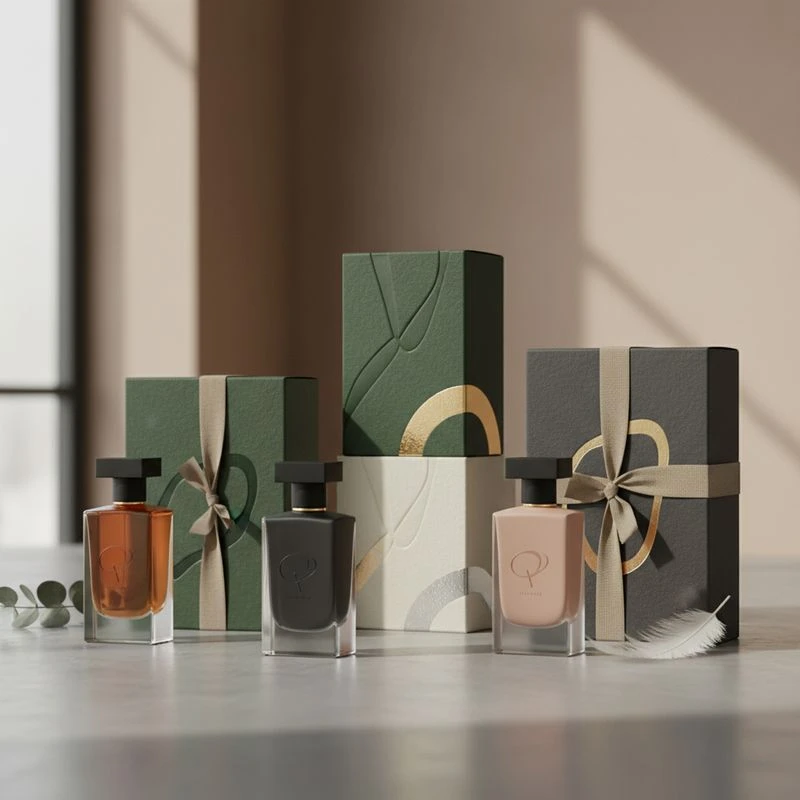
Crafting Unforgettable Experiences in the Luxury Perfume Market
Perfume Packaging
In the dynamic and increasingly sophisticated Australian market, custom packaging for perfume and luxury fragrance brands is no longer merely a protective shell; it is an indispensable component of the product itself, a silent yet powerful ambassador for your brand. The initial encounter an Australian consumer has with your fragrance is not the scent itself, but the packaging that encases it. This initial interaction sets the stage for their perception of quality, luxury, and ultimately, whether they will connect with your brand. Brands that fail to invest in distinctive, high-quality custom packaging risk being overlooked in a crowded retail landscape, blending into the background when their goal should be to command attention and convey exclusivity. The takeaway here is clear: strategic, custom perfume packaging is critical for distinguishing your brand and safeguarding the integrity and perceived value of your exquisite fragrance.
The reasoning behind this imperative lies in several key areas. Firstly, packaging serves as a critical differentiator. With a plethora of fragrances vying for attention on shelves, unique and thoughtfully designed custom packaging provides an immediate visual hook. It communicates your brand’s narrative, values, and aesthetic long before the cap is ever removed. Secondly, it elevates perceived value. Luxury, by definition, is often associated with exclusivity, quality, and meticulous attention to detail. A flimsy, generic box undermines the artistry and expense invested in the fragrance inside. Premium materials, tactile finishes, and robust construction signal to the consumer that they are holding something truly special, justifying a higher price point and fostering a sense of indulgence. Thirdly, and perhaps most practically, packaging provides essential protection. Perfume bottles, often made of delicate glass, require sturdy and well-engineered packaging to prevent damage during transit, storage, and handling. This is particularly important in Australia’s vast distances, where products might travel significant distances from manufacturing to the consumer. Moreover, in a market where sustainability is becoming a growing concern for consumers, the choice of materials and the design’s longevity also play a role in how the packaging is perceived, with eco-conscious Australians increasingly favouring brands that demonstrate environmental responsibility.
To implement effective custom packaging, brands should take several actionable steps. Begin by considering your material choices. High-quality paperboard, often sourced from sustainable forests, provides an excellent canvas for intricate printing and finishing techniques, while also offering robust protection. Glass bottles are standard for perfumes, but their weight, shape, and clarity can vary, influencing the overall feel. Explore innovative inserts made from recycled pulp or biodegradable foam that cradle the bottle securely. Structural integrity is paramount; work with packaging designers who understand the science of protection as well as the art of aesthetics, ensuring the package can withstand the rigors of the supply chain. For the Australian market, specifically consider consumer trends towards minimalist design with pops of luxury, and a strong preference for packaging that is either reusable, recyclable, or made from recycled content. Engage with local regulations regarding packaging waste and labelling to ensure compliance from the outset. One potential pitfall is opting for generic, off-the-shelf packaging to cut costs, which inevitably leads to a diluted brand identity and a perception of lower quality. The solution is to view custom packaging as an investment, not an expense, collaborating with specialists who can translate your brand vision into a tangible, captivating reality. Another common issue is flimsiness, where packaging doesn’t adequately protect the product. This can be remedied by rigorous testing of prototypes and choosing materials with appropriate GSM (grams per square metre) for paperboard or thickness for plastic/glass components.
| Material Type | Key Properties | Luxury Perception | Australian Market Relevance |
|---|---|---|---|
| High-Density Paperboard | Excellent print surface, rigid, versatile for shapes, good protection. Can be recycled. | High (with premium finishes), modern, sustainable. | Strong appeal due to recyclability and customisation potential. |
| Glass (Bottle) | Premium feel, transparent, inert (no chemical interaction), heavy. | Very High, classic, pure. | Standard expectation for luxury; focus on unique shapes and clarity. |
| Recycled PET/RPET | Lightweight, durable, shatter-resistant. Made from recycled plastic. | Moderate to High (improving), modern, eco-conscious. | Growing preference for sustainability, especially for travel sizes or secondary components. |
| Specialty Papers | Unique textures (e.g., uncoated, embossed), rich feel, often made from natural fibres. | Very High, artisanal, sophisticated. | Aligns with demand for tactile experiences and natural aesthetics. |
This table highlights how different material choices contribute not only to the functional aspects of custom perfume packaging but also significantly to its luxury perception and relevance within the Australian market’s evolving consumer values. Understanding these properties allows brands to make informed decisions that align with their identity and target demographic. The shift towards sustainable materials, for instance, reflects a growing consumer demand for eco-friendly products, which brands can effectively communicate through their packaging choices.
Luxury Design
An exquisite design is the beating heart of luxury custom packaging for perfume, transcending mere containment to transform a product into an immersive experience. In the competitive Australian luxury fragrance sector, where consumers are increasingly discerning, the visual and tactile elements of packaging are paramount. It’s not just about looking good; it’s about evoking emotion, telling a story, and creating an indelible impression that resonates with the brand’s sophisticated clientele. The core takeaway here is that investing in truly luxurious design elevates a fragrance from a commodity to an object of desire, an experience that begins long before the first spritz.
The reasoning behind the power of luxury design lies in its profound psychological impact. Humans are inherently drawn to beauty and quality, and in the luxury segment, these expectations are amplified. A meticulously designed package communicates intrinsic value, signaling that the product within is equally exceptional. Consider the sensory appeal: the smooth, cool feel of a matte finish, the subtle gleam of foil stamping, the satisfying weight of the box in hand. These tactile experiences contribute to an overall sense of luxury and exclusivity. Visually, a well-executed design leverages colour psychology, typography, and iconography to convey brand essence. For instance, minimalist designs often project sophistication and modernity, appealing to the contemporary Australian consumer who values understated elegance. Intricate patterns, on the other hand, might evoke heritage and artisanal craftsmanship. This thoughtful interplay of elements is what transforms a simple box into a work of art, enhancing the unboxing ritual and solidifying the brand’s position in the luxury landscape. Furthermore, a strong luxury design ensures shelf impact, allowing your fragrance to stand out against competitors and capture immediate interest.
To craft truly luxurious custom packaging, several actionable steps are crucial. Firstly, embrace minimalist elegance, which often speaks volumes in the luxury world. Focus on clean lines, balanced proportions, and ample negative space that allows key design elements to breathe. Secondly, incorporate premium finishes judiciously. Techniques like embossing or debossing add tactile depth to logos and patterns, while hot foil stamping in gold, silver, or unique holographic foils provides a dazzling visual accent. Spot UV coating can create contrasting textures between matte and gloss, drawing the eye to specific areas. Thirdly, pay meticulous attention to colour. A sophisticated palette, often muted or rich and deep, contributes significantly to a luxury aesthetic. Consider custom-matched Pantone colours to ensure absolute brand consistency across all packaging elements. Fourthly, explore unique structural designs. While standard boxes are functional, innovative structural forms – such as magnetic closure boxes, hinged lids, or unusual geometric shapes – can make your packaging instantly memorable and enhance the unboxing experience. When targeting the Australian demographic, think about designs that reflect the local appreciation for natural beauty, quality craftsmanship, and a relaxed yet refined lifestyle. A common pitfall is over-designing, leading to a cluttered or gaudy appearance that detracts from luxury. The solution is often simplification, focusing on one or two impactful elements rather than many. Another issue can be choosing cheap-looking finishes; always insist on high-quality samples and work with printers known for their superior execution of luxury embellishments.
| Technique | Description | Aesthetic Impact | Tactile Experience |
|---|---|---|---|
| Hot Foil Stamping | Applying metallic or pigmented foil using heat and pressure to create shiny areas. | Glamorous, opulent, attention-grabbing. | Smooth, slightly raised (can be debossed for depth). |
| Embossing/Debossing | Creating raised (emboss) or sunken (deboss) images/text without ink, using dies. | Sophisticated, elegant, adds texture and dimension. | Pronounced, three-dimensional, invites touch. |
| Spot UV Coating | Applying a clear, glossy coating to specific areas, creating contrast with a matte base. | Modern, subtle pop, highlights specific elements. | Smooth, ultra-glossy contrast against matte. |
| Soft Touch Lamination | A special matte film applied over the paperboard, giving a velvety feel. | Understated luxury, sophisticated, inviting. | Velvety, plush, highly tactile and pleasant. |
The table above illustrates various finishing techniques that are instrumental in elevating custom perfume packaging from ordinary to extraordinary, each offering a distinct aesthetic and tactile contribution. By strategically combining these methods, brands can create a multi-sensory experience that reinforces their luxury positioning. The judicious use of these finishes is key to achieving a refined look and feel that resonates with discerning consumers in the Australian luxury fragrance market, ensuring every interaction with the product feels premium.
B2B Printing
Successfully bringing a vision of luxurious custom perfume packaging to life hinges critically on partnering with the right B2B printing specialist. The intricacy of luxury packaging demands a level of precision, quality control, and material expertise that generic printers simply cannot provide. For luxury fragrance brands targeting the Australian market, where consistency and an impeccable finish are non-negotiable, selecting a printer with a proven track record in high-end packaging is not merely a preference but an absolute necessity. The takeaway is unequivocal: establishing a robust relationship with an experienced B2B printer is the cornerstone of achieving the high-quality, consistent custom packaging required to thrive in the luxury sector.
The reasoning for this specialised approach stems from the unique challenges of luxury printing. Firstly, colour matching is paramount. A subtle shift in a brand’s signature colour can undermine its identity, especially across different production batches. Luxury printers possess advanced colour management systems and a deep understanding of ink behavior on various substrates to ensure absolute consistency. Secondly, precision in execution of finishing techniques is vital. The crispness of an embossed logo, the perfect registration of hot foil stamping, or the flawless application of a spot UV coat requires specialised equipment and highly skilled operators. Any misalignment or imperfection can instantly devalue the product. Thirdly, material handling for luxury packaging often involves delicate substrates, unique papers, or complex structural designs that require specific expertise to print and convert without damage. Finally, a B2B printer specializing in luxury understands the expectations of high-end brands, including stringent quality assurance protocols, secure supply chain management, and the ability to handle both small, bespoke runs and larger production volumes with equal diligence. For brands operating in Australia, partnering with local suppliers can also offer benefits like shorter lead times, easier communication, and a better understanding of local market nuances and regulations, making the process more efficient and responsive.
To ensure a successful partnership, fragrance brands should follow several actionable steps when engaging with B2B printers. Begin by thoroughly researching printers that explicitly highlight their experience in luxury packaging and, ideally, custom perfume packaging. Don’t hesitate to ask for extensive portfolios and, crucially, physical samples of their previous work on similar projects. This allows you to evaluate their quality firsthand. During initial consultations, discuss minimum order quantities (MOQs) and lead times, ensuring they align with your brand’s production schedule and inventory needs. Inquire about their quality assurance processes; what checks do they have in place at each stage of production to guarantee consistency and flawlessness? It’s also wise to discuss their sustainable printing options and certifications, which are increasingly important for Australian consumers. Most importantly, provide clear, detailed design specifications, including precise colour codes (Pantone references are essential), material preferences, and detailed structural diagrams. A common pitfall is underestimating the complexity of luxury printing, leading to miscommunications or unmet expectations when working with a generalist printer. The solution involves choosing a specialist who speaks the language of luxury packaging and understands the nuances of high-end finishes. Another issue can be inconsistent quality across different production batches, which can be mitigated by agreeing upon rigorous quality control checkpoints, approving press proofs, and, if feasible, conducting factory visits or having a representative oversee initial production runs. Clear, written contracts outlining all specifications, quality standards, and timelines are also critical.
Gift Appeal
In the vibrant Australian market, where gifting is a deeply ingrained cultural practice for numerous occasions, custom packaging significantly amplifies a perfume’s appeal as a cherished present. Fragrance, by its very nature, is a highly personal and emotive gift, often chosen to convey affection, celebration, or appreciation. However, without thoughtfully designed packaging, even the most exquisite scent can fall flat as a gift item. The core takeaway for luxury fragrance brands is that custom packaging transforms a perfume from a simple product into a memorable unboxing experience, dramatically boosting its desirability and sales during peak gifting periods in Australia and beyond.
The reasoning behind this enhanced gift appeal is multifaceted. Firstly, premium custom packaging elevates the perceived value of the gift. When a recipient receives a beautifully packaged item, it immediately suggests that thought, care, and expense have gone into its selection, enhancing the feeling of being special. The tactile quality, the visual aesthetic, and the satisfying ritual of opening a meticulously crafted box all contribute to this elevated experience. Secondly, perfume is a frequent choice for significant life events and holidays in Australia, such as Christmas, Mother’s Day, Valentine’s Day, birthdays, and anniversaries. During these periods, consumers are actively seeking gifts that not only convey quality but also stand out aesthetically. Custom packaging that is ‘gift-ready’ – perhaps with an elegant ribbon pull, a magnetic closure, or intricate internal fitments – reduces the need for additional wrapping, offering convenience to the busy gift-giver and ensuring a superior presentation. Thirdly, a unique package creates a lasting memory. The ‘unboxing experience’ has become a cultural phenomenon, especially with the rise of social media. A stunning package is not just opened; it is admired, photographed, and shared, extending the emotional resonance of the gift and subtly amplifying brand exposure. For the Australian consumer, who appreciates both quality and convenience, a beautifully packaged perfume becomes an effortless yet impactful gift.
To maximize gift appeal, brands should integrate several actionable features into their custom packaging design. Consider incorporating structural elements that enhance the reveal: magnetic closures that offer a satisfying click, hinged lids that open like a treasure chest, or ribbon pulls that gently unveil the fragrance bottle. Design custom inserts, perhaps made from velvet, satin, or high-density foam, that perfectly cradle the bottle and any accompanying miniatures or accessories, ensuring they are presented elegantly and securely. Think about the overall ‘feel’ of the package – often, a soft-touch laminate or textured paper stock can provide a luxurious tactile experience even before opening. For key gifting periods, such as the festive season or Mother’s Day in Australia, consider offering limited edition packaging. These special designs, perhaps featuring seasonal motifs, unique colour palettes, or exclusive artistic collaborations, create a sense of urgency and collectibility, driving impulse purchases. Provide practical examples: a brand could design a perfume box with a hidden drawer for a personalised message card, or a lid that can be reused as a decorative keepsake box. A common pitfall is creating packaging that is beautiful but difficult to open or lacks robust protection, leading to frustration or damage. The solution is rigorous user testing to ensure ease of access combined with structural integrity. Another pitfall is designing packaging that doesn’t stand out amongst the competition during peak gifting seasons. This can be resolved by researching competitor packaging, identifying unique structural or aesthetic features, and daring to be different while remaining true to your brand’s luxury identity.
Brand Identity
Custom packaging for perfume and luxury fragrance brands serves as a potent, tangible articulation of a brand’s unique identity. In the sophisticated and increasingly discerning Australian market, where consumers are not just buying a scent but investing in a lifestyle, an emotion, and a story, packaging transcends its functional role to become a central pillar of brand communication. It is the physical manifestation of your brand’s ethos, values, and aesthetic, providing a crucial touchpoint that shapes consumer perception and fosters long-term loyalty. The unequivocal takeaway is that custom packaging is an indispensable tool for solidifying and consistently communicating a brand’s distinct identity, allowing it to resonate deeply with its target audience.
The reasoning behind packaging’s pivotal role in brand identity is profound. Firstly, it provides immediate recognition. In a cluttered retail environment, distinctive custom packaging allows a brand to cut through the noise, making it instantly identifiable and memorable. This visual shorthand reinforces brand equity every time a consumer sees the product. Secondly, packaging tells your brand story without uttering a single word. Whether your brand embodies classic elegance, modern minimalism, audacious rebellion, or natural purity, the choice of colours, typography, materials, finishes, and structural design must all align to convey this narrative consistently. For example, a brand focused on sustainability might use recycled materials, minimalist designs, and earthy tones, appealing directly to environmentally conscious Australian consumers. Conversely, a brand celebrating opulence might opt for intricate detailing, metallic foils, and rich, deep hues. Thirdly, consistent custom packaging builds trust and reinforces quality perception. When packaging across an entire product range maintains a cohesive aesthetic and quality standard, it signals professionalism and attention to detail, reassuring consumers of the brand’s commitment to excellence. This consistency is vital for building a robust and reliable brand image in the minds of Australian shoppers.
To effectively leverage custom packaging for brand identity, several actionable steps are essential. Begin by conducting a thorough audit of your brand’s core values, target audience, and unique selling proposition. This foundational understanding will inform every design decision. Ensure that your packaging design rigorously adheres to your brand guidelines, including specific colour palettes (using precise Pantone codes), typography, logo placement, and photographic style. Consistency across all products and marketing materials is non-negotiable. Explore structural forms that are unique to your brand; for example, a distinctive bottle shape or a proprietary box opening mechanism can become an iconic identifier. Consider how textural elements can reinforce your identity – a rough, organic paper might suit a natural, artisanal brand, while a sleek, high-gloss finish aligns with modern luxury. Engage in market research within Australia to understand how your target demographic perceives different design elements and what resonates with them culturally and aesthetically. For instance, subtle references to Australian flora or landscapes, if aligned with your brand, could create a stronger local connection. A common pitfall is inconsistent branding across different products or batches, which dilutes the brand’s message and creates confusion. The solution is strict adherence to brand guidelines, rigorous quality control during printing, and regular design reviews. Another issue can be packaging that fails to evolve with the brand, making it appear dated. This can be remedied by periodic brand refreshes that subtly update packaging while retaining core identity elements, ensuring the brand remains relevant and appealing. Collaborating with experienced brand strategists and packaging designers who understand the luxury market is crucial for translating abstract brand concepts into compelling, tangible packaging.
| Brand Element | Packaging Application | Impact on Consumer Perception |
|---|---|---|
| Logo & Typography | Prominently displayed, often embossed/debossed or foil stamped. Consistent font hierarchy. | Immediate recognition, conveys brand professionalism and tone. |
| Colour Palette | Dominant and accent colours, often custom-matched. Consistent across product lines. | Evokes emotions, establishes brand mood (e.g., sophistication, vibrancy). |
| Materials & Finishes | Choice of paperboard, glass, specialty coatings (soft touch, matte, gloss). | Communicates quality, luxury level, and brand values (e.g., sustainability). |
| Brand Story/Ethos | Subtle design motifs, internal printing, tagline on packaging. | Connects emotionally, creates narrative, builds loyalty. |
| Structural Design | Unique box shapes, opening mechanisms, custom inserts. | Creates memorable unboxing experience, becomes a brand signature. |
This table illustrates how distinct elements of a brand’s identity can be meticulously woven into custom perfume packaging to create a cohesive and impactful representation. Each choice, from the font of the logo to the texture of the box, contributes significantly to how the brand is perceived and understood by the consumer. By strategically integrating these elements, luxury fragrance brands can ensure their custom packaging is not just a container but a powerful extension of their brand’s story and values in the competitive Australian market.
