
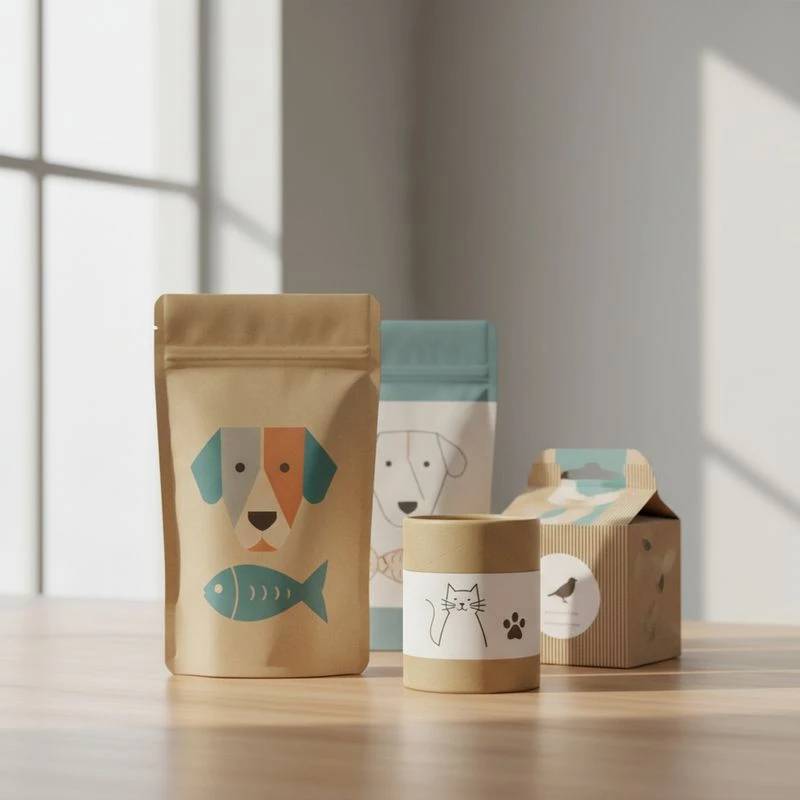
Elevating Animal Product Presentation and Protection Down Under
In the vibrant and competitive landscape of the Australian pet food market, the adage “you eat with your eyes” extends beyond human dining to our beloved animal companions. For businesses looking to capture the attention and loyalty of pet owners, investing in sophisticated Custom Packaging for Pet Food and Animal Products is not merely an option, but a strategic imperative. The right packaging does more than just contain; it communicates your brand’s commitment to quality, freshness, and the well-being of pets, creating an immediate connection with consumers. It acts as a silent salesperson on the shelf, telling your brand story, highlighting key benefits, and ultimately influencing purchasing decisions in a crowded marketplace. Considering the discerning nature of Australian consumers who are increasingly seeking premium, healthy, and ethically sourced products for their pets, generic or ill-fitting packaging can severely undermine even the highest quality product. This comprehensive guide will walk you through the essential aspects of leveraging custom packaging to not only protect your products but also significantly enhance your brand’s presence and appeal in the dynamic Australian pet food industry, ensuring your offerings stand out and resonate with your target audience. We’ll delve into everything from material selection and design principles to supply chain considerations and the paramount importance of durability, equipping you with the knowledge to make informed decisions that drive success for your pet food and animal products.
Pet Food Packaging
Navigating the Australian pet food market successfully hinges significantly on the effectiveness of your product’s packaging. It is the first point of contact for consumers and serves as a powerful differentiator in a highly competitive sector. For pet owners in Australia, the choice of pet food is often deeply personal, reflecting their care and concern for their animals’ health and happiness. Therefore, packaging must not only safeguard the product’s integrity but also visually convey trustworthiness, quality, and often, a touch of personality that aligns with the brand’s ethos. The takeaway here is clear: strategic pet food packaging is indispensable for establishing brand identity and securing consumer confidence in the Australian market. This reasoning is rooted in the fact that pet owners are becoming increasingly informed and selective, scrutinizing labels for nutritional information, ingredient sourcing, and environmental impact. Your packaging must effectively communicate these aspects at a glance, adhering to strict Australian labelling standards while simultaneously standing out visually.
The Australian consumer base appreciates convenience and sustainability, making packaging choices that reflect these values particularly impactful. For instance, a brand offering organic or locally sourced pet food might opt for packaging that uses recyclable materials or features a matte finish to convey a natural, earthy feel. Conversely, a premium gourmet pet treat might utilize a glossy, vibrant design with a resealable zipper to emphasize freshness and indulgence. Practical examples abound: consider a premium dog kibble targeting active breeds. Its packaging might feature robust, multi-layer film to protect against moisture and oxygen, ensuring the food remains fresh and palatable, combined with a strong handle for easy transport and a large clear window showcasing the quality of the kibble itself. Similarly, cat treats requiring strict moisture barriers to maintain crunchiness would benefit from specialised films that extend shelf life, with a design that is both playful and informative.
To implement effective custom packaging for your pet food and animal products in Australia, start by understanding your target demographic and their specific needs. Are they looking for budget-friendly options, or are they willing to pay a premium for specialised diets? This insight will guide your material selection, design aesthetics, and functional features. Next, focus on the practical aspects: does your packaging need to be resealable to maintain freshness? Is it designed for easy pouring or scooping? Does it withstand the rigors of shipping and handling within Australia’s diverse climate zones? A common pitfall is to prioritize cost savings over packaging quality, leading to damaged products, reduced shelf life, and a tarnished brand image. The solution lies in a balanced approach, investing in high-quality materials and design that not only protect your product but also reinforce your brand’s value proposition. Collaborating with experienced packaging suppliers who understand the nuances of the Australian market and its regulatory environment is a crucial step in developing packaging that performs optimally on all fronts, ensuring your pet food reaches its destination safely and appealingly.
Bags and Pouches
For businesses in the Australian pet food and animal products sector, the choice of packaging format is pivotal, and flexible bags and pouches have emerged as the undeniable frontrunners. The clear takeaway here is that these formats offer an unparalleled blend of versatility, cost-effectiveness, and consumer appeal, making them the preferred choice for a vast array of pet consumables. This reasoning is grounded in their inherent ability to adapt to diverse product types – from dry kibble and crunchy treats to semi-moist foods and even some wet formulations – while offering significant advantages over rigid containers. Their lightweight nature contributes to reduced shipping costs and a smaller carbon footprint, a factor increasingly valued by environmentally conscious Australian consumers. Furthermore, their space-saving design, both on the shelf and in consumer pantries, makes them incredibly practical.
There are several types of bags and pouches, each offering unique benefits for specific products. Stand-up pouches, for instance, are highly popular due to their excellent shelf presence and the option for resealable zippers, which are crucial for maintaining the freshness and aroma of pet food. Flat-bottom bags offer superior stability and a robust aesthetic, often used for larger quantities of premium dry food. Quad seal bags, with their reinforced corners, provide exceptional strength and a distinct, premium look often associated with high-end pet nutrition. For smaller treats, simple flat pouches can be highly effective, offering ease of use and portability. Practical examples include a gourmet dog biscuit brand utilizing a matte-finish stand-up pouch with a clear window to showcase their artisanal product, or a large bulk dog food brand opting for a durable, heavy-duty quad seal bag with a robust handle for consumer convenience. Selecting the right bag type means considering your product’s weight, volume, desired shelf life, and how it will be presented to the Australian consumer.
To implement an effective bag or pouch strategy for your Custom Packaging for Pet Food and Animal Products, begin by evaluating your product’s specific requirements. Does it need an oxygen barrier? A moisture barrier? UV protection? This will dictate the material structure of your chosen bag. Next, consider the functional features that will enhance the consumer experience: a strong zipper closure for multi-serve products, a tear-notch for easy opening, or even ergonomic handles for larger bags. A common pitfall is selecting a bag type based solely on cost without considering its protective qualities or ease of use, which can lead to product spoilage or consumer frustration. The solution involves collaborating with packaging experts who can recommend multi-layer films and bag configurations optimised for your product and target market. For instance, a brand selling high-fat pet supplements would need a pouch with superior oxygen barrier properties to prevent rancidity, while a brand selling crunchy treats would prioritize moisture barriers to maintain crispness. The table below illustrates some common bag and pouch types and their applications:
| Pouch/Bag Type | Common Pet Food Application | Key Advantages for Australian Market | Considerations |
|---|---|---|---|
| Stand-Up Pouch (SUP) | Premium treats, small-medium kibble, wet food | Excellent shelf presence, resealable, versatile, good for branding. Appeals to convenience-focused consumers. | May require robust material for heavier contents; sealing quality is crucial. |
| Flat Bottom Bag | Bulk kibble, large bags of treats | Superior stability, large branding area, strong structure for heavy products. Premium feel. | Higher material cost, may require more complex filling equipment. |
| Quad Seal Bag | Premium dry food, specialty diets | Enhanced strength, distinctive shape, good for heavy fills, strong shelf appeal. | More complex manufacturing process, potentially higher unit cost. |
| Lay-Flat Pouch | Single-serve treats, supplements, samples | Cost-effective, compact, good for small volumes and easy storage. | Limited shelf display, not resealable unless specified. |
This table provides a quick reference for pet food businesses considering various flexible packaging options. Each type offers distinct benefits for different product categories and brand positioning within the Australian market. Understanding these characteristics helps in selecting the most appropriate format for your specific pet food or animal product, ensuring optimal protection, presentation, and consumer satisfaction.
Custom Printing
In the vibrant and competitive Australian pet food market, the visual appeal of your product’s packaging is paramount, and high-quality custom printing is the tool that transforms a mere container into a powerful marketing asset. The clear takeaway here is that expertly executed custom printing captures attention, conveys your brand’s unique story, and is instrumental in converting passive browsers into loyal customers. This reasoning is based on the undeniable fact that packaging is often the first, and sometimes only, chance a brand gets to make an impression on a potential buyer. In an aisle filled with competing products, compelling graphics, clear messaging, and an attractive finish can make your Custom Packaging for Pet Food and Animal Products immediately stand out, sparking curiosity and inviting closer inspection. Moreover, custom printing is essential for clearly displaying all necessary regulatory information as mandated by Australian consumer laws, building trust and transparency with pet owners.
Custom printing encompasses various techniques and design elements, each contributing to the overall aesthetic and impact. Flexographic printing is ideal for larger runs, offering cost-effectiveness and excellent colour reproduction for consistent branding across high volumes of packaging. Digital printing, on the other hand, is perfect for smaller batches, seasonal promotions, or designs requiring intricate details and photographic quality, providing flexibility and speed. Beyond the printing method, finishes like matte, gloss, or spot UV can dramatically alter the tactile and visual experience. A matte finish might evoke a sense of natural and organic ingredients, appealing to a segment of the Australian market focused on health and wellness. Conversely, a high-gloss finish could convey premium quality and vibrant energy, suitable for a brand targeting active pets with a playful identity. Practical examples include a new line of hypoallergenic dog food that uses soft, muted colours and a matte finish to communicate gentleness and natural ingredients, or a brand of exotic bird seed that uses vibrant, full-colour photographs of birds in their natural habitat to convey authenticity and quality.
To leverage custom printing effectively for your pet food packaging in Australia, begin by developing a clear brand identity and messaging that resonates with your target audience. This includes your logo, colour palette, typography, and any imagery that tells your brand’s story. Collaborate closely with professional designers who understand both branding principles and the technical limitations and possibilities of packaging printing. Ensure all required information, such as ingredient lists, nutritional panels, feeding guides, and country of origin (critical for Australian consumers), is accurately and legibly incorporated into the design, adhering to local regulations. A common pitfall is underestimating the importance of proofing and colour matching, which can lead to costly reprints or inconsistent brand representation. The solution involves meticulous attention to detail during the design and pre-press stages, utilizing mock-ups and requesting physical proofs to ensure the final product perfectly matches your vision. The table below outlines key considerations for choosing printing technologies:
| Printing Technology | Best For (Run Size) | Key Advantages | Considerations for Pet Food Packaging (Australia) |
|---|---|---|---|
| Flexographic Printing | Medium to Large Runs | Cost-effective for high volumes, consistent colour, wide range of substrates. Excellent for established brands. | Higher initial setup costs (plates), less flexible for frequent design changes. |
| Digital Printing | Small to Medium Runs, Prototypes | No plate costs, quick turnaround, ideal for multiple SKUs/seasonal designs, high-definition graphics. | Higher per-unit cost for large quantities, specific material limitations, colour consistency can vary. |
| Rotogravure Printing | Very Large Runs | Exceptional print quality, long-run consistency, ideal for complex graphics and fine details. | Highest initial setup costs (cylinders), not cost-effective for small or medium runs. |
This comparison highlights the strengths and weaknesses of common printing technologies relevant to Custom Packaging for Pet Food and Animal Products. Businesses should align their choice of printing method with their production volume, design complexity, and budget to achieve the most impactful and cost-efficient packaging for the Australian market. Understanding these nuances ensures that your brand’s visual identity is perfectly translated onto your packaging.
B2B Supply
For any pet food or animal products business operating in the Australian market, establishing a robust and reliable B2B supply chain for custom packaging is not merely a logistical detail, but a foundational pillar for sustained production, market presence, and ultimately, growth. The critical takeaway here is that a well-managed packaging supply chain ensures consistent quality, timely deliveries, and cost-efficiency, all of which are vital for maintaining competitive advantage and meeting consumer demand down under. The reasoning behind this is multifaceted: interruptions in packaging supply can halt production lines, lead to missed deadlines, and compromise product availability on store shelves, directly impacting sales and damaging brand reputation. Furthermore, inconsistent packaging quality can undermine the brand image and potentially lead to product damage, both of which are unacceptable in a market where consumers expect excellence and reliability. In Australia, where geographical distances can be significant, the importance of efficient logistics and reliable local or international partners cannot be overstated.
A strong B2B supply chain involves more than just ordering materials; it encompasses strategic partnerships, rigorous quality control, and proactive inventory management. When sourcing Custom Packaging for Pet Food and Animal Products, businesses must thoroughly vet potential suppliers, assessing not only their pricing but also their track record for reliability, adherence to quality standards (e.g., food-grade materials, regulatory compliance), and their capacity to scale with your business. Transparent communication of specifications, lead times, and quality expectations is paramount. For example, a growing Australian pet food brand might require a supplier capable of handling increasing order volumes while maintaining consistent print quality and material specifications for their unique bag designs. They might look for a supplier who can offer just-in-time inventory solutions to minimize warehousing costs, or one that has a strong understanding of Australian import regulations if sourcing internationally. Another practical step is to develop contingency plans, such as having a secondary approved supplier, to mitigate risks associated with unforeseen disruptions like natural disasters or global supply chain issues, which are always a possibility.
To successfully navigate the B2B supply of custom packaging in Australia, start by clearly defining your packaging needs, including material type, dimensions, printing requirements, and expected order volumes. Engage with multiple suppliers to compare quotes, lead times, and their ability to meet your specific technical and logistical demands. Don’t hesitate to request samples and references. Negotiate clear contracts that outline quality standards, delivery schedules, payment terms, and procedures for addressing discrepancies. A common pitfall is focusing solely on the lowest price, which can often lead to compromises in quality, reliability, or service. The solution is to prioritize value over cost, building long-term relationships with suppliers who demonstrate a commitment to partnership and problem-solving. Consider the benefits of working with local Australian suppliers who can offer shorter lead times, easier communication, and a deeper understanding of the local market’s nuances and regulations. Regularly review supplier performance and foster open communication channels to ensure ongoing alignment and efficiency in your packaging supply chain, thereby securing your product’s journey from production to the pet owner’s home.
Durability
The durability of Custom Packaging for Pet Food and Animal Products is an absolutely critical factor for success in the demanding Australian market. The primary takeaway here is that robust packaging is essential not only for protecting the product from physical damage and environmental threats but also for preserving freshness, extending shelf life, and ultimately building unwavering consumer trust. The reasoning behind this cannot be overstated: pet food products, from dry kibble to wet treats, are susceptible to a range of degrading factors including moisture, oxygen, light, pests, and physical impacts during transit and storage. Compromised packaging can lead to product spoilage, loss of nutritional value, and an unpleasant experience for the pet and owner, all of which can severely damage a brand’s reputation and lead to costly recalls or returns. In Australia’s varied climates, from humid coastal regions to arid interiors, packaging must withstand diverse environmental stressors to maintain product integrity from factory to home.
Effective durability stems from the careful selection of packaging materials and construction. Multi-layer films, often incorporating materials like PET (Polyethylene Terephthalate) for strength, aluminum foil for an excellent barrier against oxygen and moisture, and LLDPE (Linear Low-Density Polyethylene) for strong seals, are commonly employed. These layers work in concert to create a formidable barrier that protects the delicate contents within. For instance, a heavy bag of premium dog kibble requires not only strong material to prevent tears during handling but also a high-barrier film to prevent the oxidation of fats, which can lead to rancidity. Similarly, individual pet treats susceptible to moisture absorption demand packaging with an exceptional moisture vapor transmission rate (MVTR) barrier to maintain crispness and flavor. Practical examples include the robust, gusseted bags used for large volumes of dry pet food, designed to withstand stacking and transportation, or the carefully sealed, metallized pouches used for high-value nutritional supplements for pets, ensuring their potency remains intact over time. The structural integrity of seals, tear-notches, and zippers also plays a crucial role in preventing leaks and maintaining freshness once the product is opened by the consumer.
To ensure optimal durability for your pet food and animal products in Australia, begin by thoroughly understanding the specific vulnerabilities of your product. Does it degrade rapidly in the presence of oxygen? Is it prone to absorbing moisture? Does it contain sharp or heavy components that could puncture packaging? This assessment will guide your material selection process. Work closely with your packaging supplier to choose films with appropriate barrier properties and tensile strength. Conduct rigorous testing of your chosen packaging – including drop tests, burst tests, and shelf-life studies – to simulate real-world conditions during shipping, storage, and consumer use. A common pitfall is underestimating the impact of environmental factors or handling during logistics, leading to packaging failures. The solution involves over-engineering where necessary, selecting slightly stronger materials or thicker films than initially planned, and ensuring quality control throughout the manufacturing process. By prioritizing durability in your Custom Packaging for Pet Food and Animal Products, you not only safeguard your product but also reinforce your brand’s commitment to quality and deliver a consistently positive experience to Australian pet owners, solidifying their trust and loyalty over time.
