
Transforming Shopper Engagement and Brand Presence with Strategic Display and Retail Box Solutions
Display Packaging
In the dynamic and often crowded aisles of Australian retail, a product’s initial presentation is paramount to its success. Effective display packaging doesn’t just hold your product; it’s a powerful, silent salesperson that immediately grabs attention and communicates intrinsic value, often in mere seconds. Many products fail to launch successfully not because of their inherent quality, but because their packaging fails to cut through the visual noise of a bustling shopping environment. Custom display solutions are specifically engineered to make your product stand out, highlighting key features, guiding customer perception, and ultimately driving that crucial impulse purchase. Generic, off-the-shelf packaging options simply get lost in the shuffle; bespoke displays, on the other hand, make an undeniable statement, capturing the gaze of the discerning Australian consumer.
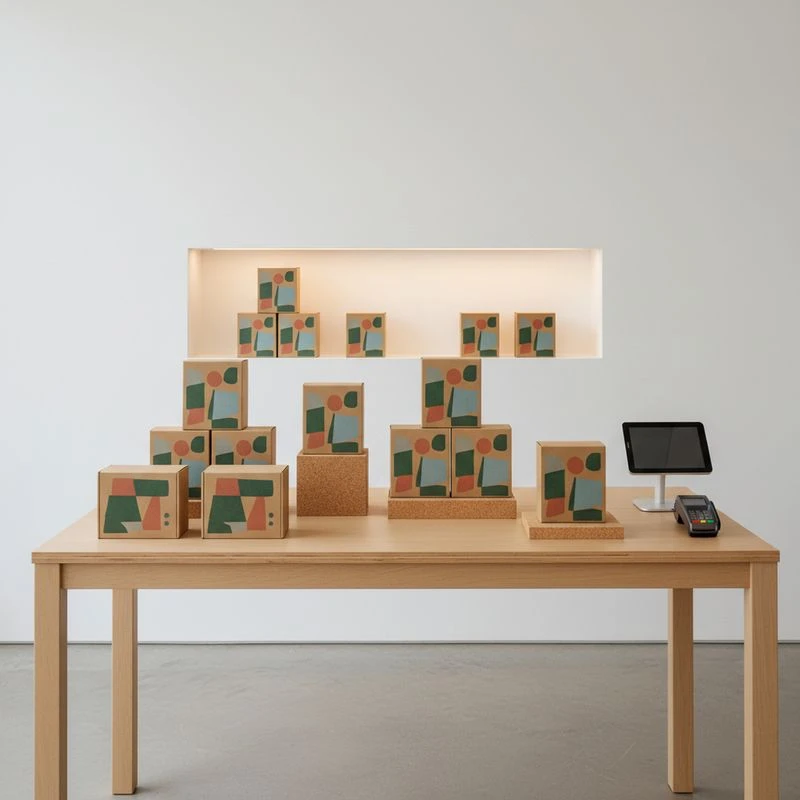
When strategizing your custom display packaging, consider the various forms and their optimal applications within the Australian market. For instance, Free Standing Display Units (FSDUs) are exceptional for announcing new product launches, amplifying seasonal promotions, or showcasing hero products with maximum impact in high-traffic zones such as supermarket entrances or department store main aisles. Countertop displays, positioned strategically near checkouts, are perfectly designed to encourage impulse buys for smaller items like confectionary, personal care essentials, or tech accessories. Gravity-feed displays offer a practical solution for a continuous flow of small, high-turnover items. The design goes beyond mere structure; it encompasses the visual and tactile experience. Think about employing unique structural designs through clever die-cutting, innovative shapes, and impactful graphic design that leverages bold colours, clear messaging, and relatable lifestyle imagery to resonate with your target demographic. Material choices are also crucial, with corrugated cardboard often favoured for its durability, cost-effectiveness, and increasingly, its sustainable credentials, aligning with Australia’s growing eco-consciousness. Collaborating closely with a custom packaging specialist ensures that your display is not only eye-catching but also structurally sound and suitable for its intended retail environment.
However, navigating the world of display packaging isn’t without its potential pitfalls. One common mistake is overcrowding displays with an excess of information or too many product variations, which can overwhelm customers and dilute your core message. The solution lies in strategic simplicity: focus on one compelling message or benefit. Another pitfall is poor assembly or weak structural design, leading to unstable displays that can detract from your brand image and even pose a safety risk. This is where working with experienced B2B printers, who offer prototyping and clear assembly instructions, becomes invaluable. Furthermore, neglecting to consider the physical footprint and typical layout of Australian retail stores can lead to impractical designs that don’t fit or block aisles. To circumvent this, design modular or scalable displays that can adapt to different store formats and promotions, ensuring maximum utility and return on investment for your custom packaging efforts. By proactively addressing these challenges, businesses can transform their retail displays into powerful engines for visibility and sales.
| Type | Primary Use | Visibility Boost | Ideal for Australian Market |
|---|---|---|---|
| FSDU (Free Standing Display Unit) | New product launches, seasonal promotions | Max impact, prime placement | High-traffic zones, supermarkets, department stores |
| Countertop Display | Impulse buys, small items, checkout lanes | Direct customer engagement | Convenience stores, pharmacies, specialty shops |
| Pallet Display | Bulk items, large promotions, warehouse clubs | Volume sales, strong presence | Discount retailers, wholesale clubs |
| Sidekick Display | Complementary products, cross-selling | Maximises existing shelf space | All retail environments, especially aisle ends |
This table illustrates various types of custom packaging display solutions, detailing their primary applications and how they enhance visibility in Australian retail settings. Understanding these options allows brands to choose the most effective display format to showcase their products and attract their target audience, whether for a prominent launch or a subtle cross-selling opportunity.
Retail Boxes
Beyond the fundamental role of protecting a product, custom retail boxes serve as powerful silent salespeople and brand ambassadors, extending your brand’s narrative long after the initial purchase. In the competitive Australian market, where consumers are increasingly discerning, the primary packaging a customer takes home is a critical touchpoint. It not only reinforces brand identity and provides essential product information but also significantly enhances the overall unboxing experience, transforming a simple transaction into a memorable brand interaction. High-quality, thoughtfully designed custom packaging speaks volumes about the quality of the product within and the brand’s attention to detail, fostering loyalty and positive word-of-mouth.
When developing custom retail boxes, there are several strategic considerations that can significantly elevate your product’s appeal. Sustainability, for instance, is no longer a niche preference but a mainstream expectation among Australian consumers. Opting for sustainable materials – such as recycled content, recyclable paperboard, or biodegradable options – not only appeals to eco-conscious buyers but also reflects positively on your brand’s environmental stewardship. For luxury goods or premium products, incorporating exquisite finishes like a soft-touch matte laminate, a gleaming gloss varnish, or elegant spot UV details, alongside embossing or debossing, can create a sophisticated tactile experience that justifies a higher price point. Furthermore, the box itself is an ideal canvas for informative content. This includes clear instructions, nutritional facts for food items, a compelling brand story that resonates with local values, or even QR codes that link to extended content like product videos, recipes, or customer support, providing added value and fostering deeper engagement. For certain product categories, such as pharmaceuticals or household cleaning supplies, incorporating child-resistant features is not just a best practice but a legal requirement, highlighting the importance of functional design.
Designing effective custom packaging also involves anticipating and mitigating potential pitfalls. A common issue is the use of generic sizing or shapes that fail to snugly fit the product, leading to unnecessary void space or a lack of perceived precision. The solution lies in custom die-cuts and internal inserts, which not only secure the product but also enhance the unboxing experience through careful presentation. Another frequent oversight is neglecting the unboxing experience itself. Brands often focus solely on the exterior, forgetting that the moment a customer opens the box is a prime opportunity to delight and impress. Integrating elements like custom-printed tissue paper, internal graphics, or a simple, heartfelt thank-you note can transform this moment into a memorable event. Finally, concerns about high costs for smaller production runs can be a barrier for emerging brands or specialty products. However, exploring advanced digital printing options can offer greater flexibility and cost-efficiency for lower volumes, allowing smaller businesses to still access high-quality, custom packaging without prohibitive upfront investments. By meticulously planning these elements, your custom retail boxes become powerful tools for brand building and customer satisfaction in the Australian market.
B2B Printing
Partnering with a skilled B2B printing specialist is arguably one of the most crucial decisions a business will make when it comes to custom packaging. This collaboration is the bridge that transforms innovative design concepts into high-quality, market-ready custom packaging that can withstand the rigours of the supply chain and shine on Australian retail shelves. A reputable B2B printer offers more than just ink on paper; they bring a wealth of expertise in material science, various print techniques, structural engineering, and logistical management. For Australian businesses, a local partner can provide invaluable insights into market nuances, ensure supply chain efficiencies, and navigate the complex landscape of local regulatory compliance, making them an indispensable ally in your packaging journey.
Choosing the right B2B printing partner involves a meticulous evaluation process. Begin by looking for a printer with demonstrable experience specifically in retail packaging, as this domain has unique requirements compared to other printing needs. Reviewing their portfolio of relevant work and seeking strong customer testimonials will provide confidence in their capabilities. Once a partner is selected, effective collaboration is key. Provide your printer with comprehensive brand guidelines, precise product dimensions, a clear understanding of your target audience, and the desired aesthetic. The more detailed your input, the more accurately they can translate your vision into a tangible product. Crucially, always request physical prototypes or samples. This step allows you to test the fit, functionality, and visual appeal of your custom packaging before committing to mass production, identifying any potential issues early on. Engage in thorough discussions about material selection, exploring options such as corrugated board for strength, various grades of paperboard for different finishes, the percentage of recycled content, and specific specialty finishes that can elevate your product’s perceived value. Lastly, ensure the printer possesses the scalability to handle both your initial smaller production runs and seamlessly accommodate larger orders as your product gains traction in the Australian market, ensuring consistency and efficiency across all volumes.
While the benefits of professional B2B printing are clear, there are common pitfalls to avoid. One significant error is selecting a printer solely based on the lowest price. While cost is a factor, sacrificing quality, reliability, or service for a marginally cheaper print job can lead to inferior custom packaging that ultimately damages your brand perception and sales. It’s essential to balance cost-effectiveness with the assurance of a high-quality outcome. Another pitfall is a lack of clear and consistent communication. Misunderstandings between client and printer can lead to costly errors, delays, and frustration. Establishing clear communication channels, conducting regular check-ins, and using precise terminology can prevent these issues. Furthermore, in the increasingly environmentally conscious Australian market, overlooking a printer’s environmental certifications can be a missed opportunity or even a detriment. Proactively inquire about certifications like FSC (Forest Stewardship Council) or other sustainable printing practices that demonstrate a commitment to environmental responsibility, which can significantly enhance your brand’s appeal to eco-aware consumers. By carefully navigating these aspects, businesses can ensure their custom packaging not only looks exceptional but also aligns with their brand values and market expectations.
Brand Promotion
Custom packaging is far more than just a container; it is a powerful, tangible extension of your brand, meticulously designed to promote recognition and reinforce your core values long after the initial purchase. In the fiercely competitive Australian retail landscape, every piece of packaging that leaves your store or reaches a customer’s home serves as a vital branding opportunity. Consistent brand messaging across all touchpoints, from large display units to the smallest retail boxes, is paramount for building trust, fostering customer loyalty, and creating a cohesive brand experience that resonates deeply with consumers. It transforms a functional item into a memorable brand interaction, making your product instantly identifiable and creating an emotional connection with your audience.
To effectively leverage custom packaging for brand promotion, several strategic actions are essential. Firstly, ensure absolute consistency in your branding. Your logo, brand colours, chosen fonts, and brand voice must be uniformly applied across all custom packaging elements, from the grand retail display units to the individual product boxes. This unwavering consistency builds immediate recognition and reinforces your brand identity. Secondly, harness the power of storytelling. Packaging space offers an invaluable canvas to narrate your brand’s unique story, highlight key product benefits, or convey your mission and values. For instance, an Australian brand might proudly emphasize its commitment to local manufacturing, the ethical sourcing of native ingredients, or its dedication to community initiatives, creating a narrative that resonates deeply with patriotic or socially conscious consumers. Thirdly, consider incorporating interactive elements. QR codes, for example, can link customers directly to your website, social media channels, or exclusive content like how-to guides or customer testimonials, encouraging continued engagement and extending the brand experience beyond the physical product. Moreover, developing limited-edition custom packaging for holidays, local events, or special campaigns can generate excitement, create a sense of urgency, and provide unique collectability that drives repeat purchases. Lastly, design packaging that subtly encourages user-generated content, prompting customers to share their aesthetically pleasing unboxing experiences on social media, thereby amplifying your brand message organically.
Despite its potential, there are pitfalls to avoid when using custom packaging for brand promotion. A significant error is inconsistent branding across different packaging types or product lines. This disjointed approach can confuse customers and dilute your brand’s identity. The solution involves developing comprehensive brand guidelines specifically for all packaging design and production, ensuring every element is aligned. Another common pitfall is overlooking the post-purchase experience; once the product is opened, the packaging is often discarded. However, designing packaging that can be reused, repurposed, or is easily recyclable can extend your brand’s life and reinforce sustainable values. Providing suggestions for repurposing the box, for example, adds value and keeps your brand top-of-mind. Finally, many businesses underestimate the value of packaging as a strategic marketing tool, viewing it merely as an expense rather than an investment. To counter this, allocate a strategic budget to custom packaging design and production. By viewing it as an integral part of your marketing mix, businesses can unlock its full potential to build stronger brand connections and drive sustained growth in the Australian market.
| Feature | Brand Impact | Cost Implication | Australian Consumer Perception |
|---|---|---|---|
| Sustainable Materials | Eco-friendly image, responsible brand | Moderate to High | Highly valued, appeals to conscious consumers |
| Embossing/Debossing | Premium feel, sophistication | Moderate | Luxury perception, quality indicator |
| Spot UV/Varnishes | Visual pop, tactile experience | Moderate | Modern, eye-catching, perceived higher value |
| Custom Inserts | Enhanced unboxing, product protection | Moderate | Thoughtful, attention to detail, premium experience |
| Interactive QR Codes | Digital engagement, extended content | Low (design cost) | Tech-savvy, convenient information access |
This table outlines how specific custom packaging features contribute to brand promotion, along with their associated cost implications and the typical perception among Australian consumers. Investing strategically in these features allows brands to enhance their image and connect more effectively with their target audience, aligning packaging design with broader brand objectives.
Visibility
In the bustling Australian retail environment, where products relentlessly compete for limited shelf space and fleeting customer attention, strategic custom packaging stands as a formidable differentiator. It significantly enhances product visibility on crowded shelves and at the point of sale, directly influencing purchase decisions. The reality is that products have mere milliseconds to capture a shopper’s eye. Packaging that manages to break through the visual clutter, is instantly recognisable, and clearly communicates its purpose is exponentially more likely to be noticed, picked up, and ultimately purchased. This visibility factor is especially critical in high-traffic settings like major supermarkets, local pharmacies, and specialty stores where consumers are presented with an overwhelming array of choices, and standing out is not just an advantage, but a necessity for survival.
To maximise product visibility through custom packaging, deliberate design choices are paramount. Firstly, consider employing distinctive shapes and sizes that break away from conventional rectangular boxes. Unique die-cuts or structural designs can immediately draw the eye; for example, a gourmet tea brand might use a box shaped like a teacup, or a children’s toy might feature a whimsical, irregular outline. These deviations from the norm create an instant visual anchor. Secondly, leverage bold graphics and vibrant colour palettes. High-contrast designs, striking patterns, or colours that pop against those of competitors can make your custom packaging an undeniable focal point. It’s crucial, however, that these colours remain consistent with your brand identity and are tested for their visual impact in real-world retail lighting conditions. Thirdly, establish a clear information hierarchy on your packaging. The product name, its key benefits, and your brand logo should be immediately legible and understandable at a glance. Shoppers should not have to hunt for essential information, ensuring swift comprehension. Fourthly, design packaging with strategic placement cues in mind, ensuring it looks equally appealing and functions well whether hung on a peg hook, neatly arranged on a shelf, or featured in a prominent counter display unit. Finally, for certain products where the item itself is an attraction, incorporating transparent window patches or partial product previews can build trust and allow customers to see the quality and appearance of what they are buying, eliminating guesswork and encouraging selection.
Despite the potential for enhanced visibility, several pitfalls can hinder custom packaging from achieving its full potential. A common mistake is designing packaging that blends in too much with competitors, becoming indistinguishable on a crowded shelf. To overcome this, conduct thorough competitive analysis to identify visual gaps and unique opportunities for your custom packaging to stand out boldly. Another pitfall is creating overly complex designs that, while unique, confuse customers or obscure essential information. The solution here lies in prioritizing clarity and simplicity while still maintaining a distinctive edge. Often, less is more when aiming for immediate shelf impact and consumer comprehension. Lastly, neglecting the impact of varying in-store lighting conditions can severely affect how your custom packaging appears. Colours might look dull, and details might be lost. To mitigate this, consider using finishes like spot UV coatings or metallic inks, which catch and reflect light, creating visual interest and ensuring your product remains noticeable even in less-than-optimal retail environments. By proactively addressing these challenges, businesses can transform their custom packaging into a powerful tool for driving product visibility and, consequently, boosting sales in the bustling Australian market.
