
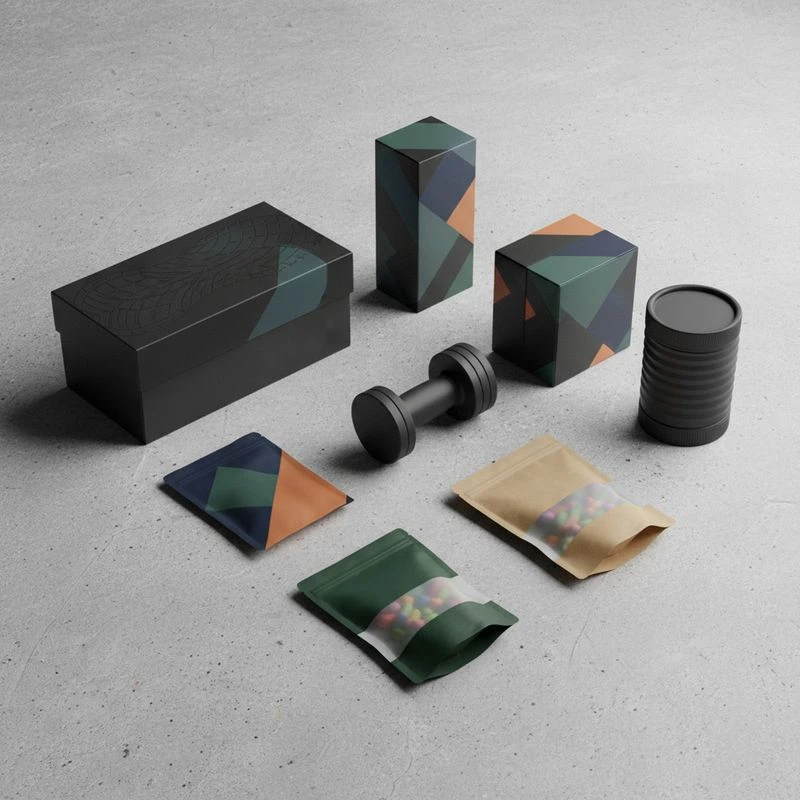
Mastering the Art of First Impressions for the Active Australian Consumer
Sports Packaging
In the vibrant and ever-evolving Australian sports and fitness market, the significance of custom packaging extends far beyond mere containment; it is a critical differentiator and a powerful tool for forging brand recognition and cultivating consumer trust. Australian consumers, known for their discerning tastes and a strong appreciation for quality and authenticity, view packaging not merely as a protective layer but as an integral part of the product experience. It acts as a silent salesperson, working tirelessly to communicate your brand’s core values, highlight product benefits, and meticulously set expectations long before the product itself is even used. For brands operating within the dynamic sports and fitness sector, this means the packaging must inherently convey attributes such as energy, peak performance, and unwavering reliability. Imagine a new protein powder entering the market; its packaging needs to visually scream strength and purity, or a piece of athletic gear that promises peak performance needs a box that feels as premium and well-engineered as the product within. Without this foundational connection, even the highest quality product risks being overlooked in a crowded retail landscape or a busy online marketplace.
To effectively leverage custom packaging in this competitive environment, brands must embark on a strategic journey that begins with a deep understanding of their target audience segments within Australia. This could range from dedicated gym-goers and elite athletes to outdoor adventurers exploring the rugged Australian landscape, or even participants in local team sports. Each segment has unique motivations and preferences, which should directly influence the packaging’s aesthetic and functional design. For instance, packaging for high-tech running shoes might lean towards sleek, minimalist designs with metallic accents, whereas outdoor adventure gear might benefit from rugged, earthy tones and materials that evoke durability and natural connection. A crucial consideration, particularly for the Australian market with its vast geographical spread, is the ‘unboxing experience’ for products purchased online. This moment, when a consumer first interacts with your packaging upon delivery, can significantly enhance brand loyalty and encourage positive word-of-mouth. Brands should also strategically use packaging real estate to highlight key product features through visual cues, such as icons indicating ‘sweat-wicking’ for apparel or ‘BCAA content’ for supplements.
Practical examples of successful custom sports packaging abound. Consider protein powder tubs that are not only visually appealing but also ergonomically designed with easy-grip features, making them user-friendly for post-workout shakes. Activewear brands can utilise boxes that cleverly showcase the fabric texture or provide a sneak peek of the garment through a transparent window, elevating the tactile experience. Resistance band sets, often purchased for home workouts or travel, benefit immensely from compact, recyclable pouches that are convenient to carry and store. A common pitfall for many brands is opting for generic, off-the-shelf packaging, which invariably leads to products getting lost amidst the competition. The solution lies in investing in unique shapes, innovative finishes, and advanced printing techniques that allow your product to truly stand out. Another significant challenge is overlooking specific Australian regulations or consumer preferences, particularly regarding sustainability. Brands must proactively research local consumer values – Australia has a strong environmental consciousness – and adhere to legal requirements for labelling and materials, transforming potential pitfalls into opportunities for demonstrating brand responsibility and earning consumer trust.
Dynamic Design
Capturing the fleeting attention of today’s consumer demands more than just a functional container; it requires packaging that pulsates with energy and effectively communicates the very essence of movement and performance inherent in sports and fitness products. This is where dynamic design truly shines, acting as the visual ambassador for your brand in the bustling Australian market. Australia, a nation celebrated for its vibrant outdoor culture, sun-drenched beaches, and an unwavering commitment to an active lifestyle, naturally responds with enthusiasm to packaging that echoes these values through its energy, health-conscious appeal, and modern aesthetic. A dynamic design transcends mere superficial beauty; it serves as a sophisticated communication tool, articulating the product’s functionality, showcasing its innovative qualities, and most importantly, inspiring consumers to take action. It’s about weaving a compelling story that creates an immediate emotional connection, drawing the consumer in even before they have the chance to open the product. This immediate visual appeal is absolutely paramount, especially when navigating crowded retail aisles or when your product is represented by a thumbnail image in an e-commerce listing – often the very first point of contact for a potential buyer.
To cultivate truly dynamic custom packaging, brands in the Australian sports and fitness sector should implement several strategic design elements. Firstly, a thoughtful application of colour psychology is crucial. Utilise vibrant hues that naturally evoke energy, promote a sense of well-being, or offer a calming presence, depending on the product’s specific benefit. For instance, bright blues and aqua tones work exceptionally well for hydration products, while earthy greens and natural tones resonate strongly with organic supplements. It’s also wise to consider Australian-specific colour preferences or cultural associations, perhaps drawing inspiration from the country’s unique landscapes. Secondly, the choice of typography plays a significant role; fonts should be selected that convey strength, speed, or precision. Modern, bold typefaces often align perfectly with high-performance fitness brands, whereas more fluid or artistic scripts might better suit wellness or yoga-related products. Thirdly, compelling imagery is a non-negotiable component. Incorporate dynamic action shots of athletes, abstract patterns that visually suggest movement, or minimalist graphics that sharply highlight key product features. Crucially, ensure that all imagery resonates deeply with the active Australian lifestyle, depicting scenes like beach runs, bushwalks, or authentic gym environments rather than generic stock photos.
Beyond flat graphics, the structural design of the packaging itself can be a powerful contributor to its dynamic appeal. Brands should actively explore unique forms that not only stand out but also significantly enhance the user experience. This could involve easy-open tabs for quick access post-workout, resealable pouches that maintain freshness for supplements, or clever multi-pack solutions that offer convenience. The physical form of the package, how it feels in the hand, and its ease of use are all part of the dynamic experience. Furthermore, integrating sustainability into the design process can also contribute to a dynamic brand image, particularly for the environmentally conscious Australian consumer. Designs that cleverly incorporate recycled content, utilise minimalist printing techniques, or feature reusable components demonstrate forward-thinking brand values. Examples of successful dynamic design include protein bars clad in tear-away, textured wrappers that mimic the feel and aesthetic of high-performance athletic gear, instantly connecting with the active user. Pre-workout supplements in angular, frosted containers might suggest cutting-edge science and potent ingredients, while yoga mat bags adorned with abstract, flowing patterns can beautifully convey fluidity and tranquility. A common pitfall is overly complex designs that overwhelm or confuse consumers; the solution is to strive for clarity and powerful impact with a clear, singular focal point. Another challenge is designs that fail to translate effectively in digital formats for online stores; testing digital mock-ups early in the design phase can mitigate this. Finally, relying on generic stock imagery is a missed opportunity; investing in high-quality, authentic photography that genuinely reflects the Australian lifestyle will always yield superior results.
| Material Type | Key Benefits | Australian Market Relevance | Sustainability Impact | Best Use Case (Custom Packaging for Sports and Fitness Brands) |
|---|---|---|---|---|
| Recycled PET (rPET) | Lightweight, strong, clear, high barrier properties, shatter-resistant. | High consumer acceptance for recycled content, aligns with circular economy goals. | Reduces virgin plastic use, highly recyclable (curbside in Australia). | Beverage bottles (sports drinks), supplement containers, blister packs. |
| FSC-Certified Paperboard | Printable, customisable, renewable resource, biodegradable. | Strong demand for fibre-based packaging, particularly for dry goods and apparel. | Responsible forestry, often recyclable and compostable. | Protein bar wraps, apparel boxes, supplement cartons, equipment packaging. |
| Compostable Films (PLA/PHA) | Biodegradable, plant-based, can offer good barrier properties. | Growing consumer demand for eco-friendly alternatives, especially for food contact. | Breaks down into natural elements; requires industrial composting facilities. | Protein bar wrappers, sample sachets, snack pouches (short shelf-life items). |
| High-Density Polyethylene (HDPE) | Rigid, durable, excellent moisture barrier, chemical resistance. | Widely accepted and recycled in Australia; common for bulk items. | Recyclable (often #2), extends product shelf life. | Large protein powder tubs, liquid supplement bottles, gym accessory containers. |
| Aluminium | Excellent barrier to light/oxygen/moisture, lightweight, highly recyclable. | Premium perception, aligns with sustainability values, especially for cans. | Infinitely recyclable, low energy to recycle once made. | Pre-mixed drinks, energy gels in tubes, premium supplement packaging. |
This table provides a concise overview of popular material choices for custom packaging in the Australian sports and fitness sector, highlighting their functional and environmental attributes. Understanding these properties is crucial for brands aiming to balance product protection, consumer appeal, and sustainability goals. For instance, while rPET is excellent for clear bottles and meets recycling demands, compostable films cater to a specific niche of eco-conscious consumers for short-shelf-life items.
B2B Branding
The influence of custom packaging extends significantly beyond its role in directly attracting and engaging the end consumer; it transforms into a potent B2B branding instrument, absolutely critical for securing lucrative partnerships and expanding distribution channels within the discerning Australian market. When your brand approaches potential retailers, established gyms, or influential distributors across Australia, your product’s packaging isn’t solely about its appeal to the eventual user; it’s fundamentally about selling your brand’s overarching vision, demonstrating your professionalism, and showcasing its clear market potential to a prospective business partner. High-quality, thoughtfully conceived, and meticulously designed packaging acts as a powerful non-verbal communicator, signaling reliability, an unwavering attention to detail, and a deep-seated commitment to brand consistency – all attributes that are highly esteemed and sought after in enduring B2B relationships. It unequivocally demonstrates that your brand possesses a keen understanding of prevailing market trends and is genuinely serious about ensuring your product’s successful placement and sustained growth within the competitive landscape. For wholesale buyers, critical considerations such as ease of stacking, clear and unambiguous product identification, and the inherent potential for attractive in-store display become paramount decision-making factors.
To effectively leverage custom packaging for B2B branding, brands must adopt a multi-faceted strategic approach. Firstly, the design of wholesale packaging is just as important as retail packaging. Outer cartons and bulk packaging should be robust, clearly labelled with all necessary logistical information, and ideally designed to facilitate effortless shelf placement or prominent display within a retail setting. Brands should mentally walk through the supply chain: how will a pallet of your product appear in a distribution warehouse? How will a multi-pack be presented on an end-cap display in a major Australian supermarket? Secondly, custom packaging offers an unparalleled opportunity for sophisticated brand storytelling. Utilise this canvas to articulate your brand’s unique selling proposition (USP) and core values to potential business partners. This might involve subtly communicating your commitment to Australian sourcing, highlighting specific sustainability initiatives, or showcasing innovative product features through astute design choices and material selections. Thirdly, ensuring absolute compliance and clear information presentation is non-negotiable. All required Australian regulatory information – including ingredients, allergy warnings, nutritional panels, and barcodes – must be clearly, accurately, and professionally presented. This not only reduces friction for retailers and distributors but also signals a high level of professionalism and adherence to stringent market standards.
Furthermore, impeccable presentation during sales pitches and trade shows is vital. Brands should always have high-quality samples of their retail packaging readily available. Going a step further, consider creating bespoke custom presentation boxes or comprehensive kits that elegantly showcase your entire product line. These elevated presentation tools can leave an indelible impression on key buyers and decision-makers. Lastly, designing packaging with an eye towards supply chain efficiency is a strategic move that directly benefits your B2B partners. Packaging that is optimised for efficient transport and storage, perhaps through standardised dimensions or stackable designs, can significantly reduce logistical costs for your partners, making your product a more attractive proposition. Practical examples include a fitness supplement brand that utilises eco-friendly, modular packaging that is inherently easy for distributors to store in warehouses and convenient for gym owners to display prominently. Another could be a sports apparel company presenting new season lines in sleek, branded boxes during critical buyer meetings, conveying a sense of premium quality and attention to detail. Similarly, protein bar multi-packs specifically designed for prominent end-cap displays in supermarkets demonstrate a clear understanding of retail merchandising. A common pitfall is inconsistent branding between retail and wholesale packaging; the solution is to maintain core brand elements across all packaging touchpoints to ensure a cohesive brand identity. Overlooking crucial logistics and storage needs is another pitfall; this can be solved by consulting with logistics partners during the initial design phase to optimise dimensions and enhance overall durability. Finally, a lack of clarity on regulatory information can cause significant headaches; working with packaging experts who possess in-depth knowledge of Australian market requirements is essential to navigate these complexities smoothly.
Durability
In the fiercely competitive and geographically diverse Australian sports and fitness market, the durability of custom packaging is not merely a desirable trait but an absolute imperative. It serves as the steadfast guardian of product integrity, ensuring that items arrive in pristine condition from the manufacturing facility to the consumer’s hands, a journey often complicated by Australia’s vast distances and highly variable environmental conditions. Australian consumers hold high expectations; they anticipate products to reach them in perfect state, whether their purchase was made online and shipped thousands of kilometres across states, or bought directly from the dynamic environment of a bustling retail store. For sports and fitness items, which due to their very nature (e.g., heavy weights, outdoor equipment, liquid supplements) often endure more rigorous handling than other goods, robust packaging is non-negotiable. It provides crucial protection against physical damage from impacts and abrasions, shields against environmental factors like high humidity or extreme heat – conditions frequently encountered in various Australian climates – and critically, maintains the freshness and efficacy of perishable consumables. A product that arrives damaged, or with packaging that has been compromised, severely tarnishes the brand’s reputation, invariably leading to customer returns, an influx of negative reviews, and ultimately, a significant erosion of consumer trust.
To guarantee superior packaging durability, brands must strategically implement several key measures. The initial and most critical step involves astute material selection; choosing materials specifically engineered for inherent strength and resilience. For powdered supplements, this might involve multi-layer films that offer an impenetrable barrier against moisture ingress. For heavier equipment, robust corrugated cardboard with a high burst strength or custom-moulded internal inserts provide essential cushioning and structural support. Delicate glass containers for liquid products will undoubtedly require augmented cushioning and protective wrapping. Secondly, the structural integrity of the packaging must be meticulously designed. This means incorporating strong, reinforced seams, secure and tamper-proof closures, and selecting an appropriate material thickness that can confidently withstand impacts, vibrations experienced during transit, and the considerable pressures of stacking. This aspect is particularly vital for products destined for e-commerce, as packages typically endure numerous touchpoints and varied handling conditions before reaching the customer’s doorstep. Thirdly, environmental protection must be a paramount consideration. Selecting materials and finishes that offer robust resistance to UV light, excessive moisture, and extreme temperatures is crucial, especially for products that may be exposed to Australia’s notoriously harsh conditions during transport or prolonged storage. For instance, UV-resistant inks can prevent unsightly fading, and moisture barrier layers can prevent powdered supplements from caking or clumping.
Incorporating tamper-evident features is another layer of durability that builds immense consumer confidence. Seals, shrink wraps, or unique security closures provide assurance to consumers that the product has remained unopened and uncompromised since its manufacture, a trust-building element that is particularly important for supplements and food items. Finally, rigorous testing and validation protocols are indispensable. Brands should proactively conduct drop tests, vibration tests, and climate chamber tests to accurately simulate real-world conditions their products will encounter. This forward-thinking approach enables the identification and rectification of potential weaknesses or vulnerabilities in the packaging design well before products are released into the market, thereby averting significant costs associated with product returns and irreparable damage to brand reputation. Considering relevant Australian Standards where applicable further reinforces a commitment to quality and safety. Practical examples of durable packaging include protein powder tubs featuring induction-sealed lids and walls constructed from thick, resilient plastic; activewear shipped in tear-resistant, waterproof poly mailers that protect garments from moisture and rough handling; yoga blocks packaged in sturdy, recyclable cardboard boxes with precisely engineered internal supports to prevent movement; and hydration tablets presented in blister packs with robust foil backing, ensuring individual dose integrity. A common pitfall is the temptation to opt for cheaper, less durable materials in an attempt to cut costs, which almost invariably leads to product damage and widespread customer dissatisfaction. The solution lies in viewing packaging durability as a strategic investment in the brand’s long-term reputation and customer loyalty. Another pitfall is neglecting specific product vulnerabilities, such as fragile components; this can be addressed by custom-designing internal fitments or specialised cushioning solutions. Lastly, underestimating the often-challenging Australian shipping conditions is a frequent error; partnering with experienced logistics providers who understand local challenges and conducting thorough shipping trials can effectively mitigate this risk.
| Design Element | Australian Market Focus | Impact on Consumer | Actionable Tip (Custom Packaging for Sports and Fitness Brands) |
|---|---|---|---|
| Colour Palette | Vibrant, energetic hues reflecting outdoor lifestyle; natural tones for wellness. | Evokes emotions, creates brand identity, attracts attention on shelf/online. | Use bright blues/greens for hydration/nature; bold reds/oranges for energy/intensity. Ensure colours appear well online. |
| Typography | Clear, strong, modern fonts; readability crucial for product info. | Communicates brand personality (e.g., performance, sophistication, natural). | Combine bold, athletic display fonts with clean, legible body text for ingredients. |
| Imagery/Graphics | Authentic Australian athletes/landscapes; abstract motion graphics. | Inspires action, conveys product benefit (e.g., speed, strength, calm). | Feature high-quality, diverse imagery; use dynamic lines/patterns to suggest movement. |
| Structural Form | Ergonomic, easy-to-use, distinctive shapes; stackable for retail. | Enhances user experience, stand-out factor, perceived innovation. | Explore unique bottle shapes, resealable pouches, or multi-functional packaging (e.g., container doubles as shaker). |
| Finish/Texture | Matte, soft-touch for premium feel; rugged textures for outdoor gear. | Engages senses, adds perceived value, differentiates brand. | Apply soft-touch laminates for luxury activewear; embossed patterns for tactile interest on protein bar wrappers. |
This table details the essential design parameters that contribute to creating dynamic custom packaging for sports and fitness brands specifically for the Australian market. By focusing on these elements, brands can ensure their packaging effectively communicates their message, captures consumer attention, and ultimately drives purchasing decisions. For example, using appropriate imagery and colour palettes rooted in the Australian lifestyle can forge a stronger, more immediate connection with the target demographic.
Material Innovation
Embracing cutting-edge material innovation in custom packaging offers Australian sports and fitness brands an undeniable and significant competitive advantage, allowing them to perfectly align with evolving consumer values regarding sustainability and high performance. Simultaneously, this strategic adoption opens up entirely new avenues for profound product differentiation. The Australian market is increasingly characterised by its profound eco-consciousness, with consumers actively and deliberately seeking out brands that demonstrably commit to environmental responsibility across their operations. Furthermore, advanced materials frequently offer tangible functional benefits that not only enhance product protection but also elevate the overall user experience and significantly boost shelf appeal. Innovative materials are not merely about being “green” in a superficial sense; they represent intelligent, forward-thinking design. This often translates directly into tangible benefits such as reduced packaging weight, which in turn leads to lower shipping costs and a lighter environmental footprint. They can also contribute to improved product shelf life and impart unique tactile properties that collectively elevate the brand’s perceived quality and premium status. For the sports and fitness sector, this emphasis on material innovation can manifest in packaging that is noticeably lighter for portability, more compact for convenience, or even fully compostable, deeply resonating with an active, outdoor-loving Australian demographic that places immense value on preserving a clean and pristine environment.
To successfully integrate material innovation into custom packaging, brands must pursue several actionable steps. Firstly, a rigorous exploration of sustainable sourcing options is paramount. This includes investigating materials with high recycled content, such as Post-Consumer Recycled (PCR) plastics or recycled paperboard, as well as responsibly sourced virgin materials like FSC-certified paper, or rapidly renewable resources such as bamboo or sugarcane bagasse. It is crucial to transparently communicate these eco-conscious choices directly on the packaging, which serves as a powerful magnet for attracting the growing segment of environmentally aware consumers. Secondly, brands should actively invest in biodegradable or compostable packaging solutions. This involves researching and utilising plant-based polymers like PLA (Polylactic Acid) or PHA (Polyhydroxyalkanoates), or other materials specifically engineered to break down naturally after their useful life. Critically, any claims of compostability must be verifiable and meet relevant Australian composting standards to avoid accusations of greenwashing. Thirdly, a focused effort on ‘lightweighting’ is essential. This involves implementing design strategies and selecting material compositions that reduce the overall weight of the packaging without ever compromising its essential durability. This approach not only contributes to lower transport emissions and reduced shipping costs but also significantly enhances the consumer’s carrying experience, which is especially valuable for larger or frequently purchased items.
Fourthly, the integration of smart packaging features through innovative materials presents exciting possibilities. Brands can explore materials that accommodate embedded QR codes for easy access to recycling instructions, NFC (Near Field Communication) tags for instant product authenticity verification, or even temperature indicators for sensitive supplements. These intelligent additions provide added value, enhance transparency, and foster greater consumer engagement. Finally, experimenting with tactile and sensory materials can profoundly elevate the consumer experience. Brands can differentiate themselves by incorporating finishes that delight the senses, such as soft-touch coatings, sophisticated matte laminations, or intricate textured embossing. These subtle yet impactful details can significantly enhance the perceived quality of the product and create a truly memorable unboxing experience. Practical examples of material innovation include protein bars encased in home-compostable film wrappers, which offer both convenience and ecological responsibility. Resistance bands could be packaged in recyclable kraft paper boxes, featuring minimalist, water-based ink prints to further reduce environmental impact. Supplements can be offered in bottles made from 100% Post-Consumer Recycled (PCR) plastic, showcasing a commitment to circular economy principles. Furthermore, yoga accessories could be sold in reusable, breathable mesh bags crafted from recycled PET, blending functionality with sustainability. A common pitfall for brands is making unsubstantiated environmental claims, often termed “greenwashing”; the solution is unwavering transparency, backing all claims with verifiable certifications. Another challenge can be the potentially higher initial costs associated with innovative materials; however, this can be mitigated by highlighting the long-term benefits, such as enhanced brand loyalty and reduced returns, and by actively seeking government incentives for sustainable practices. Lastly, material limitations, such as shorter shelf lives for some compostable films, pose a practical challenge; the solution lies in carefully evaluating product requirements and anticipated storage conditions to select the most appropriate and effective innovative materials.
| KPI (Key Performance Indicator) | Measurement Metric | Relevance to Custom Packaging for Sports and Fitness Brands | Improvement Strategy |
|---|---|---|---|
| Retailer Acceptance Rate | Percentage of retailers agreeing to stock product after pitch/sample. | High-quality, retail-ready custom packaging demonstrates brand professionalism and market appeal. | Refine packaging design for shelf appeal, ease of display, and clear branding. Ensure compliance with retail guidelines. |
| Shelf Velocity Increase | Growth in units sold per store per week/month post-packaging redesign. | Effective custom packaging attracts consumer attention and encourages purchase at the point of sale. | Optimise visual hierarchy, use compelling call-to-actions, highlight key benefits on packaging. |
| Distributor Feedback Score | Average rating from distributors on packaging attributes (e.g., durability, stackability, clear labelling). | Robust, logistically efficient custom packaging reduces handling issues and streamlines the supply chain. | Engage distributors in packaging design feedback, improve outer carton strength, standardise dimensions. |
| Shipping Damage Rate | Percentage of products damaged during transit to retailers or end-consumers. | Durable custom packaging protects product integrity and reduces costly returns for B2B partners. | Conduct drop tests, select stronger materials (e.g., thicker corrugated), improve internal cushioning. |
| Brand Recall (B2B Partners) | Recognition and positive association with the brand by potential and existing B2B partners. | Consistent, memorable custom packaging reinforces brand identity and professionalism during B2B interactions. | Maintain strong brand elements across all packaging; use premium finishes for B2B samples/presentations. |
This table outlines crucial Key Performance Indicators (KPIs) for evaluating the effectiveness of custom packaging in achieving B2B objectives for sports and fitness brands in Australia. By tracking these metrics, companies can gain actionable insights into how their packaging influences retailer acceptance, sales performance, and supply chain efficiency, allowing for targeted improvements. For instance, a low retailer acceptance rate might signal that the packaging isn’t effectively communicating the product’s market potential or isn’t designed for optimal retail display.
