
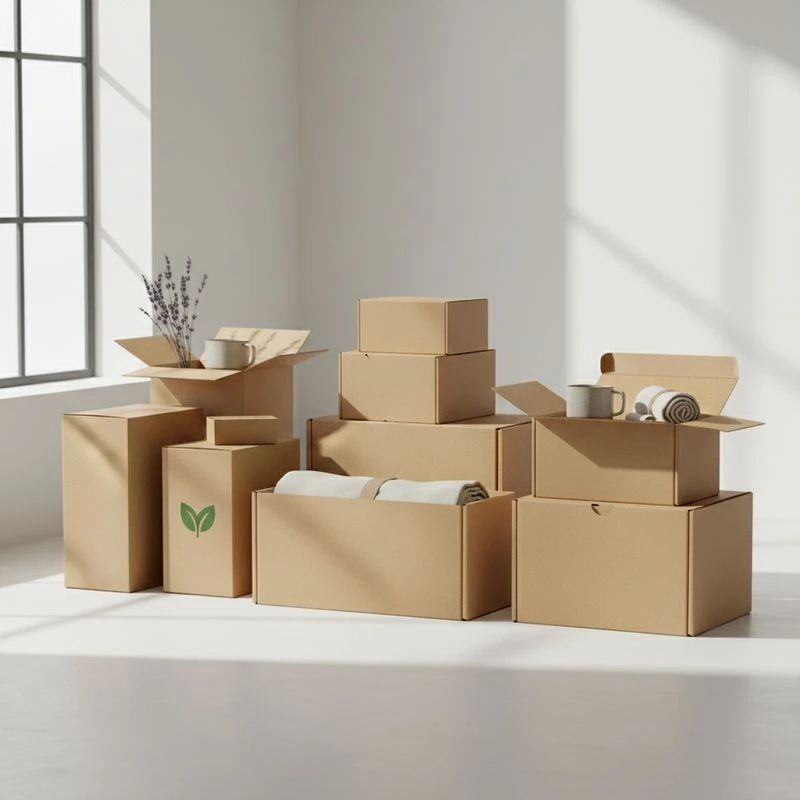
In Australia’s vibrant and competitive subscription box market, standing out isn’t just an aspiration—it’s a necessity. While the quality of your products is paramount, the initial impression your brand makes often hinges on a single, crucial element: your packaging. Custom packaging for subscription box businesses in Australia isn’t merely about aesthetics; it’s a strategic investment that communicates your brand’s essence, protects your valuable goods, and transforms a simple delivery into an eagerly anticipated experience. Businesses that embrace bespoke packaging solutions see enhanced customer loyalty, increased brand recognition, and a significant competitive edge. It’s the silent salesperson that works tirelessly from the moment it leaves your warehouse until it’s enthusiastically unboxed in your customer’s home.
Subscription Packaging
For any subscription box business operating in Australia, the choice of packaging is a foundational decision that impacts everything from shipping logistics to customer perception. Tailored subscription packaging is not merely a container; it’s a carefully designed system that safeguards your products, reflects your brand identity, and contributes significantly to the overall customer experience. Generic, off-the-shelf boxes, while seemingly cost-effective initially, often fail to create the memorable impact necessary to thrive in a market where consumers have abundant choices. They offer no differentiation, communicate little about your brand’s unique value, and can even suggest a lack of care, which can be detrimental to customer retention in a subscription model where continuous engagement is key. Therefore, investing in packaging specifically designed for your Australian subscription box business is a non-negotiable step towards cultivating loyalty and achieving sustainable growth.
When considering custom packaging, the first actionable step is to assess the specific needs of your products. Are you shipping delicate beauty items, gourmet food, durable craft supplies, or a mix of various goods? This dictates the material choice. For instance, corrugated cardboard is robust and versatile, ideal for most items, and readily available in Australia. For a more premium feel, rigid boxes offer superior protection and a luxurious unboxing experience, often justifying their higher cost for high-value subscriptions. Furthermore, consider the environmental impact. Australian consumers are increasingly conscious of sustainability. Opting for recycled content, recyclable materials, or even compostable packaging can significantly enhance your brand’s appeal and resonate deeply with your target audience. You might also explore packaging inserts, such as custom-cut foam, corrugated dividers, or even simple tissue paper, which not only protect items but also add layers to the unboxing experience.
A common pitfall in subscription packaging is overlooking the balance between protection and cost. Over-packaging can lead to excessive shipping fees, especially across Australia’s vast distances, and can also create a negative impression for environmentally conscious customers. Conversely, under-packaging risks product damage, leading to returns, complaints, and a tarnished brand reputation. The solution lies in careful structural design. Work with packaging suppliers who understand the unique challenges of shipping in Australia. They can help you optimise dimensions to fit standard postal services, choose appropriate thicknesses, and design inserts that secure products without unnecessary bulk. Moreover, consider the “packability” of your design – how easy and efficient is it for your team to assemble and fill the boxes? An overly complex design, while visually appealing, can add significant labour costs and slow down your fulfilment process. Streamlined assembly means faster processing and reduced operational overhead, directly impacting your profitability.
Finally, think beyond the initial unboxing to the end-of-life of your packaging. Providing clear instructions on how to recycle or dispose of your packaging components adds value for the customer and reinforces your commitment to sustainability. Many Australian councils have specific recycling guidelines, and making this information accessible can improve the customer experience. For instance, printing a small icon with recycling instructions or directing customers to a page on your website for more details can be incredibly beneficial. This thoughtful approach to the entire lifecycle of your custom packaging demonstrates a holistic understanding of customer needs and environmental responsibility, solidifying your brand’s positive image in the Australian market.
Below is a comparative table of common materials used in Custom Packaging for Subscription Box Businesses in Australia, highlighting their pros and cons:
| Material Type | Pros for Australian Subscription Boxes | Cons | Typical Use Case |
|---|---|---|---|
| Corrugated Cardboard (Kraft/White) | Cost-effective, excellent protection, recyclable, widely available in Australia, customisable via printing. | Can appear less “premium” than rigid, prone to moisture damage if untreated. | Most subscription boxes (food, beauty, books, general merchandise). |
| Rigid Boxes (Chipboard wrapped) | High-end feel, superior protection, re-usable for customer, highly customisable finishes. | Higher cost, heavier, less space-efficient for shipping, not easily recyclable if components are mixed. | Luxury goods, high-value electronics, premium beauty products. |
| Mailer Bags (Compostable/Recyclable) | Lightweight, lower shipping costs, eco-friendly options popular in Australia, good for soft goods. | Less protection for fragile items, less “premium” unboxing, limited structural integrity. | Apparel, soft accessories, flat items that don’t need rigid support. |
This table illustrates that the ideal material for Custom Packaging for Subscription Box Businesses in Australia depends heavily on the product, brand positioning, and budget. While corrugated cardboard offers a versatile and sustainable solution for many, rigid boxes provide a luxurious touch for premium brands. Compostable mailer bags cater to the eco-conscious for suitable products, showing the diverse options available to meet market demands and brand objectives.
Custom Printing
Once you’ve selected the perfect structural foundation for your Custom Packaging for Subscription Box Businesses in Australia, the next critical step is to bring your brand to life through custom printing. This is where a plain box transforms into a vibrant canvas that tells your brand’s story, reinforces its identity, and captivates your audience long before they even open it. Custom printing isn’t just about slapping a logo onto a box; it’s a sophisticated marketing tool that influences perceived value, builds anticipation, and communicates key messages directly to your customer. High-quality, thoughtfully executed printing ensures that every subscription box delivered across Australia acts as a powerful, tactile advertisement for your brand, setting you apart from competitors who rely on generic, unbranded solutions.
The actionable steps for effective custom printing begin with understanding the various techniques available and their suitability for your brand and budget. Digital printing is excellent for intricate designs, variable data printing (like personalised messages), and smaller order quantities, making it flexible for businesses that might have seasonal design changes or limited runs. Lithographic (offset) printing, on the other hand, is ideal for larger volumes and offers superior colour consistency and crispness, perfect for established brands with consistent designs. Flexographic printing is often used for corrugated boxes, providing a cost-effective solution for larger runs with simpler designs. When choosing colours, consider using Pantone Matching System (PMS) colours for your brand’s key identifiers to ensure absolute consistency across all your marketing materials, from your website to your packaging. For less critical elements, CMYK printing offers a broader colour palette at a potentially lower cost. Don’t forget the power of finishes: matte laminations offer a sophisticated, non-reflective look, while gloss laminations make colours pop and add a protective layer. Spot UV, embossing, or foiling can add luxurious tactile and visual accents that elevate the unboxing experience, particularly for premium Australian subscription boxes.
A significant pitfall in custom printing is underestimating the importance of design files and colour accuracy. Sending low-resolution images or designs that don’t match your brand’s style guide can lead to pixelated logos, muddy colours, and an overall unprofessional appearance. This inconsistency can erode trust and confuse your brand’s message. Another common issue is not requesting physical proofs. What looks perfect on a screen can sometimes translate differently onto actual packaging material. Always insist on a physical sample, especially for larger orders, to verify colour accuracy, print quality, and overall aesthetic before committing to a full production run. This helps mitigate costly errors and ensures the final product aligns with your vision. Furthermore, be mindful of the material’s impact on print. Printing on kraft paper, for example, will naturally give colours a muted, earthy tone compared to printing on a white surface, a detail that must be factored into the design process.
To overcome these challenges, collaborate closely with your chosen Australian packaging printer. Provide them with high-resolution vector files for logos and graphics, and a clear brand style guide. Discuss your expectations for colour matching and finishes explicitly. A good printer will guide you through the technical specifications, explaining how different materials and printing processes will affect the final outcome. Consider using your packaging to tell a story or include engaging elements, such as a QR code linking to a welcome video, a Spotify playlist, or a loyalty program. This transforms the printing from mere branding into an interactive engagement tool, enhancing the value of your Custom Packaging for Subscription Box Businesses in Australia. By meticulously planning your custom printing, you ensure that your packaging not only looks exceptional but also performs as a powerful extension of your brand, captivating customers and reinforcing your unique value proposition in the Australian market.
| Printing Technique | Best For | Pros for Custom Packaging for Subscription Box Businesses | Cons |
|---|---|---|---|
| Digital Printing | Low volume, variable data, intricate designs, quick turnaround. | No plate costs, excellent for prototyping and short runs, easy design changes, vibrant colours. | Higher cost per unit for large volumes, some colour limitations compared to offset. |
| Lithographic (Offset) Printing | High volume, precise colour matching (PMS), premium quality. | Exceptional image quality and colour consistency, cost-effective for large orders. | Higher setup costs (plates), not suitable for small runs, longer lead times. |
| Flexographic Printing | Corrugated boxes, larger areas of solid colour, medium to high volume. | Cost-effective for bulk corrugated packaging, durable print, quick drying. | Lower image resolution than digital/offset, best for simpler designs, more difficult for fine details. |
This table offers a clear guide to selecting the right printing technique for your Custom Packaging for Subscription Box Businesses in Australia. Digital printing provides flexibility for smaller, evolving brands, while offset printing is ideal for established brands requiring high-quality, consistent results at scale. Flexographic printing is a practical, cost-effective choice for the structural corrugated boxes that form the backbone of many subscription deliveries across the nation.
B2B Branding
While subscription boxes are ultimately delivered to individual consumers, the strategic development of their Custom Packaging for Subscription Box Businesses is inherently a B2B branding exercise. Your brand isn’t just selling a product; it’s cultivating a relationship with its customer base, and every touchpoint, especially the packaging, serves to define that relationship. In the Australian market, where consumers are increasingly seeking authentic connections with brands, robust B2B branding through packaging ensures that your business stands out, communicates its unique value proposition, and fosters long-term customer loyalty. It’s about building a brand that resonates deeply, attracting not just initial subscribers but also repeat business and positive word-of-mouth referrals, which are crucial for sustainable growth in the subscription economy.
The actionable steps for leveraging custom packaging in your B2B branding strategy begin with a deep dive into your brand’s core values and mission. How can your packaging visually and tactilely convey these? For an eco-conscious Australian brand, this might mean using recycled materials, vegetable-based inks, and a minimalist design that emphasizes sustainability. For a premium wellness box, luxurious finishes, elegant typography, and carefully chosen colours can evoke feelings of exclusivity and self-care. Integrate elements that tell your brand’s story – perhaps a small illustration depicting your brand’s origin, or a brief message inside the lid that outlines your commitment to local Australian suppliers. Consider how your packaging communicates your brand’s personality, whether it’s playful and quirky, sophisticated and minimalist, or robust and adventurous. This consistent storytelling through design helps to build a cohesive brand identity that customers can recognise and trust across all interactions, from your social media presence to the physical unboxing experience.
A significant pitfall in B2B branding through custom packaging is inconsistency. If your packaging design, colours, or messaging deviate from your website, social media, or other marketing materials, it can create confusion and dilute your brand’s impact. Customers might perceive your brand as unprofessional or disorganised, which can be particularly damaging in a market that values transparency and reliability. Another common mistake is failing to consider the long-term impact of your branding choices. Trends come and go, but strong brand identity should endure. Avoid overly trendy designs that might quickly become dated; instead, focus on timeless elements that allow your brand to evolve while retaining its core essence. Additionally, not adequately communicating your brand’s unique selling proposition (USP) on the packaging is a missed opportunity. What makes your subscription box different or better than others in Australia? Ensure this is subtly or explicitly conveyed through the design.
To overcome these challenges, develop a comprehensive brand style guide that covers all aspects of your visual identity, including specific pantone colours, fonts, logo usage, and imagery guidelines for your Custom Packaging for Subscription Box Businesses. Share this guide with your packaging designers and manufacturers to ensure consistency across all production runs. Furthermore, use your packaging as a tool for community building. Include a call to action for customers to share their unboxing experience on social media using a unique hashtag, or feature user-generated content directly on your packaging (with permission). This not only extends your brand’s reach but also validates its appeal through authentic customer voices. Consider how your packaging can also attract potential business partners or influencers; a beautifully branded box speaks volumes about the professionalism and quality of your operation. By treating packaging as a core component of your B2B branding strategy, you ensure that every box delivered in Australia strengthens your brand’s presence, builds trust, and secures its position in the hearts and minds of your loyal subscribers.
| Branding Element | Description in Custom Packaging | Impact on Australian Subscription Box Businesses |
|---|---|---|
| Logo Placement & Size | Prominent and consistent placement on the main face or opening flap. Sized for immediate recognition. | Instant brand recognition, reinforces professionalism, easily identifiable in customer photos. |
| Colour Palette | Consistent use of brand-specific colours (PMS where possible) that align with brand values. | Establishes brand identity, evokes specific emotions, strengthens memory recall. |
| Typography | Use of brand-approved fonts for all text, ensuring readability and consistency with other brand assets. | Conveys brand personality (e.g., elegant, playful, robust), maintains a cohesive visual identity. |
| Messaging & Storytelling | Short, compelling text, mission statements, or small illustrations that convey brand values or origin. | Builds emotional connection, differentiates the brand, fosters customer loyalty and engagement. |
| Sustainability Cues | Explicit indicators of recyclable materials, eco-friendly inks, or compostability. | Resonates with environmentally conscious Australian consumers, enhances brand reputation, demonstrates corporate responsibility. |
This table highlights how specific branding elements within Custom Packaging for Subscription Box Businesses contribute significantly to building a strong brand identity in Australia. From logo visibility to the subtle cues of sustainability, each component plays a vital role in shaping customer perception and fostering lasting brand loyalty.
Unboxing Experience
In the world of subscription boxes, the actual moment of opening the package—the unboxing experience—is arguably as important as the products inside. This isn’t just a delivery; it’s a meticulously crafted theatrical moment that transforms a transactional purchase into a memorable, shareable event. For Custom Packaging for Subscription Box Businesses in Australia, optimising the unboxing experience is a pivotal opportunity to delight customers, reinforce brand loyalty, and encourage organic social media sharing, which acts as invaluable free marketing. A thoughtfully designed unboxing experience can elevate your brand from merely providing a service to delivering joy, anticipation, and a genuine connection, making customers eagerly await their next delivery.
To create an unforgettable unboxing experience, begin by designing layers of discovery. Think of your packaging as an onion, with each layer revealing more of your brand’s story and the exciting contents within. This could start with a branded outer box, perhaps sealed with a custom sticker, hinting at the delights inside. Upon opening, customers might first encounter tissue paper printed with your logo, or a custom-designed insert card with a personalised message or a list of contents. The way products are arranged within the box is also crucial; neatly placed items, perhaps nestled in crinkle paper or custom-fit inserts, convey care and attention to detail. Consider adding small, delightful touches such: a branded sticker set, a small thank-you note from the founder, or a sample of a complementary product. These small gestures significantly enhance the perceived value and create a sense of personal connection. For Australian businesses, ensuring the packaging is robust enough to withstand the journey, yet easy and intuitive to open, is paramount to avoiding frustration and ensuring a positive first impression.
A common pitfall is to create an unboxing experience that is either too complicated or entirely underwhelming. Packaging that is difficult to open, overly secured, or requires special tools can frustrate customers, diminishing their excitement. Conversely, a bland, uninspired unboxing that reveals contents without any sense of ceremony misses a golden opportunity to engage and impress. Another pitfall is ignoring the sensory aspects. Does your box have a pleasant aroma, perhaps from an included scent sachet, or is it merely the smell of cardboard? While not always feasible for all products, appealing to multiple senses can deepen the experience. Furthermore, neglecting the social sharing aspect is a missed opportunity. In the age of Instagram and TikTok, a visually appealing unboxing encourages customers to share their experience online, generating authentic peer-to-peer marketing for your Australian subscription box business.
To overcome these challenges, conduct internal “unboxing tests” with your team to identify any points of friction or areas for improvement. Better yet, solicit feedback from early subscribers to gain real-world insights into their experience. Ensure that your Custom Packaging for Subscription Box Businesses in Australia is not only aesthetically pleasing but also highly functional. This means using durable materials that protect products from damage during transit, particularly important given Australia’s diverse climate and extensive shipping routes. Clearly indicate where customers can find you online for social media sharing, perhaps with a printed hashtag or QR code on an insert card. Encourage them to share their joy. By focusing on creating a seamless, delightful, and shareable unboxing experience, you transform a monthly delivery into a recurring moment of anticipation and pleasure, solidifying your brand’s place in the competitive Australian subscription market and building a loyal community around your products.
Design
The design of your Custom Packaging for Subscription Box Businesses in Australia is far more than just surface aesthetics; it is a meticulous blend of art, engineering, and psychology that profoundly impacts your brand’s success. Strategic packaging design is the cornerstone that balances visual appeal, functional utility, and cost-effectiveness, ensuring that your subscription box not only looks exceptional but also performs flawlessly from the moment it leaves your facility until it reaches your customer’s hands. In the discerning Australian market, where design-conscious consumers appreciate both beauty and practicality, a well-executed packaging design can be the ultimate differentiator, setting your brand apart and elevating the entire customer journey.
The actionable steps for effective design begin with a comprehensive design brief. This document should clearly outline your brand identity, target audience, product specifications, budget constraints, and sustainability goals. With this foundation, you can move into concept development, exploring various structural designs that best protect your products while creating an engaging unboxing experience. Consider the ergonomics of the box: how easy is it to hold, open, and reseal (if applicable)? This is also where you revisit material selection, not just for protection but also for its design implications. For example, the natural texture of kraft paper influences graphic design choices, lending itself well to minimalist or rustic aesthetics, while a smooth white surface offers a blank canvas for vibrant, intricate prints. Structural design should prioritise efficiency in packing and shipping, aiming for a design that minimises void fill and optimises space, directly impacting freight costs within Australia. Graphic design then layers on the visual elements—your logo, colours, typography, imagery, and any narrative elements—all meticulously crafted to convey your brand’s message and appeal to your target demographic.
A common pitfall in packaging design is prioritising aesthetics over functionality or vice versa. A stunning box that fails to protect its contents will lead to customer dissatisfaction and returns, undermining any visual appeal. Conversely, a highly functional but bland design misses the opportunity to engage customers and reinforce your brand. Another pitfall is neglecting the manufacturing and assembly processes during the design phase. An overly complex design, while beautiful in concept, can be prohibitively expensive to produce or require excessive manual labour for assembly, significantly increasing operational costs. Designers sometimes create concepts that are challenging to print accurately on the chosen material, leading to compromises in final quality. Furthermore, not considering the end-of-life of the packaging in the design process is a missed opportunity, especially given the strong emphasis on sustainability in the Australian market. Designs that make recycling difficult (e.g., mixed materials that are hard to separate) can reflect poorly on a brand.
To overcome these challenges, adopt an iterative design process that involves continuous feedback loops between your brand, designers, and packaging manufacturers. Start with sketches and mood boards, move to 3D renders, and crucially, create physical prototypes. Prototyping allows you to test the structural integrity, ease of assembly, and overall aesthetic before committing to mass production. Collaborate closely with your chosen Australian packaging manufacturer; they can provide invaluable insights into material capabilities, printing limitations, and cost-saving opportunities. For example, they might suggest minor adjustments to dimensions that allow for more efficient use of material or better fit on shipping pallets. Ensure your design incorporates sustainability from the outset, perhaps by opting for single-material construction for easier recycling, or designing for reusability. By integrating thoughtful design principles across all stages, from conceptualisation to production, your Custom Packaging for Subscription Box Businesses in Australia will not only captivate your customers but also operate efficiently and responsibly, becoming a powerful asset for your brand’s growth and longevity.
