
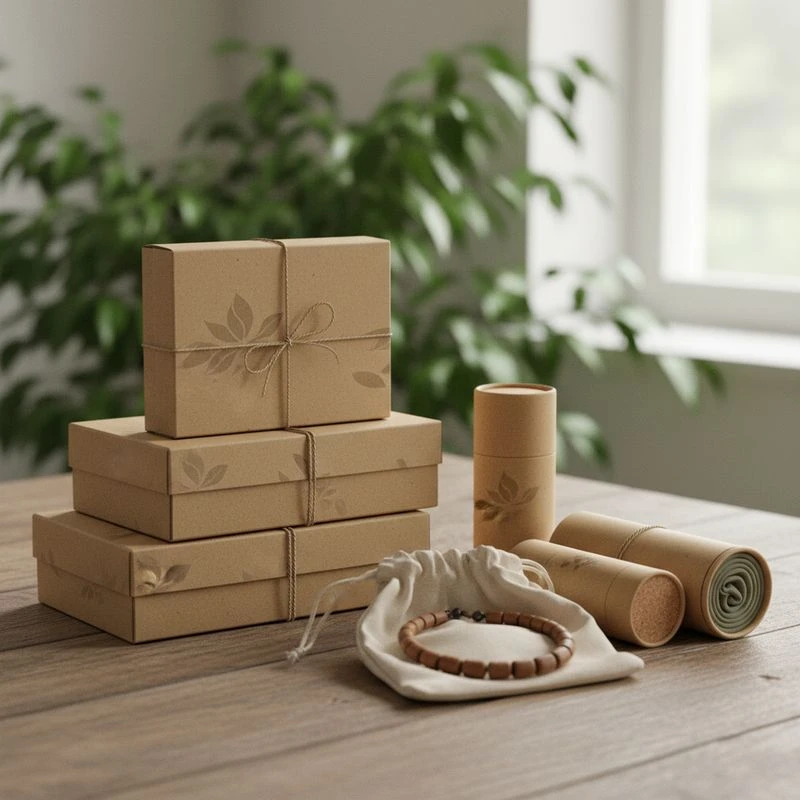
Elevating Brand Identity and Environmental Responsibility in the {{globalData.australiamarket}} Market
In today’s dynamic Australian market, where consumers are increasingly prioritizing ethical sourcing and environmental responsibility, the role of packaging has transcended mere product protection. For fashion accessories, custom sustainable packaging is no longer a niche preference but a fundamental expectation, acting as a powerful extension of a brand’s commitment to the planet. It’s the first physical interaction a customer has with your brand, a tangible touchpoint that communicates values, quality, and care before the product itself is even revealed. For Australian fashion accessory brands looking to thrive and differentiate, embracing eco-friendly packaging solutions offers a strategic advantage, fostering deeper customer loyalty and opening doors to new, conscious consumer segments. This commitment resonates particularly strongly in Australia, a nation deeply connected to its unique natural environment, where environmental stewardship is a shared value. By thoughtfully designing packaging that is both beautiful and biodegradable, brands can significantly reduce their ecological footprint, mitigate waste, and contribute to a circular economy, all while reinforcing a positive and memorable brand image. The journey towards truly sustainable packaging involves careful consideration of materials, design, functionality, and end-of-life solutions, ensuring every element aligns with the overarching goal of environmental responsibility without compromising on aesthetics or protection for delicate fashion items. This proactive approach not only satisfies the growing demand for sustainable products but also positions brands as leaders in an evolving industry, setting new benchmarks for environmental performance and consumer engagement within the competitive Australian retail landscape.
Fashion Accessories Packaging
The packaging for fashion accessories, ranging from delicate jewellery to stylish handbags and scarves, plays a pivotal role beyond simply safeguarding the product; it’s an integral part of the unboxing experience and a direct reflection of your brand’s essence. For businesses operating in the Australian market, where discerning consumers value both aesthetics and ethics, the design of Custom Packaging for Sustainable Fashion Accessories must be meticulously considered. The initial takeaway is clear: exceptional packaging elevates the perceived value of your accessories while simultaneously demonstrating your commitment to environmental stewardship. Think about the delicate nature of a handcrafted necklace or the luxurious feel of a silk scarf; their packaging needs to convey this premium quality through robust yet elegant materials. If a piece arrives damaged due to inadequate packaging, the customer experience is immediately tarnished, irrespective of the product’s quality. Therefore, protective elements are non-negotiable, but they must be integrated within a sustainable framework. This means moving away from single-use plastics and excessive void fill, towards innovative solutions that are gentle on both the product and the planet.
Understanding this reasoning, brands must consider a multi-faceted approach to their packaging design. First, material selection is paramount. Opt for materials that offer inherent protective qualities without compromising on sustainability credentials. For example, sturdy corrugated cardboard, often made from recycled content, provides excellent shock absorption for items like watches or delicate brooches. For smaller items or those requiring a softer touch, organic cotton pouches or recycled paperboard boxes can offer a beautiful and protective solution. Second, the structural design needs to be optimised for the specific accessory. A custom insert made from recycled pulp or biodegradable foam can cradle a piece of jewellery, preventing movement and scratches during transit. For scarves or ties, a rigid, beautifully printed box can prevent creasing and present the item elegantly. Third, the unboxing experience is a critical touchpoint for building brand loyalty. In Australia, consumers appreciate thoughtful details. Imagine a customer opening a beautifully designed box made from FSC-certified paper, revealing a scarf nestled in acid-free tissue paper, perhaps tied with a natural twine. This creates a moment of delight, reinforcing the brand’s identity and values. Actionable steps include collaborating with packaging designers who specialize in sustainable materials and custom solutions. Provide them with detailed specifications of your accessories, including dimensions, weight, and fragility, to ensure the packaging offers optimal protection. Explore options like modular designs that can accommodate various accessory types with minimal adjustments, reducing complexity and waste in your supply chain. It’s also crucial to consider the post-consumer journey of the packaging, ensuring it is easily recyclable or compostable in Australian waste streams. Neglecting these aspects can lead to issues such as damaged goods, increased shipping costs due to inefficient packing, or a negative brand perception from environmentally conscious customers. By proactively addressing these elements, your fashion accessory packaging becomes a powerful asset, protecting your product, delighting your customers, and championing your brand’s sustainable ethos.
Recyclable
The imperative for fully recyclable or compostable packaging materials is arguably the most critical aspect of Custom Packaging for Sustainable Fashion Accessories, especially when targeting the environmentally aware Australian market. The core takeaway here is non-negotiable: your packaging must be designed for its end-of-life, facilitating its re-entry into the circular economy rather than becoming landfill waste. This commitment directly addresses the growing global waste crisis and resonates deeply with Australian consumers who are increasingly seeking brands that offer tangible solutions to environmental challenges. The reasoning behind this push is multifaceted. Firstly, it aligns with a genuine commitment to environmental stewardship, reducing the demand for virgin resources and minimizing pollution. Secondly, it meets rapidly evolving consumer expectations; a significant portion of Australian shoppers actively seek out products with eco-friendly packaging and are willing to switch brands to support those with stronger sustainability credentials. Thirdly, evolving regulations and corporate social responsibility frameworks are placing greater emphasis on producer responsibility for packaging waste. Brands that proactively adopt recyclable solutions are not only future-proofing their operations but also building a reputation as responsible corporate citizens.
To achieve this, actionable steps must be taken in material selection and clear consumer communication. Start by prioritizing materials that are widely accepted in Australian kerbside recycling programmes. This primarily includes paper and cardboard, which are excellent for packaging fashion accessories. Look for options made from high percentages of post-consumer recycled (PCR) content and certified by organisations like the Forest Stewardship Council (FSC), ensuring responsible forestry practices. For inner wraps or protective elements, consider acid-free tissue paper, biodegradable cornstarch peanuts, or even innovative mushroom-based packaging that composts naturally. Avoid mixed materials where possible, as these can complicate recycling processes. For example, a cardboard box with a plastic window might be problematic; a better alternative would be a fully paperboard box or one with a plant-based cellophane window. A common pitfall is “greenwashing,” where packaging claims to be recyclable without genuinely being so, or without providing clear instructions for consumers. To counter this, transparency is key. Clearly label your packaging with recycling instructions that are easy to understand and specific to the Australian context. Use widely recognized symbols, like the Australasian Recycling Label (ARL), which guides consumers on how to dispose of packaging correctly, reducing confusion and improving recycling rates. Partnering with certified sustainable packaging suppliers is crucial; they can provide expert guidance on materials that meet both your aesthetic requirements and sustainability goals. It’s also wise to research the specific recycling capabilities of different Australian states and territories, as there can be variations. For instance, while most councils accept paper and cardboard, the acceptance of bioplastics can vary widely. By selecting readily recyclable or compostable materials and providing clear, actionable disposal advice, your brand effectively closes the loop, showcasing a holistic commitment to sustainability that genuinely impacts the Australian environment.
| Material Type | Key Advantages for Accessories | Recyclability/Compostability (Australia) | Potential Drawbacks |
|---|---|---|---|
| FSC-Certified Paper/Cardboard | Versatile, printable, rigid protection, premium feel. Excellent for boxes, inserts, hang tags for Custom Packaging for Sustainable Fashion Accessories. | Widely recyclable in kerbside bins across Australia. High demand for recycled content. | Susceptible to moisture damage unless treated with eco-friendly coatings. Heavier than some plastics. |
| Recycled PET (rPET) Plastic | Lightweight, transparent (for product visibility), durable, can be moulded. Good for clear windows or protective blisters (less ideal for primary packaging). | Recyclable in many kerbside bins (check local council guidelines, especially for clear plastics). | Perception issues (still plastic), recycling infrastructure for specific plastic types varies, limited biodegradability. |
| Organic Cotton/Linen Pouches | Soft, reusable, luxurious feel, ideal for delicate items like jewellery, scarves. Can be used as secondary packaging. | Compostable (if 100% natural fiber without synthetic blends) or reusable by consumer. | Less structural protection, higher cost per unit, requires careful sourcing to ensure organic certification. |
| Plant-Based Bioplastics (PLA, PHA) | Transparent, similar properties to conventional plastics, biodegradable/compostable under specific conditions. | Industrial composting facilities are required; not widely accepted in kerbside recycling/compost bins in Australia. Can contaminate plastic recycling streams if incorrectly sorted. | Confusion for consumers, limited access to appropriate disposal facilities, higher cost. |
This table provides a snapshot of common sustainable packaging materials, outlining their suitability for fashion accessories and their typical end-of-life pathways within the Australian context. Brands must carefully weigh the advantages and disadvantages, considering factors like product protection, brand aesthetic, and the consumer’s ability to properly dispose of the packaging. The ultimate goal is to select materials that align with brand values and are genuinely manageable within Australia’s waste management infrastructure, avoiding materials that might lead to confusion or incorrect disposal by end-users.
B2B Design
When developing Custom Packaging for Sustainable Fashion Accessories, the design process must strategically balance the dual demands of Business-to-Business (B2B) logistics and Business-to-Consumer (B2C) appeal. The core takeaway here is that efficient and protective B2B packaging is not just about cost savings; it’s a foundational element for ensuring your products reach their retail destinations in pristine condition, ready to impress the end customer. In the Australian market, where vast distances can be involved in shipping from warehouses to boutique stores, robust and intelligently designed B2B packaging directly impacts brand reputation, operational efficiency, and ultimately, profitability. The reasoning behind this dual focus is clear: if your beautifully designed B2C packaging arrives at a retailer damaged, or if your bulk shipments are inefficient, it creates friction in the supply chain, increases waste, and can lead to dissatisfaction for your retail partners. Retailers expect ease of handling, clear identification, and products that are perfectly presented upon arrival. Therefore, your packaging system needs to perform seamlessly through the entire distribution chain, from your manufacturing facility to the store shelf.
Actionable steps for effective B2B packaging design include prioritizing modularity and robustness. Consider designing outer cartons that are perfectly sized to hold a specific quantity of your individual product packages, minimizing empty space and reducing the need for excessive void fill. This not only optimises shipping costs but also minimizes the environmental impact associated with transporting air. Using durable, multi-layered corrugated cardboard made from recycled content for outer shipping boxes provides excellent protection against bumps and abrasions during transit across Australia’s varied logistics networks. Incorporate internal protective elements such that they are also sustainable, such as recycled pulp trays or honeycomb inserts that can withstand the rigors of shipping while cradling individual accessory boxes. Clear and concise labelling on B2B cartons is also crucial. This includes product codes, quantities, and handling instructions, making it easy for warehouse staff and retailers to identify, store, and unpack shipments efficiently. For instance, clearly marked “Fragile” or “This Way Up” labels, ideally printed with eco-friendly inks, can prevent mishandling. A common pitfall for brands is either over-packaging for B2B, leading to unnecessary material waste and increased costs, or under-packaging, which results in damaged goods and frustrated retail partners. The solution lies in striking a balance. Conduct transit testing to simulate real-world shipping conditions, ensuring your packaging can withstand impacts, vibrations, and compression. Collaborate closely with your retail partners to understand their specific receiving and merchandising needs; perhaps they prefer certain box dimensions for easier shelf stocking, or require specific barcoding formats. Implementing a standardized packaging system for various accessory lines can streamline your inventory management and reduce complexity. By taking these steps, your B2B packaging becomes an invisible yet essential asset, safeguarding your products, optimising your supply chain, and reinforcing your brand’s professional and sustainable image from warehouse to consumer in the Australian market.
Brand Aesthetic
The brand aesthetic of Custom Packaging for Sustainable Fashion Accessories is paramount; it’s the silent storyteller that communicates your brand’s unique identity, values, and quality before the product is even seen. The core takeaway is that sustainable packaging should not be a compromise on design; rather, it should be an opportunity to elevate your brand’s visual and tactile presence, creating a memorable and cohesive experience that resonates with Australian consumers. In a competitive market, where visual appeal often drives initial purchase decisions and unboxing videos generate buzz, your packaging’s aesthetic plays a critical role in distinguishing your brand. The reasoning behind this emphasis is simple: premium fashion accessories demand packaging that reflects their inherent value. A flimsy, poorly designed package, even if sustainable, can detract from the perceived quality of a high-end scarf or piece of jewellery. Conversely, thoughtfully designed eco-friendly packaging can significantly enhance the unboxing experience, turning a routine delivery into a moment of luxury and discovery. It’s about creating an emotional connection, fostering loyalty, and ensuring that every element, from texture to typography, aligns with your brand’s narrative.
To achieve a captivating brand aesthetic within a sustainable framework, several actionable steps are essential. Begin by establishing a clear visual identity that encompasses your brand’s colour palette, typography, and logo usage. This identity should then be consistently applied across all packaging elements. For instance, if your brand exudes minimalist elegance, opt for clean lines, understated colours, and natural textures in your packaging materials. Materials like uncoated recycled paperboard or organic cotton pouches naturally lend themselves to a sophisticated, tactile feel that often aligns with sustainable values. Consider unique finishes that enhance the sensory experience without compromising recyclability, such as debossing or embossing your logo instead of using heavy inks, which adds a subtle, luxurious touch. The unboxing journey itself can be meticulously planned to reinforce the aesthetic. Imagine custom tissue paper printed with a subtle pattern using soy-based inks, a beautifully designed hang tag made from seed paper that customers can plant, or a small, branded thank-you card crafted from recycled content. These thoughtful details contribute to a holistic brand experience. A common pitfall is sacrificing aesthetic appeal for the sake of sustainability, resulting in packaging that looks generic or uninspiring. The solution lies in creative material innovation and expert design. Work with designers who understand how to achieve premium looks with eco-friendly materials. They can guide you on sustainable laminations, coatings, or printing techniques that maintain durability and visual impact while adhering to your environmental goals. For example, using a muted, earthy colour palette derived from natural dyes can evoke a sense of authenticity and connection to nature, perfectly aligning with a sustainable fashion brand. By integrating your brand’s aesthetic seamlessly with your commitment to sustainability, your packaging transforms from a mere container into a powerful marketing tool that communicates quality, care, and conscious luxury to every Australian customer.
| Element | Sustainable Approach | Impact on Brand Perception |
|---|---|---|
| Colour Palette | Natural dyes, limited colour use, earthy tones, water-based inks. Focus on brand-specific muted or vibrant tones derived from eco-friendly sources for Custom Packaging for Sustainable Fashion Accessories. | Conveys authenticity, environmental consciousness, sophistication. Avoids chemical-heavy aesthetics. |
| Texture & Finish | Uncoated recycled paperboard, organic cotton, debossing/embossing, natural fibers, matte finishes. | Adds a tactile, premium, and artisanal feel. Reinforces natural and honest brand values. |
| Typography & Logo | Clean, legible fonts. Embossed, debossed, or minimally printed logos using eco-friendly inks. | Communicates clarity, professionalism, and understated elegance. Avoids heavy ink coverage. |
| Inner Packaging | Acid-free tissue paper, shredded recycled paper, organic cotton bags, natural twine. | Enhances unboxing experience, offers extra protection, demonstrates attention to detail and care for the product and planet. |
| Storytelling Elements | Small cards with brand story (recycled paper), QR codes linking to sustainability efforts, seed paper inserts. | Engages customers, educates about brand values, builds community, creates a memorable and interactive experience. |
This table highlights how each design element can be approached sustainably while reinforcing a strong brand aesthetic. The key is to make conscious choices that align with your brand’s core values, ensuring every aspect of the packaging contributes to a cohesive and appealing story. Thoughtful execution in these areas not only makes your packaging beautiful but also deeply meaningful to eco-conscious consumers in Australia, fostering a stronger connection with your brand. The interplay between sustainable materials and sophisticated design is crucial for elevating the perceived value of fashion accessories and reinforcing a premium brand image.
Printing
The printing process for Custom Packaging for Sustainable Fashion Accessories is a critical, yet often overlooked, aspect of truly eco-conscious design. The primary takeaway here is that the inks, coatings, and methods used in printing can significantly impact the overall sustainability of your packaging, and selecting the right options is essential for aligning with your brand’s green credentials. In the Australian market, where environmental scrutiny is increasing, consumers are becoming more aware of the entire lifecycle of a product, including its packaging. Therefore, choosing sustainable printing ensures that your commitment to the planet extends beyond just the material itself, contributing to a healthier environment and a more responsible brand image. The reasoning behind this focus on sustainable printing is rooted in several environmental concerns. Traditional petroleum-based inks can release Volatile Organic Compounds (VOCs) into the atmosphere during printing and drying, contributing to air pollution. Many conventional coatings contain plastics or chemicals that can hinder the recyclability or compostability of the packaging material, even if the base material is eco-friendly. Moreover, inefficient printing processes can lead to excessive waste of paper, energy, and water. Brands serious about sustainability must consider the complete picture, ensuring that the visual elements they add to their packaging do not negate their efforts in material selection.
To implement sustainable printing practices, several actionable steps should be taken. Firstly, prioritize the use of vegetable-based (soy or vegetable oil-based) or water-based inks. These inks are derived from renewable resources, produce fewer VOCs, and are generally easier to de-ink during the recycling process, maintaining the quality of recycled paper fibers. Secondly, consider printing methods that reduce waste and energy consumption. Digital printing is excellent for smaller batches or custom runs, as it eliminates the need for printing plates and reduces setup waste. For larger volumes, flexography, when optimised, can be efficient and use water-based inks effectively. Thirdly, embrace minimalist design principles that require less ink coverage. Sometimes, a subtle debossed logo or a natural paper texture can convey more luxury than a heavily printed design, while also reducing environmental impact. Fourthly, explore eco-friendly coatings. Instead of plastic laminates, opt for water-based varnishes or biocoatings that enhance durability and aesthetic appeal without compromising recyclability or compostability. A common pitfall is working with printers who are not transparent about their processes or who default to conventional, less sustainable options. To avoid this, engage with printers who hold environmental certifications (e.g., ISO 14001, FSC Chain of Custody) and actively inquire about their ink formulations, energy sources, and waste management practices. Ask for material data sheets for inks and coatings. Another challenge can be achieving vibrant colours with eco-friendly inks, as some traditional pigments are not available in sustainable forms. The solution often lies in creative design and understanding the capabilities of these inks, perhaps leaning into a more natural or subdued colour palette that aligns with your sustainable brand aesthetic. By making informed choices in printing, your Custom Packaging for Sustainable Fashion Accessories not only looks good but also upholds your commitment to environmental responsibility, enhancing your brand’s reputation and appeal to the discerning Australian consumer.
