
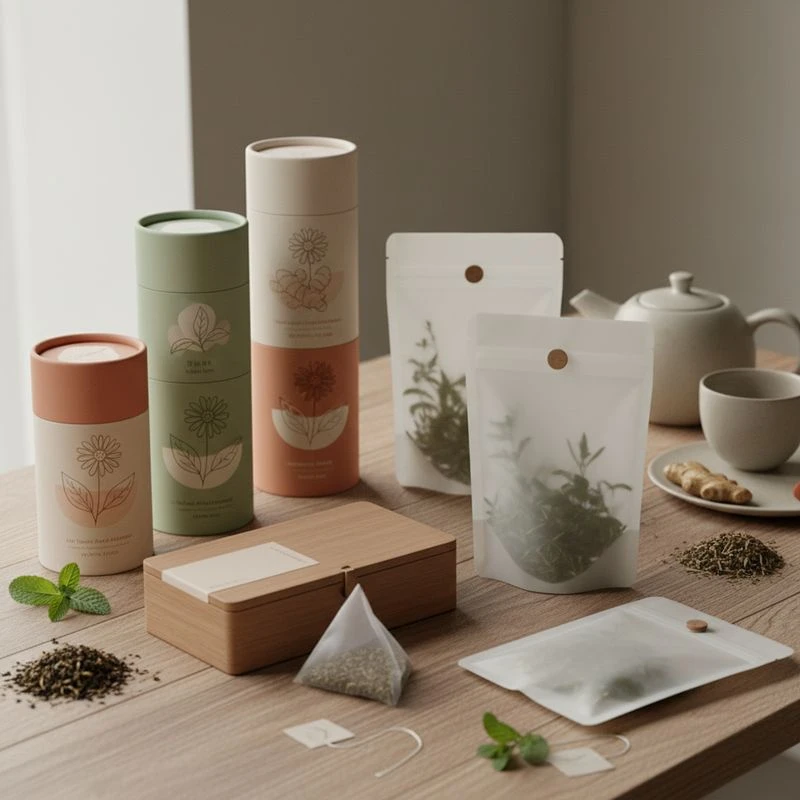
Crafting an Unforgettable Experience for the {{globalData.australiamarket}} Consumer
In the vibrant and discerning {{globalData.australiamarket}} market, simply having a quality tea or herbal product is no longer enough to capture consumer attention. To truly stand out and cultivate a loyal customer base, your brand needs packaging that tells a story, preserves freshness, and reflects your values. Custom packaging for tea and herbal brands is not just about aesthetics; it’s a strategic investment that impacts everything from product integrity and shelf appeal to brand perception and sales. This comprehensive guide will explore the critical elements of tailored packaging solutions, offering actionable insights for businesses looking to thrive in Australia’s competitive landscape.
Tea Packaging: More Than Just a Container
The choice of packaging for tea and herbal products in the Australian market is a multi-faceted decision, impacting everything from product freshness to brand perception and environmental footprint. Consumers today are increasingly educated and environmentally conscious, making sustainable and functional packaging paramount. For tea brands, the primary takeaway is that your packaging is the first point of physical interaction a customer has with your product, making it an undeniable extension of your brand’s promise. When considering options like boxes, tins, or bags, it’s crucial to evaluate material properties for barrier protection against light, moisture, and oxygen, which are the main culprits in degrading tea quality. For instance, high-quality tins offer superior light and moisture protection, often lending a premium feel that resonates with luxury tea segments. However, their cost and recyclability profile must be weighed against more flexible, often more sustainable, alternatives.
Cardboard boxes, a popular choice, can be an excellent canvas for intricate designs and branding, but they require an inner liner or pouch to ensure proper barrier protection. This inner layer is critical for maintaining the tea’s aroma and flavour profile over time, preventing it from absorbing external odours or drying out. In Australia, where consumers often value local and organic produce, highlighting the natural ingredients through eco-friendly materials like recycled cardboard or compostable films can be a significant differentiator. Practical examples include specialty tea brands using FSC-certified paperboard for their outer cartons, paired with an inner PLA (polylactic acid) or cellulose-based pouch that is compostable. Step-by-step guidance for choosing materials might involve first assessing the shelf-life requirements of your specific tea blend, then exploring material certifications relevant to Australian sustainability standards, and finally, testing samples to ensure practical functionality and consumer experience. A potential pitfall is selecting materials based solely on cost, compromising on essential barrier properties, which can lead to product degradation and ultimately damage brand reputation. The solution involves a balanced approach, investing in materials that provide adequate protection while aligning with brand values and consumer expectations. This careful consideration in custom packaging for tea and herbal brands ensures that the product remains fresh and appealing from production to the consumer’s cup.
For herbal blends, which can often be more delicate and susceptible to degradation than traditional teas, the need for robust packaging is even more pronounced. Materials that offer excellent UV protection are vital, as light can quickly break down sensitive compounds in herbs, affecting both efficacy and flavour. Glass jars, while visually appealing and reusable, must be dark-tinted or placed within an opaque outer package to mitigate light exposure. The Australian market appreciates transparency and authenticity, so clear packaging might seem appealing, but for many herbal products, it’s a detrimental choice unless combined with very short shelf lives or specific storage instructions. Brands can also explore innovative solutions like vacuum-sealed bags or nitrogen-flushed packaging to further extend freshness, particularly for highly volatile herbal ingredients. The packaging also needs to be robust enough to withstand the journey through the supply chain, ensuring it arrives on the retail shelf in pristine condition, ready to attract the Australian consumer’s eye. Ultimately, effective tea packaging in the {{globalData.australiamarket}} goes beyond mere containment; it’s a strategic tool for quality preservation, brand storytelling, and sustainable appeal.
Pouches: Flexible Solutions for Modern Tea & Herbal Brands
Pouches have emerged as a dominant force in the custom packaging for tea and herbal brands, particularly within the dynamic {{globalData.australiamarket}} market, owing to their versatility, cost-effectiveness, and excellent protective qualities. The key takeaway for brands is that pouches offer an ideal blend of convenience for the consumer and efficiency for the producer, making them a strategic choice for a wide range of products, from loose-leaf teas to powdered herbal supplements. Their lightweight nature significantly reduces shipping costs and environmental impact compared to rigid packaging, a factor increasingly important to Australian consumers. Pouches come in various forms, including stand-up pouches, which are popular for their shelf presence and resealable features, and flat pouches, often used for single-serve portions or sample sizes. The material construction of these pouches is critical, typically involving multiple layers of flexible films that provide robust barrier properties against oxygen, moisture, and light.
For instance, a common construction might include a PET (polyethylene terephthalate) layer for printability and strength, a foil or metallized film layer for superior barrier protection, and an inner PE (polyethylene) layer for sealing. This multi-layered approach ensures the delicate aromas and flavours of teas and herbs are perfectly preserved, a non-negotiable for maintaining product quality in a market that values fresh, potent ingredients. Actionable steps for selecting the right pouch include first defining your product’s specific barrier requirements – does it need high oxygen barrier, moisture barrier, or both? Next, consider consumer convenience features such as tear notches for easy opening, and re-closable zippers (like press-to-close or slider zippers) that maintain freshness after initial opening. Brands can also explore sustainable pouch options, such as those made from recyclable mono-materials or compostable films, aligning with Australia’s growing eco-conscious consumer base. A potential pitfall is overlooking the seal strength and quality, leading to premature spoilage. The solution lies in rigorous testing of sealed pouches to ensure their integrity under various conditions.
Practical examples of pouch application in Australia include organic herbal tea brands using matte-finish stand-up pouches with a clear window to showcase the botanical ingredients, while premium loose-leaf tea companies might opt for metallic pouches with an elegant, minimalist design. The adaptability of pouches extends to various sizes, from small trial packs to bulk family-sized options, providing flexibility in product offerings. When working with B2B printing partners, discuss options for custom printing on pouches, including vibrant full-colour graphics, spot UV finishes for tactile appeal, and even debossing for a premium feel. These aesthetic enhancements significantly contribute to brand appeal on the retail shelf. Furthermore, the efficient packing and stacking of pouches can optimise storage and display space, another practical advantage for both retailers and consumers. The continued innovation in pouch technology, including advancements in sustainable materials and custom features, reinforces their position as a leading custom packaging solution for tea and herbal brands looking to make a significant impact in the {{globalData.australiamarket}}.
| Material Type | Barrier Properties (O2/Moisture) | Sustainability Features | Typical Applications | Cost Index |
|---|---|---|---|---|
| Multi-Layer Foil Pouch | Excellent | Limited Recyclability | High-end teas, volatile herbs | $$$ |
| Metallized PET/PE Pouch | Good | Better than foil, still challenging | Everyday teas, dried herbs | $$ |
| Compostable PLA/Cellulose Pouch | Moderate | Compostable (industrial/home) | Organic teas, single-serve herbal blends | $$$ |
| Recyclable Mono-Material Pouch (PE/PE) | Good (depending on thickness) | Widely Recyclable (if infrastructure exists) | Mainstream teas, ground herbs | $$ |
This table provides a quick reference for brands evaluating different pouch materials based on key performance indicators. It highlights the trade-offs between barrier protection, sustainability, and cost, guiding decisions for custom packaging for tea and herbal brands.
B2B Printing: Bringing Your Brand Vision to Life
The journey from a design concept to a tangible, retail-ready product relies heavily on effective B2B printing partnerships, especially when developing custom packaging for tea and herbal brands in the {{globalData.australiamarket}}. The core takeaway here is that choosing the right printing partner is as crucial as the design itself; their capabilities directly impact the quality, consistency, and cost-effectiveness of your packaging. A skilled B2B printer understands the nuances of various packaging materials, from paperboard and flexible films for pouches to tin labels and rigid box substrates, ensuring that your vibrant designs translate accurately onto the chosen medium. The printing process involves several key stages, starting with pre-press, where your artwork is prepared for printing, colour separation is managed, and proofs are created for your review. This stage is critical for catching errors before mass production, saving both time and money.
Actionable steps for working with a B2B printer include providing clear, high-resolution artwork files in industry-standard formats (e.g., AI, PDF, EPS with vectorized graphics). Always request physical proofs or accurate digital proofs that simulate the final product as closely as possible, paying close attention to colour accuracy and text legibility. Different printing technologies, such as digital printing, flexographic printing, and offset printing, offer distinct advantages. Digital printing is excellent for short runs, variable data printing, and rapid prototyping, making it ideal for new product launches or limited-edition blends. Flexographic printing, on the other hand, is cost-effective for larger volumes and excels on flexible packaging materials like pouches. Offset printing, known for its high image quality, is typically used for paperboard cartons and labels. Understanding these technologies will help you discuss the best approach with your printing partner. A potential pitfall is underestimating lead times, especially for custom jobs involving unique materials or complex finishing processes. Always communicate your production timeline clearly and build in buffer time to avoid delays.
Furthermore, consider the printer’s quality control processes and their experience with food-grade packaging. In Australia, compliance with food safety regulations is paramount, and your printer should be able to demonstrate adherence to relevant standards. Discuss minimum order quantities (MOQs) early in the conversation, as these can vary significantly between printers and printing methods. For emerging brands, finding a printer with flexible MOQs can be a huge advantage. They should also be able to advise on special finishes like matte or gloss varnishes, spot UV coatings, embossing, debossing, or hot foil stamping, which can add a premium tactile and visual appeal to your custom packaging. These details are vital for enhancing the brand appeal of your tea and herbal products on the retail shelf. Building a strong relationship with a reliable B2B printing partner is an investment that ensures your custom packaging for tea and herbal brands consistently meets high standards, effectively communicating your brand’s quality and values to the Australian consumer.
| Printing Method | Ideal For | Volume | Cost per Unit (High Volume) | Setup Cost | Image Quality |
|---|---|---|---|---|---|
| Digital Printing | Short runs, personalised designs, rapid prototyping | Low to Medium | Higher | Low | Excellent |
| Flexographic Printing | Flexible packaging (pouches, labels), high volumes | Medium to High | Lower | Medium | Good |
| Offset Printing | Paperboard cartons, rigid boxes, high-quality labels | Medium to High | Lower | High | Superior |
This table illustrates the strengths and weaknesses of different printing methods, helping brands choose the most suitable option for their specific custom packaging needs. It’s a useful guide for understanding the cost implications and quality expectations associated with each technology.
Scent Protection: Preserving Aroma and Freshness
For tea and herbal brands, the integrity of the product’s scent and freshness is paramount; it directly correlates with perceived quality and consumer satisfaction. The undeniable takeaway here is that superior scent protection in your custom packaging is not merely an added feature, but a fundamental requirement to deliver on your brand’s promise of a rich, aromatic experience. Tea leaves and dried herbs are highly susceptible to degradation from external factors such as oxygen, moisture, light, and ambient odors. Without adequate protection, delicate volatile compounds that give teas and herbs their distinctive aroma and flavor can dissipate rapidly, leading to a stale, unappealing product. This directly impacts repeat purchases and brand reputation in the competitive {{globalData.australiamarket}}.
Effective scent protection begins with selecting the right barrier materials. Multi-layered films, often found in high-quality pouches, are designed to create an impermeable barrier. These typically combine layers of materials like PET (for strength and printability), aluminum foil or metallized films (for exceptional oxygen and moisture barrier), and PE (for heat sealing). Aluminum foil offers the highest barrier against light, oxygen, and moisture, making it ideal for highly sensitive teas and herbs. Metallized films provide a good balance of barrier protection and cost-effectiveness. Beyond the material itself, the sealing mechanism is equally crucial. Resealable zippers or tin ties on pouches, and airtight lids on tins or jars, ensure that once the package is opened, the product can be re-sealed to maintain freshness over time. Improper sealing is a common pitfall that can quickly compromise product quality. Brands should implement rigorous quality control measures to ensure that all seals are consistently strong and airtight, perhaps even conducting leak or pressure tests.
Actionable steps for robust scent protection include: firstly, identifying the exact barrier requirements of your specific tea or herb – does it need extreme protection from oxygen, moisture, or both? Secondly, work closely with your packaging supplier to specify multi-layer films with appropriate barrier properties. Thirdly, consider incorporating additional freshness aids like oxygen absorbers or desiccant packets, especially for products with longer shelf lives or those shipped to humid climates. For example, a premium green tea, highly prone to oxidation, would benefit immensely from a foil-lined, nitrogen-flushed pouch with a robust zipper. Conversely, a robust black tea might require slightly less intensive barrier but still needs protection from moisture. Practical guidance includes advising consumers to store the tea in its original packaging in a cool, dark place once opened, reinforcing the importance of the packaging’s design. Investing in high-quality custom packaging for tea and herbal brands that prioritizes scent protection ensures that every brew delivers the intended sensory experience, cultivating consumer trust and loyalty within Australia’s demanding market.
| Technology/Material | Primary Barrier Function | Ideal For | Pros | Cons |
|---|---|---|---|---|
| Aluminum Foil Layer | Oxygen, Moisture, Light | Highly volatile teas/herbs, long shelf life | Superior protection, extends freshness significantly | Not recyclable in all streams, higher cost |
| Metallized Film Layer | Oxygen, Light (moderate moisture) | Most loose-leaf teas, dried herbal blends | Good balance of protection and cost, lighter than foil | Not as robust as foil for moisture barrier |
| EVOH (Ethylene Vinyl Alcohol) | Oxygen (especially at low humidity) | Ground herbs, some tea bags (when combined with other layers) | Excellent oxygen barrier, transparent, can be part of recyclable structures | Barrier decreases significantly with high humidity |
| Resealable Zippers/Tin Ties | Post-opening freshness, ambient odors | All types of loose tea and herbal pouches | Consumer convenience, prolongs freshness after opening | Quality varies; poor seal compromises protection |
This table outlines various technologies and materials specifically used to protect the delicate aromas and freshness of tea and herbal products. Understanding these options is vital for brands aiming to deliver a consistently high-quality sensory experience to their Australian consumers.
Brand Appeal: Connecting with the Australian Consumer
In the bustling {{globalData.australiamarket}}, where shelves are laden with choice, the brand appeal of your custom packaging for tea and herbal brands is not just a differentiating factor—it is the very essence of how your product communicates with and connects to your target audience. The core takeaway here is that packaging acts as a silent salesperson, conveying your brand’s personality, values, and promises instantly. A beautifully designed, thoughtfully crafted package can elevate a simple bag of tea leaves into a premium experience, enticing consumers to choose your product over competitors. This appeal is built through a harmonious blend of visual aesthetics, tactile experiences, and clear, compelling messaging, all tailored to resonate with the unique preferences and cultural nuances of the Australian consumer.
Consider the visual elements: colours, typography, imagery, and overall layout. For a brand targeting eco-conscious Australians, earthy tones, minimalist designs, and natural textures (like matte finishes or recycled paper) can communicate sustainability and authenticity. Conversely, a luxury tea brand might opt for richer, bolder colours, metallic accents, and elegant typography to convey sophistication and indulgence. Practical examples might include a vibrant, illustrative design for a refreshing iced tea blend, or a serene, nature-inspired palette for a calming herbal infusion. Your packaging’s design is a powerful storytelling tool; it can evoke feelings of comfort, adventure, health, or tradition, depending on your brand’s narrative. Step-by-step guidance for enhancing brand appeal includes conducting market research to understand your target demographic’s aesthetic preferences, collaborating with experienced graphic designers who understand packaging design principles, and iteratively testing design concepts with focus groups. A common pitfall is creating a design that is aesthetically pleasing but fails to communicate key product information or brand values clearly. The solution involves balancing artistic expression with practical communication, ensuring that the packaging is both attractive and informative.
Beyond visual design, the tactile experience of your packaging also contributes significantly to brand appeal. Is the package easy to open? Does it feel premium in hand? Features like soft-touch coatings, embossed logos, or unique structural designs can create a memorable sensory experience that enhances perceived value. For the Australian market, where convenience and quality are highly valued, a resealable pouch that is easy to store and keeps the product fresh aligns perfectly with consumer expectations. Furthermore, transparent and authentic messaging on your packaging about sourcing, ingredients, and any ethical certifications (e.g., Fair Trade, organic) builds trust, which is crucial for the discerning Australian consumer. Your custom packaging for tea and herbal brands should clearly articulate what makes your product special and why it’s the right choice for them. This holistic approach to brand appeal, encompassing both visual and tactile elements alongside clear communication, ensures that your packaging is not just a container, but a powerful asset in building lasting connections with Australian tea and herbal enthusiasts.
| Design Element | Impact on Brand Appeal | Considerations for {{globalData.australiamarket}} | Practical Examples |
|---|---|---|---|
| Colour Palette | Evokes emotions, establishes brand identity | Natural, earthy tones for organic; vibrant for refreshing/modern; muted for premium | Blues/greens for calming, yellows/oranges for energizing, deep purples for luxury. |
| Typography | Communicates tone (elegant, playful, rustic) | Legibility is key; modern sans-serif for contemporary; script for artisanal. | Bold, clean fonts for health claims; delicate, flowing fonts for traditional blends. |
| Imagery/Graphics | Tells a story, visually represents product/brand | Illustrations for artistic feel; photography for realism; native botanicals for local connection. | Botanical illustrations, evocative landscapes, minimalist patterns. |
| Finishes & Textures | Adds tactile experience, conveys luxury/natural feel | Matte finish for natural; gloss for vibrant; soft-touch for premium; embossing for elegance. | Matte pouch with spot UV logo, embossed recycled paper box, textured label. |
This table details specific design elements and their impact on brand appeal, offering tailored considerations for the Australian market. By thoughtfully integrating these elements into your custom packaging for tea and herbal brands, you can create a package that genuinely resonates with your target audience.
