
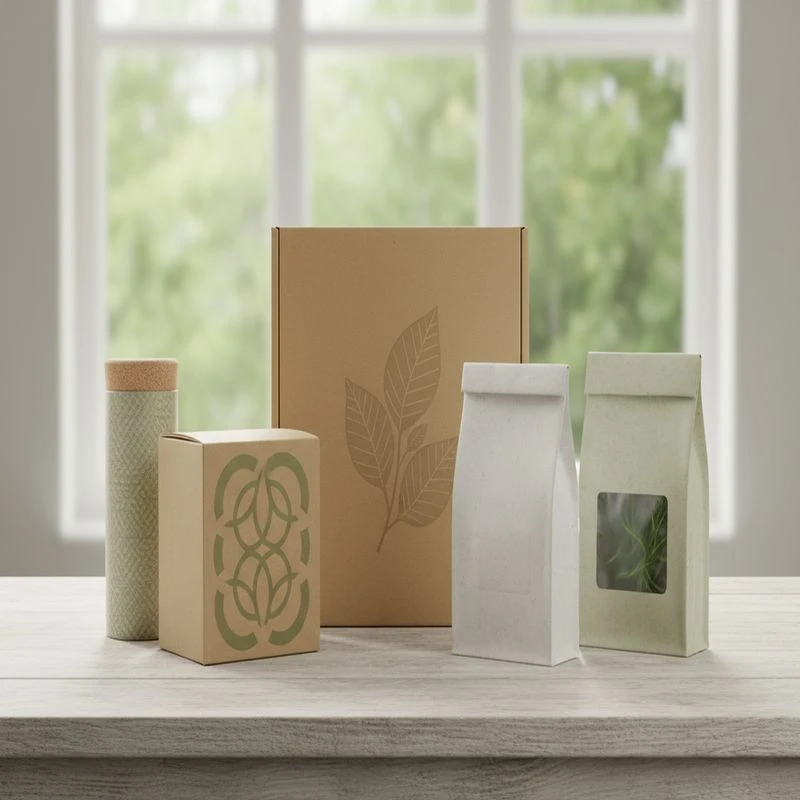
Elevating Brand Values and Environmental Stewardship Through Thoughtful Design and Sustainable Materials Down Under.
Vegan Packaging
Vegan packaging isn’t merely a trend; it’s a fundamental commitment that extends beyond the product itself to every component of its container, a critical factor for the discerning Australian consumer. In a market increasingly driven by ethical considerations, brands offering vegan and organic products must ensure their packaging aligns perfectly with these core values. Australian consumers who choose vegan options are often highly informed and committed to animal welfare, meaning they scrutinize product claims and brand integrity more closely than ever. This diligence extends to the packaging itself, which must be free from any animal-derived ingredients, by-products, or testing. Think beyond the visible; consider the glues, inks, coatings, and even the paper stock – hidden elements that could compromise a product’s vegan claim.
For brands looking to truly resonate within the Australian market, transparency is paramount. The journey towards truly vegan custom packaging begins with meticulous material verification. It’s essential to diligently check all packaging components, including adhesives, inks, coatings, and paper stock, for animal-derived ingredients. This often requires requesting Material Safety Data Sheets (MSDS) or specific vegan declarations from your packaging suppliers. Many common packaging elements, such as certain glues (which might contain casein or gelatin) or dyes (like shellac), can unknowingly incorporate animal by-products. Another actionable step is to explore vegan certification for packaging materials or the final packaged product itself. Organisations such as Vegan Action or The Vegan Society offer such endorsements, providing clear, third-party assurance to consumers that holds significant weight in the Australian market. This certification not only builds trust but also acts as a powerful visual cue on the shelf. Furthermore, it is crucial to partner with packaging manufacturers who not only understand but can also guarantee vegan-friendly production processes and materials. Establishing open communication about your brand’s strict vegan requirements from the outset is key.
Navigating the landscape of vegan packaging can present its own set of pitfalls. One common issue is the presence of hidden ingredients; as mentioned, glues and inks are frequent culprits. The solution lies in explicitly stating your vegan requirements to all suppliers and requesting comprehensive ingredient lists for every single component. Another potential pitfall is cross-contamination. Packaging materials might be processed on lines that also handle non-vegan materials, introducing the risk of unintended contact. To mitigate this, inquire about dedicated production lines or strict cleaning protocols, and clearly communicate your brand’s unwavering commitment to vegan integrity. Finally, avoid making misleading claims. The goal is intentional vegan design and sourcing, not accidentally vegan packaging. Ensure all your claims are verifiable and transparent to foster genuine consumer trust. Practical examples of truly vegan packaging include the use of vegetable-based inks, plant-derived adhesives, and recycled paperboard that is explicitly guaranteed to be free from animal sizing. By taking these rigorous steps, your custom packaging for vegan and organic products for the Australia market will not only protect your product but also powerfully reinforce your brand’s ethical foundation.
Compostable
Adopting certified compostable packaging is an increasingly powerful way for vegan and organic brands in Australia to demonstrate genuine environmental commitment, directly addressing the growing consumer demand for circular economy solutions. The Australian public is acutely aware of the global plastic waste crisis, and consumers are actively seeking brands that offer tangible alternatives to landfill-bound packaging. Compostable packaging, when correctly disposed of, completes a natural cycle by returning to the earth as nutrient-rich soil, offering a regenerative solution that aligns perfectly with the eco-conscious values inherent to vegan and organic consumers. This isn’t just about ‘being green’; it’s about providing a demonstrable, end-of-life benefit for your packaging that resonates deeply with your target demographic in Australia.
For brands, understanding the crucial difference between industrial and home compostability is absolutely vital for clear, honest consumer communication. In Australia, two key standards govern compostability: AS 4736 for industrial composting and AS 5810 for home composting. An actionable step is to familiarize your team with these specific Australian standards. Your choice of materials should be certified to one or both of these, as this provides immediate credibility and helps avoid accusations of “greenwashing.” When it comes to material selection, the options for custom packaging for vegan and organic products are expanding rapidly. Explore innovative choices such as PLA (polylactic acid) derived from corn starch, cellulose-based films, groundbreaking mushroom packaging, sturdy sugarcane bagasse, and various certified compostable paperboards. Crucially, your packaging must feature clear labelling that provides explicit instructions to consumers on how to dispose of the packaging. Use simple, unambiguous language like “Compost in an industrial facility” or “Home compostable,” and always include the appropriate seedling logo (indicating AS 4736 or AS 5810 certification). This not only educates but also empowers the Australian consumer to make the correct disposal choice, maximizing the environmental benefit.
Despite the clear advantages, implementing compostable packaging has its challenges. A significant pitfall is the risk of greenwashing. Vague terms like “biodegradable” without specific certification can mislead consumers and damage brand trust. The solution is simple: stick exclusively to certified compostable materials and clearly communicate the specific Australian standard met. Another challenge lies in Australia’s varied composting infrastructure. Industrial composting facilities are not uniformly available across all regions. To address this, consider designing packaging that is also home compostable where possible (meeting AS 5810) or provide specific information on local industrial composting options for your target audience, perhaps via a QR code. Finally, there’s the risk of contamination, where consumers might mistakenly place non-compostable items into compost bins. Your solution here is again to use simple, clear, and unambiguous disposal instructions directly on your custom packaging. Practical examples include compostable mailers for online vegan food deliveries, PLA-lined cups for organic cafes, or sugarcane pulp trays for fresh organic produce, all bearing the relevant Australian compostable certifications.
| Feature | Certified Compostable | Biodegradable (General) |
|---|---|---|
| Definition | Breaks down under specific conditions into humus, CO2, water, and inorganic compounds within a defined timeframe (e.g., 90% in 180 days for industrial). | Breaks down into natural elements (CO2, water, biomass) over time, but no specific timeframe or conditions guaranteed. |
| Standards | Meets strict international or national standards (e.g., Australia’s AS 4736 & AS 5810, EN 13432). | No widely accepted standards or certifications required; can be vague and lacks rigorous testing. |
| Ecology | Returns nutrients to the soil; no harmful residues. Designed for a beneficial end-of-life cycle. | May leave microplastics or harmful residues; breakdown rate varies wildly and may not be beneficial to the environment. |
| Disposal | Requires specific composting environments (industrial or home) to fully decompose as intended. | Can break down in various environments, but often too slowly to be beneficial or without specific infrastructure. |
| Consumer Trust | High, especially when certified and clearly communicated with relevant logos. | Lower, due to past “greenwashing” concerns and a general lack of verifiable transparency. |
This table highlights the critical differences between packaging that is merely labelled “biodegradable” and that which is truly “certified compostable.” For brands operating in the Australian market, adhering to certified compostable standards like AS 4736 and AS 5810 is paramount for building trust and ensuring genuine environmental benefits. Consumers are becoming increasingly savvy about these distinctions, making clear and certified claims non-negotiable for credibility.
B2B Printing
Selecting the right B2B printing partner is an absolutely crucial decision for vegan and organic brands in Australia, ensuring that custom packaging quality, consistency, and compliance with stringent ethical and environmental standards are maintained, particularly as production scales. As a vegan or organic brand grows, its custom packaging needs inevitably evolve from small, artisanal batches to larger, more consistent production runs. This shift introduces a new set of considerations specific to B2B printing, including economies of scale, the nuanced handling of specialised sustainable materials, precise colour matching across diverse batches, and robust supply chain management.
A truly effective B2B printing partner acts as more than just a vendor; they become a strategic collaborator. They should be capable of advising on the most cost-effective, environmentally sound, and compliant packaging solutions tailored for the unique demands of the Australian market. The journey to a successful printing partnership begins with diligent vendor vetting. Research and interview multiple Australian B2B packaging printers, prioritizing those with demonstrated experience in working with eco-friendly materials and vegan-friendly inks and adhesives. Requesting case studies or client testimonials can provide valuable insight into their capabilities and reliability. Once a potential partner is identified, providing precise technical specifications is paramount. This includes material type (e.g., FSC-certified paperboard, compostable film), exact dimensions, vector graphic files for optimal print quality, specific colour profiles (such as Pantone or CMYK), and any desired special finishes like matte, gloss, or embossing. Furthermore, never skip the proofing process. Always request physical proofs, not just digital ones, to meticulously verify colour accuracy, the tactile feel of the material, and the structural integrity before committing to mass production. This step is particularly vital for custom packaging, where every detail contributes to the brand’s identity and consumer experience in Australia.
Despite careful planning, brands can encounter specific pitfalls in B2B printing. One common challenge for smaller brands is meeting high Minimum Order Quantities (MOQs). A viable solution is to explore digital printing options, which often accommodate lower volumes, or consider collaborating with other small businesses to meet larger thresholds. Some forward-thinking printers also offer tiered MOQ structures. Another significant hurdle can be achieving colour consistency across different print runs and varied materials. Maintaining brand-specific colours is critical for recognition and professionalism. To mitigate this, establish clear colour standards with your printer, use consistent colour profiles, and conduct rigorous quality checks on samples from each production batch. Lastly, lead times for custom packaging production can be substantial. This requires proactive planning. Always plan your production schedules well in advance, maintain open and consistent communication with your printer, and build sufficient buffer time into your inventory management to prevent stockouts, especially when supplying the dynamic Australian retail sector.
| Consideration | Description | Brand Impact (Vegan & Organic) |
|---|---|---|
| Material Expertise | Printer’s experience and capability in handling sustainable, vegan, and organic-certified packaging materials (e.g., recycled, compostable). | Ensures packaging aligns with ethical values and product integrity, avoiding non-compliant or non-sustainable components. Essential for custom packaging for vegan and organic products for the Australia market. |
| Ink & Adhesive Sourcing | Use of vegetable-based, vegan-certified inks and glues, free from animal by-products or testing. | Guarantees the entire package is vegan-friendly, supporting brand ethics and consumer trust, a non-negotiable for true vegan products. |
| Quality Control | Rigorous processes for colour accuracy, structural integrity, and consistency across large print runs. | Maintains premium brand image, prevents product damage, and ensures uniformity for consumers across the Australian market, reflecting quality. |
| Certifications | Printer’s own environmental or ethical certifications (e.g., FSC, ISO 14001, SEDEX). | Demonstrates the printer shares the brand’s commitment to sustainability and ethical practices, enhancing supply chain transparency and brand alignment. |
| Lead Times & Logistics | Printer’s ability to meet production deadlines and manage delivery efficiently within Australia, including warehousing options. | Critical for inventory management, successful product launches, and continuous supply to the Australian retail sector, preventing costly delays. |
This table outlines crucial factors to evaluate when selecting a B2B printing partner for custom packaging in the Australian vegan and organic sector. It emphasizes that a printer’s capabilities must extend beyond mere aesthetics to encompass ethical sourcing, environmental compliance, and robust quality control, all vital for upholding a brand’s promise and meeting the high expectations of the Australian consumer.
Eco Design
Eco-design principles for custom packaging empower vegan and organic brands in Australia to minimize their environmental impact across the entire product lifecycle, from the initial sourcing of materials to its ultimate end-of-life. This approach goes far beyond simply choosing a “green” material; it’s a holistic strategy that meticulously considers every stage of the packaging’s journey. For vegan and organic products, this translates into designing packaging that not only protects the product effectively with the absolute minimal amount of material but also utilizes renewable resources, is easily recyclable or compostable, and communicates its environmental attributes with crystal clarity to the Australian consumer. Embracing eco-design directly contributes to reduced waste, a lower carbon footprint, and a significantly enhanced brand reputation, which is a powerful differentiator in the conscious Australian market.
Implementing eco-design involves several actionable steps. Firstly, focus on the principle of Reduce: aim for minimal material usage. Ask critical questions: Can the packaging be lighter, smaller, or eliminate any unnecessary layers? Explore opportunities for concentrated product formulas, especially for liquids, which can drastically reduce the required packaging size. Secondly, prioritize Recycle/Compost: design for effortless recyclability or compostability. Whenever possible, use monomaterials (e.g., entirely paper-based, or a single type of plastic if it is widely recyclable in Australia) to avoid complex separation issues that deter proper disposal. Ensure that all components, such as labels and closures, are compatible with the primary packaging’s intended end-of-life stream. Thirdly, emphasis Renew: prioritize materials made from rapidly renewable resources like bamboo, sugarcane, or FSC-certified paper, or choose materials with high post-consumer recycled (PCR) content. Finally, Inform: use clear iconography and straightforward language on your custom packaging to guide Australian consumers on proper disposal methods. This might involve referencing local recycling schemes (like the ARL program for soft plastics or kerbside collection programmes) or displaying the Australian seedling logo for compostable items.
While the benefits of eco-design are clear, potential pitfalls exist. One common issue is over-engineering, where adding too many protective layers or excessively complex structures can inadvertently negate sustainability benefits by increasing material use. The solution is to conduct rigorous drop tests and transit simulations with minimal packaging to find the optimal balance between essential product protection and material reduction. Another pitfall is confusing disposal instructions. Ambiguous labelling inevitably leads to incorrect disposal by consumers. To counter this, use universally recognized symbols and concise text, always referring to specific Australian composting or recycling guidelines where applicable. Finally, material compatibility can be a hurdle; mixing different materials often hinders effective recycling. Strive for mono-material designs wherever feasible, or clearly indicate separable components. For instance, if a product is certified compostable, ensure its label and any adhesives are also compostable. Practical examples of eco-design include using a single-layer, unbleached, FSC-certified cardboard box for an organic tea range, designing refillable systems for vegan cleaning products, employing lightweight, high-PCR content PET bottles for organic juices, or utilizing cleverly designed paper-based protective inserts instead of plastic bubble wrap for delicate items. These choices not only protect the planet but also strengthen the brand’s ethical credentials in the Australian market.
| Principle | Description | Application for Vegan & Organic in Australia |
|---|---|---|
| Reduce | Minimizing material usage, package size, and weight without compromising product protection. | Use concentrated formulas, lightweight materials, optimise dimensions to reduce shipping volume, and avoid unnecessary layers. Example: Smaller packaging for highly concentrated organic serums. |
| Renewable/Recycled | Prioritizing materials from rapidly renewable resources or high post-consumer recycled content (PCR). | Opt for FSC-certified paperboard, sugarcane bagasse, PCR plastics, and plant-based bioplastics to reduce reliance on virgin materials. Example: Vegan protein bars wrapped in compostable film from renewable sources. |
| Recyclable/Compostable | Designing packaging to be easily sorted and processed in existing recycling or composting streams. | Choose mono-materials, ensure labels/closures are compatible, and clearly label with Australian recycling/composting symbols (e.g., ARL, seedling logo). Example: Organic coffee packaging designed to be industrially compostable (AS 4736). |
| Reusability | Designing packaging that can be refilled or repurposed by the consumer, extending its life cycle. | Introduce refill pouches for larger products, durable glass jars for foods, or attractive containers that encourage repurposing. Example: Vegan bulk food retailers offering refillable containers. |
| Transparency & Communication | Clearly informing consumers about material choices, sustainability credentials, and disposal instructions. | Use accessible language and graphics on custom packaging to guide Australian consumers on how to correctly dispose of or reuse the package. Example: Clear “How to Dispose” instructions on an organic sourdough bread bag. |
This table summarises the core eco-design principles that are essential for developing custom packaging for vegan and organic products, specifically tailored for the Australian market. By integrating these principles from the outset, brands can create packaging that not only protects their product but also champions environmental stewardship and resonates deeply with their conscious consumer base, strengthening their market position.
Brand Story
Custom packaging for vegan and organic products in Australia is far more than a mere container; it’s a powerful narrative tool, enabling brands to visually and tangibly communicate their core values, ethical commitments, and unique identity directly to consumers. In today’s increasingly crowded market, your packaging is often the very first, and sometimes the only, physical interaction a consumer has with your brand. For vegan and organic brands, this initial interaction is absolutely critical. The packaging isn’t just a protective shell; it’s a silent salesperson, a vibrant billboard for your values, and a direct extension of your brand’s unwavering commitment to health, ethics, and sustainability. Australian consumers are increasingly valuing transparency, authenticity, and a clear purpose behind their purchases, making the custom packaging a pivotal medium for conveying your brand’s unique story and cultivating a loyal, engaged community.
To effectively leverage custom packaging in telling your brand’s story, several actionable steps are essential. Firstly, ensure absolute visual alignment. Your packaging design – encompassing colours, typography, imagery, and logo placement – must consistently reflect your brand’s overall aesthetic and core message. For an organic brand, this might naturally lean towards earthy tones, natural textures, and minimalist design, conveying purity and simplicity. For a vibrant vegan brand, it could involve dynamic colours, bold graphics, and clear, ethical iconography that celebrate plant-based living. Secondly, develop a concise and compelling messaging strategy. Use clear, impactful copy to highlight key brand attributes such as “ACO Certified Organic,” “100% Vegan,” “Home Compostable,” or “Sourced from Australian Farms.” This is your opportunity to share your origin story, articulate your mission statement, or detail your ethical sourcing practices directly on the package, forging an immediate connection with the consumer. Thirdly, carefully consider the sensory experience. The tactile quality of your custom packaging plays a significant role. Does a rough, unbleached, recycled paper evoke authenticity for an organic product? Does a smooth, minimalist design convey premium vegan luxury? The unboxing experience, from the moment a consumer picks up your product to the final reveal, can profoundly enhance brand perception and memorability. Finally, prominently display certifications and trust seals. Relevant certifications (e.g., ACO Certified Organic, Vegan Australia Certified, the Australian Recycling Label (ARL), or the seedling logo for compostable packaging) instantly build trust and validate your claims with discerning Australian consumers, providing a powerful shortcut to credibility.
Despite the immense potential, brands must be wary of certain pitfalls when crafting their brand story through custom packaging. One significant risk is inconsistent messaging. If your packaging design or copy contradicts what’s presented on your brand’s website or social media, it can quickly erode consumer trust. The solution lies in developing a comprehensive brand style guide that covers all visual and textual elements, ensuring absolute consistency across every single touchpoint. Another pitfall is overwhelming information. Too much text or a proliferation of conflicting messages can confuse consumers and dilute your core message. To combat this, prioritize your key messages, utilize clear visual hierarchies, and consider leveraging QR codes to link to more detailed information online if necessary, keeping the on-pack experience clean and focused. Lastly, beware of a lack of authenticity. Generic designs that fail to genuinely reflect your brand’s unique values can feel disingenuous and fail to connect with consumers. The solution is to invest in professional design that authentically embodies your brand’s unique personality and unwavering commitment to vegan and organic principles. Practical examples include an organic Australian nut butter brand utilizing a minimalist label on a reusable glass jar, succinctly highlighting its single-ingredient purity and local sourcing; a vegan chocolate brand with vibrant, artful custom packaging that tells the captivating story of its ethical bean-to-bar process; or an organic baby food brand employing soft colours and playful illustrations, coupled with clear, informative details about its planet-friendly, compostable pouches. In each case, the packaging becomes a powerful extension of the brand’s identity, speaking directly to the values of the Australian market.
