
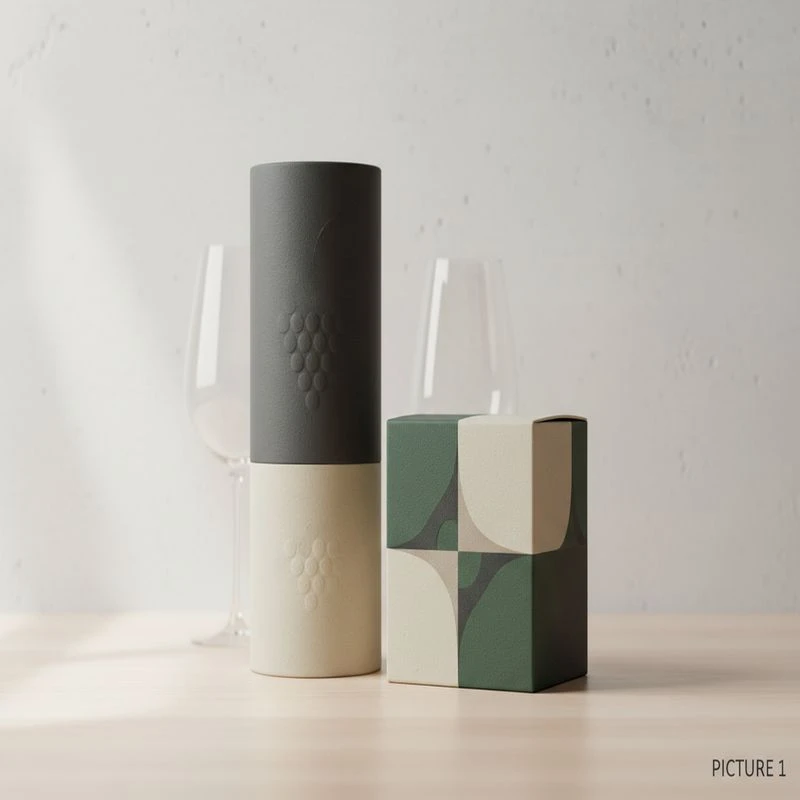
In Australia’s vibrant and competitive wine and spirits market, making an indelible first impression is paramount. Simply having an exceptional product within the bottle is no longer enough; the packaging itself must tell a compelling story, reflect the brand’s essence, and resonate deeply with consumers. For businesses navigating this landscape, investing in truly bespoke and thoughtfully designed custom packaging for wine and spirits is not merely an expense, but a strategic imperative that significantly enhances brand perception, market differentiation, and ultimately, sales. This isn’t just about aesthetics; it’s a comprehensive approach that encompasses everything from ensuring product safety during transit to creating a luxurious unboxing experience that builds lasting customer loyalty. Understanding the nuances of the Australian consumer, their preferences for sustainability, local provenance, and premium quality, allows brands to tailor their packaging solutions to hit precisely the right notes, transforming a mere purchase into a memorable encounter. By focusing on these critical elements, Australian wineries and distilleries can elevate their offerings from being just another bottle on the shelf to a coveted item, recognized for its quality inside and out.
Wine Packaging
Effective custom packaging for wine and spirits in the Australian market is a multifaceted discipline that extends far beyond a simple label; it is the silent ambassador of your brand, communicating values, quality, and origin before the cork is even pulled. The primary takeaway here is that your packaging should be an authentic extension of your product’s story and brand identity, meticulously crafted to appeal to the unique preferences of Australian consumers. For instance, a small batch gin from Tasmania might lean into earthy tones and artisanal textures, while a Barossa Valley Shiraz could opt for classic elegance and robust materials, all designed to evoke a specific sense of place and heritage. This reasoning is rooted in the fact that Australian consumers are increasingly discerning, not only about what they drink but also about the integrity and sustainability of the brands they support. Generic, off-the-shelf packaging solutions fail to capture this complexity and often get lost amidst a sea of options in bottle shops and online. To truly stand out, brands must embrace bespoke design elements, material choices, and finishing touches that speak volumes.
Actionable steps for achieving this begin with a deep dive into your brand’s core values and target demographic. Are you aiming for the luxury connoisseur, the eco-conscious consumer, or the casual drinker? This understanding will inform every subsequent decision. Next, consider local regulations, which can impact everything from label size and content requirements to sustainable material mandates, ensuring your packaging is compliant and avoids costly redesigns later. Collaborate closely with a packaging designer who understands the specific challenges and opportunities within Australia’s market, from climate considerations for material durability to shipping logistics across vast distances. For example, if your product is likely to be shipped interstate, ensuring the integrity of the packaging is paramount. A common pitfall is underestimating the design process’s complexity, leading to last-minute compromises that dilute the brand message. A solution involves investing ample time in preliminary research and design iterations, allowing for feedback and refinements. Another challenge is balancing aesthetic appeal with practicality and cost-effectiveness; striking this balance requires exploring various material options and production techniques. For instance, while a heavy glass bottle might exude luxury, a lighter alternative with a premium label could offer significant freight cost savings and a smaller carbon footprint, appealing to both your bottom line and environmentally conscious consumers.
Furthermore, the integration of sustainable practices into custom packaging for wine and spirits is no longer optional but a significant driver of consumer choice in Australia. Brands that visibly commit to recycled, recyclable, or biodegradable materials often gain a competitive edge. This commitment can manifest in various ways, from using sugarcane-based pulp inserts instead of polystyrene for protection, to designing labels that are easily removable for bottle recycling, or even offering refillable options. Transparent communication about these sustainable efforts on the packaging itself can enhance brand perception and build trust. For example, featuring a small, clear icon indicating the percentage of recycled content or outlining the packaging’s end-of-life options empowers consumers to make informed, responsible choices. The Australian market is also highly responsive to packaging that highlights local ingredients, indigenous art, or regional landmarks, forging a stronger connection between the product and its provenance. This authentic storytelling through design creates an emotional bond with the consumer, transforming a simple purchase into an experience that celebrates local culture and quality. By meticulously planning and executing these elements, brands can ensure their wine and spirits packaging is not just a container, but a powerful marketing tool that resonates deeply with the diverse and discerning Australian audience.
Luxury Design
In the highly competitive landscape of Australia’s wine and spirits market, luxury design for custom packaging is not merely about aesthetics; it’s a strategic imperative that elevates a product from a commodity to a coveted item, commanding premium prices and fostering brand loyalty. The core takeaway here is that a sophisticated design communicates quality, craftsmanship, and exclusivity before the product is even tasted, setting a powerful expectation for the consumer experience. This reasoning is particularly pertinent in Australia, where consumers are increasingly willing to invest in premium products that offer a sense of occasion, whether for personal enjoyment or as a thoughtful gift. A beautifully designed package suggests that what’s inside is equally exceptional, creating an immediate emotional connection and perceived value. It’s about crafting an identity that stands out on a crowded shelf, whispering stories of heritage, innovation, or artisanal excellence. From the tactile sensation of embossed paper to the visual allure of metallic foils, every element of luxury design contributes to a holistic brand narrative that captivates and persuades.
To embark on creating truly luxurious packaging, brands should begin by defining the precise luxury segment they aim to occupy. Is it understated elegance, bold contemporary chic, or classic opulence? This clarity will guide material selection, colour palettes, and graphic design. Actionable steps include collaborating with designers specializing in luxury goods, as they possess the expertise in high-end finishes and innovative structural designs. Consider bespoke printing techniques such as debossing or embossing, which add a tactile dimension and convey a sense of meticulous craftsmanship. The choice of substrate is also crucial; think about heavier, uncoated papers for a natural feel or specialist metallized boards for a shimmering effect. A potential pitfall is over-designing, which can lead to a cluttered or ostentatious look that detracts from true luxury. The solution often lies in minimalism and strategic use of negative space, allowing key design elements to shine. Another challenge can be maintaining consistency across different product lines while ensuring each variant retains its unique premium identity. This can be addressed through a well-defined brand style guide that outlines acceptable variations in colour, finish, and typography.
Incorporating custom elements like unique bottle shapes, branded stoppers, or wax seals further reinforces the luxury proposition. These details transform the packaging into an integral part of the product experience, enhancing the unboxing ritual and creating memorable moments. For example, a custom-designed bottle that feels substantial in hand, paired with an elegant, tamper-evident seal, communicates an uncompromising commitment to quality. The choice of typography and its application, whether through elegant scripts or clean, modern sans-serif fonts, also plays a critical role in conveying sophistication. Brands should also consider the environmental impact of their luxury packaging; integrating sustainable luxury, such as using recycled content in high-quality papers or designing for reusability, can resonate powerfully with ethically conscious Australian consumers without compromising on perceived value. A solution might involve sourcing certified sustainable papers or collaborating with manufacturers who offer innovative eco-luxe materials. The table below illustrates various design elements commonly utilized in luxury wine and spirits packaging and their impact on brand perception.
| Luxury Design Element | Description | Impact on Custom Packaging for Wine and Spirits |
|---|---|---|
| Embossing/Debossing | Raised or recessed designs/text on the material surface. | Adds tactile luxury, sophistication, and a premium feel. Highlights logos or key details without using ink. |
| Foil Stamping | Application of metallic (gold, silver) or pigmented foil to selected areas. | Creates shimmer, reflectivity, and an immediate sense of grandeur and high quality. Excellent for brand names. |
| Specialty Paper/Board | Use of textured, heavy-weight, or uncoated stock with unique finishes. | Enhances tactile experience, conveys authenticity, craftsmanship, and an organic or artisanal feel, differentiating from standard glossy options. |
| Custom Closures | Bespoke corks, caps, or wax seals with brand insignia. | Provides a unique unboxing experience, reinforces brand identity, and signifies attention to detail. |
| Spot UV Varnish | Application of a glossy, clear coating to specific areas of the design. | Creates contrast between matte and gloss, highlighting specific elements like imagery or text with a refined visual pop. |
This table highlights how different luxury design elements contribute to the overall premium perception of custom packaging for wine and spirits. By strategically combining these features, brands can create a multisensory experience that elevates their product and justifies its higher price point in the Australian market.
Bottle Protection
Ensuring the safe transit and storage of wine and spirits is a critical function of custom packaging, particularly within the vast geographical expanse of Australia where products often travel long distances from winery to consumer. The crucial takeaway is that effective bottle protection is not an afterthought but a fundamental design consideration that safeguards product integrity, prevents costly damage, and upholds brand reputation. Reasoning dictates that even the most exquisitely designed bottle and finest liquid inside lose all value if they arrive broken or compromised. Damage during shipping, handling, or even storage can lead to significant financial losses from replacements, dissatisfied customers, and tarnished brand image. Therefore, the protective elements of your custom packaging for wine and spirits must be robust, reliable, and tailored to the specific vulnerabilities of glass bottles and their contents. This involves a careful selection of materials and structural design that can withstand the rigors of the supply chain, from bumpy road transport to varying temperature conditions.
Actionable steps for achieving superior bottle protection begin with understanding the common modes of damage: impact from drops, compression from stacking, and vibrations during transit. This knowledge allows for the selection of appropriate cushioning and structural support. Options range from corrugated cardboard inserts and moulded pulp trays to custom foam or air-cushioning systems, each offering different levels of protection and sustainability profiles. For example, a single bottle being shipped directly to a customer might require a different level of cushioning than a case of 12 bottles destined for a distributor. A potential pitfall is over-packaging, which can be costly and environmentally wasteful, or under-packaging, which leads to unacceptable damage rates. The solution lies in testing and optimization; conducting drop tests and vibration analyses for your specific packaging design and product will provide data-driven insights to strike the right balance. Collaborating with packaging engineers who specialize in protective solutions can be invaluable in designing bespoke inserts and structural components that perfectly cradle the bottle and absorb shocks.
Furthermore, considering the environmental impact of protective packaging is increasingly important for Australian consumers. Brands should explore sustainable alternatives to traditional plastics and foams, such as recycled corrugated cardboard, moulded fibre (pulp) made from recycled paper, or even innovative mushroom-based packaging. These materials offer excellent protective qualities while aligning with eco-conscious brand values. For instance, using custom-moulded pulp inserts not only secures bottles effectively but also communicates a commitment to sustainability, enhancing brand appeal. Another aspect of protection is thermal insulation, particularly for wines sensitive to temperature fluctuations. Insulated liners or specially designed boxes can mitigate extreme heat or cold during transit, preserving the quality and taste of the product. Clearly labelling fragile contents and handling instructions on the outer packaging also plays a vital role in preventing damage. By proactively addressing these protective aspects, brands can ensure their custom packaging for wine and spirits not only looks appealing but also performs its fundamental duty of delivering a pristine product to the consumer, every single time. The following table provides a comparison of common protective packaging materials used for wine and spirits bottles.
| Protective Material | Key Features | Pros for Custom Packaging for Wine and Spirits | Cons |
|---|---|---|---|
| Corrugated Cardboard Inserts | Fluted paperboard, custom die-cut. | Cost-effective, recyclable, good cushioning for specific shapes, versatile in design. | Can be bulky, less effective against strong direct impacts, not waterproof. |
| Moulded Pulp (Fibre) | Made from recycled paper slurry, moulded to bottle shape. | Excellent cushioning, sustainable (recycled/biodegradable), custom-fit for tight security. | Can be slightly more expensive for custom moulds, limited aesthetic appeal for visible inserts. |
| EPS Foam (Polystyrene) | Lightweight, rigid foam with air cells. | Superior shock absorption, excellent thermal insulation, very light. | Not easily recyclable in all areas, environmentally concerning, perceived negatively by some consumers. |
| Air Cushions/Bubble Wrap | Plastic film filled with air. | Lightweight, flexible, good void fill and shock absorption. | Plastic-based (environmental concerns), less rigid support, can deflate. |
This table offers a clear comparison of materials used for bottle protection in custom packaging for wine and spirits. Choosing the right material involves balancing factors like cost, protective efficacy, and environmental impact, all crucial considerations for the Australian market.
B2B Branding
Beyond captivating the end consumer, custom packaging for wine and spirits serves a vital role in B2B branding within the Australian market, strengthening relationships with distributors, retailers, and hospitality venues. The core takeaway here is that well-designed B2B packaging simplifies logistics for partners, enhances shelf presence in retail, and facilitates clearer communication of brand values across the supply chain. This reasoning stems from the understanding that your product doesn’t just jump into a consumer’s hands; it moves through a network of businesses each with their own operational needs and marketing objectives. Distributors look for packaging that is easy to handle, stack, and transport efficiently, minimizing damage and storage costs. Retailers desire packaging that makes their shelves look appealing, simplifies inventory management, and effectively communicates key selling points to their customers. When your custom packaging addresses these B2B needs, you become a preferred partner, streamlining operations and maximizing mutual benefit.
Actionable steps for optimising B2B custom packaging include designing outer cartons that are sturdy, clearly labelled, and sized for efficient palletization, adhering to common industry standards for dimensions and weight. This might involve robust corrugated cardboard boxes with reinforced corners and handles, ensuring they can withstand the rigours of warehouse environments. Clear and concise branding on these outer cartons, including product name, vintage, and any unique selling propositions, assists in quick identification and proper handling. Consider including QR codes that link to product information sheets, tasting notes, or marketing assets, providing immediate support for sales staff and customers alike. A common pitfall for B2B branding is neglecting consistency; if your primary packaging (the bottle itself) exudes luxury, but your bulk packaging is generic and poorly printed, it creates a disjointed brand experience for distributors and retailers. The solution is to extend your brand’s aesthetic and quality standards across all levels of packaging, ensuring a cohesive presentation from warehouse to shelf. This consistency reinforces trust and professionalism, reflecting positively on your brand’s commitment to quality at every touchpoint.
Furthermore, custom packaging for wine and spirits also plays a significant role in supporting promotional activities and trade shows. Specially designed promotional packs, mini bottles, or sample sets, all encased in branded packaging, can be powerful tools for engaging potential B2B partners. These unique presentations help your product stand out in a crowded exhibition hall, leaving a memorable impression. For example, a neatly packaged tasting flight designed for a trade show allows a distributor to quickly grasp the breadth and quality of your offerings. Another key aspect is considering opportunities for private label branding, where your custom packaging expertise can be leveraged to produce bespoke lines for specific retailers or corporate clients. This not only opens new revenue streams but also strengthens B2B relationships by offering tailored solutions. By prioritizing the practical needs and marketing objectives of your business partners through intelligent packaging design, you are not just selling a product; you are offering a partnership solution that drives efficiency, enhances presentation, and ultimately contributes to greater success for all stakeholders within Australia’s dynamic wine and spirits market. Integrating robust B2B branding into your custom packaging for wine and spirits strategy is a testament to your brand’s professionalism and foresight, ensuring smooth operations and strong market presence.
Gift Appeal
The Australian market for wine and spirits places a high value on gifting, making custom packaging a pivotal element in transforming a standard bottle into a desirable present that communicates thoughtfulness and celebration. The primary takeaway is that packaging designed specifically for gift appeal enhances the perceived value of the product, creates an exciting unboxing experience, and encourages impulse purchases for special occasions. This reasoning stems from the understanding that gifting is often an emotional act, and the presentation of the gift plays a crucial role in the overall experience for both the giver and the recipient. A beautifully packaged bottle of wine or spirits not only looks impressive but also simplifies the gifting process for the consumer, as it often requires no additional wrapping, making it a convenient yet luxurious choice. In Australia, where social gatherings and celebrations are deeply ingrained, having products that are inherently gift-ready broadens market reach and appeals to a wider consumer base looking for that perfect present.
To maximize gift appeal, actionable steps include designing bespoke gift boxes, sleeves, or carrier bags that perfectly complement the bottle’s aesthetics and the brand’s luxury positioning. Consider using premium materials such as textured cardstock, elegant ribbons, or magnetic closures that add a sense of exclusivity and surprise. Incorporating elements like intricate die-cuts, windows to showcase the bottle, or personalised messaging options can further enhance the gifting experience. For instance, a sophisticated gift box with a velvety insert not only protects the bottle but also elevates the unboxing ritual into a moment of anticipation and delight. A potential pitfall is creating packaging that is overly complex or difficult to open, detracting from the joy of the gift. A solution involves prioritizing user-friendly designs that are intuitive yet still convey luxury. Another challenge might be offering gift packaging that appeals to a diverse range of occasions, from birthdays to corporate gifts. This can be addressed by offering a modular system, where a base luxury box can be customised with different sleeves or inserts for specific events or branding needs, providing versatility without compromising on elegance.
Furthermore, limited edition releases are particularly effective when paired with unique gift packaging. These exclusive offerings, often tied to specific seasons, anniversaries, or collaborations, can command higher prices and generate significant buzz, especially when presented in collectors’ boxes or artisanally crafted containers. For example, a distiller releasing a limited-batch single malt could present it in a wooden keepsake box, adding immense value beyond the spirit itself. Integrating storytelling elements directly onto the gift packaging, perhaps through a short narrative about the product’s origin or a personalised message space, creates a deeper connection. The aesthetic should evoke celebration and exclusivity, utilizing appropriate colour palettes, sophisticated typography, and premium finishes like spot UV or metallic accents. By thoughtfully curating these elements, custom packaging for wine and spirits can transform a simple product into a cherished gift, making your brand the go-to choice for consumers seeking to make a lasting impression. The table below outlines key features that enhance the gift appeal of custom packaging in the Australian market.
| Gift Packaging Feature | Description | Benefit for Custom Packaging for Wine and Spirits |
|---|---|---|
| Integrated Gift Box | A custom-designed box specifically for one or more bottles. | Creates an immediate luxury perception; no additional wrapping needed. Enhances brand image and encourages gifting. |
| Premium Materials | Velvet inserts, textured paper, rigid board, metal accents. | Elevates tactile and visual experience, signifying high value and quality. Essential for a premium unboxing experience. |
| Thematic Design | Packaging tailored for specific holidays, occasions, or limited editions. | Increases relevance for specific gifting periods (e.g., Christmas, Mother’s Day) and creates exclusivity. |
| Carrying Handle/Bag | An integrated handle or accompanying branded gift bag. | Adds convenience for the giver and recipient, improving usability and promoting brand visibility post-purchase. |
| Personalisation Options | Space for a handwritten message, customisable labels, or engraved elements. | Allows givers to add a personal touch, making the gift more unique and memorable for the recipient. |
This table illustrates how specific features in custom packaging for wine and spirits directly contribute to its gift appeal. Implementing these elements can significantly boost sales during key gifting seasons and position a brand as a premium choice for thoughtful presents in Australia.
