
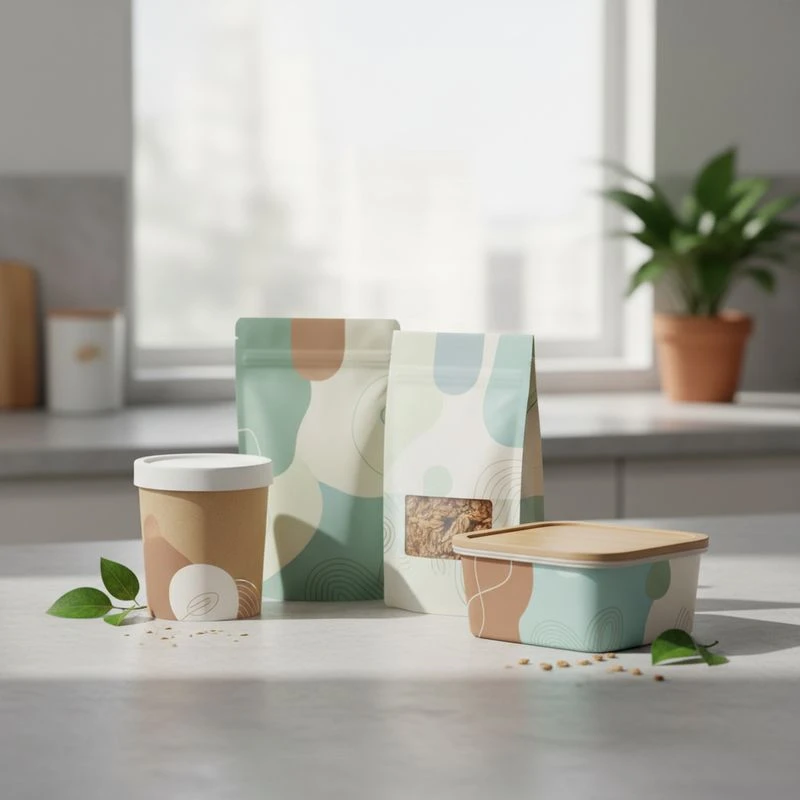
In Australia’s vibrant and competitive food industry, the right packaging is no longer just a necessity; it’s a powerful strategic asset. For modern food brands looking to differentiate themselves, capture consumer attention, and uphold their values, investing in bespoke packaging solutions is paramount. This article delves into how tailored custom food packaging can transform your brand’s presence, enhance product protection, and align with the evolving demands of the Australian market, from sustainable choices to seamless B2B manufacturing partnerships.
Food Packaging
Food packaging serves as the frontline ambassador for any product, playing a crucial, multi-faceted role far beyond simple containment, especially within the dynamic Australian market. Its primary function is, of course, to protect the food from physical damage, chemical contamination, and environmental factors such such as light, moisture, and oxygen, thereby extending shelf life and ensuring product safety. For instance, perishable items like fresh berries or artisanal cheeses require sophisticated barrier packaging to maintain their freshness from farm to fridge, preventing spoilage and retaining sensory qualities. Without robust protection, even the highest quality ingredients can quickly degrade, leading to waste and consumer dissatisfaction. This protective capability is fundamental to maintaining brand reputation and minimizing costly product recalls, which can be particularly damaging in the tightly regulated Australian food landscape overseen by bodies like Food Standards Australia New Zealand (FSANZ).
Beyond protection, packaging is an invaluable source of information. It communicates vital details to consumers, including nutritional facts, ingredients, allergens, country of origin, and preparation instructions. In the Australian context, where consumers are increasingly health-conscious and ingredient-aware, clear and accurate labelling is not just a regulatory requirement but a powerful tool for building trust and transparency. Consider the growing demand for gluten-free, organic, or vegan products; specific labelling on custom food packaging allows these niche markets to easily identify suitable options, creating a direct connection with their target audience. Furthermore, packaging carries critical batch numbers and expiration dates, essential for traceability and ensuring product freshness, a key concern for consumers browsing supermarket aisles across Sydney, Melbourne, or regional Australia. Misleading or insufficient information can lead to consumer frustration or, worse, health risks, underscoring the importance of meticulous attention to detail in the packaging design and printing process.
Ultimately, food packaging is a powerful marketing and branding tool that works tirelessly on the shelf. In a crowded marketplace, it’s often the first and sometimes only interaction a consumer has with your brand before purchase. The visual appeal, tactile feel, and overall design aesthetic of custom food packaging can instantly convey a brand’s story, values, and quality promise. For a gourmet snack brand in Australia, elegant packaging with a premium finish might signal luxury and artisanal quality, justifying a higher price point. Conversely, an organic produce brand might opt for minimalist, earthy tones and sustainable materials to communicate naturalness and environmental responsibility. The psychological impact of packaging on purchasing decisions is profound; an attractive, well-designed package can evoke desire, curiosity, and trust, drawing consumers in and encouraging them to pick up the product. Conversely, generic or poorly designed packaging can blend into the background, failing to capture attention and allowing competitors to dominate. Investing in thoughtfully designed custom food packaging for the Australian market is therefore not just an expense, but a critical investment in brand recognition, consumer loyalty, and ultimately, market share.
Custom Design
In today’s hyper-competitive Australian food sector, simply having a great product isn’t enough; it must also be presented in a way that captures attention and communicates its unique value. This is precisely where custom design for food packaging becomes an indispensable asset. Generic, off-the-shelf packaging solutions offer little to no differentiation, making it incredibly difficult for a modern food brand to stand out amidst a sea of competitors in a busy supermarket aisle or online store. Custom design allows brands to break free from conformity, creating a visual identity that is instantly recognisable and uniquely theirs. Imagine a new artisanal chocolate brand launching in Melbourne; a custom-designed box with a distinctive shape, a unique opening mechanism, or a specially chosen texture can transform the unboxing experience into a memorable event, setting it apart from mass-produced confectionery. This uniqueness is paramount for building strong brand recall and fostering an emotional connection with consumers, turning first-time buyers into loyal advocates. Without a custom approach, a brand risks being perceived as just another commodity, struggling to carve out its niche and command a premium price.
The process of creating effective custom food packaging design is a collaborative journey that typically involves several key stages, each crucial for success. It begins with conceptualization, where the brand’s values, target audience, and product attributes are deeply understood. This phase often involves brainstorming sessions to explore various themes, colour palettes, and structural forms that align with the brand’s essence. For example, a brand selling health-focused protein bars in Australia might opt for vibrant, energetic colours and sleek, functional designs, whereas a traditional bakery might lean towards rustic, warm tones and classic typography. Following conceptualization, material selection plays a critical role. This involves choosing the right substrates that not only protect the product but also convey the desired brand message and meet sustainability goals – a growing concern for Australian consumers. This could range from high-barrier films for snacks to rigid cardboard for premium gift sets. Next, structural design focuses on the physical form of the package, ensuring it is functional, easy to open, store, and transport, while also offering aesthetic appeal. Finally, graphic design brings the visual elements to life, incorporating logos, imagery, typography, and essential information in a cohesive and appealing layout. Each stage demands expert input to ensure the final product is both beautiful and practical, addressing all facets of custom food packaging Australia needs.
While the benefits of custom design are clear, there are potential pitfalls that brands must navigate. One common challenge is over-design, where the packaging becomes too complex, expensive to produce, or difficult for consumers to interact with. An overly intricate structure, while visually striking, might increase manufacturing costs significantly or lead to user frustration if it’s hard to open. Another pitfall is failing to consider manufacturing feasibility early in the design process, leading to designs that are impractical or prohibitively expensive to produce at scale. For instance, a bespoke bottle shape might require specialised moulds and machinery, increasing lead times and unit costs. To mitigate these risks, it is crucial for food brands to collaborate closely with experienced packaging designers and manufacturers from the outset. Engaging a team with expertise in both creative design and production processes can help ensure that the vision is not only aesthetically pleasing but also technically sound and cost-effective. Regular prototyping and testing are also essential steps to identify and resolve any functional issues before full-scale production. By taking a thoughtful, iterative approach and seeking professional guidance, brands can leverage the full power of custom design to create packaging that truly enhances their product and captivates the Australian market.
Sustainable Materials
The demand for sustainable practices has rapidly transformed consumer expectations and regulatory landscapes across Australia, making the choice of packaging materials a critical decision for modern food brands. Consumers are increasingly environmentally conscious, actively seeking out products that align with their values, and this preference extends profoundly to packaging. Brands that demonstrate a commitment to sustainability through their custom food packaging can significantly enhance their market appeal and build stronger loyalty. There’s a tangible shift towards options that reduce environmental impact, such as packaging made from recycled content, which lessens reliance on virgin resources and supports a circular economy. Furthermore, biodegradable and compostable materials are gaining traction, offering end-of-life solutions that prevent accumulation in landfills. Plant-based plastics, derived from renewable resources like corn starch or sugarcane, present another innovative alternative, reducing the carbon footprint associated with traditional fossil fuel-based plastics. For example, an Australian organic produce brand might opt for compostable trays or bags for their fresh goods, clearly signaling their eco-credentials to consumers who prioritize green choices. Failing to address sustainability in packaging is becoming a significant competitive disadvantage, potentially alienating a growing segment of the market and leaving brands vulnerable to negative public perception.
Embracing sustainable packaging materials offers a multitude of benefits that extend beyond environmental stewardship. From a brand image perspective, it positions a company as forward-thinking and socially responsible, resonating deeply with Australian consumers who increasingly factor ethical considerations into their purchasing decisions. This positive brand association can translate into higher sales and a stronger market presence. Moreover, proactively adopting sustainable materials can help brands stay ahead of evolving regulatory requirements, such as potential bans on single-use plastics or mandates for recycled content, avoiding costly last-minute overhauls. For instance, a brand choosing recyclable PET for beverage bottles in anticipation of future deposit schemes is demonstrating foresight. However, the transition to sustainable materials is not without its challenges. Initial costs can sometimes be higher compared to traditional plastics, and ensuring that these materials offer adequate barrier properties and shelf-life protection for food products can be complex. A compostable film, for example, might not offer the same moisture barrier as a multi-layer plastic, requiring careful consideration for certain food types. Availability of specific sustainable materials at scale can also be a hurdle, especially for smaller brands or highly specialised applications. Furthermore, educating consumers on proper disposal methods for novel materials like industrial compostable packaging is crucial to ensure their intended environmental benefits are realized.
To navigate these complexities and successfully integrate sustainable materials into custom food packaging in Australia, brands should adopt a strategic, step-by-step approach. The process typically begins with an audit of current packaging to identify areas for improvement and establish clear sustainability goals—whether it’s reducing plastic use by a certain percentage, achieving 100% recyclability, or incorporating a specific amount of post-consumer recycled content. This might involve conducting a lifecycle assessment (LCA) to understand the true environmental impact of different material choices from sourcing to disposal. Next, it’s vital to partner with packaging suppliers who specialize in sustainable solutions and possess the expertise to guide material selection based on product requirements, budget, and desired environmental outcomes. These partners can advise on the performance characteristics of various bio-plastics, recycled papers, or compostable films, ensuring the chosen material meets both product protection and sustainability criteria. For instance, a supplier might suggest a blend of recycled content and virgin fiber for a rigid box to balance strength with environmental responsibility. Lastly, transparent communication with consumers about sustainable packaging choices is key. Clearly labelling packaging with recycling symbols, composting instructions, or explanations of material origins empowers consumers to participate effectively in the circular economy and reinforces the brand’s commitment. By taking these actionable steps, modern food brands can not only reduce their environmental footprint but also strengthen their brand appeal in the competitive Australian market through thoughtful custom food packaging. Below is a table illustrating various sustainable packaging materials and their characteristics.
| Material Type | Primary Benefit | Common Applications | Considerations for Australia |
|---|---|---|---|
| Recycled PET/HDPE | Reduces virgin plastic use, circular economy | Beverage bottles, rigid food containers, trays | Strong local recycling infrastructure; consumer familiarity. |
| Compostable Films (e.g., PLA, PHA) | Breaks down into natural elements, reduces landfill | Snack wrappers, produce bags, coffee pods | Requires industrial composting facilities; consumer education for correct disposal. |
| FSC Certified Paper/Cardboard | Sustainably sourced, widely recyclable | Boxes, cartons, labels, food wraps | Excellent recyclability in Australia; offers premium print aesthetics. |
| Glass | Infinitely recyclable, premium feel, inert | Jars for sauces, condiments, beverages | High recyclability in Australia; heavier, higher transport emissions. |
This table highlights various sustainable material types commonly used in custom food packaging, detailing their primary benefits, typical applications, and specific considerations for the Australian market. Understanding these characteristics helps brands make informed decisions that balance environmental goals with product protection and consumer convenience. The availability of recycling infrastructure and the need for clear consumer guidance on disposal are crucial factors for success in Australia.
B2B Manufacturing
Securing the right B2B manufacturing partnership is a cornerstone of success for any food brand venturing into custom food packaging in Australia. It’s not merely about finding a supplier, but about establishing a strategic alliance that ensures quality, efficiency, and cost-effectiveness from conception to delivery. The intricate process of turning a design concept into a tangible, mass-produced package involves navigating a myriad of considerations, including minimum order quantities (MOQs), which can vary significantly between manufacturers and material types. A smaller artisan brand, for example, might struggle with high MOQs for complex custom structures, making it essential to find a manufacturer with flexible production capabilities or innovative digital printing solutions that cater to shorter runs. Lead times are another critical factor; the time from placing an order to receiving the finished packaging can impact production schedules and market launch dates, requiring careful planning and clear communication with the manufacturing partner. Delays in packaging can directly translate to lost sales and eroded market opportunities, especially in the fast-paced food industry.
Quality control is paramount in food packaging manufacturing, as any defect can compromise product integrity or damage brand reputation. A reputable manufacturer for custom food packaging Australia will have stringent quality assurance (QA) and quality control (QC) processes in place, conducting checks at every stage, from material sourcing to printing accuracy and structural integrity. This ensures that the packaging consistently meets specifications, is food-safe, and performs as expected on automated filling lines. Cost-effectiveness, while always a consideration, should not come at the expense of quality or reliability. Brands need to evaluate the total cost of ownership, including not just the unit price but also factors like tooling costs, freight, and potential for waste or rework. The importance of clear and comprehensive communication throughout this entire process cannot be overstated. Providing detailed specifications, including precise dimensions, material grades, colour codes (e.g., Pantone numbers), and tolerance levels, minimizes misunderstandings and prevents costly errors. Regular check-ins and an open dialogue with the manufacturing team foster a collaborative environment, ensuring that any challenges are identified and addressed proactively, rather than reactively.
For a successful B2B manufacturing partnership for custom food packaging in the Australian market, a structured approach is essential. The first step involves thoroughly vetting potential suppliers, looking beyond just price. Evaluate their track record, industry experience, certifications (e.g., ISO, HACCP for food safety), and their capacity to handle your specific volume and complexity requirements. Requesting samples of their previous work and conducting factory visits (where feasible) can provide invaluable insights into their capabilities and quality standards. Once a shortlist is established, negotiating clear contracts and service level agreements (SLAs) is crucial. These documents should meticulously outline timelines, quality benchmarks, payment terms, and contingency plans for unforeseen circumstances. Prototyping and extensive testing of the custom food packaging before committing to full-scale production are non-negotiable steps. This includes physical samples for design approval, print proofs for colour accuracy, and even machine trials on your filling lines to ensure seamless integration. Potential pitfalls include miscommunication leading to incorrect specifications, quality issues that only become apparent post-delivery, or unexpected delays due to production bottlenecks. Solutions lie in robust QA/QC processes, clear communication channels with a dedicated account manager, and having backup plans or alternative suppliers identified. By investing time and effort into selecting and managing the right manufacturing partner, modern food brands in Australia can ensure their custom packaging is produced efficiently, to the highest standards, and supports their overall market strategy.
| Manufacturing Consideration | Description | Impact on Brand/Process | Actionable Step for Brands |
|---|---|---|---|
| Minimum Order Quantity (MOQ) | Smallest quantity of units a manufacturer will produce. | Affects upfront cost, inventory management, flexibility for new products. | Negotiate with manufacturers; consider digital printing for smaller runs; plan inventory. |
| Lead Times | Time from order placement to delivery of finished goods. | Impacts production schedules, market launch dates, supply chain fluidity. | Plan well in advance; maintain buffer stock; establish clear timelines with supplier. |
| Quality Control (QC) Standards | Processes to ensure packaging meets specified quality, safety, and performance. | Crucial for food safety, brand reputation, preventing product recalls. | Review supplier’s QC protocols; request certifications; conduct pre-production checks. |
| Tooling & Setup Costs | One-time expenses for moulds, printing plates, or specific machinery setup. | Adds to initial investment; impacts unit cost, especially for complex designs. | Factor into budget; amortize over anticipated production volumes; explore standard tooling options. |
This table outlines critical B2B manufacturing considerations for custom food packaging, detailing their impact and providing actionable steps for food brands in Australia. Addressing these factors proactively is essential for a smooth production process, ensuring the final packaging meets all quality, cost, and timeline expectations. Effective collaboration and thorough planning with manufacturing partners are key to mitigating potential risks.
Brand Enhancement
In the bustling Australian food market, where consumers are spoilt for choice, custom food packaging offers a compelling opportunity for brand enhancement, elevating a product from a mere commodity to a desirable experience. It acts as a silent salesperson, communicating the brand’s unique story, values, and quality promise long before the first bite. The visual and tactile elements of packaging contribute significantly to how a brand is perceived, influencing consumer perception of value and premiumization. For instance, a gourmet granola brand might use a stand-up pouch with a matte finish, a resealable zipper, and intricate botanical illustrations to convey naturalness and sophistication, justifying a higher price point compared to competitors in a basic plastic bag. This strategic approach to design goes beyond mere aesthetics; it’s about crafting an unboxing experience that delights and resonates with the target audience, fostering a deeper connection and reinforcing the brand narrative. When the packaging itself becomes part of the product’s appeal, it creates a powerful differentiator that can translate into sustained market advantage and customer loyalty.
Custom food packaging is a vital tool for engaging consumers on multiple sensory levels and fostering brand recall. The thoughtful integration of design elements can create a memorable interaction that encourages repeat purchases and even social sharing. Consider the impact of premium finishes, such as spot UV coatings that highlight key visuals, embossing that adds a tactile dimension, or metallic inks that exude luxury. These details elevate the perceived quality of the product and signal attention to detail, making the consumer feel that they are purchasing something truly special. A limited-edition custom food packaging design, perhaps for a seasonal Australian flavour or a collaboration, can generate excitement, urgency, and collectibility, driving impulse purchases and creating buzz around the brand. Consistent branding across all packaging formats – from primary product containers to secondary shipping boxes – reinforces brand identity and ensures a cohesive market presence. When a consumer recognizes a brand instantly, whether on a supermarket shelf, in a cafe, or delivered to their home, it builds trust and familiarity. This consistency in branding, enabled by custom design, strengthens the brand’s position in the minds of Australian consumers, making it more resilient against competitor offerings and market fluctuations.
To effectively leverage custom food packaging for brand enhancement, modern food brands should adopt several actionable steps. Firstly, develop comprehensive brand guidelines that extend beyond the logo to include specific colour palettes, typography, imagery styles, and tone of voice that are consistently applied across all packaging. This ensures every piece of packaging tells a coherent brand story. Secondly, consider the sensory elements of the packaging – how it looks, feels, and even sounds (e.g., the satisfying snap of a lid). These subtle cues contribute significantly to the overall brand experience. Thirdly, embrace innovative structural designs that offer practical benefits while also being aesthetically pleasing. A unique package shape or an easy-open feature can become a signature element of the brand. Fourthly, actively solicit consumer feedback on packaging designs. What do they like? What could be improved? This iterative process helps refine the packaging to best meet consumer expectations and preferences. Lastly, don’t underestimate the power of storytelling on packaging. Use the available space to share your brand’s heritage, your commitment to quality ingredients, or your sustainability initiatives. For example, an Australian honey brand might include a small illustration of their apiary and a brief story about their beekeeping practices, adding a personal touch that resonates with consumers. By integrating these strategies into their custom food packaging, modern food brands in Australia can transform their products into captivating brand experiences, driving engagement, loyalty, and sustained growth. The table below outlines various design elements and their impact on brand enhancement.
| Design Element | Description | Brand Enhancement Impact | Example for Custom Food Packaging Australia |
|---|---|---|---|
| Unique Structure/Shape | Non-standard packaging form that stands out visually. | High differentiation, memorable, conveys innovation or premium status. | An artisanal juice in a uniquely curved glass bottle; a snack bar with a distinct, ergonomic wrapper. |
| Premium Finishes | Special printing techniques like spot UV, embossing, foil stamping. | Elevates perceived value, creates tactile experience, signals luxury. | A gourmet chocolate bar with an embossed logo; a wine bottle label with metallic foil accents. |
| Consistent Branding & Storytelling | Unified visual identity and narrative across all packaging. | Builds trust, reinforces brand identity, creates emotional connection. | A range of organic dairy products with cohesive design, sharing their farm’s story. |
| Functionality & Convenience | Features like resealable zippers, easy-open tabs, portion control. | Enhances user experience, adds practical value, encourages repeat purchase. | A coffee pouch with a one-way valve and easy-tear opening; a snack pack with a built-in dipping compartment. |
This table details various design elements that significantly contribute to brand enhancement through custom food packaging. Each element plays a distinct role in elevating perceived value, improving consumer experience, and strengthening brand identity in the competitive Australian market. Thoughtful application of these elements can transform packaging from a mere container into a powerful marketing tool.
