
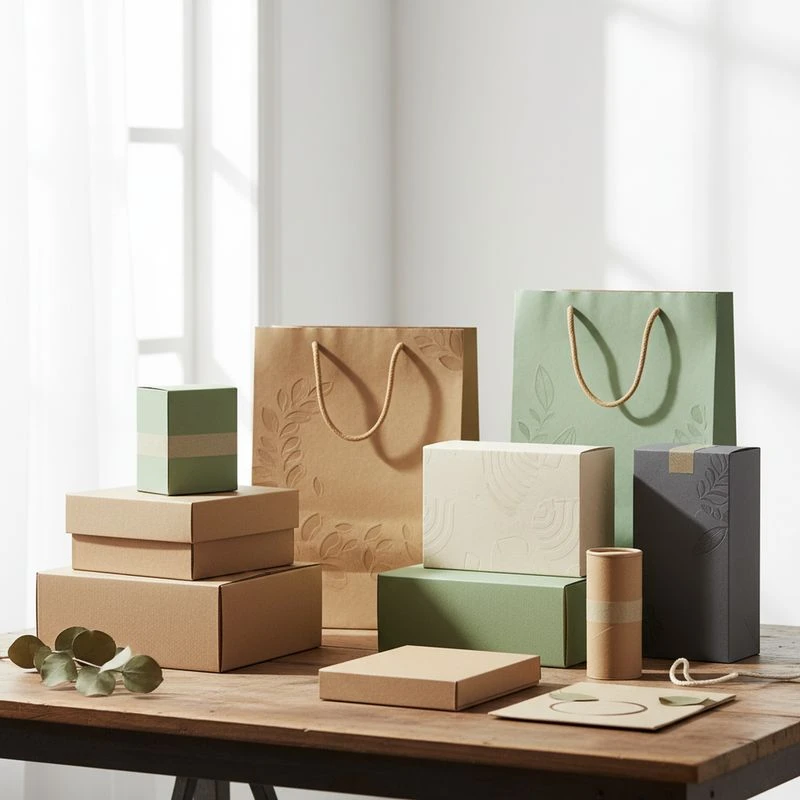
How Custom Solutions Drive Brand Growth for Conscious Businesses Down Under
In Australia’s dynamic and environmentally aware market, the choice of packaging is no longer just a logistical decision; it’s a powerful statement of a brand’s values. For eco-conscious brands, embracing sustainable practices is paramount, and at the heart of this movement lies custom paper packaging. The takeaway is clear: investing in thoughtfully designed, environmentally responsible packaging not only resonates with the growing number of Australian consumers who prioritise sustainability but also fortifies a brand’s reputation as a responsible leader. The reasoning behind this shift is multifaceted, driven by increasing consumer demand for transparency, stricter environmental regulations, and a collective desire to minimise ecological footprints. Brands that proactively adopt eco-friendly packaging solutions stand to gain significant competitive advantage, building deeper trust and loyalty with their target audience. This is particularly true in Australia, where the natural environment is highly valued, and consumers are increasingly scrutinising the lifecycle of products they purchase, right down to the packaging that encases them.
To navigate this evolving landscape successfully, brands must look beyond mere compliance and instead view sustainable packaging as an integral part of their brand narrative. This means moving away from generic, unsustainable options and embracing custom paper packaging that aligns perfectly with their eco-conscious mission. Practical examples abound across various industries in Australia, from artisan food producers using recycled kraft boxes for their gourmet treats to boutique fashion labels opting for bespoke, unbleached paper bags. These businesses understand that every element, including their packaging, contributes to the overall brand experience and message. The actionable steps for brands involve a thorough audit of their current packaging, identifying areas where more sustainable paper-based alternatives can be implemented, and then actively seeking out partners who can deliver custom solutions tailored to their specific needs. Potential pitfalls include greenwashing – making unsubstantiated claims about environmental benefits – which can severely damage brand credibility. To avoid this, brands must ensure their packaging choices are genuinely sustainable and backed by verifiable certifications, maintaining transparency with their customers at every stage. The solution lies in authentic commitment and diligent research into materials and suppliers, guaranteeing that their custom paper packaging truly reflects their eco-conscious ethos.
Paper Packaging
Paper packaging stands as a cornerstone of sustainable branding for Australian businesses striving to make a positive environmental impact. The overarching takeaway is that transitioning to paper-based packaging is a tangible and effective way for eco-conscious brands to demonstrate their commitment to sustainability, directly appealing to a consumer base that is increasingly prioritising ethical consumption. The reasoning behind its prominence is rooted in its inherent environmental advantages over conventional materials like plastic. Paper is a renewable resource, derived from trees that can be replanted, fostering a continuous and sustainable cycle. Furthermore, it is largely biodegradable and compostable, ensuring that even if it escapes the recycling stream, it will eventually break down naturally without leaving lasting pollutants in the environment. This contrasts sharply with plastics, which can persist for hundreds of years, contributing to landfill overload and microplastic pollution in our oceans, a particularly sensitive issue for a country with Australia’s extensive coastline and diverse marine life. The growing preference among Australian consumers for paper packaging is not just anecdotal; surveys consistently show a strong inclination towards brands that utilise eco-friendly packaging, viewing it as a marker of trustworthiness and responsibility.
For brands considering this transition, the actionable steps begin with understanding the vast array of paper materials available. Options range from recycled content paper, which gives new life to existing fibres, to virgin paper sourced from sustainably managed forests (FSC-certified). Each offers distinct properties suitable for different product types and brand aesthetics. For instance, a brand selling organic skincare might opt for a tactile, unbleached recycled paper, conveying a natural and authentic feel, while a premium food product might use a smooth, high-quality, FSC-certified board that still maintains a luxurious look. Practical examples of successful adoption include local Australian coffee roasters using custom paper pouches with bio-linings, or artisanal soap makers packaging their products in beautifully designed paper wraps. A common pitfall can be assuming all paper is equally sustainable; paper with excessive laminates or coatings can sometimes hinder recyclability. The solution lies in working closely with packaging experts who can advise on the most sustainable paper types for specific applications, ensuring that the chosen materials align with both brand values and local recycling capabilities. Moreover, considering local sourcing of paper materials and manufacturing in Australia can significantly reduce the carbon footprint associated with transportation, aligning even further with an eco-conscious approach. This comprehensive approach to custom paper packaging for eco-conscious brands in Australia ensures not only environmental responsibility but also enhances brand perception and market appeal.
Recyclable
Ensuring that custom paper packaging is genuinely recyclable is absolutely paramount for eco-conscious brands operating in the Australian market. The core takeaway here is that merely using paper isn’t enough; the packaging must be designed and produced in a way that allows it to be efficiently processed through Australia’s existing recycling infrastructure. The reasoning behind this emphasis stems from the critical difference between a material being “recyclable” in theory versus being “recycled” in practice. Many materials can technically be recycled, but if the local facilities lack the technology, or if the material is contaminated or too complex (e.g., multi-layer composites), it often ends up in landfill. Australian consumers are becoming increasingly sophisticated in their understanding of recycling, and they expect brands to provide clear, actionable guidance on how to responsibly dispose of packaging. Misleading claims about recyclability, often referred to as greenwashing, can severely damage a brand’s reputation and erode consumer trust. Therefore, transparency and alignment with local recycling guidelines, such as those promoted by the Australasian Recycling Label (ARL), are essential components of an effective sustainable packaging strategy. This commitment to genuine recyclability underscores a brand’s dedication to the circular economy.
To implement truly recyclable custom paper packaging, actionable steps include a thorough understanding of material compatibility with kerbside recycling systems prevalent across Australia. This often means opting for uncoated papers, single-material constructions, and avoiding excessive use of glues, plastic laminates, or metallic foils that can contaminate paper recycling streams. For items requiring barriers against moisture or grease, brands should explore innovative paper-based alternatives with compostable linings or natural waxes, rather than traditional plastic coatings. A practical example is a brand switching from a plastic-laminated coffee cup to a cup with a plant-based, compostable lining that can be sorted with food waste or, in some areas, specially recycled. Another vital step is clear consumer education through appropriate labelling. The ARL provides a standardised system that helps consumers understand whether a product is widely recyclable, conditionally recyclable, or needs to go to landfill, reducing confusion and increasing correct disposal rates. A common pitfall for brands is choosing visually appealing but non-recyclable finishes. The solution involves collaborating with packaging designers and manufacturers who specialise in sustainable options and have a deep understanding of local recycling capabilities. They can guide material selection, ink choices (e.g., vegetable-based inks), and adhesive use to ensure the final custom paper packaging product is as eco-friendly as possible, aligning with both brand aesthetics and environmental responsibility.
Below is a table outlining common paper packaging materials and their general recyclability within the Australian context, helping brands make informed decisions.
| Material Type | Key Characteristics | Australian Recyclability (General Kerbside) | Best Practices for Recycling |
|---|---|---|---|
| Uncoated Kraft Paper/Cardboard | Brown, fibrous, strong, natural look. Common for boxes, mailers. | Widely Recyclable | Flatten boxes, remove all contents. No food residue. |
| Coated/Glossy Paperboard | Smooth, often white, good for printing. Used for retail boxes. | Widely Recyclable (if thin coating) | Ensure coating is thin and doesn’t hinder fibre separation. Avoid heavy plastic laminates. |
| Recycled Paperboard | Made from post-consumer waste, variable texture. | Widely Recyclable | Treat same as uncoated paper. Its recycled content makes it a circular choice. |
| Paper with PE/Plastic Lining | Common for coffee cups, food packaging; provides moisture barrier. | Limited (Often Not Kerbside) | Check for specific commercial composting or collection programmes (e.g., Simply Cups). Avoid where possible. |
| Greaseproof Paper (Silicone-free) | Parchment paper, often for food wrapping. | Compostable (check local council) | If clean, some kerbside systems accept. Best for home or industrial composting if genuinely free of non-compostable coatings. |
This table illustrates that while many paper packaging types are readily recyclable in Australia, the presence of certain coatings or mixed materials can complicate or prevent kerbside recycling. Brands should prioritise single-material paper solutions and verify that any coatings used are genuinely compostable or recyclable within their specific target market’s infrastructure, ensuring their custom paper packaging is truly sustainable.
Custom Design
Custom design transforms eco-friendly packaging into an incredibly powerful brand storytelling tool, transcending its functional purpose to become an integral part of the consumer experience. The core takeaway here is that for eco-conscious brands in Australia, bespoke packaging design is not merely about aesthetics; it’s about conveying authenticity, reinforcing values, and creating an unforgettable unboxing moment that solidifies brand loyalty. The reasoning is simple yet profound: in a crowded market, packaging is often the very first physical interaction a customer has with a product. A well-executed custom design, especially one that thoughtfully incorporates sustainable materials, immediately communicates a brand’s attention to detail, its commitment to quality, and its respect for the environment. It allows a brand to visually express its unique identity, differentiate itself from competitors, and evoke emotions that resonate deeply with its target audience. This synergy between sustainability and aesthetics ensures that the packaging not only aligns with eco-conscious principles but also elevates the perceived value and desirability of the product within.
For brands looking to leverage custom design, the actionable steps involve a collaborative approach, beginning with a clear articulation of brand values, target audience, and product positioning. Engaging with experienced packaging designers who understand both sustainable materials and effective branding is crucial. They can help translate a brand’s ethos into tangible design elements – from the choice of paper texture (e.g., a rough, recycled kraft for an artisanal product versus a smooth, elegant FSC-certified board for luxury goods) to the colour palette (e.g., earthy tones for natural products, vibrant eco-friendly inks for a playful brand). Practical examples include Australian brands using intricate die-cut patterns that reflect native flora, or employing minimalist designs with impactful, debossed logos that speak volumes without excessive ink. Incorporating unique features like custom inserts, bespoke tissue paper, or branded seals can further enhance the unboxing experience, turning a simple package opening into a memorable event. A potential pitfall is over-designing, leading to complex structures that are difficult to recycle or expensive to produce in small batches. The solution lies in striking a balance between creativity and practicality, ensuring the design is not only visually stunning but also functional, cost-effective for the desired scale, and maintains the integrity of the product while adhering to sustainable principles. By focusing on smart, impactful custom design for their eco-conscious paper packaging, Australian brands can leave a lasting impression that extends far beyond the product itself.
B2B Printing
Partnering with the right B2B printing provider is absolutely crucial for the successful implementation of effective and sustainable custom paper packaging for eco-conscious brands in Australia. The primary takeaway for businesses is that selecting a print partner goes far beyond comparing quotes; it requires a deep dive into their capabilities, ethical practices, and commitment to environmental stewardship to ensure the final product truly aligns with brand values. The reasoning behind this meticulous selection process stems from the inherent complexities of B2B printing. Unlike small-scale consumer printing, business-to-business engagements involve managing large volumes, ensuring colour consistency across batches, maintaining stringent quality control, and, critically, navigating the intricacies of sustainable printing practices. A reputable B2B printer should not only be able to produce high-quality custom paper packaging but also operate with an environmental conscience, utilising eco-friendly inks, energy-efficient machinery, and responsible waste management. Choosing a local Australian supplier for your custom paper packaging can further reduce the carbon footprint associated with transportation, offer faster lead times, and facilitate more direct communication and quality control throughout the production process, reinforcing the brand’s commitment to local industry and sustainability.
For brands seeking such a partner, the actionable steps begin with a comprehensive vetting process. What to look for in a B2B printing partner includes, first and foremost, their certifications – do they have FSC (Forest Stewardship Council) certification for paper sourcing, or ISO 14001 for environmental management? Enquire about their use of vegetable-based or water-based inks, which are far more eco-friendly than petroleum-based alternatives. Ask about their quality assurance processes to guarantee consistency, especially vital for branding across multiple product lines. Requesting samples of their previous work, particularly custom paper packaging for other eco-conscious brands, can provide tangible evidence of their capabilities and attention to detail. Practical examples might involve a food brand needing custom stand-up pouches printed with food-safe, compostable inks, or a beauty brand requiring elegant, embossed boxes made from recycled cardstock. Understanding minimum order quantities (MOQs) is also key, as some printers cater better to smaller, artisanal brands while others specialise in larger industrial runs. A potential pitfall is being swayed by the lowest price without verifying the printer’s sustainable credentials, which could inadvertently compromise the brand’s eco-conscious image. The solution is to prioritise printers who demonstrate genuine transparency in their supply chain and manufacturing processes, are willing to discuss their environmental policies in detail, and can provide references from other eco-conscious businesses. By carefully selecting a B2B printing partner, Australian brands can ensure their custom paper packaging is not only visually stunning and protective but also produced in the most environmentally responsible manner possible, from concept to delivery.
To assist in this selection process, the following table outlines key considerations for choosing a custom paper packaging printer:
| Factor | Importance for Eco-Conscious Brands | What to Ask/Look For |
|---|---|---|
| Sustainability Certifications | Verifies adherence to environmental standards and responsible sourcing. | FSC, PEFC, ISO 14001. Ask for proof and audited policies. |
| Eco-Friendly Materials & Inks | Ensures packaging components are low impact and recyclable/compostable. | Vegetable/water-based inks, recycled paper content, compostable coatings/adhesives. |
| Quality & Consistency | Maintains brand image and product protection. | Samples of previous work, quality control processes, colour matching capabilities. |
| Local Manufacturing & Supply Chain | Reduces carbon footprint, supports local economy, faster lead times. | Ask about their manufacturing location, material sourcing origin, and logistics. |
| Minimum Order Quantities (MOQs) | Impacts feasibility for brands of different scales. | Discuss your specific volume needs and see if they can accommodate. |
| Experience with Custom Designs | Ensures complex or unique packaging ideas can be realised. | Portfolio of custom paper packaging projects, design collaboration process. |
This table serves as a guide for eco-conscious brands in Australia to evaluate potential B2B printing partners, ensuring that their chosen provider aligns with their sustainability goals and can deliver high-quality custom paper packaging. A comprehensive assessment based on these factors will lead to a successful and environmentally responsible partnership.
Natural Look
Embracing a natural aesthetic in custom paper packaging resonates deeply with eco-conscious consumers across Australia, offering a powerful visual and tactile expression of a brand’s commitment to sustainability. The core takeaway is that a “natural look” isn’t merely a design trend; it’s a strategic choice that communicates authenticity, transparency, and an inherent connection to the environment, directly appealing to the values of an informed consumer base. The reasoning behind its effectiveness lies in the psychological impact of natural textures and earthy tones. These elements evoke feelings of purity, simplicity, and an unprocessed quality, implicitly suggesting that the product contained within is also natural, wholesome, and ethically produced. In a market saturated with artificial colours and glossy finishes, a minimalist, natural design stands out, often perceived as more honest and less “processed.” This approach contrasts sharply with overly elaborate or synthetic-looking packaging, which can inadvertently convey a sense of artificiality or excessive resource consumption, thereby undermining an eco-conscious brand’s message. For Australian brands, this aesthetic also subtly connects to the country’s vast natural landscapes and a strong cultural appreciation for environmental preservation.
For brands looking to achieve this sought-after natural look in their custom paper packaging, there are several actionable steps. The foundation often begins with the material itself: utilising unbleached kraft paper, recycled content paper with visible fibres, or plantable seed paper immediately conveys an organic feel. These materials inherently possess unique textures and natural colour variations that enhance the aesthetic without requiring extensive printing or finishing. Practical examples include a gourmet food brand using textured, unbleached brown paper for their product labels, or a handcrafted jewellery business opting for small, unadorned recycled cardboard boxes tied with natural twine. Minimalist designs are key, allowing the beauty of the paper to shine through. This often involves using simple, clear typography, limited colour palettes (perhaps just one or two vegetable-based inks), and avoiding heavy varnishes or laminates that can obscure the paper’s natural texture. Techniques like embossing or debossing can add a sophisticated, tactile element without introducing additional materials or colours. Another approach is to incorporate subtle design elements inspired by nature, such as botanical illustrations or patterns that reflect natural forms. A potential pitfall is mistaking “natural” for “plain” or “unprofessional.” The solution lies in careful design execution, ensuring that even with a minimalist approach, the packaging still exudes quality, reinforces brand identity, and provides adequate protection for the product. By thoughtfully integrating a natural look into their custom paper packaging, Australian eco-conscious brands can create a compelling visual narrative that resonates deeply with consumers who value authenticity and environmental responsibility, enhancing both brand perception and market appeal.
