
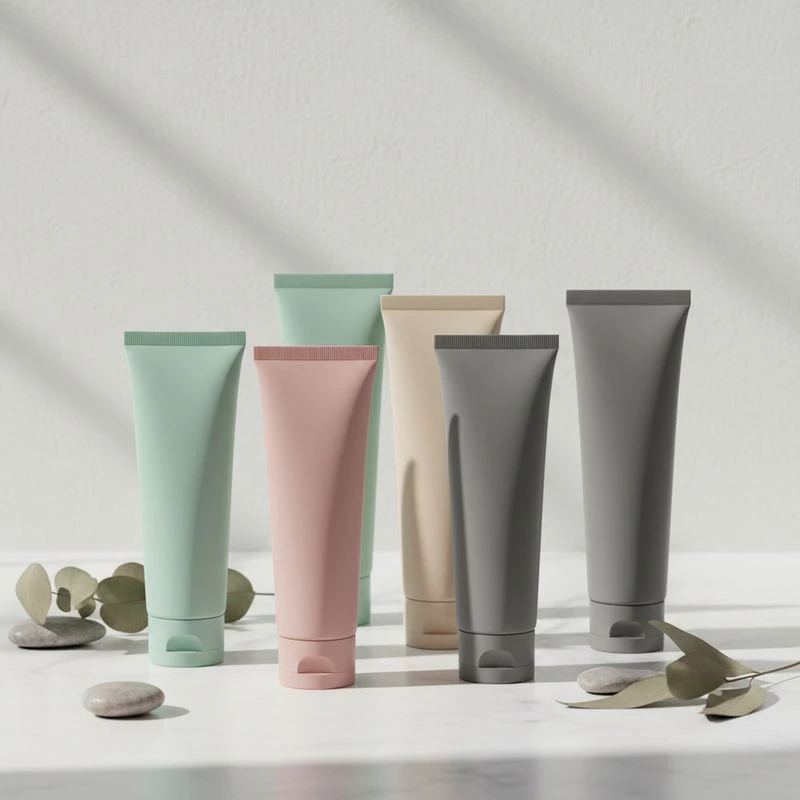
A Comprehensive Guide to Elevate Your Brand in a Dynamic Market
In the fiercely competitive Australian skincare and cosmetics market, standing out is not just an advantage—it’s a necessity. The first impression a customer forms of your product often begins before they even open it, making your packaging a silent, yet powerful, ambassador for your brand. This is precisely where the strategic advantage of custom tube packaging for skincare and cosmetics comes into play. For Australian brands aiming for shelf appeal, product integrity, and consumer trust, investing in tailored tube solutions is a non-negotiable step towards market leadership. From protecting delicate formulations to communicating core brand values and sustainability commitments, custom tubes offer a versatile and effective solution that resonates deeply with the discerning Australian consumer. Understanding the nuances of design, material selection, and supply chain integration is paramount for businesses looking to not just survive, but thrive, in this vibrant industry. This article will guide you through the critical aspects, offering practical insights and actionable steps to leverage custom tube packaging effectively for your brand in the Australian landscape, ensuring your products are not just seen, but remembered and desired.
Tube Packaging
The choice of tube packaging for your skincare and cosmetics products is far more than a mere container; it’s a strategic decision that impacts product integrity, user experience, and overall brand perception, especially within the specific demands of the Australian market. The primary takeaway here is that selecting the right type of custom tube packaging is foundational to your product’s success. Tubes offer unparalleled protection against air and light, crucial for maintaining the efficacy of sensitive active ingredients common in modern skincare. Their inherent design promotes hygienic dispensing, minimizing product contamination and maximizing the usable life of the formulation, which is a significant advantage for consumers seeking value and longevity from their purchases. Moreover, the tactile experience of a well-designed tube enhances the perceived quality of the product, creating a premium feel that aligns with the expectations of Australian consumers who are increasingly sophisticated in their beauty choices. Tubes also minimize product waste, allowing consumers to squeeze out almost every last drop, contributing to a sense of satisfaction and sustainability.
Explaining the reasoning behind this, the versatility of custom tube packaging for skincare and cosmetics allows brands to tailor every aspect to their specific needs. From single-layer polyethylene (PE) tubes that offer excellent flexibility and cost-effectiveness to multi-layer barrier tubes that provide enhanced protection for oxygen-sensitive ingredients, the options are extensive. Materials like HDPE, LDPE, and PP each bring unique properties regarding rigidity, clarity, and chemical resistance. For instance, a lightweight, squeezable LDPE tube might be ideal for a face cleanser, while a more rigid, barrier-protected ABL (Aluminum Barrier Laminate) tube could be perfect for a vitamin C serum, safeguarding its potency against environmental degradation. The cap choice also plays a significant role, with flip-top caps offering convenience for daily use and screw caps providing a more secure seal for travel or longer storage. Understanding these material science considerations is vital for Australian brands operating in diverse climatic conditions, from humid coastal areas to dry inland regions, where product stability can be a genuine concern. A poorly chosen material could lead to product degradation, leakage, or an unsatisfactory consumer experience, directly impacting brand reputation and customer loyalty. This is a common pitfall for brands that prioritize cost over suitability, leading to more expensive rectifications down the line.
For brands looking to implement custom tube packaging, the actionable steps begin with a thorough product assessment. First, identify the specific properties of your formulation: its viscosity, pH level, photosensitivity, and oxygen sensitivity. This dictates the barrier requirements and material compatibility. Next, consider your target audience and their usage habits. Are they looking for convenience, luxury, or sustainability? This will influence the design, size, and cap style. Third, work closely with your packaging supplier to explore different tube materials and designs, requesting samples for compatibility testing with your actual product. This step cannot be overstated; conducting rigorous stability and compatibility testing ensures that the tube material does not react with the product, alter its scent or colour, or lead to structural failure over time. For example, some essential oils or highly acidic ingredients can degrade certain plastics, necessitating specialised barrier layers. A practical example would be a brand developing an SPF product; the custom tube packaging would need to be opaque to prevent UV degradation and potentially feature a high-density material or barrier layer to prevent oil separation or leakage under heat stress, a common issue in Australia’s harsh summers. Brands should also consider the fill volume and product yield; tubes are excellent for minimizing residual product, offering an ergonomic design that consumers appreciate. By meticulously planning and testing, Australian brands can confidently launch products with custom tube packaging that not only looks exceptional but also performs flawlessly, reinforcing their commitment to quality and consumer satisfaction.
| Material Type | Key Properties | Typical Applications | Australian Market Relevance |
|---|---|---|---|
| LDPE (Low-Density Polyethylene) | Soft, flexible, excellent squeeze, good chemical resistance. | Cleansers, lotions, body washes. | Cost-effective for high-volume, general use products. |
| HDPE (High-Density Polyethylene) | More rigid, good barrier properties, impact resistant. | Sunscreens, thicker creams, hair conditioners. | Durability for outdoor/travel use, suitable for thicker formulas. |
| PP (Polypropylene) | High stiffness, good heat resistance, excellent clarity. | Specific serums, balms, roll-on deodorants. | Premium feel for specific product types, good for heat stability. |
| ABL (Aluminum Barrier Laminate) | Excellent barrier against oxygen, light, and moisture; preserves sensitive ingredients. | Vitamin C serums, medicated creams, natural formulations. | Critical for extending shelf life of active ingredients in varied climates. |
| PBL (Plastic Barrier Laminate) | Good barrier properties, aesthetically versatile, non-creasing. | Toothpastes, facial masks, some skincare treatments. | Offers barrier without metallic feel, versatile printing options. |
This table illustrates the diverse material options available for custom tube packaging, each offering distinct advantages depending on the product’s formulation and market positioning. Australian brands can use this as a quick reference to match their specific product needs with the appropriate tube material, ensuring optimal product preservation and consumer experience. The “Australian Market Relevance” column highlights considerations pertinent to the local environment and consumer preferences, guiding strategic material selection.
Beauty Industry
The Australian beauty industry is dynamic and highly competitive, characterized by discerning consumers who are increasingly sophisticated in their choices and demand more than just effective products; they seek experiences, values, and visual appeal. For brands operating in this vibrant sector, custom tube packaging for skincare and cosmetics is a pivotal tool for market differentiation and brand building. The key takeaway here is that well-executed custom packaging transforms a functional container into a powerful marketing asset that communicates your brand story, attracts attention on crowded shelves, and fosters emotional connections with consumers. In an era where online shopping and social media heavily influence purchasing decisions, the aesthetic and tactile qualities of your packaging become an extension of your digital presence, translating into real-world appeal.
The reasoning behind this strategy is multifaceted. Firstly, custom tube packaging allows for complete control over visual branding. Every element, from the tube’s colour and finish (matte, glossy, metallic) to the specific placement of your logo, typography, and graphics, can be meticulously designed to reflect your brand’s unique identity. For a high-end natural skincare brand, a minimalist design with a soft-touch matte finish and earthy tones might convey purity and sophistication. Conversely, a vibrant, playful design with bold colours could appeal to a younger, more trend-conscious demographic for a cosmetics line. In Australia, where natural ingredients and sustainability are highly valued, packaging that subtly communicates these attributes—perhaps through recycled materials or understated, organic designs—can significantly resonate with consumers. Ignoring these cultural and market-specific nuances can be a significant pitfall; generic or ill-fitting packaging can make even an excellent product appear unremarkable, failing to capture the imagination of the target audience. Brands must conduct thorough market research to understand the visual language and aesthetic preferences of their desired Australian consumer segment. Practical examples include native botanical brands leveraging local imagery or indigenous-inspired patterns to create a strong sense of place and authenticity.
Actionable steps for Australian beauty brands involve a holistic approach to custom tube packaging design. Begin by defining your brand’s core values, target demographic, and unique selling proposition. This foundational understanding will inform every design decision. Next, collaborate closely with experienced packaging designers who understand both your brand vision and the technical capabilities of tube manufacturing. They can translate your aesthetic goals into feasible and impactful designs. Consider how your packaging will look not just in isolation, but also within a retail environment, both physical and digital. Does it stand out on a shelf? Is it Instagrammable? Request 3D renders and physical prototypes to visualize the final product before committing to mass production. Another critical aspect is ensuring that your packaging communicates essential product information clearly and compliantly with Australian regulations, including ingredient lists, usage instructions, and expiry dates. Over-cluttering the design can be a pitfall, making it difficult for consumers to quickly grasp key information. A clean, hierarchical presentation of information is always best. Finally, think about the unboxing experience; custom tube packaging can be part of a larger presentation, enhancing perceived value. For example, a luxurious, custom-printed tube nested within a branded box elevates the entire product offering, creating a memorable moment for the consumer. By treating custom tube packaging as an integral part of your brand strategy, Australian beauty companies can create products that not only perform well but also enchant and engage their audience, securing a lasting position in the competitive beauty landscape.
B2B Supply
Navigating the B2B supply chain for custom tube packaging for skincare and cosmetics in Australia requires meticulous planning and a strategic approach to ensure quality, cost-effectiveness, and timely delivery. The primary takeaway for Australian brands is that establishing robust relationships with reliable packaging suppliers is paramount to maintaining consistent product quality and meeting market demands. A strong B2B partnership goes beyond transactional exchanges; it involves collaborative problem-solving, transparent communication, and a shared commitment to excellence. For many small to medium-sized Australian beauty brands, sourcing custom packaging can present unique challenges, including minimum order quantities (MOQs), lead times, and international logistics if sourcing globally. Successfully managing these aspects ensures that product launches are smooth, inventory levels are optimal, and production schedules are met without costly delays or compromises on quality.
The reasoning behind prioritizing a strong B2B supply strategy stems from the inherent complexities of custom manufacturing. Unlike off-the-shelf packaging, custom tube packaging involves tooling, specific material procurement, and intricate printing processes, all of which require precise coordination. A reputable supplier will have established quality control measures at every stage, from raw material inspection to final product verification, safeguarding your brand against defects. For instance, colour consistency across different batches of tubes is vital for brand integrity, and a good supplier will have strict colour management protocols. Another critical aspect for the Australian market is understanding lead times; customised orders, especially for specialised materials or complex print designs, can take several weeks or even months from design approval to delivery. Failing to account for these lead times can result in stock shortages, missed launch dates, and ultimately, lost sales. Furthermore, for brands sourcing internationally, navigating customs, import duties, and freight logistics requires expertise. A supplier with experience in global shipping and an understanding of Australian import regulations can significantly streamline this process, avoiding unexpected costs or delays at the border. A common pitfall for new brands is choosing the cheapest supplier without proper vetting, often leading to quality issues, communication breakdowns, or missed deadlines that ultimately cost more than the initial savings.
To establish an effective B2B supply chain for custom tube packaging, Australian brands should follow several actionable steps. Firstly, thoroughly vet potential suppliers. Request references, review their portfolio of work (especially for skincare and cosmetics), and inquire about their quality assurance processes and certifications (e.g., ISO standards). Arrange site visits if possible or conduct virtual tours to assess their manufacturing capabilities and cleanliness. Secondly, clearly communicate your specifications. Provide detailed artwork files, material requirements, dimensions, cap types, and any specific barrier needs. The more precise your brief, the less room for error. Third, discuss MOQs and lead times upfront. While MOQs can be a challenge for smaller brands, some suppliers offer lower MOQs for their standard tube types, or you might explore aggregating orders with other brands if feasible. Plan your orders well in advance, considering buffer times for unforeseen delays. Fourth, negotiate clear payment terms, shipping arrangements, and dispute resolution mechanisms in your contract. For example, a reliable supplier might offer staggered payments or a clear policy for handling defective batches. A practical example involves a brand needing a unique matte finish on their custom tube packaging; a good supplier will not only confirm they can achieve this but will provide physical samples of the finish on the chosen tube material for approval before mass production, minimizing the risk of an unsatisfactory outcome. Building a long-term relationship with a few trusted suppliers rather than constantly seeking new ones can also lead to better pricing, priority service, and deeper collaborative innovation over time, which is a significant advantage in the competitive Australian beauty market.
| Parameter | Description | Typical Range/Consideration | Impact on Australian Brands |
|---|---|---|---|
| Minimum Order Quantity (MOQ) | Smallest quantity a supplier will produce for a custom order. | 5,000 – 25,000 units (can vary based on customisation). | Affects upfront investment and inventory management for small/new brands. |
| Lead Time | Time from order confirmation to delivery. | 4-12 weeks (design, production, shipping). | Crucial for product launch planning and avoiding stockouts. |
| Unit Cost | Cost per tube, heavily influenced by MOQ, material, and printing. | Varies widely (e.g., $0.15 – $1.00+). | Directly impacts product profitability and retail pricing strategy. |
| Quality Control (QC) | Supplier’s process for ensuring product standards. | ISO certified, in-line inspection, batch testing. | Ensures consistent brand image and avoids costly recalls. |
| Logistics & Shipping | Arrangements for transport, customs, and delivery. | FOB (Free On Board) often for international, DDP (Delivered Duty Paid) preferred. | Impacts total landed cost and delivery reliability in Australia. |
This table outlines the critical B2B supply parameters that Australian brands must consider when procuring custom tube packaging for skincare and cosmetics. Understanding these factors allows for better financial planning, inventory management, and risk mitigation. Brands should discuss each of these parameters in detail with potential suppliers to align expectations and secure a supply chain that supports their business objectives effectively.
Printing
The printing on your custom tube packaging for skincare and cosmetics is arguably the most impactful element for visual communication and brand recognition, transforming a plain tube into a compelling storyteller. The undeniable takeaway here is that exceptional printing quality is non-negotiable for captivating the discerning Australian consumer and differentiating your product in a crowded market. It’s not just about applying your logo; it’s about conveying texture, emotion, and brand values through colour, finish, and intricate design details. The printing process brings your brand’s aesthetic vision to life, making the first physical connection with your audience and influencing their perception of quality before they even use the product.
The reasoning behind investing in superior printing capabilities is deeply rooted in consumer psychology and market dynamics. High-quality printing elevates the perceived value of your product, suggesting attention to detail and a premium formulation within. Conversely, poor print quality—faded colours, misaligned graphics, or smudged text—can inadvertently signal lower product quality, eroding consumer trust. In Australia, where there’s a strong appreciation for well-designed and authentic brands, packaging that looks cheap or unprofessional can severely hinder market penetration. Various printing techniques offer distinct advantages, allowing brands to choose the best method to achieve their desired aesthetic. Offset printing, for instance, provides high-resolution graphics and excellent colour accuracy, ideal for intricate designs and gradient effects. Screen printing offers vibrant, opaque colours and a tactile raised texture, perfect for bold logos or braille. Hot stamping can add luxurious metallic or holographic accents, conveying elegance and sophistication, while flexography is highly efficient for large runs with simple designs. Digital printing, while newer, offers flexibility for smaller batches and variable data printing, which can be useful for promotional campaigns or personalised products. A common pitfall is underestimating the importance of colour matching; colours seen on a computer screen may not translate accurately to the physical tube, leading to inconsistencies that can damage brand identity across different product lines or batches. This discrepancy can be particularly noticeable on different tube materials or finishes, making careful calibration essential.
For Australian brands looking to master the printing aspect of custom tube packaging, several actionable steps are crucial. Firstly, develop high-resolution artwork files suitable for professional printing. This means vector graphics for logos and text, and 300 DPI (dots per inch) or higher for raster images, ensuring crisp lines and vibrant colours. Clearly specify your brand’s Pantone Matching System (PMS) codes for critical colours to ensure consistency across all packaging and marketing materials. Secondly, collaborate closely with your packaging supplier’s pre-press team. They are experts in translating your design into printable formats and can advise on the best printing technique for your specific tube material, design complexity, and budget. Don’t hesitate to ask for pre-production proofs, whether they are digital (soft proofs) or physical samples (hard proofs). A hard proof on the actual tube material is invaluable for verifying colour accuracy, graphic placement, and overall visual impact before mass production begins. For instance, a brand wanting a specific shade of eucalyptus green for its natural skincare line would need to verify this colour on the chosen tube material, as the substrate can affect the final appearance. Thirdly, consider adding special finishes to enhance your custom tube packaging. Options like matte or gloss varnishes, soft-touch coatings, or spot UV (a raised, glossy coating on specific areas) can create tactile interest and visual contrast, making your product more appealing. A practical example might involve a sunscreen brand using a high-gloss finish on its tube to evoke a sense of hydration and protection, while a facial serum might use a soft-touch matte finish to convey luxury and a gentle formulation. By paying meticulous attention to these printing details, Australian brands can ensure their custom tube packaging not only meets but exceeds consumer expectations, becoming a powerful tool in their marketing arsenal.
Recyclable
In the contemporary Australian market, the demand for sustainable and recyclable packaging is no longer a niche preference but a mainstream imperative, profoundly influencing consumer purchasing decisions in skincare and cosmetics. The core takeaway is that offering recyclable custom tube packaging is essential for brands seeking to align with consumer values, meet emerging regulatory standards, and demonstrate genuine environmental responsibility. Consumers are increasingly scrutinizing product lifecycle, from sourcing to disposal, and packaging plays a pivotal role in this evaluation. Brands that proactively embrace sustainable packaging solutions are not only contributing to a healthier planet but are also building stronger, more trusted relationships with their eco-conscious clientele, translating into enhanced brand loyalty and market advantage.
The reasoning for this shift is driven by heightened environmental awareness, media coverage of plastic waste, and the growing collective desire for a circular economy. In Australia, discussions around packaging waste, recycling infrastructure, and the impact on natural landscapes are prevalent, making consumers particularly attuned to brands’ sustainability efforts. For custom tube packaging for skincare and cosmetics, this translates into a strong preference for materials that can be easily recycled through existing kerbside programmes. Materials like HDPE (High-Density Polyethylene) and PP (Polypropylene) are widely accepted in most Australian recycling facilities due to their clear identification codes (2 and 5 respectively) and established recycling streams. Brands utilizing these materials can proudly communicate their recyclability, often through on-pack labelling like the Australasian Recycling Label (ARL), which provides clear instructions to consumers on how to dispose of packaging components correctly. A significant pitfall for brands is “greenwashing”—making vague or unsubstantiated environmental claims. Consumers are savvy and will quickly identify misleading information, leading to a loss of trust. For example, claiming a tube is “eco-friendly” without specifying how it can be recycled or if it contains recycled content is insufficient. True transparency and tangible action are required to genuinely engage the Australian consumer base, who appreciate specific and verifiable environmental claims.
Implementing recyclable custom tube packaging involves several actionable steps for Australian brands. Firstly, explore tube options made from mono-materials like HDPE or PP, which simplify the recycling process. Increasingly, suppliers are offering tubes made from Post-Consumer Recycled (PCR) content, which integrates recycled plastic back into new packaging, reducing the demand for virgin plastics. Brands can specify a certain percentage of PCR content (e.g., 50% PCR HDPE) to enhance their sustainability credentials. Secondly, consider innovative materials such as sugarcane-derived “green” PE, which is bio-based and recyclable, offering a lower carbon footprint. While the cost of these alternative materials might be slightly higher, the long-term brand benefits in terms of consumer perception and market differentiation can outweigh the initial investment. Thirdly, design for recyclability. This means minimizing complex multi-material structures (e.g., tubes with different plastics in the cap and body that are hard to separate) and avoiding excessive use of non-recyclable embellishments. Fourth, clearly communicate the recyclability of your packaging on the product itself. Utilizing the ARL is highly recommended for the Australian market, as it provides standardized, easy-to-understand recycling instructions for consumers, significantly increasing the likelihood of correct disposal. A practical example would be a local cosmetic brand opting for custom tubes made from 100% PCR HDPE, using a simple, water-soluble ink for printing, and clearly displaying the ARL ‘Recycle’ symbol for HDPE on the tube. This not only meets consumer expectations but also contributes tangibly to the circular economy. Brands should also engage with their suppliers about end-of-life solutions and ensure their chosen packaging aligns with current and future recycling capabilities within Australia, which can vary by region. By actively adopting these practices, Australian brands can lead the charge in sustainable beauty, creating products that are both effective and responsible.
| Material Type | Recycling Code | Sustainability Benefit | Australian Market Acceptance |
|---|---|---|---|
| HDPE (High-Density Polyethylene) Tubes | #2 | Widely recycled, durable, good barrier properties. | Excellent, broadly accepted in kerbside recycling programmes. |
| PP (Polypropylene) Tubes | #5 | Good stiffness, heat resistant, increasingly recycled. | Good, growing acceptance in kerbside recycling. |
| PCR (Post-Consumer Recycled) Content Tubes | Varies (#2 or #5) | Reduces virgin plastic use, supports circular economy. | Highly valued by eco-conscious consumers, aligns with brand values. |
| “Green” PE (Sugarcane-based Polyethylene) Tubes | #2 | Renewable resource, lower carbon footprint, fossil-fuel free. | Positive consumer perception, recyclable where PE is accepted. |
| Mono-Material Tubes (e.g., all PE tube & cap) | #2 | Simplifies sorting and recycling process for consumers/facilities. | Highly desirable, improves overall recycling rates. |
This table highlights key recyclable material options for custom tube packaging that are particularly relevant to the Australian market. Brands can leverage this information to make informed decisions about material selection, ensuring their packaging not only protects the product but also aligns with environmental responsibility and consumer expectations. Focusing on materials with clear recycling codes and widespread acceptance within Australia’s existing infrastructure is crucial for effective sustainability initiatives.
