
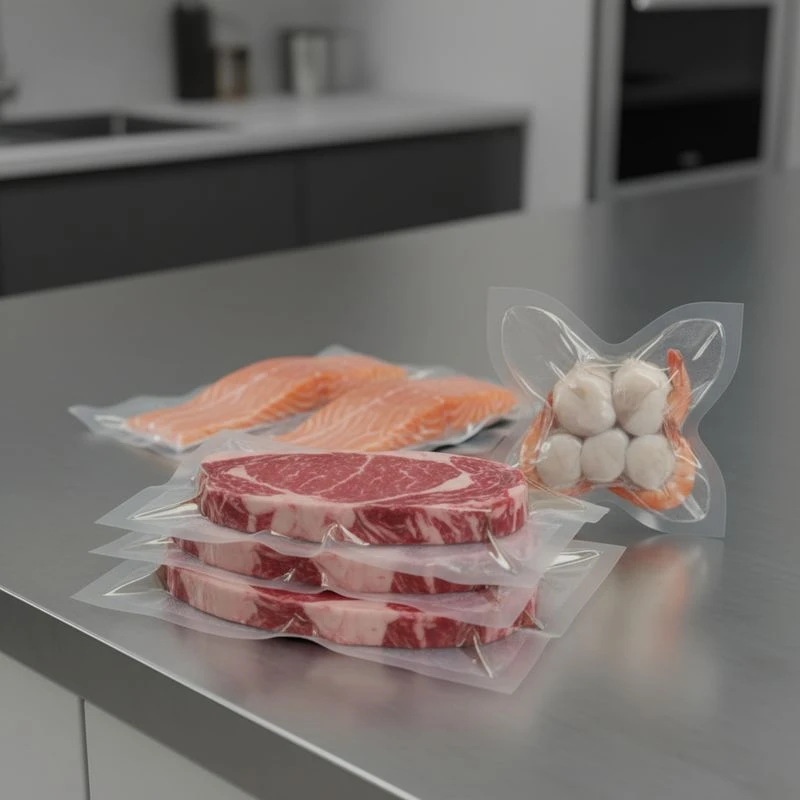
Elevate Your Products: A Deep Dive into Freshness, Safety, and Efficiency for Australia’s Culinary Market
In Australia’s vibrant and discerning food market, the demand for high-quality, fresh meat and seafood is unwavering. Businesses, from local butchers to large-scale distributors, are constantly seeking innovative ways to preserve product integrity, extend shelf life, and meet stringent safety standards. This is where custom vacuum packaging steps in as a game-changer, offering tailored solutions that go far beyond generic wraps and containers. It’s not just about removing air; it’s about crafting a precise environment that protects, presents, and prolongs the life of your valuable produce, ensuring it reaches the Australian consumer in peak condition. The proactive adoption of custom vacuum packaging represents a strategic investment in quality, brand reputation, and operational efficiency, directly addressing the unique challenges and opportunities present within the Australian food supply chain.
Vacuum Packaging
Custom vacuum packaging involves removing air from a package containing meat or seafood before hermetically sealing it. This process significantly reduces the oxygen levels surrounding the product, which is the primary driver of spoilage for many fresh items. For the Australian market, where vast distances and varying climates can impact logistics, this reduction in oxygen is absolutely critical. By removing the oxygen, the growth of aerobic bacteria, which cause discolouration, off-odours, and slime, is drastically inhibited. Furthermore, it prevents oxidative deterioration, a chemical reaction that can lead to rancidity in fats and changes in flavour and colour, particularly important for delicate seafood and high-fat meats.
What makes custom vacuum packaging truly stand out is its adaptability. Unlike off-the-shelf solutions, customisation allows Australian businesses to select precise film thicknesses, barrier properties, and sizes that perfectly match their specific products and operational needs. For instance, a delicate fish fillet might require a softer, more flexible film to avoid damage, while a bone-in lamb cut would necessitate a robust, puncture-resistant material. These bespoke solutions can also incorporate features like easy-open tears, resealable options, or specific anti-fog properties for refrigerated displays, enhancing both convenience for the end-user and visual appeal for retailers. The ability to tailor the packaging to the exact dimensions of the product also optimises space during storage and transport, reducing freight costs and maximising inventory efficiency, a significant advantage in Australia’s competitive logistics environment. Moreover, customisation extends to the material science itself; selecting films with specific oxygen transmission rates (OTR) and water vapour transmission rates (WVTR) ensures optimal protection against spoilage and dehydration, directly contributing to extended shelf life and maintained product quality from processor to plate across the continent.
The benefits of implementing custom vacuum packaging are multifaceted and directly translate into tangible advantages for businesses operating in Australia. Firstly, it offers a dramatic extension of shelf life, meaning products remain fresh and saleable for longer, reducing waste and increasing profitability. For example, fresh beef that might last 3-5 days in conventional packaging can often last 2-3 weeks or more when vacuum-packed. Secondly, it prevents freezer burn by eliminating air pockets, which cause ice crystals to form and dehydrate the product, preserving texture and flavour. This is invaluable for products intended for freezing, maintaining their quality upon thawing. Thirdly, the enhanced presentation cannot be overstated; vacuum-packed products often look fresher and more appealing, with their natural colours preserved and moisture locked in. This transparency allows consumers to visually assess the quality, building trust and encouraging purchase. Finally, custom vacuum packaging provides superior protection against external contaminants, ensuring food safety and hygiene from the moment of packaging until it reaches the consumer. This comprehensive approach to product preservation and presentation positions Australian businesses to deliver consistently high-quality meat and seafood, reinforcing their reputation for excellence in a demanding market.
Food Safety
Food safety is paramount in the meat and seafood industry, and in Australia, regulations set by bodies like Food Standards Australia New Zealand (FSANZ) are incredibly stringent. Custom vacuum packaging plays an indispensable role in upholding these high standards, acting as a critical barrier against contamination and microbial growth. By creating an anaerobic (oxygen-free) environment, vacuum packaging effectively inhibits the proliferation of common spoilage microorganisms that require oxygen to thrive, such as Pseudomonas and various moulds. This is particularly vital for products like fresh fish and poultry, where rapid bacterial growth can quickly render them unsafe for consumption. While vacuum packaging significantly reduces the risk of aerobic spoilage, it is crucial to understand its limitations concerning anaerobic pathogens. Certain dangerous bacteria, such as Clostridium botulinum, can grow and produce toxins in anaerobic conditions if the product is not stored at appropriate refrigerated temperatures (below 3°C for vacuum-packed foods, often recommended). Therefore, vacuum packaging must always be combined with diligent temperature control and proper handling practices throughout the entire cold chain, from processing to retail.
Implementing effective food safety protocols with custom vacuum packaging involves several actionable steps for Australian businesses. Firstly, selecting the right packaging material with appropriate barrier properties is key; a robust, impermeable film prevents re-entry of oxygen and external contaminants. Secondly, meticulous hygiene during the packaging process is non-negotiable. This includes thoroughly cleaning and sanitising equipment, ensuring staff follow strict handwashing protocols, and preventing cross-contamination between raw and processed products. Thirdly, understanding and adhering to critical control points (CCPs) as part of a Hazard Analysis and Critical Control Points (HACCP) plan is essential. For vacuum-packed meat and seafood, CCPs typically include raw material inspection, packaging integrity, and temperature control during storage and transport. Regular monitoring and documentation of these CCPs provide a verifiable record of compliance and safety. Training staff on the specific risks and best practices associated with vacuum-packed products, especially regarding temperature management and shelf life indicators, is also a vital component of a robust food safety program. Businesses in Australia should also be aware of any specific labelling requirements for vacuum-packed products, such as “keep refrigerated below 3°C” or specific use-by dates, to ensure consumers are fully informed and can handle the products safely at home. Failure to adhere to these safety measures can lead to severe consequences, including product recalls, reputational damage, and legal penalties, making a proactive and informed approach to food safety with custom vacuum packaging an absolute necessity for any responsible food business operating in the Australian market.
One potential pitfall often encountered with vacuum packaging relates to the misconception that it sterilises food. It does not. Instead, it slows down spoilage and extends shelf life by controlling the environment. Therefore, it’s crucial to start with fresh, high-quality raw materials. Vacuum packaging cannot reverse spoilage; it can only maintain the quality of what is packaged. Another common issue is improper sealing, which can compromise the vacuum and lead to premature spoilage. Solutions include regular maintenance and calibration of sealing equipment, routine leak testing of packages, and staff training on correct sealing techniques. For example, if a seal is compromised due to food particles caught in the sealing area, the package will gradually lose its vacuum, allowing oxygen to re-enter and accelerating spoilage. By establishing clear standard operating procedures (SOPs) for custom vacuum packaging and integrating them into a comprehensive food safety management system, Australian businesses can confidently leverage this technology to enhance product safety, extend market reach, and safeguard consumer health. This diligent approach ensures that the benefits of custom vacuum packaging – extended freshness and reduced waste – are realised without compromising the fundamental commitment to public health and food safety standards within Australia.
B2B Production
For businesses engaged in the Australian B2B meat and seafood sector, custom vacuum packaging offers unparalleled advantages in efficiency, cost-effectiveness, and product differentiation. In a market characterised by diverse client needs – from high-volume supermarkets and institutional caterers to boutique restaurants and remote mining camps – the ability to provide perfectly packaged products is a significant competitive edge. Custom vacuum packaging allows B2B suppliers to tailor their offerings precisely, providing portion-controlled cuts, bulk options, or specialty items, all secured in packaging designed to withstand the rigours of commercial handling and transport across Australia’s vast distances. This level of customisation streamlines operations for both the supplier and the client, reducing preparation time at the receiving end and minimising waste. For instance, a restaurant can receive pre-portioned steaks or fish fillets, ready for cooking, eliminating the need for in-house butchery and reducing labour costs, which is particularly valuable given current staffing challenges in the hospitality sector. This adaptability ensures that custom vacuum packaging solutions are not just about preservation but also about optimising the entire supply chain from a business-to-business perspective.
Implementing custom vacuum packaging for B2B production involves strategic planning and investment. Firstly, understanding the specific requirements of your client base is crucial. Do they need specific pack sizes, unique labelling for inventory management, or particular materials for extended freezer life? Engaging with clients to determine these needs allows for the development of truly bespoke packaging solutions that add value. Secondly, integrating custom vacuum packaging machinery into existing production lines requires careful consideration of throughput, automation levels, and space. High-volume operations might benefit from automated chamber vacuum machines with conveyor systems, while smaller, specialised suppliers might opt for semi-automatic models. The goal is to achieve seamless integration that enhances efficiency without disrupting workflow. Thirdly, effective inventory management is greatly aided by custom vacuum packaging; the extended shelf life allows for larger production batches and reduced frequency of deliveries, optimising logistics and storage costs. This is particularly advantageous for perishable goods that need to travel long distances within Australia, as it provides a buffer against unforeseen logistical delays, ensuring products arrive in pristine condition and reducing the risk of costly rejections.
A key actionable step for Australian businesses is to conduct a thorough cost-benefit analysis. While the initial investment in custom packaging films and machinery might seem significant, the long-term savings in reduced waste, extended market reach, and enhanced client satisfaction often far outweigh these costs. Consider a scenario where a seafood distributor can now confidently supply fresh, vacuum-packed scallops to inland restaurants, a market previously inaccessible due to shelf life limitations. This opens up entirely new revenue streams. Furthermore, custom packaging provides ample opportunities for branding and marketing within the B2B space. Incorporating client logos, specific product information, or unique identifiers onto the packaging can reinforce partnerships and streamline internal processes for the receiving business. Potential pitfalls include selecting packaging materials that are not robust enough for the intended use, leading to leaks or tears during transport, or underestimating the capacity needed for peak production periods. To mitigate these, engaging with experienced packaging suppliers who understand the unique demands of the Australian food industry is vital. They can provide expert advice on material selection, machine specifications, and integration strategies, ensuring that your custom vacuum packaging solution is not only effective but also scalable and sustainable for your B2B operations. This collaborative approach transforms custom vacuum packaging from a simple functional necessity into a strategic asset, empowering Australian businesses to deliver superior products consistently to their commercial partners.
Sealing Technology
The efficacy of custom vacuum packaging hinges critically on the reliability and precision of its sealing technology. An imperfect seal renders the entire vacuum process futile, allowing oxygen to re-enter and negating all efforts to extend shelf life and ensure food safety for meat and seafood in the Australian market. Essentially, the seal is the final barrier that locks in the freshness and protective environment created by the vacuum. Most modern vacuum packaging machines, whether chamber or external, employ heat sealing to create an airtight closure. This involves applying controlled heat and pressure to the edges of the packaging film, melting the layers together to form a strong, impermeable bond. The quality of this bond is paramount; it must be consistently strong enough to withstand handling, storage, and transport without compromise, especially given the varied conditions products might encounter within Australia’s supply chain.
Understanding and controlling the key parameters of heat sealing is crucial for achieving optimal results. These parameters typically include temperature, pressure, and dwell time. Temperature must be precisely calibrated to the specific melting point of the packaging film material. Too low, and the seal will be weak or incomplete; too high, and the film can melt excessively, leading to weakened spots or even burn-through. Pressure ensures that the film layers are firmly pressed together during heating, creating an even and consistent bond. Dwell time refers to how long the heat and pressure are applied; insufficient time can result in a superficial seal, while excessive time can degrade the film’s integrity. For custom vacuum packaging, these parameters can be fine-tuned to accommodate various film types, thicknesses, and package sizes, ensuring a perfect seal every time, whether you’re packaging delicate fish fillets or robust lamb shanks. Modern vacuum sealers often come equipped with programmable settings, allowing operators to easily switch between different product lines and maintain consistent seal quality across a diverse range of meat and seafood products, enhancing efficiency and reducing human error in busy Australian processing facilities.
Despite advancements in sealing technology, potential pitfalls can arise. Common issues include wrinkled seals, which occur when the film is not perfectly smooth during sealing, creating channels for air leakage. Food particles or moisture trapped in the sealing area are another frequent problem, acting as barriers that prevent the film layers from fusing properly. Solutions involve meticulous placement of the product within the bag, ensuring the sealing area remains clean and dry, and regularly inspecting the sealing bars for any residue buildup or damage. Regular maintenance, including cleaning and occasional replacement of sealing bars and Teflon strips, is essential to ensure consistent performance. Furthermore, implementing quality control checks, such as visual inspection of every sealed package for wrinkles or incomplete seals, and conducting periodic leak tests (e.g., submersion in water with gentle squeezing) can help identify and rectify issues before products leave the facility. Advanced sealing technologies, such as impulse sealing, offer rapid and precise heat application, reducing energy consumption and increasing cycle speeds for high-volume operations. Some systems also incorporate gas flushing capabilities, allowing for Modified Atmosphere Packaging (MAP) in conjunction with vacuum sealing, which introduces a specific gas mixture (e.g., CO2 and N2) to further inhibit microbial growth and maintain product colour. Investing in high-quality sealing technology and robust operator training ensures that Australian meat and seafood businesses can consistently deliver products with superior shelf life and safety, leveraging the full potential of custom vacuum packaging to meet market demands and consumer expectations.
| Parameter | Description | Typical Range for Meat/Seafood Films | Impact of Incorrect Setting |
|---|---|---|---|
| Temperature | Heat applied to melt film layers together. | 150°C – 200°C (depending on film type) | Too low: Weak, incomplete seal. Too high: Film degradation, burn-through. |
| Pressure | Force applied to press film layers during heating. | 30-60 PSI (or specific machine setting) | Too low: Uneven seal, air pockets. Too high: Film distortion, damage. |
| Dwell Time | Duration heat and pressure are applied. | 1.5 – 3 seconds (depending on film thickness) | Too short: Superficial seal, easy to break. Too long: Overheating, film weakness. |
| Vacuum Level | Amount of air removed from the package. | 99% – 99.9% (typically -0.9 to -1.0 bar) | Too low: Ineffective oxygen removal, reduced shelf life. |
Freshness
The ultimate objective of any food packaging solution is to preserve freshness, and for meat and seafood in Australia, this goal is elevated to an art form through custom vacuum packaging. Freshness encompasses not just extended shelf life, but also the retention of sensory attributes that consumers value most: vibrant colour, firm texture, natural aroma, and succulent flavour. Traditional packaging methods often leave products exposed to oxygen, leading to oxidation, dehydration, and discolouration. Oxygen is the enemy of freshness for many perishable items; it causes fats to go rancid, pigments to degrade (e.g., browning in red meats, dulling in fish), and moisture to escape, resulting in dry, unappealing products. Custom vacuum packaging effectively combats these issues by creating a hermetic seal around the product, locking out atmospheric oxygen and moisture, thereby preserving the intrinsic qualities that define “fresh” in the minds of Australian consumers.
The impact of custom vacuum packaging on maintaining sensory attributes is profound. For red meats like beef and lamb, the low-oxygen environment prevents the oxidation of myoglobin, preserving the desired deep red colour for an extended period, which is crucial for consumer appeal. Similarly, for fresh fish and crustaceans, vacuum packaging prevents the drying out of delicate flesh, maintaining its moist, flaky texture and natural sheen. It also significantly reduces the development of “fishy” odours, which are often a sign of oxidation and microbial activity. Beyond visual appeal, vacuum packaging helps to lock in the natural flavours and aromas, preventing the loss of volatile compounds that contribute to the unique taste profile of various meats and seafood. This means that a premium Australian barramundi or a choice cut of Wagyu beef will taste as fresh as the day it was processed, even weeks later, allowing businesses to guarantee a consistent, high-quality experience for their customers. This is particularly beneficial for businesses distributing to diverse geographical locations within Australia, where the journey from processor to plate can be lengthy.
By preventing moisture loss and inhibiting microbial growth, custom vacuum packaging substantially extends the viable shelf life of meat and seafood. Consider the dramatic difference: fresh beef might typically last 3-5 days in a retail display, but when properly vacuum-packed and refrigerated, its shelf life can extend to 2-3 weeks or even longer. For fresh fish, which is highly perishable, vacuum packaging can double or even triple its refrigerated shelf life, moving from a few days to over a week, depending on the species and initial freshness. This extended window of freshness offers significant commercial advantages for Australian businesses. It allows for more efficient inventory management, reduces waste from expired products, and opens up new distribution channels, including export markets or remote domestic locations that were previously challenging to service. While the upfront investment in custom vacuum packaging may be higher than conventional methods, the long-term benefits of reduced spoilage, enhanced product quality, and expanded market access make it a highly worthwhile strategy for any meat and seafood producer aiming to deliver peak freshness to the Australian consumer. Furthermore, the ability to store products for longer periods without degradation allows for more strategic purchasing of raw materials, capitalising on seasonal availability or favourable market prices without compromising the end-product’s freshness or quality.
| Product Type | Traditional Packaging (Refrigerated) | Custom Vacuum Packaging (Refrigerated, 0-4°C) | Key Freshness Benefit |
|---|---|---|---|
| Fresh Beef (Steaks/Roasts) | 3-5 days | 14-21 days | Maintains deep red colour, prevents freezer burn. |
| Fresh Fish (Fillets/Whole) | 2-4 days | 7-10 days | Preserves moist texture, prevents “fishy” odours, locks in flavour. |
| Fresh Poultry (Breasts/Thighs) | 3-5 days | 10-14 days | Reduces bacterial growth, maintains natural colour and moisture. |
| Processed Meats (Sausages, Bacon) | 7-10 days | 21-30 days | Prevents oxidation, maintains texture and spice integrity. |
| Shellfish (Prawns, Scallops) | 1-3 days | 5-7 days | Minimises spoilage, retains delicate flavour and texture. |
