
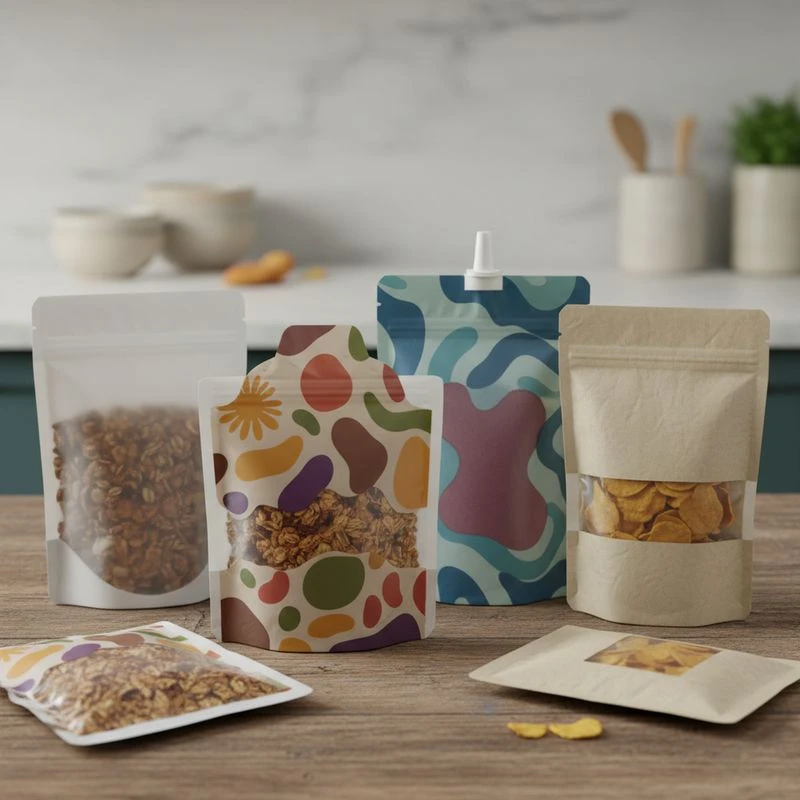
Revolutionizing Brand Presence and Product Freshness Down Under
In the dynamic and highly competitive Australian snack and beverage market, the power of effective packaging cannot be overstated. As consumer preferences evolve towards convenience, sustainability, and aesthetic appeal, brands are increasingly turning to flexible custom packaging to differentiate their products and secure a leading edge. This innovative approach moves beyond mere containment, transforming packaging into a strategic tool that communicates brand values, protects product integrity, and enhances the overall consumer experience. For businesses operating in Australia, understanding and leveraging the nuances of flexible custom packaging is no longer an option, but a necessity for sustainable growth and market relevance.
The Power of Flexible Packaging Innovation
The Australian market, renowned for its discerning consumers and vibrant food and beverage landscape, presents both challenges and unparalleled opportunities for brands ready to innovate. At the heart of this innovation lies flexible packaging, a transformative solution that offers a compelling alternative to traditional rigid containers. The key takeaway here is that adopting flexible packaging is not merely an aesthetic choice, but a strategic business decision that directly impacts cost-efficiency, product protection, and environmental footprint. This shift is driven by a confluence of factors, including rising logistics costs, increasing consumer demand for convenience, and a growing emphasis on sustainable practices.
Flexible custom packaging, whether in the form of pouches, sachets, or films, provides unparalleled versatility. Unlike rigid options that require significant material and often lead to high transportation weights, flexible solutions are lightweight, reduce storage space, and typically involve less material in their production. This translates directly into lower shipping costs and a reduced carbon footprint, aligning perfectly with Australia’s increasing focus on environmental responsibility. Furthermore, the adaptability of flexible materials means they can be engineered with precise barrier properties to protect sensitive products from oxygen, moisture, UV light, and other external factors, thereby extending shelf life and preserving freshness—a critical advantage for both snacks and beverages traversing Australia’s diverse climatic zones.
For brands looking to make the switch or enhance their existing packaging, the initial step involves a thorough assessment of product requirements and market positioning. Consider the specific vulnerabilities of your product: Is it prone to oxidation? Does it require an airtight seal? Is a resealable feature paramount for consumer convenience? Engaging with a knowledgeable packaging partner can provide invaluable insights into material science, lamination techniques, and advanced printing capabilities that can bring your vision to life. For instance, a snack brand might opt for a metallised film laminate to block light and moisture, ensuring crispness, while a beverage brand might require a robust film with excellent liquid barrier properties and a secure spouted fitment. The beauty of flexible custom packaging lies in its ability to be precisely tailored, ensuring optimal performance for a vast array of products. This process often involves iterative design and testing, ensuring the chosen solution not only looks good but performs exceptionally under real-world conditions.
While the benefits are clear, potential pitfalls can arise if not managed carefully. Poor material selection can compromise product integrity, leading to spoilage or customer dissatisfaction. Inadequate sealing can cause leaks, particularly for liquid products, or stale snacks. To mitigate these risks, it is crucial to collaborate with experienced manufacturers who employ stringent quality control measures and possess a deep understanding of food-grade packaging standards relevant to the Australian market. They can guide you through the complexities of material combinations, ink choices, and structural designs to avoid common mistakes. The investment in robust, well-engineered flexible custom packaging pays dividends through enhanced brand reputation, reduced product waste, and ultimately, greater consumer trust and loyalty.
| Feature | Flexible Custom Packaging | Rigid Packaging (e.g., Glass, Cans, Plastic Bottles) |
|---|---|---|
| Material Usage | Significantly less material per unit, often multi-layered thin films. | Higher material usage, thicker structures. |
| Weight & Transport | Extremely lightweight, reduces shipping costs and fuel consumption. | Heavier, increasing transport costs and carbon footprint. |
| Storage Efficiency | Requires less storage space due to flat or roll form before filling. | Bulky, requiring more storage space for empty containers. |
| Customisation | High degree of customisation in shape, size, and print. | Shape and size often limited by manufacturing moulds; labelling for customisation. |
| Consumer Convenience | Often features easy-open, resealable, and portability options. | May be less convenient for on-the-go or portion control. |
| Environmental Impact | Often lighter, less energy to produce, some recyclable/compostable options emerging. | Recyclability varies, but heavier and higher energy for production and transport. |
This table highlights the fundamental advantages of flexible custom packaging, particularly in terms of efficiency and environmental considerations, which are increasingly valued by Australian consumers and businesses. The lighter weight and reduced material usage directly translate into significant cost savings in logistics and a smaller carbon footprint, making it an attractive choice for sustainable brand strategies. Furthermore, the inherent flexibility allows for innovative design and functionality that enhances user experience.
Tailoring Flexible Packaging for the Australian Snack Market
The Australian snack market is a vibrant tapestry of traditional favourites, health-conscious alternatives, and exotic new tastes, all vying for consumer attention on crowded supermarket shelves. For snack brands, the critical takeaway is that flexible packaging is not a one-size-fits-all solution; it must be meticulously tailored to the specific characteristics of the product to preserve freshness, maintain crunch, and stand out visually. Australian consumers are increasingly sophisticated, demanding not only delicious snacks but also packaging that is convenient, secure, and reflective of their values, including sustainability.
The primary challenge for snack producers is protecting product integrity from external factors such as moisture, oxygen, light, and physical impact. A bag of potato chips, for instance, requires a robust barrier to prevent staleness and maintain its satisfying crunch. Conversely, a protein bar might need different barrier properties to prevent ingredient degradation or maintain its chewy texture. Flexible custom packaging allows for the precise engineering of these barriers through multi-layer laminates, where each layer serves a specific purpose, from providing structural integrity to blocking gases or moisture. This level of customisation ensures that whether you’re packaging delicate gourmet crackers, hearty beef jerky, or a nutrient-dense health bar, the packaging provides optimal protection for its unique contents.
To effectively tailor flexible packaging for the Australian snack market, brands should embark on a structured approach. Firstly, clearly define your product’s specific protection needs: what are its vulnerabilities? Secondly, consider the consumer experience: does your target demographic value resealability for portion control, an easy-tear opening, or perhaps a stand-up pouch for convenience? Thirdly, think about your brand story: how can the packaging visually communicate your brand’s unique selling proposition and connect with Australian consumers? A vibrant, high-quality print finish, perhaps with matte or gloss accents, can elevate a simple snack into a premium offering, instantly capturing attention amidst a sea of competitors. Including elements like clear windows can also build trust by allowing consumers to see the product before purchase, a trend gaining traction in transparent consumer markets like Australia.
Common pitfalls in snack packaging include underestimating the need for adequate barrier properties, leading to premature product spoilage and damaged brand reputation. Another frequent misstep is neglecting user-friendliness; difficult-to-open or non-resealable packaging can frustrate consumers and lead to negative perceptions. Overcoming these challenges involves rigorous testing of packaging prototypes, both in laboratory settings and through consumer trials, to ensure functionality meets expectations. Furthermore, understanding Australian food safety regulations and ensuring all flexible custom packaging materials comply with these standards is non-negotiable. Collaborating with a packaging manufacturer experienced in the Australian regulatory landscape can streamline this process significantly, avoiding costly errors and delays. The evolving trend towards more sustainable flexible packaging, such as mono-material structures for easier recycling or compostable films, is also gaining momentum in Australia, offering brands an opportunity to align with consumer eco-consciousness while delivering superior product protection.
| Packaging Format | Key Features | Suitable Snack Products | Primary Benefit for Australian Market |
|---|---|---|---|
| Stand-Up Pouches | Excellent shelf presence, resealable zippers, high barrier options. | Nuts, dried fruit, jerky, granola, confectionery, pet treats. | Premium feel, strong brand visibility, consumer convenience for multiple uses. |
| Flow Wraps | High-speed production, cost-effective, good for single servings. | Chocolate bars, health bars, biscuits, small snack portions. | Efficiency in production, maintains freshness for individual items. |
| Quad Seal Bags | Strong structure, fills well, offers five printable panels (including bottom). | Coffee beans, larger quantities of nuts, gourmet snacks. | Robust structure for heavier contents, prominent shelf display. |
| Pillow Pouches | Economical, simple construction, widely used. | Chips, crisps, pretzels, popcorn. | Cost-effectiveness, widely accepted format, high-speed filling. |
This table illustrates the diverse range of flexible custom packaging formats available, each offering distinct advantages tailored to specific snack products and market needs in Australia. Choosing the correct format is paramount to ensuring product integrity, optimising shelf appeal, and meeting consumer expectations for convenience and functionality. For instance, stand-up pouches command attention and offer resealability, ideal for premium snacks, while flow wraps are efficient for high-volume single-serve items.
Elevating Beverages with Bespoke Flexible Packaging Solutions
The Australian beverage market is undergoing a significant transformation, with consumers increasingly seeking convenience, portability, and innovative consumption experiences. For beverage brands, the key takeaway is that bespoke flexible packaging solutions offer a dynamic way to meet these evolving demands, moving beyond traditional bottles and cans to provide lighter, more versatile, and often more sustainable options. This shift is particularly evident in categories such as juices, ready-to-drink (RTD) coffees and teas, protein shakes, and even wine, where flexible custom packaging can offer a distinct competitive edge.
One of the primary advantages of flexible packaging for beverages is its inherent lightness and reduced bulk. Compared to glass or rigid plastic, flexible pouches significantly reduce transportation costs and the environmental impact associated with shipping heavy, empty containers. This is especially pertinent in a vast country like Australia, where logistics play a crucial role in overall product cost and carbon footprint. Beyond logistics, flexible solutions offer enhanced consumer convenience. Pouches with spouts are perfect for on-the-go consumption, ideal for school lunchboxes, outdoor activities, or quick refreshment. Their shatterproof nature also adds a layer of safety, making them suitable for environments where glass or rigid containers might be prohibited or undesirable.
When developing flexible custom packaging for beverages, several critical factors must be considered. Firstly, the product’s liquid nature demands superior barrier properties to prevent leakage, maintain freshness, and protect against oxidation or UV degradation. Advanced multi-layer films are crucial, often incorporating foil or specialised polymers to ensure the integrity of sensitive liquids. Secondly, the choice of fitment—such as a reclosable spout or cap—is vital for functionality and user experience. It must be robust, easy to use, and secure to prevent spills. Thirdly, the filling process for flexible beverage packaging can be complex, often requiring specialised equipment for hot-fill, cold-fill, or aseptic filling, depending on the product’s shelf-life requirements. Brands must ensure their chosen manufacturing partner possesses the technical capability to handle these specific requirements, guaranteeing both product safety and quality.
Potential pitfalls in beverage flexible packaging include inadequate seals that lead to leaks, insufficient barrier protection resulting in spoiled product, or poor spout design that makes dispensing difficult. To mitigate these, rigorous testing of pouch integrity under various conditions (e.g., pressure, temperature changes) is essential. Brands must also consider the visual appeal and print quality, as flexible packaging offers a large surface area for branding and storytelling. High-definition graphics and vibrant colours can make a product pop on the shelf, crucial in a competitive market. Furthermore, sustainability is a growing concern for Australian consumers. Exploring options like recyclable mono-material pouches or those made with recycled content can significantly enhance a brand’s appeal and demonstrate a commitment to environmental stewardship. Working with a flexible custom packaging specialist who understands both the technical challenges of liquids and the nuances of the Australian consumer market is key to success.
| Consideration | Description | Impact on Beverage Product / Australian Market |
|---|---|---|
| Barrier Properties | Protection against oxygen, light, moisture, and flavour migration. | Extends shelf life for fresh juices, dairy alternatives, and preserves taste integrity. Critical for hot and humid Australian climates. |
| Fitments (Spouts/Caps) | Choice of reclosable spouts, screw caps, or tamper-evident seals. | Enhances consumer convenience, prevents spills, and ensures product safety, vital for on-the-go Australian lifestyles. |
| Filling Technology | Compatibility with hot-fill, cold-fill, or aseptic filling processes. | Ensures microbial stability and long shelf life without refrigeration (for certain products), meeting diverse supply chain needs. |
| Material Strength | Resistance to punctures, tears, and internal pressure from liquids. | Prevents leakage during transport and handling, maintaining product integrity from manufacturer to Australian consumer. |
| Visual Appeal | High-quality graphics, vibrant colours, and unique pouch shapes. | Attracts consumer attention on crowded shelves, reinforces brand identity, and communicates premium quality. |
| Sustainability Options | Availability of mono-material, recyclable, or compostable films. | Addresses growing Australian consumer demand for eco-friendly packaging, enhancing brand reputation and marketability. |
This table outlines the essential technical and market-driven factors when designing flexible custom packaging for beverages, specifically noting their relevance to the Australian context. From ensuring product safety through advanced barrier properties to meeting the on-the-go lifestyle with convenient fitments, each element plays a crucial role in the success and consumer acceptance of beverage products in Australia. Integrating sustainability options further positions brands favorably in a market that increasingly values environmental responsibility.
B2B Manufacturing Excellence in Flexible Custom Packaging
For any snack or beverage brand seeking to leverage the advantages of flexible custom packaging in Australia, the selection of a B2B manufacturing partner is paramount. The critical takeaway here is that excellence in manufacturing goes beyond simply producing packaging; it encompasses a deep understanding of your product, market, and operational needs, translating into a seamless, high-quality, and reliable supply chain. A strong manufacturing partner acts as an extension of your team, providing expert guidance, ensuring consistent quality, and offering scalable solutions that adapt to your business growth within the Australian landscape.
Choosing the right manufacturer involves a thorough evaluation of several key criteria. Firstly, assess their capabilities: Do they possess the necessary printing technologies (e.g., rotogravure, flexography) for your desired graphic complexity? Can they handle various film laminations and specialty finishes? Do they have experience with the specific flexible packaging formats relevant to your products, such as stand-up pouches with spouts for beverages or barrier films for snacks? Secondly, examine their quality control processes and certifications. In the food and beverage industry, adherence to strict food safety standards (like HACCP or ISO 22000) is non-negotiable. A reputable manufacturer will have robust quality assurance protocols at every stage, from raw material sourcing to final product inspection, ensuring consistency and compliance with Australian regulations.
When initiating a partnership, provide a clear and comprehensive brief. This should include detailed product specifications, target market demographics, desired shelf life, specific barrier requirements, aesthetic expectations, and projected order volumes. A good manufacturer will work collaboratively with you, offering expert advice on material selection, structural design improvements, and cost-optimisation strategies without compromising quality. They might suggest alternative film structures to improve recyclability, recommend specific inks for better visual impact, or advise on efficient filling line integration. This consultative approach is invaluable, particularly for businesses navigating the intricacies of the Australian market, where consumer preferences and regulatory frameworks can be unique.
Common pitfalls in B2B manufacturing partnerships include miscommunication regarding specifications, leading to costly reworks or delays. Another challenge can be underestimating lead times, especially for complex custom orders or during peak seasons. To mitigate these risks, establish clear communication channels, set realistic timelines, and ensure all specifications are documented and mutually agreed upon before production commences. Regular check-ins and transparency throughout the manufacturing process are vital. It is also wise to understand the manufacturer’s minimum order quantities (MOQs) and their flexibility in scaling production up or down, as this impacts inventory management and cash flow. For Australian brands, considering a local manufacturer can often offer benefits such as shorter lead times, easier communication, and a better understanding of local market demands and regulations, though international partners can also offer competitive pricing for large volumes. The overarching goal is to foster a partnership built on trust, expertise, and a shared commitment to delivering superior flexible custom packaging solutions.
Mastering Custom Design for Impactful Flexible Packaging
In the highly competitive Australian snack and beverage aisles, custom design is the ultimate differentiator. The core takeaway is that your flexible custom packaging is often the first, and sometimes only, opportunity to capture a consumer’s attention and communicate your brand’s essence. Mastering custom design goes beyond aesthetics; it involves a strategic fusion of visual appeal, functional utility, and brand storytelling, all meticulously crafted to resonate with the Australian consumer and drive purchasing decisions.
The design process for flexible custom packaging should begin with a deep understanding of your target audience in Australia. What are their demographics, lifestyle, and purchasing habits? What colours, fonts, and imagery resonate with them? For instance, a health-conscious snack brand might opt for a clean, minimalist design with earthy tones and clear ingredient call-outs, while a vibrant beverage targeting younger demographics might use bold colours, playful graphics, and a unique pouch shape. Every design element, from the typography and colour palette to the placement of logos and regulatory information, contributes to the overall brand perception and influences a consumer’s decision at the point of sale. Effective design should not only grab attention but also clearly articulate product benefits and brand values within seconds.
Working closely with experienced graphic designers and packaging engineers is crucial. The design is not just about a flat artwork file; it must consider the three-dimensional nature of flexible packaging and how it will appear when filled and displayed on a shelf. High-quality printing, such as rotogravure or advanced flexography, is essential to ensure colours are vibrant, images are crisp, and brand elements are accurately reproduced. Consider special finishes like matte varnishes for a premium feel, gloss accents to highlight key features, or tactile textures that engage the consumer’s sense of touch. Furthermore, structural design plays an equally important role. For instance, an ergonomically shaped pouch for a children’s juice or a sturdy stand-up pouch for gourmet snacks can enhance user experience and perceived value. The design should also incorporate practical features such as easy-tear notches, reliable resealable zippers, or pour spouts, aligning with the Australian consumer’s demand for convenience.
A common pitfall in custom design is over-designing, leading to a cluttered or confusing package that fails to communicate its core message. Another is neglecting readability of essential information, such as nutritional facts or allergen warnings, which are critical for consumer trust and regulatory compliance in Australia. To avoid these issues, focus on clarity, simplicity, and hierarchy of information. Test your designs with focus groups to gather feedback on visual appeal, clarity, and ease of use. Ensure that all mandatory information is present and legible, adhering to Australian labelling standards. The ultimate goal is to create flexible custom packaging that not only stands out but also builds brand loyalty through its functionality and aesthetic appeal. In a market where choice abounds, a well-executed custom design for flexible packaging is a powerful investment in your brand’s future success in Australia.
