
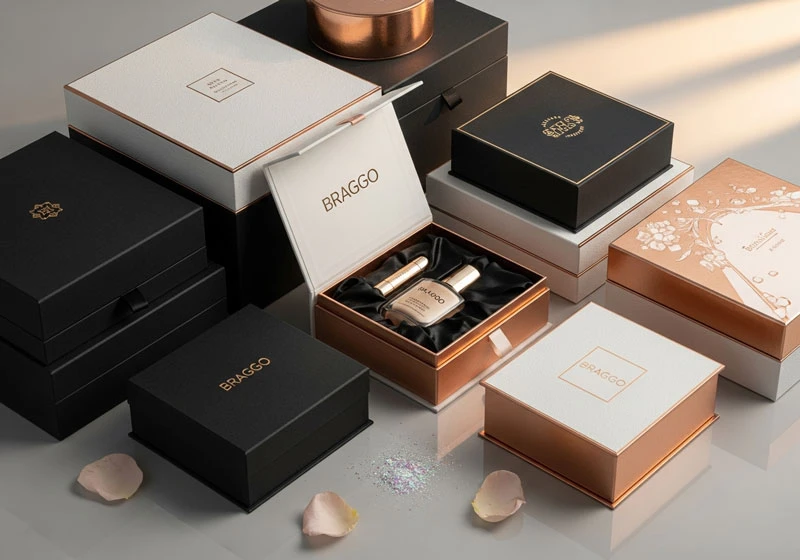
Beyond Protection: Crafting Unforgettable First Impressions with Premium Cosmetic Packaging for Australia’s Discerning Consumers
Cosmetic Packaging
Effective cosmetic packaging is far more than a mere container; it is the silent ambassador of your brand, particularly within the sophisticated and competitive Australian beauty market. The initial impression a product makes is intrinsically linked to its packaging, directly influencing consumer perception of quality, value, and brand identity. For beauty businesses operating in Australia, understanding this fundamental principle is the first step towards capturing market share and building lasting customer loyalty. The right packaging protects the product, communicates its essence, and ultimately drives the purchasing decision, making it an indispensable element of your overall marketing strategy. Neglecting this aspect means missing a crucial opportunity to connect with consumers on an emotional level before they even experience the product itself.
The journey to selecting appropriate cosmetic packaging begins with a thorough assessment of your product’s specific needs, your target demographic, and your brand’s overarching aesthetic. For instance, a natural, organic skincare brand targeting environmentally conscious Australian consumers might opt for sustainable, recyclable materials with a minimalist design, while a high-end anti-aging serum could necessitate opulent glass or metallic finishes encased in exquisite Luxury Custom Boxes. Consider the product’s formulation—is it liquid, cream, powder, or solid? This dictates the primary container type, such as jars, bottles, tubes, or compacts. Next, reflect on the user experience. Easy dispensing, portability, and reusability can significantly enhance customer satisfaction. Potential pitfalls in this stage include choosing materials that react with the product, failing to meet regulatory compliance standards in Australia for labelling and ingredients, or selecting designs that are aesthetically pleasing but impractical for daily use. Overcoming these challenges involves extensive material testing, collaborating with packaging experts familiar with local regulations, and conducting consumer feedback sessions to ensure functionality meets expectation. Furthermore, ensuring the packaging aligns with the rigorous standards of the Australian market, particularly regarding ingredient disclosure and environmental claims, is paramount to avoiding costly redesigns and reputational damage.
Beyond functionality, the aesthetic appeal of cosmetic packaging plays a pivotal role in captivating the Australian consumer. Colour palettes, typography, finishes (matte, glossy, metallic), and tactile elements all contribute to the narrative of your brand. A carefully chosen colour scheme can evoke emotions and associations—for example, pastels for softness, vibrant hues for energy, or deep, rich tones for luxury. The font used on your packaging speaks volumes about your brand’s personality, from classic elegance to modern minimalism. Embossing, debossing, foil stamping, and spot UV are all techniques that can elevate standard packaging into something truly premium, transforming a simple box into a desirable object. When planning your packaging strategy, it’s beneficial to conduct competitive analysis within the Australian market to identify current trends and opportunities for differentiation. What are your competitors doing well, and where are there gaps you can fill? Are there unique Australian botanical ingredients that can be subtly referenced in your packaging design, resonating with local consumers? Collaborating with experienced graphic designers who understand both branding principles and the nuances of cosmetic packaging can provide invaluable insights, ensuring your visual identity is cohesive, impactful, and memorable. They can help translate your brand story into a tangible design that stands out on crowded shelves and aligns with consumer expectations for quality and luxury. Investing in professional design at this stage is a proactive step that pays dividends in brand recognition and market positioning.
| Packaging Material | Typical Application (Australian Market) | Benefits for Luxury Cosmetics |
|---|---|---|
| Glass | Serums, creams, fragrances, oils | Premium feel, excellent barrier properties, recyclable, customisable in various shapes and colours. Conveys sophistication. |
| Acrylic/PMMA | Jars, bottles for creams, foundations | High clarity, shatter-resistant alternative to glass, lightweight. Offers a polished, modern look. |
| PET (Polyethylene Terephthalate) | Lotions, shampoos, body washes | Lightweight, shatter-resistant, highly recyclable. Good for larger volume products and sustainability messaging. |
| Cardboard (Recycled/FSC certified) | Outer cartons for primary containers, palettes | Versatile for printing, branding, and structural design. Eco-friendly options popular with Australian consumers. |
This table illustrates the diverse range of materials available for cosmetic packaging, each offering distinct advantages depending on the product and desired brand image within the Australian context. Selecting the right material is a strategic decision that balances aesthetics, functionality, sustainability, and cost. It’s crucial to consider the entire lifecycle of the packaging, from production to consumer disposal.
Luxury Boxes
The concept of Luxury Custom Boxes transcends simple product containment, evolving into an art form that significantly elevates the perceived value and desirability of cosmetic and beauty items in Australia. In a market saturated with choices, a luxury box becomes a powerful differentiator, signaling exclusivity, superior quality, and a profound attention to detail before the product is even revealed. Australian consumers, like their global counterparts, are increasingly seeking an immersive brand experience that begins the moment they encounter the packaging. A well-designed luxury box creates anticipation, excitement, and a sense of indulgence, transforming a routine purchase into a memorable event. This emotional connection fosters brand loyalty and justifies a premium price point, as consumers feel they are not just buying a product, but investing in an experience and a piece of prestige. The box itself becomes part of the product’s allure, often being kept and reused, further extending brand visibility.
Crafting a luxury custom box involves a meticulous process where every element is intentionally chosen to evoke opulence and sophistication. This begins with the selection of premium materials, such as heavyweight board, specialty papers with unique textures (e.g., soft-touch, linen finish), or even sustainable options that still convey luxury through their quality and design. Finishing techniques are paramount: foil stamping (gold, silver, holographic), embossing or debossing to create tactile dimensions, spot UV for contrasting textures, and intricate die-cutting can transform a flat surface into a multi-sensory delight. The internal structure of the box is equally important; custom inserts made from foam, silk, or precisely cut cardboard not only protect the product but also present it impeccably, cradling it as if it were a jewel. Consider a high-end Australian skincare brand launching a new serum: a rigid box with a magnetic closure, featuring an embossed logo and a soft-touch finish, opening to reveal a velvet-lined insert perfectly shaped for the bottle, communicates unparalleled luxury. The potential pitfall here is mismatching the luxury level of the box with the product inside – an overly elaborate box for a mass-market product can create confusion or disappointment. The solution lies in a coherent brand strategy where the packaging, product, and price point are all in perfect harmony, reflecting a consistent message of luxury and quality that resonates with the target Australian demographic.
Designing effective Luxury Custom Boxes for the Australian market also requires an understanding of local preferences and competitive landscapes. While global trends influence design, incorporating subtle nods to Australian culture or aesthetics, such as native flora motifs or natural colour palettes inspired by the landscape, can create a deeper connection with local consumers. Step-by-step, the design process for luxury boxes typically involves: 1) Defining the brand’s luxury identity and target audience; 2) Sketching initial concepts that align with brand values and product dimensions; 3) Selecting premium materials and desired finishing techniques; 4) Creating detailed technical drawings and 3D mock-ups for visualization; 5) Producing prototypes for tactile evaluation and structural integrity tests; and 6) Iterating based on feedback to perfect the final design. For example, a luxury fragrance brand might use a deep, earthy green box with gold foil accents, reflecting Australia’s natural beauty and high-quality ingredients. Another common pitfall is sacrificing functionality for aesthetics, resulting in a beautiful box that is difficult to open or doesn’t adequately protect the product. To mitigate this, ensure that structural engineers and packaging experts are involved early in the design phase. They can provide insights into durability, ease of use, and cost-effectiveness, ensuring that the luxury experience is seamless from unboxing to product application. A truly luxurious experience means that the packaging not only looks exquisite but also performs flawlessly, offering both aesthetic pleasure and practical benefit to the discerning Australian consumer.
Premium Branding
For any cosmetic brand aiming to establish itself as a premium offering in the competitive Australian beauty market, stellar packaging is not just an option, it is a non-negotiable cornerstone of its branding strategy. Luxury Custom Boxes are the physical embodiment of a brand’s promise, acting as a crucial touchpoint that communicates quality, exclusivity, and a unique value proposition. In a landscape where consumers are increasingly savvy and discerning, the visual and tactile experience of packaging plays a pivotal role in shaping perceptions and fostering loyalty. It differentiates a product from its mainstream counterparts, justifying a higher price point and attracting a clientele that values sophistication and superior craftsmanship. A premium brand understands that every detail, from the weight of the box to the precision of the logo, contributes to an overarching narrative of excellence, directly influencing consumer trust and desirability. This strategic investment in packaging elevates the brand from a simple product seller to a purveyor of aspirational lifestyle choices.
Integrating branding into custom luxury boxes involves a holistic approach, ensuring consistency across all visual and sensory elements. The journey begins with a clearly defined brand identity – understanding your brand’s story, values, and desired emotional impact. This identity must then be meticulously translated onto the packaging. Consider colour psychology: certain hues evoke luxury (e.g., black, gold, silver, deep jewel tones), while others convey naturalness or simplicity. Typography is equally critical, with elegant serifs or minimalist sans-serif fonts often chosen to reflect refinement. Beyond these visual cues, tactile elements are powerful branding tools. A soft-touch laminate, a textured paper, or an embossed pattern can provide a sensory experience that reinforces the brand’s premium status. For instance, an Australian brand specializing in ethical, high-performance skincare might choose recycled paperboard with a subtle, earthy texture, combined with a minimalist, debossed logo and delicate metallic accents to convey both sustainability and luxury. A common pitfall here is inconsistent branding, where the packaging doesn’t align with other brand communications (website, social media, in-store displays), leading to consumer confusion and undermining the premium image. The solution lies in creating a comprehensive brand style guide that dictates every aspect of packaging design, ensuring that all elements work harmoniously to convey a unified and powerful brand message. This meticulous consistency is vital for building a recognisable and trusted premium brand in Australia.
To provide actionable steps for elevating your brand through Luxury Custom Boxes, consider these key areas. Firstly, invest in high-quality materials that not only look premium but feel substantial and durable. The weight and texture of a box immediately signal quality. Secondly, leverage sophisticated finishing techniques such as foil stamping, spot UV, or intricate die-cuts to add unique visual and tactile interest that differentiates your brand. Thirdly, prioritize precise colour matching to ensure your brand colours are accurately represented across all packaging elements, maintaining brand integrity. Fourthly, consider the unboxing experience as an extension of your brand story; custom inserts, tissue paper, and even a small, branded thank-you card can significantly enhance this moment. Fifthly, ensure that your design is both aesthetically pleasing and functional, protecting the product effectively while being easy and intuitive for the consumer to open. A potential pitfall is over-designing, where too many elements or clashing aesthetics detract from the core message of luxury. Simplicity and elegance often convey premium status more effectively than excessive ornamentation. Another challenge can be the cost implications of luxury packaging. While it is an investment, it’s crucial to select features that deliver the most impact for your budget, rather than cutting corners that compromise the overall premium feel. By focusing on these elements, Australian beauty brands can ensure their custom boxes are not just containers, but powerful brand assets that resonate deeply with their target market, solidifying their position as a premium choice.
| Luxury Branding Element | Impact on Consumer Perception | Examples for Cosmetics (Australia) |
|---|---|---|
| Material Quality | Signals durability, care, and inherent value. | Heavyweight matte paper, textured board, rigid magnetic closure boxes. |
| Finishing Techniques | Adds visual appeal, tactile luxury, and exclusivity. | Gold/silver foil stamping for logos, embossed patterns, soft-touch coatings. |
| Colour Palette & Typography | Communicates brand personality and desired aesthetic. | Deep jewel tones, minimalist pastels; elegant serif or modern sans-serif fonts. |
| Unboxing Experience | Creates an emotional connection, adds perceived value, and encourages shareability. | Custom inserts, branded tissue paper, small thank-you notes, seals. |
This table outlines key elements that contribute to premium branding through luxury custom boxes, directly impacting how consumers perceive a cosmetic product. Each choice, from material to the unboxing ritual, plays a critical role in establishing and reinforcing a brand’s high-end status within the competitive Australian market. Thoughtful integration of these elements creates a cohesive and memorable brand experience.
Design Innovation
In the dynamic and fiercely competitive Australian beauty industry, design innovation in packaging is no longer a luxury but a necessity for brands striving for differentiation and market leadership. Groundbreaking design in Luxury Custom Boxes serves as a powerful catalyst for capturing consumer attention, sparking curiosity, and fostering a memorable brand experience that goes beyond the product itself. Innovative packaging challenges norms, introduces novel materials, incorporates smart technology, or presents a product in an entirely unforeseen way, thereby elevating the brand’s image as forward-thinking and sophisticated. For Australian brands, this means standing out on shelves, generating buzz on social media, and ultimately, building a strong connection with a consumer base that values creativity and novelty. Neglecting design innovation risks blending into the background, losing the opportunity to tell a unique brand story and engage with the market in a truly impactful way. Innovation is the engine that drives not only sales but also brand perception and longevity in a rapidly evolving sector.
Embracing design innovation for cosmetic packaging involves a multi-faceted approach, balancing aesthetic appeal with functionality and sustainability. One key area of innovation lies in material science. Australian brands are increasingly exploring bio-based plastics, recycled content, and compostable materials that reduce environmental impact without compromising on luxury feel. For instance, using packaging made from ocean-bound plastics or sugarcane derivatives, while maintaining an elegant design with unique textures, can appeal strongly to Australia’s eco-conscious consumers. Another frontier is interactive packaging – boxes that incorporate QR codes leading to augmented reality experiences, product tutorials, or personalised content. Imagine a luxury skincare box that, when scanned, reveals a 3D model of the product and its ingredients, or allows customers to virtually try on a new lipstick shade. Structural innovation also plays a role; think about boxes with unique opening mechanisms, transforming shapes, or multi-functional designs that encourage reuse. A box that converts into a jewellery tray or a small planter, after its primary use, extends its lifecycle and deepens its value perception. A potential pitfall here is innovation for innovation’s sake, where a design is novel but impractical or expensive to produce at scale, or doesn’t align with the brand’s core identity. The solution is to ensure that all design innovations are purposeful, enhance the user experience, reflect brand values, and are feasible within production constraints, ensuring they offer genuine value to the Australian consumer.
To drive design innovation in your Luxury Custom Boxes, start by fostering a culture of creativity within your design team, encouraging experimentation and cross-functional collaboration. Actively research global packaging trends, but also look inwards at unique Australian inspirations – from indigenous art to natural landscapes – to create truly distinctive designs. Consider incorporating smart packaging features, such as NFC tags for product authentication and enhanced customer engagement, which can be particularly appealing for high-value cosmetic items. Another actionable step is to leverage advanced printing technologies like digital printing for greater customisation and small-batch runs, allowing for limited edition packaging that creates exclusivity. Collaborate closely with specialised packaging manufacturers who possess expertise in innovative materials and production techniques. They can advise on the feasibility and cost-effectiveness of ambitious designs. A common pitfall in this space is failing to test innovative designs thoroughly, leading to issues with durability, usability, or shelf appeal. Rigorous prototyping and consumer testing are essential to identify and rectify any flaws before mass production. For example, a new magnetic closure might seem elegant but could fail in humid Australian conditions if not properly engineered. By taking a systematic approach to design innovation, Australian beauty brands can create packaging that not only protects and presents their products but also tells a compelling story, engages consumers on multiple levels, and ultimately sets new benchmarks for luxury and sustainability in the industry, staying ahead of the curve in a competitive environment.
B2B Supply
Securing the right B2B supplier for Luxury Custom Boxes is an absolutely critical decision for any cosmetic brand aiming for excellence in the Australian market. The supplier you choose is more than just a vendor; they are a strategic partner whose capabilities directly impact your product’s quality, brand reputation, and market competitiveness. A reliable supplier ensures consistent material quality, adheres to design specifications, meets tight production deadlines, and provides cost-effective solutions, all while navigating the complexities of logistics and compliance within Australia. Conversely, an unsuitable supplier can lead to devastating consequences, including production delays, inferior packaging quality, increased costs, and ultimately, damage to your brand’s image and consumer trust. The initial investment in finding a reputable and aligned partner pays dividends in peace of mind, operational efficiency, and the seamless delivery of your premium products to the Australian consumer. It’s a relationship built on trust, transparency, and shared commitment to quality.
When evaluating potential B2B suppliers for your custom cosmetic boxes in Australia, several key criteria should guide your decision-making process. Firstly, assess their experience and specialization within the luxury packaging sector. Do they have a proven track record of working with high-end beauty brands? Request a portfolio of their previous work to gauge their aesthetic capabilities and attention to detail. Secondly, scrutinize their material sourcing and quality control processes. For luxury packaging, consistency in paper stock, printing, and finishing is paramount. Enquire about their certifications (e.g., FSC for sustainable paper, ISO for quality management) which indicate a commitment to ethical and high standards. Thirdly, evaluate their production capabilities and lead times. Can they handle your desired volume, and do their timelines align with your product launch schedules? It’s crucial to understand their capacity for customisation and their flexibility in adapting to design changes. Fourthly, consider their communication and customer service. A responsive and transparent supplier who provides regular updates and is proactive in addressing concerns is invaluable. A common pitfall here is solely focusing on price; while cost is a factor, prioritizing the lowest bid often leads to compromises in quality and reliability. The solution involves conducting thorough due diligence, obtaining multiple quotes, checking references, and ideally, visiting their facilities or requesting extensive samples to verify their capabilities and quality firsthand, particularly for complex luxury packaging designs destined for the Australian market.
Establishing a strong, long-term partnership with your chosen supplier for Luxury Custom Boxes involves proactive management and clear communication. Once a supplier is selected, initiate a detailed onboarding process that includes a comprehensive understanding of your brand guidelines, product specifications, and desired quality standards. Provide clear, concise design files and technical drawings to minimize misunderstandings. Regularly schedule check-ins and performance reviews to monitor progress and address any emerging issues promptly. For Australian brands, it’s also important to discuss logistical arrangements, including shipping costs, customs clearance (if importing), and local delivery options. Consider setting up a service level agreement (SLA) that outlines expectations for quality, delivery times, and dispute resolution. A potential pitfall is neglecting to build a relationship beyond transactional interactions; strong supplier relationships often result in better terms, faster problem resolution, and access to new innovations. Foster open communication channels and consider them an extension of your team. For instance, if you’re launching a limited-edition collection for the Australian summer, your supplier should be agile enough to accommodate last-minute design tweaks or expedited production. Another challenge can be scalability; ensure your supplier can grow with your brand’s needs, offering flexibility for both small-batch bespoke orders and larger production runs. By investing time and effort into cultivating a robust B2B partnership, Australian cosmetic brands can ensure their luxury custom boxes consistently meet their high standards, reflecting their premium brand identity and delighting consumers every time.
| Supplier Evaluation Criterion | Importance for Luxury Custom Boxes | Red Flags/Considerations |
|---|---|---|
| Experience & Portfolio | Demonstrates proven capability in high-end, bespoke packaging. | Limited portfolio, no cosmetic-specific examples, generic designs. |
| Quality & Material Sourcing | Ensures consistent premium feel, durability, and brand integrity. | Lack of certifications (e.g., FSC), inconsistent samples, vague material origins. |
| Production Capability & Lead Times | Guarantees order fulfillment, scalability, and adherence to schedules. | Unrealistic lead times, poor communication on capacity, minimum order quantity (MOQ) issues. |
| Communication & Support | Facilitates smooth project management and problem resolution. | Slow response times, unclear communication, lack of proactive updates. |
| Cost vs. Value | Balances budget with the quality and service required for luxury. | Significantly lower prices than competitors (often indicates compromise), hidden fees, no value-added services. |
This comprehensive table provides a checklist for Australian cosmetic brands to evaluate potential B2B suppliers for their luxury custom boxes. Each criterion is crucial for making an informed decision that supports the brand’s commitment to quality and premium positioning. A thorough evaluation based on these points helps mitigate risks and ensures a successful partnership.
