
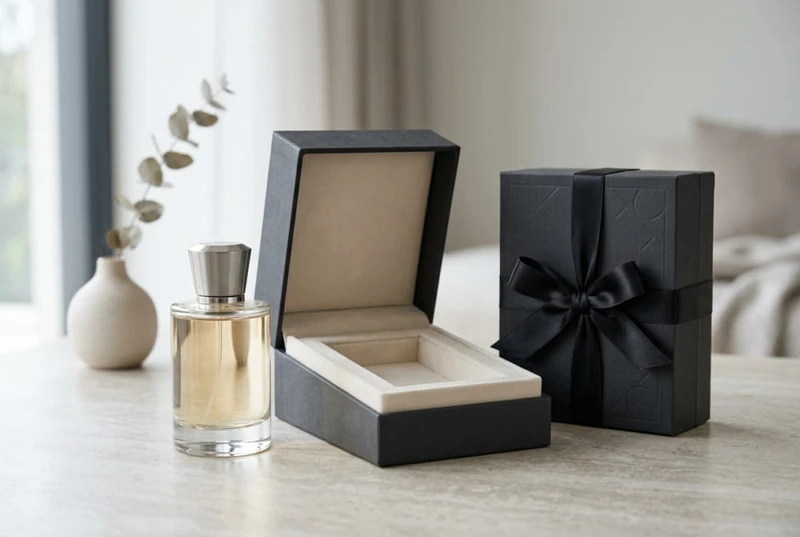
For fragrance brands in Australia, premium packaging is not only a protective shell for a delicate glass bottle. It is a commercial tool that shapes first impressions, lifts perceived value, supports safer shipping, and helps a product stand out in retail, online, and gifting channels. In practice, the most effective luxury fragrance and gift packaging balances structure, tactile quality, visual restraint, and practical performance. When a box opens smoothly, the bottle sits securely, and every printed or finishing detail feels intentional, customers are more likely to treat the product as premium and gift-worthy.
Across Sydney, Melbourne, Brisbane, Perth, and Adelaide, fragrance demand is increasingly influenced by presentation quality. This matters for store counters, ecommerce fulfilment, seasonal launches, collectors’ editions, influencer mailers, and corporate gifting. A well-designed box can also improve operational consistency from warehouse packing through to delivery via major freight and trade corridors linked to Port Botany, Port of Melbourne, and Fremantle. That is why many brands now invest earlier in packaging architecture rather than treating the box as a late-stage add-on.
In this guide, we look at how luxury presentation boxes, gift cartons, protective inserts, and carefully selected finishing details can increase perceived value in the Australian market while remaining practical for production, transport, and campaign flexibility.
Why premium fragrance packaging matters in the Australian market
Premium fragrance and gift packaging has a direct effect on perceived product quality. Australian shoppers often evaluate prestige fragrance through a combination of scent story, bottle design, and external presentation. If the outer box feels flimsy, prints inconsistently, or lacks structural precision, the product can appear less refined even when the formula itself is excellent. By contrast, a heavier board grade, clean wrap alignment, secure insert fit, and restrained embellishment help communicate confidence.
The market context also supports higher packaging expectations. Department store counters in Sydney and Melbourne compete with niche perfumeries, online-first brands, travel retail, and seasonal gift programmes. During Mother’s Day, Christmas, Lunar New Year gifting, and end-of-year corporate campaigns, consumers are more willing to pay for products that look complete and gift-ready. This creates a strong case for considered gift presentation formats rather than standard transit-led cartons alone.
Australian brands must also account for long-distance shipping, temperature variation, and warehouse handling. Fragile glass bottles, decorative caps, pumps, and accessories need interior support that protects without compromising presentation. The strongest packaging systems are therefore not only attractive but engineered around drop resistance, fit stability, and repeatable packing efficiency.
Market signals shaping premium box decisions
Brands serving the Australia market are increasingly designing packaging for multiple touchpoints at once. A fragrance box may need to present well at a David Jones or boutique retail counter, survive courier handling for a direct-to-consumer order in regional New South Wales, and scale into a holiday gift bundle for a corporate account in Brisbane. This is driving interest in more versatile box formats, modular inserts, and packaging systems that can be adapted across SKUs.
Local buying teams are also paying more attention to material use, recyclability, freight efficiency, and finishing choices that look premium without becoming excessive. The premium segment is moving away from unnecessary complexity and towards packaging that feels polished, giftable, and durable. In other words, presentation still matters deeply, but refinement now beats spectacle.
| Channel | Main priority | Packaging focus | Risk point | Commercial goal | Typical box direction |
|---|---|---|---|---|---|
| Department store retail | Shelf impact | Finish quality and presence | Overcrowded visual field | Premium positioning | Rigid set-up box |
| Boutique fragrance stores | Brand storytelling | Tactile unboxing | Generic packaging feel | Higher perceived exclusivity | Rigid magnetic or shoulder box |
| Ecommerce | Transit protection | Insert stability and shipping resilience | Glass breakage | Reduce returns and complaints | Folding carton plus protective insert or shipper-ready rigid box |
| Corporate gifting | Presentation consistency | Custom sleeves, message cards, branding | Slow packing process | Increase order value | Rigid gift box with insert cavities |
| Seasonal campaigns | Limited-edition appeal | Decorative finishes and collector cues | Too much complexity for short runs | Fast premium uplift | Decorated folding carton or sleeve-over-rigid format |
| Travel and minis | Compact efficiency | Lightweight and neat structure | Underwhelming presentation | Trial conversion | Premium folding carton |
The table shows that no single format suits every premium fragrance project. Australian buyers typically select packaging according to channel mix, breakage risk, and whether the box must also function as a gift solution.
This growth trend reflects the steady increase in premium presentation demand, especially where gifting, ecommerce protection, and brand differentiation are converging in one packaging brief.
Choosing between rigid boxes and folding cartons for luxury presentation
Rigid boxes and folding cartons both play important roles in luxury fragrance and gift packaging, but they communicate different value signals and operational trade-offs.
Rigid boxes are generally the stronger choice when a brand wants unmistakable premium presence. Their thicker structure, stable shape, and slower-opening feel create a more ceremonial unboxing experience. They are especially effective for full-size fragrances, discovery sets, special collaborations, festive gift packs, and collector editions. In premium retail environments in Sydney CBD or Melbourne’s luxury precincts, rigid packaging helps a fragrance appear more substantial before the customer even touches the bottle.
Folding cartons, however, remain highly relevant. A well-made folding carton can still feel luxurious when the board quality, print sharpness, surface finish, and insert engineering are handled correctly. They are lighter, easier to ship flat, and often more efficient for larger volume runs. For online orders or national distribution across Australia, folding cartons can reduce freight bulk while still protecting the product when paired with a well-designed internal fitment.
The most practical decision usually depends on three things: the target retail price, the expected customer experience, and the distribution model. If the packaging itself is intended to act as part of the gift object, rigid is often worth the investment. If the brand needs premium appearance with stronger shipping efficiency, folding cartons can be the smarter path.
| Factor | Rigid box | Folding carton | Best use case | Key caution | Perceived value impact |
|---|---|---|---|---|---|
| Visual presence | High | Moderate to high | Launch sets and gifts | Can be oversized | Very strong for premium lines |
| Structural strength | Excellent | Good with insert support | Fragile glass bottles | Cartons need precise fit design | Depends on interior engineering |
| Freight efficiency | Lower | Higher | National shipping programmes | Rigid boxes take more space | Indirect but commercially relevant |
| Unboxing experience | Slow, ceremonial | Fast, practical | Gifting and social sharing | Cartons can feel ordinary if under-finished | Rigid often wins |
| Unit cost | Higher | Lower to moderate | Scaled core lines | Do not chase cost too aggressively | Can still be premium if executed well |
| Short-run flexibility | Moderate | High | Seasonal campaigns | Complex rigid builds increase lead time | Varies by finish strategy |
For many brands, the most effective approach is a tiered packaging architecture: folding cartons for core ranges, rigid boxes for gift programmes and flagship products, and hybrid systems such as rigid drawers with printed sleeves for limited-edition launches.
Insert design ideas that protect glass while improving the unboxing experience
Glass protection is where luxury packaging either proves its value or fails under real conditions. The insert should not merely stop the bottle from moving. It should hold the product in a way that feels deliberate, clean, and easy to reveal. When a customer opens the box, the bottle should appear centred, stable, and simple to remove without tugging or shaking.
For fragrance bottles, common insert options include EVA foam, flocked trays, moulded pulp, layered paperboard cradles, and card-engineered locking structures. In premium markets, the insert must support both performance and presentation. A soft-touch flocked cavity may suit a collector gift box, while a tightly engineered paper insert may better suit a sustainability-led premium brand targeting younger ecommerce shoppers in Australia.
Some of the most effective insert ideas include a lift-tab beneath the bottle base, a stepped reveal that exposes the cap first, a hidden accessory compartment for samples or cards, and dual-cavity systems for fragrance plus body product sets. The key is to keep the reveal easy and elegant. If the user struggles to remove the bottle, the premium effect drops quickly.
From a transport perspective, inserts should also be tested for cap stability, neck pressure, and sidewall protection. This is especially important for bottles moving through courier networks between metro and regional locations, or through export channels connected to major ports. Luxury should feel effortless, but it should be backed by sound packaging engineering.
| Insert type | Protection level | Presentation feel | Suitable product type | Sustainability profile | Unboxing advantage |
|---|---|---|---|---|---|
| EVA foam insert | Very high | Luxurious and secure | Heavy glass bottles | Moderate | Firm hold with precise cavity shaping |
| Flocked tray | High | Soft premium touch | Gift sets and collectors’ editions | Moderate | Elevated visual and tactile reveal |
| Moulded pulp insert | Good | Natural premium look | Eco-led ranges | Strong | Supports sustainability storytelling |
| Layered paperboard cradle | Good | Clean and modern | Core premium SKUs | Strong | Lightweight and cost-efficient |
| Die-cut card locking insert | Moderate to good | Minimalist | Online orders and folding cartons | Strong | Easy assembly and flat-pack efficiency |
| Multi-layer reveal insert | High | Highly premium | Collector sets and campaign kits | Varies | Creates a staged opening experience |
The best insert selection depends on the bottle weight, the expected customer journey, sustainability goals, and shipping conditions. Brands should not choose inserts on looks alone; practical removal and repeatable bottle fit are just as important.
Seasonal packaging directions for gift launches, collector sets, and campaigns
Seasonal packaging gives fragrance brands a powerful way to refresh desirability without changing the fragrance formula. In the Australian market, key campaign windows often include Valentine’s Day, Mother’s Day, Father’s Day, Christmas, Lunar New Year, and broader year-end gifting. Each of these moments allows brands to introduce packaging that feels timely, gift-worthy, and limited enough to trigger faster purchasing.
For gift launches, subtle seasonal cues generally work better than fully redesigning the brand language. Examples include textured wraps, foiled details in warmer metallic tones, illustration sleeves, or coordinated ribbon tabs. For collector sets, brands can go further with numbered editions, layered inserts, reveal cards, and modular compartments for samples or accessories. The aim is to create collectability without losing core brand recognition.
Campaign packaging should also respect production realities. Short seasonal windows demand packaging that can be produced reliably and packed quickly. A smart method is to retain a standard structural base and update only the outer wrap, sleeve, sticker seals, or printed insert. This speeds execution while preserving premium appeal.
In Australia, seasonality also intersects with climate and logistics. End-of-year gift campaigns move during the busiest freight period. Packaging should therefore remain robust enough for ecommerce, courier handling, and last-mile delivery, especially for glass fragrance products.
The area chart highlights how gift-led and seasonal formats are taking a larger share of premium packaging development. This reflects stronger demand for campaign-ready boxes that can increase purchase intent during gifting periods.
| Season or campaign | Visual direction | Recommended format | Commercial use | Operational benefit | Premium cue |
|---|---|---|---|---|---|
| Valentine’s Day | Soft contrast, tactile paper, elegant foil | Sleeve over rigid box | Gift purchase acceleration | Reuse base structure | Romantic but restrained finish |
| Mother’s Day | Botanical motifs and calm colour layers | Rigid gift set box | Bundle upsell | Supports multi-item packing | Refined reveal experience |
| Father’s Day | Textured matt surfaces and subtle emboss | Magnetic rigid box | Premium positioning | Strong gift identity | Weight and structure |
| Christmas | Layered metallic accents and collector sleeves | Drawer box or shoulder box | High seasonal AOV | Ideal for sets and add-ons | Ceremonial opening |
| Lunar New Year | Symbolic colours with contemporary restraint | Decorated folding carton | Limited-edition appeal | Fast launch readiness | Special-edition exclusivity |
| Brand collaboration | Illustrated or artist-led exterior | Collector presentation box | Public relations and social sharing | Strong campaign recognition | Distinctive storytelling |
These seasonal directions work best when the packaging system is modular enough to adapt without rebuilding every component from scratch.
Finishing details that actually influence premium perception in the market
Not every decorative finish adds value. In premium fragrance packaging, the finishes that matter most are usually those that create tactile confidence, visual clarity, and consistent execution. In Australia, buyers and end customers alike notice finishing quality quickly, particularly in close-touch retail environments.
Soft-touch lamination can create a smooth, velvety surface, but it works best when paired with clean graphics and durable scuff resistance. Hot foil can dramatically increase gift appeal, though it should be used strategically rather than covering large areas without purpose. Embossing and debossing are effective when they reinforce the brand mark or a subtle decorative field, while edge painting, specialty paper wraps, and spot UV can create distinction if kept balanced.
What truly influences premium perception is precision. Sharp registration, wrapped corners that sit neatly, foil applied without spread, clean cut windows where relevant, and inserts that match the rest of the box all reinforce the sense of quality. A simple box with excellent execution typically outperforms a heavily embellished one with weak consistency.
For brands comparing options, it can help to review production samples under both store lighting and natural daylight. Premium details can behave differently under bright counter lighting, photography setups, and home unboxing conditions.
| Finish | Perception effect | Best use | Risk if overused | Suitable format | Market note |
|---|---|---|---|---|---|
| Soft-touch lamination | Elegant tactile premium feel | Minimalist brand aesthetics | Fingerprints or scuffing if poorly specified | Rigid and folding cartons | Popular in modern premium positioning |
| Hot foil stamping | Luxury shine and emphasis | Logos and key highlights | Can feel flashy if excessive | Gift and collector boxes | Best used with restraint |
| Embossing | Depth and craftsmanship | Brand marks and motifs | Weak effect on thin board | Paper-wrapped rigid boxes | Excellent for heritage brands |
| Debossing | Quiet sophistication | Subtle identity cues | Can disappear on dark stock | Minimal premium designs | Works well with soft-touch finishes |
| Spot UV | Contrast and detail focus | Pattern highlighting | Can appear mass-market if heavy | Folding cartons and sleeves | Useful for campaign editions |
| Textured specialty paper | Material richness | Collector and corporate gifting | May complicate foil or wrap alignment | Rigid set-up boxes | Strong tactile differentiation |
The table makes one point clear: premium perception comes more from control and material logic than from decoration volume. Finishing should support the brand story, not fight for attention.
Where sticker elements still add practical value in luxury packaging systems
Stickers are often underestimated in luxury packaging, yet they still provide practical value when used carefully. The issue is not whether stickers belong in premium systems, but where and how they are applied. If a sticker replaces a core design element poorly, it may look temporary. But if it solves a functional need elegantly, it can improve both usability and agility.
In luxury fragrance packaging, sticker elements are especially useful for short-run seasonal variants, batch coding overlays, gift seals, authenticity points, limited-edition numbering, multilingual compliance updates, and personalised event packaging. For Australia-focused campaigns, this can be valuable when one base box structure needs to serve multiple retailers, gifting occasions, or regulatory label versions without reprinting the whole run.
High-quality materials matter here. A matte textured label, a subtle foil seal, or a clear premium sticker can integrate well into a luxury system if it aligns with the rest of the pack. Brands needing agile decorative or compliance additions can explore customised premium sticker solutions that match the packaging tone rather than feeling like an afterthought.
Sticker elements also help with fulfilment efficiency. For example, a seasonal gift message seal on an outer tissue wrap or rigid lid can create a complete gifting impression without forcing a fully unique box for each campaign period.
Packaging approaches for retail counters, online orders, and corporate gifting
Premium packaging should be channel-aware. A fragrance sold from a retail counter has different needs from one shipped directly to a customer in Hobart or one delivered as part of a corporate holiday gift program in Melbourne. The most successful brands build packaging systems that maintain a consistent premium identity while adapting to each route to market.
Retail counter packaging should prioritise strong visual presence, efficient shelf alignment, and touch appeal. It should look complete from the front, sides, and top because customers often compare products at close range. Online order packaging, by contrast, needs to protect against vibration, impact, and compression while preserving the opening experience once it reaches the customer. Corporate gifting requires the highest degree of presentation flexibility, since inserts may need to hold multiple products, printed cards, branded notes, or event-specific items.
For brands serving several channels at once, modular packaging works well. The same core fragrance box can sit inside an outer gifting sleeve, a transit-ready mailer, or a corporate hamper structure depending on the program. This avoids unnecessary redesign while improving consistency.
The bar chart shows how demand remains highest where packaging must combine visual luxury with functional performance, particularly in ecommerce and seasonal gift-led channels.
| Channel | Primary requirement | Recommended box style | Insert approach | Value-added feature | Outcome |
|---|---|---|---|---|---|
| Retail counters | Display impact | Rigid shoulder box | Premium tray insert | Foil logo and tactile paper | Stronger shelf desirability |
| Online orders | Transit safety | Protected carton or rigid mailer-ready box | Shock-stable paper insert | Tamper seal and neat opening tab | Lower breakage risk |
| Corporate gifting | Custom branding | Magnetic gift box | Multi-cavity insert | Message card compartment | Higher programme value |
| Seasonal sets | Gift appeal | Drawer box or sleeve set | Dual-product cradle | Limited-edition sleeve | Improved AOV and urgency |
| Sample kits | Compact elegance | Slim folding carton | Die-cut card array | Brand story insert | Efficient trial conversion |
| PR campaign send-outs | Memorable reveal | Custom rigid presentation box | Layered reveal insert | Personalised label or seal | Better campaign impact |
Brands looking for scalable structures across these channels often combine gift boxes, paper boxes, and tailored decorative elements into one coordinated system. For projects that need premium boxes with gifting flexibility, tailored gift packaging formats can support both visual consistency and practical packing.
Overdesign choices that can make premium packaging feel less refined
One of the biggest mistakes in luxury packaging is assuming that more always means better. Premium fragrance presentation tends to become less convincing when too many visual and structural ideas compete at once. Heavy foiling, multiple specialty coatings, too many colours, oversized boxes, unnecessary windows, elaborate ribbon systems, and overly complex opening mechanisms can all weaken the result.
Overdesign often creates two problems. First, it makes the brand feel less confident because the packaging appears to be trying too hard to signal value. Second, it can harm usability. If the box is difficult to open, if the bottle catches on the insert, or if decorative elements scuff quickly, customers may remember the irritation more than the luxury.
In the Australia market, refined packaging increasingly leans toward disciplined material choice, strong proportion, and tactile quality. A premium fragrance box should feel intentional and coherent. This usually means selecting one or two hero finishes, keeping graphics balanced, and letting material quality do more of the work.
Brands should also avoid oversized gift boxes that increase freight costs without improving the reveal. In ecommerce, bulk can reduce efficiency; in retail, it can waste shelf footprint. Better premium design is often about editing down rather than adding on.
How gift-oriented packaging can lift average order value for fragrance brands
Gift-oriented packaging is one of the most practical ways to increase average order value for fragrance brands. When a product feels ready to gift, customers are more open to choosing higher-priced SKUs, upgrading to sets, or adding accessories such as minis, lotion companions, or message cards. Packaging therefore becomes part of the upsell strategy, not just the presentation cost.
In Australia, this is particularly effective during key gifting periods and for occasions such as birthdays, anniversaries, weddings, thank-you gifting, and end-of-year corporate campaigns. A fragrance that already comes in a refined gift box removes friction for the buyer. They do not need additional wrapping or a separate gift bag to make the purchase feel complete.
Bundle-ready packaging supports this effect. Dual or triple cavity inserts can combine fragrance with a travel spray, scented candle, body product, or sample set. Drawer boxes and magnetic rigid formats work especially well for these premium bundles. Personalised sleeves, seasonal seal stickers, and branded inserts can further increase perceived thoughtfulness without changing the core product.
For brands analysing margins, the extra packaging investment can be justified when it increases basket size, seasonal conversion, and gift-led repeat purchasing. In many cases, the packaging does not need to be dramatically more expensive; it simply needs to be smarter, more gift-ready, and better aligned to purchasing occasions.
This comparison suggests why gift-oriented formats are so commercially significant. As presentation quality rises, customers often perceive a stronger reason to purchase the product as a complete premium gift rather than as a simple personal-use item.
Product types and packaging combinations that work well for fragrance
Different fragrance products require different packaging combinations. Eau de parfum in a heavy glass bottle may need a rigid structure with a fitted cavity. Travel-size sprays often suit premium folding cartons with efficient card inserts. Discovery kits can use book-style boxes, slim magnetic packs, or carton trays with organised vial layouts. Home fragrance gift sets, including candles and diffusers, typically benefit from broader base structures and compartmental inserts.
Multi-product sets are especially effective for gifting. A fragrance bottle paired with a matching body lotion or mini spray creates a stronger perceived value proposition than a single product in a plain carton. This is why many Australian fragrance brands use packaging as a way to reframe their product assortment rather than only to protect individual units.
Buying advice for Australian brands sourcing premium fragrance packaging
When sourcing luxury fragrance and gift packaging for Australia, buyers should request more than visual mock-ups. The most important evaluations include structural samples, insert fit tests, material swatches, finish comparisons, and transit-oriented review. A box may look excellent in a flat render but behave very differently once a real glass bottle, cap, and accessory set are packed inside.
It also helps to distinguish between must-have features and optional embellishments. Structure, bottle stability, clean wrap quality, colour consistency, and packing efficiency should be prioritised before adding complex decorative features. Lead time planning matters too, especially for seasonal campaigns that must arrive in time for retail launch windows or ecommerce peak periods.
Australian buyers should also think about port timing, inland delivery, and regional fulfilment. Shipments serving Sydney, Melbourne, Brisbane, Perth, and Adelaide often need different scheduling buffers depending on launch deadlines and campaign sensitivity.
Industries and applications beyond core fragrance retail
Although fragrance is the focus, premium gift box systems also serve adjacent industries including beauty, skincare, wellness, jewellery, boutique food gifting, event merchandising, and promotional campaigns. The same design principles apply: product protection, tactile confidence, visually disciplined finishing, and a reveal experience that supports a higher-value purchase decision.
Applications now extend well beyond shop shelves. Brands use luxury boxes for subscription gifting, influencer outreach, hotel amenity programmes, duty-free promotions, wedding favours, and executive appreciation packs. Packaging has become part of how a brand communicates quality before the product is used.
Case examples from the Australian market context
A boutique fragrance label targeting premium retailers in Melbourne may choose a paper-wrapped rigid shoulder box with a debossed logo and moulded paper insert, balancing environmental messaging with tactile value. A Sydney-based ecommerce fragrance brand may instead use a dense folding carton with a die-cut internal support system and an elegant seal label to maintain shipping efficiency while preserving a gift-ready look.
For Christmas gifting distributed nationally from Brisbane, a corporate client might require a magnetic rigid box with space for fragrance, card insert, and branded message panel. In Perth, a campaign tied to a hotel or tourism partnership may favour a collector sleeve over a standard premium base box to control lead times while still creating exclusivity. These examples show that luxury packaging decisions should reflect channel, geography, risk profile, and campaign timing together.
Working with capable packaging suppliers
Strong suppliers do more than manufacture boxes. They help brands align structure, print, materials, and practical packing requirements. This is particularly important for premium fragrance packaging, where fragile components, decorative expectations, and gift-led commercial goals must all work together. Buyers should look for partners who understand both presentation standards and production repeatability.
Supplier comparison should include technical sampling capability, consistency across volume orders, material knowledge, finishing control, and responsiveness during revisions. For Australia-focused projects, communication speed and the ability to support both pilot runs and larger repeat programmes can be just as important as price.
Our company approach for the Australia market
For brands seeking premium fragrance and gift packaging, our approach combines practical manufacturing support with presentation-focused development for the Australia market. On the technology side, our workshop uses advanced production equipment to maintain precision in box structure, print clarity, surface finishing, and detail control. This matters when fragrance packaging needs accurate wrap alignment, stable insert fitting, and consistent decorative application across repeat runs.
From a manufacturing perspective, we support both small-batch custom development and larger production programmes. That flexibility is useful for limited-edition campaign boxes, gift launches, seasonal collectors’ sets, and core packaging lines that need reliable scale-up. We focus on material selection, structural performance, and final quality checks so each packaging solution performs well from assembly through to shipment.
On the service side, we work to provide efficient packaging solutions that fit different commercial requirements, including luxury gift boxes, paper boxes, sticker applications, and coordinated packaging systems. For Australian clients, this means supporting a mix of presentation goals and practical needs, from premium retail appearance to ecommerce readiness and gifting adaptability.
2026 trends for luxury fragrance and gift packaging
Looking ahead to 2026, three trend areas are likely to shape premium fragrance packaging more strongly in Australia: technology integration, policy and compliance pressure, and sustainability refinement.
On the technology side, brands are expected to increase the use of digital personalisation, variable print, scannable authentication tools, and smarter short-run packaging updates for campaign agility. This can make premium packaging more responsive without forcing full redesigns for every retail or gifting variation.
On the policy side, buyers will pay closer attention to recyclability claims, material sourcing transparency, and packaging reduction expectations. This does not mean the end of luxury presentation. It means premium formats will need to justify their material choices more clearly and avoid wasteful structures that do not enhance function or value.
On the sustainability side, the direction is moving away from simplistic eco messaging and towards practical, well-engineered solutions: lighter rigid constructions, recyclable paper-led inserts, fewer mixed materials, and reusable collector box formats. In premium fragrance, the winning designs will likely be those that maintain ceremony and protection while becoming more materially disciplined.
FAQ
What box type is best for luxury fragrance gifts?
Rigid boxes are usually best for premium gifting because they provide stronger presence, better structure, and a more memorable opening experience. Folding cartons remain effective for premium core lines when the materials and insert design are handled well.
Can folding cartons still feel luxurious?
Yes. High-quality board, sharp printing, tactile finishes, and a well-engineered insert can make folding cartons feel genuinely premium, especially for ecommerce and scaled retail distribution.
What insert is most practical for glass fragrance bottles?
The best insert depends on bottle weight, shape, and shipping conditions. EVA, flocked trays, moulded pulp, and engineered paperboard inserts all have valid uses. The ideal choice balances bottle stability, ease of removal, and brand positioning.
Are stickers suitable for luxury packaging?
Yes, when used for specific purposes such as gift seals, limited editions, authenticity elements, personalisation, or compliance updates. Premium sticker materials and thoughtful placement are essential.
How can packaging increase average order value?
Gift-ready packaging encourages shoppers to buy sets, upgrade to premium formats, and add companion products. It reduces the effort needed to turn a fragrance purchase into a gift purchase.
What should Australian brands prioritise first?
Start with structural quality, insert protection, material feel, and consistency of execution. Decorative extras should only be added after the packaging performs properly across retail, ecommerce, and gifting needs.
Final advice for premium fragrance box planning
Luxury fragrance and gift packaging increases perceived value when it combines disciplined design with practical performance. In the Australia market, the strongest solutions are those that match channel needs, protect glass effectively, support gifting occasions, and use finishing details with intent rather than excess. Whether a brand chooses rigid boxes, folding cartons, or a hybrid system, the goal should be the same: create packaging that feels desirable the moment it is seen, reassuring the moment it is handled, and memorable the moment it is opened.
