
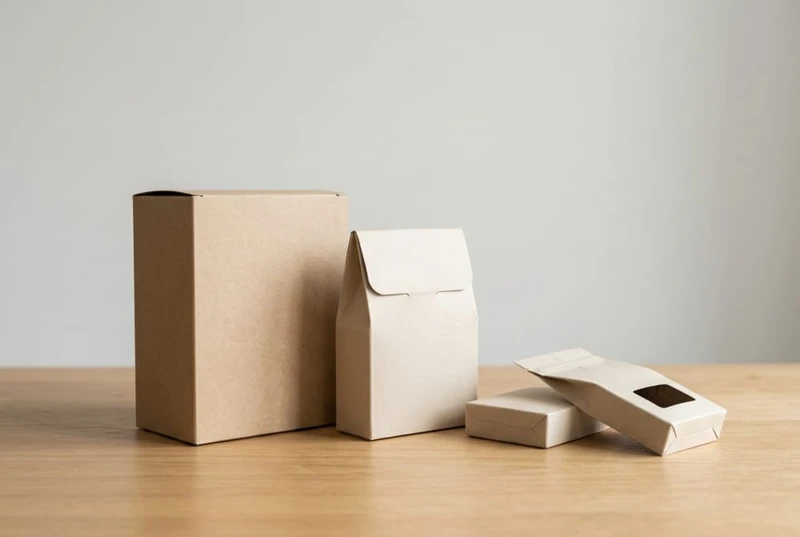
For pet brands in Australia, packaging has to do more than look tidy on shelf. It needs to protect freshness, carry feeding and compliance details clearly, survive freight from Melbourne to Perth, and make pet owners feel confident at first glance. Whether you sell natural dog treats, cat food pouches, canned meals, supplements, seasonal hampers, or repeat-order bundles, the right box structure and labelling system can improve handling, reduce packing errors, and strengthen brand trust.
A practical packaging system usually starts with the product itself: weight, fill format, shelf life, break risk, and how the item moves through wholesale, retail, and eCommerce channels. From there, outer boxes, sleeves, inserts, carton strength, stickers, and display choices can be planned as one connected system. This is especially important for Australian distribution, where goods may move through Sydney, Brisbane, Adelaide, Fremantle, and regional delivery routes before reaching stores or homes.
In this guide, we look at what works for pet treats, dry food, cans, pouches, and curated packs; where secondary boxes add value; how sticker programmes help manage variants; and what to watch if your range is expanding. We also cover premium and gift-ready options, shipping needs for online pet brands, and structural details that matter for heavier SKUs.
Australia market context for pet packaging decisions
Australia’s pet care market continues to mature as owners spend more on nutrition, wellness, convenience, and presentation. That shift affects packaging choices directly. Products that once sold in plain utilitarian cartons now need stronger visual cues for ingredients, portion type, life stage, and product benefit. At the same time, logistics expectations are rising. Customers ordering from online stores expect clean, damage-free delivery and packaging that feels considered rather than generic.
Local market conditions also shape design. Retail shelves in urban centres such as Sydney and Melbourne can be crowded, while independent pet stores in regional areas often prefer packs that are easy to stack, replenish, and explain quickly to buyers. Importers and domestic brands using warehouse networks near Port Botany, the Port of Melbourne, or Brisbane’s logistics corridor often need packaging that balances presentation with pallet efficiency.
For growing brands, the strongest packaging systems usually support three goals at once: product protection, operational consistency, and brand recognition. That means using structure, graphics, and labelling in a way that can adapt as new flavours, formulas, and pack sizes are added over time.
| Priority | Why it matters | Typical product types | Packaging response | Retail effect | eCommerce effect |
|---|---|---|---|---|---|
| Freshness protection | Owners expect safe, stable food quality | Treats, dry food, wet meals | Barrier primary pack with protective outer box | Builds trust | Reduces leak or crush complaints |
| Clear variant recognition | Ranges often include many recipes | Single proteins, grain-free, puppy formulas | Colour coding and stickers | Faster shelf selection | Less warehouse picking error |
| Freight durability | Long delivery distances are common | Cans, bundles, refill programmes | Stronger board grades and inserts | Better shelf condition | Lower transit damage |
| Premium presentation | Higher-value products need perceived quality | Gift packs, specialty nutrition | Rigid boxes, sleeves, neat finishing | Higher perceived value | Improves unboxing |
| Scalable identity | Brands expand into more SKUs over time | Multi-category ranges | Master design system | Stronger recognition | Easier catalogue growth |
| Sustainability pressure | Buyers ask about waste and materials | All categories | Efficient board use and recyclable components | Supports brand image | Helps retention in repeat orders |
The table shows why pet packaging in Australia is rarely a single-issue decision. A box may need to improve presentation while also helping with warehousing, order assembly, and freight performance.
Formats that work for pet treats, pouches, cans, dry foods, and bundle packs
Different pet products need different structural answers. A folding carton that works well for lightweight biscuits may fail when used for dense chew packs or multi-can sets. The best format depends on product shape, unit count, moisture sensitivity, and how the item will be merchandised.
For pet treats, tuck-end cartons, sleeve-and-tray formats, and compact paper boxes are common when the primary pack is a pouch or sealed inner bag. These formats help the product stand upright, create enough printable area for ingredients and claims, and support a cleaner shelf look. For premium dog biscuits or freeze-dried snacks, a box can also help separate delicate pieces from heavy handling.
Pet food pouches often benefit from shelf-ready outers, display cartons, or subscription bundle boxes. Since pouches can slump, wrinkle, or hide branding on shelf, secondary packaging gives the product a more orderly retail presence. It is also useful for variety packs and feeding plans where multiple recipes sit in one unit.
Cans require stronger board and better load planning. Even small cans become heavy quickly, so wraparound cartons, partitioned boxes, and snug multi-pack carriers perform better than decorative but weak formats. Dry food presents another challenge: the inner bag usually manages barrier protection, but the outer carton needs to reinforce the premium message, support club-store style packs, or create better shelf blocking in boutique retail.
Bundle packs are increasingly important in Australia, especially for pet starter kits, trial bundles, wellness combinations, and online repeat orders. These usually perform best with corrugated outers, reinforced inserts, or modular internal dividers that can accommodate different combinations without rebuilding the entire packaging line.
| Product type | Suggested format | Main advantage | Operational benefit | Best use case | Watch-out point |
|---|---|---|---|---|---|
| Dog treats | Folding carton with inner pouch | Good print area and clean display | Easy shelf replenishment | Retail and gift lines | Needs moisture-safe inner pack |
| Cat treats | Compact paper box or sleeve pack | Supports smaller portions | Efficient picking | Single-flavour variants | Can look crowded if overdesigned |
| Wet food pouches | Display carton or variety box | Keeps flexible packs orderly | Helps count control | Multipacks and subscriptions | Needs anti-bow design if stacked high |
| Canned meals | Partitioned corrugated carton | Supports heavy loads | Improves handling safety | Online orders and wholesale | Board grade must suit total weight |
| Dry food | Outer carton around sealed bag | Premium look and stronger branding | Better pallet presentation | Mid to premium retail | Needs accurate fit to avoid slump |
| Bundle packs | Mailer box with inserts | Flexible assortment packing | Easy for subscription assembly | Online and promotional packs | Insert design must prevent movement |
This comparison highlights a simple principle: choose the format that matches the way the product is stored, picked, and sold, not just the way it looks in a concept mock-up.
Brands that need tailored outer formats for these categories often combine custom box development with a broader range architecture. A practical starting point is to build a consistent family of custom pet packaging boxes that share key dimensions, material logic, and brand elements while still fitting each item properly.
How secondary boxes improve handling for multi-pack and subscription-style pet products
Secondary packaging matters most when one customer order contains multiple units, mixed flavours, or recurring deliveries. In these cases, the outer box is not just decorative. It becomes a handling tool that helps warehouse staff pick faster, protects products during delivery, and presents the order neatly on arrival.
For multi-packs sold in-store, secondary boxes improve count control and reduce shelf clutter. Instead of displaying loose pouches or cans, retailers can stock a single tidy unit. This helps stores in busy locations such as inner-city Sydney or Melbourne boutique pet retailers, where space efficiency and visual order are important.
For subscription-style pet products, secondary boxes help standardise packing lines. If a brand offers monthly dog meal bundles, cat wellness kits, or mixed treat rotations, internal dividers and repeatable carton sizes reduce labour variance. They also make forecasting easier because pack-out methods stay consistent across order cycles.
Another advantage is communication. A well-designed secondary pack can explain what is inside, how to store it, and how to use the assortment. That is useful for trial bundles, breed-specific packs, senior pet formulas, or vet-aligned nutrition programmes.
Australian eCommerce deliveries may travel through sorting hubs and subcontracted last-mile networks, so a secondary box should also resist compression, edge knocks, and internal shifting. Stronger corners, snug fit, and sensible pack geometry often matter more than decorative complexity.
Sticker strategies for flavor coding, formulas, and size-based variants
Stickers are one of the most practical tools in a pet packaging system, especially when brands are adding variants quickly or running mixed production schedules. Used well, they support stock control, flavour recognition, promotional flexibility, and small-batch launches without forcing a full print change for every SKU.
For flavour coding, a simple and disciplined colour system works best. Kangaroo, chicken, salmon, lamb, and beef variants should each have a repeatable visual cue that appears on the sticker and the box design. The goal is not decoration for its own sake. The goal is instant recognition by store staff, warehouse pickers, and customers. Formula-based stickers can also signal grain-free, high-protein, dental support, puppy, senior, or sensitive stomach recipes.
Size-based variants are another strong use case. When the same product appears in trial, standard, and bulk formats, stickers help prevent fulfilment mistakes. This matters for both direct-to-consumer orders and mixed wholesale shipments. In practice, many brands keep the base carton artwork stable and use variable label application to manage fast-changing range details.
To work well, sticker strategy needs planning. Material should suit the pack surface. Adhesion should hold through transport and storage. Print contrast needs to stay readable under shop lighting. Placement should be consistent so buyers know where to look first.
If a range is still growing, it often makes sense to combine fixed box graphics with flexible custom stickers for pet product variants. That approach keeps brand consistency while allowing efficient updates for new formulas, seasonal offers, and retailer-specific bundles.
| Sticker purpose | Best content | Ideal colour use | Operational advantage | Retail advantage | Risk if poorly handled |
|---|---|---|---|---|---|
| Flavour coding | Protein source or taste | One colour per flavour family | Faster picking | Quick buyer recognition | Confusion if colours overlap |
| Formula markers | Grain-free, puppy, senior | Supportive icon plus accent colour | Simple range management | Improves trust | Too many claims can clutter panel |
| Pack size labels | Weight or unit count | Bold but neutral | Reduces dispatch errors | Easier comparison | Hard to read if placed low |
| Promo stickers | Limited edition or bundle note | Short-term contrast colour | Supports campaign speed | Draws attention | Can cheapen premium packs |
| Retailer-specific labels | Channel code or barcode support | Back-of-pack use | Channel flexibility | Keeps front panel clean | Misplacement affects scanning |
| Batch or date support | Traceability details | High-contrast text | Better stock control | Supports compliance confidence | Smudging creates problems |
The best sticker strategy is not simply more labels. It is a controlled visual language that works across packaging, warehousing, and shelf presentation.
Shipping-ready packaging needs for online pet brands and repeat orders
Online pet brands need packaging that can handle repeat freight cycles and still feel dependable when it arrives. That is particularly important for heavy cans, mixed assortments, and regular subscription orders where one failure can affect long-term retention.
Shipping-ready packaging starts with fit. Too much empty space increases movement and damage risk. Too little tolerance can crush the product or complicate fulfilment. The ideal shipper holds the product securely, closes cleanly, and requires minimal void fill. For repeat orders, consistency matters even more because packers need speed and customers expect the same experience every month.
Outer cartons for online sales should be tested against realistic route conditions. A parcel leaving a warehouse in western Sydney may move differently from one shipping out of Brisbane or a regional fulfilment centre near Geelong. Temperature swings, conveyor handling, stack pressure, and final-mile impacts all affect performance. That is why board grade, insert choice, edge protection, and closure method should be reviewed together rather than separately.
Clear external identification is also useful. Subscription and replenishment programmes benefit from coded systems that help staff pick the right assortment quickly. Inside the box, a simple layout card or pack map can help customers understand what they received, especially in mixed-flavour or wellness bundles.
For gift-worthy or premium repeat programmes, eCommerce-ready presentation does not need to mean excess material. A well-designed outer can still look polished if graphics, inserts, and fold quality are carefully controlled.
| Packaging element | Why it matters | Best for | Operational gain | Customer benefit | Common mistake |
|---|---|---|---|---|---|
| Right-sized mailer | Reduces movement in transit | Treats and bundles | Faster pack-out | Cleaner arrival | Using one oversized box for all orders |
| Corrugated strength match | Prevents collapse under load | Cans and bulk dry food | Lower damage rates | More trust | Ignoring total packed weight |
| Internal inserts | Keeps items separated | Mixed subscriptions | Less repacking | Better presentation | Loose products knocking together |
| Clear dispatch labelling | Supports fulfilment accuracy | High-SKU ranges | Fewer pick errors | Correct order arrives | Hard-to-read variant codes |
| Reliable closure | Maintains box integrity | All eCommerce orders | Less rework | Secure parcel | Weak seal on dusty board |
| Consistent presentation card | Improves unboxing clarity | Subscriptions and kits | Supports standardisation | Feels intentional | Adding too much paper clutter |
For online-first brands, shipping-ready design is not just a logistics topic. It is part of customer retention, refund control, and brand experience.
How premium packaging can support giftable or specialty pet products
Premium pet packaging is most effective when it signals care, safety, and product quality without becoming overly ornate. In Australia, this matters for boutique treats, holiday packs, breed-specific collections, wellness programmes, and specialty products sold as gifts for pet owners or as premium add-ons in vet, grooming, and lifestyle channels.
A premium pack can be built through structure, finish, and discipline rather than excess. Strong board, precise folds, neat inserts, controlled typography, and thoughtful opening mechanics all add perceived value. Sleeve-and-drawer packs, rigid gift boxes, and refined folding cartons can help smaller pet products feel more substantial, especially when they are sold as curated sets.
Giftable formats are also useful for product launches and seasonal campaigns. For example, a Christmas dog treat set or a premium cat sampler can use internal compartments to separate flavours while presenting the range clearly. This makes the pack easier to give, easier to display, and easier to photograph for eCommerce.
Some brands also use premium packaging to support higher-margin specialty lines such as limited ingredient treats, locally sourced recipes, or wellness-oriented pet products. In these cases, packaging should make trust visible: clean information hierarchy, refined finishing, and well-managed colour use help the product feel credible rather than overdesigned.
Where the aim is a more elevated presentation, brands often pair structured box development with refined gift packaging solutions for pet products that still respect transport and storage demands.
Structural points to watch when packaging heavier pet-related SKUs
Heavier pet products create structural issues quickly. Cans, large treat tubs, dense supplement jars, and bulk dry food refills all put pressure on panel strength, handles, closures, and stacking performance. A design that works for light packs can fail once the total packed weight rises.
The first point to review is board selection. Heavier SKUs need paperboard or corrugated grades matched to actual weight, route, and stacking method. The second is geometry. Deep boxes with unsupported spans can bulge, while poorly planned hand holes may tear under load. The third is load distribution. Internal partitions, pads, and inserts can reduce pressure concentration and keep products from colliding.
Closure strength matters as well. Tuck flaps that are fine for lightweight products may open under the stress of dense packed cans. For warehouse movement and courier handling, stronger locking tabs or taped corrugated shippers may perform more reliably. If the box will be palletised, edge crush strength and top-to-bottom compression become especially important.
Designers should also think about human handling. Packs sold in sixes, twelves, or larger bundles need to be comfortable to lift, stable to carry, and unlikely to burst when picked from a shelf or pallet. This is highly relevant for wholesale supply into pet chains, grocery-adjacent channels, and independent stores across regional Australia.
| Checkpoint | What to assess | Products affected | Failure risk | Recommended action | Commercial impact |
|---|---|---|---|---|---|
| Board grade | Total packed weight and route | Cans, jars, bulk packs | Panel collapse | Upgrade material specification | Fewer freight claims |
| Base support | Bottom panel deflection | Multi-can cartons | Bottom burst | Reinforce base design | Safer handling |
| Partition system | Item-to-item movement | Mixed heavy bundles | Dent and impact damage | Add dividers or inserts | Better presentation |
| Closure method | Tab and seal strength | Dense food packs | Box opening in transit | Use stronger lock or tape system | Lower returns |
| Handle design | User comfort and tear resistance | Carry packs | Handle ripping | Rework handle geometry | Improves retail usability |
| Stacking tolerance | Compression on pallets | Wholesale cartons | Crushing at warehouse | Test pallet load patterns | More stable storage |
The explanation here is straightforward: structural packaging for heavy pet items must be engineered around actual use conditions, not assumed from visual appearance alone.
Shelf-presentation mistakes that make pet packaging feel generic
Many pet packs underperform not because the product is weak, but because the shelf presentation says too little or says everything at once. Generic packaging often comes from poor hierarchy, overused category cues, or a lack of visual distinction across the range.
One common mistake is relying on stock imagery or predictable pet silhouettes without a stronger brand idea. Another is failing to differentiate between flavour, life stage, and benefit. If every box uses the same layout but tiny text changes, buyers cannot scan the range quickly. Overcrowded front panels are another issue. Too many claims, icons, badges, and bursts can make the pack feel less trustworthy rather than more informative.
Some brands also underuse structure. A well-made box with disciplined finishing often communicates more confidence than a thin carton covered in busy graphics. Poor colour logic is equally damaging. If colours do not map clearly to formulas or proteins, customers may hesitate, and staff may restock incorrectly.
Finally, many ranges ignore how products appear together. Packaging should not be designed one SKU at a time. On a shelf in a Brisbane specialty store or an Adelaide independent pet retailer, the family effect matters. When products align visually but still show meaningful difference, the range looks established and dependable.
How to plan a packaging system that grows with a wider pet product range
A scalable packaging system is one of the best investments a pet brand can make. It prevents redesign fatigue, reduces production complexity, and makes future launches more efficient. Instead of starting from zero for every new SKU, the brand builds a packaging architecture with clear rules for structure, graphics, sticker use, and format selection.
This usually begins with a product matrix. Group products by weight, pack type, selling channel, and handling risk. From there, create a family of standard box types with controlled size increments. For example, one structural family may cover small treats, another may suit pouch assortments, and another may support heavier bundles. Within those families, the visual system should define what stays constant and what changes.
Constants may include logo position, ingredient hierarchy, typography, sustainability messaging style, and legal information zones. Variable elements may include flavour colour, animal type, life stage markers, sticker panels, and size labels. This approach is especially useful for Australian brands expanding from dog treats into cat products, supplements, trial packs, or seasonal gift lines.
Scalable systems also help procurement and production. If several SKUs share material standards or box footprints, ordering and scheduling become simpler. Warehousing improves too, because cartons can be stored, picked, and replenished with more consistency.
| Planning area | Key question | What stays fixed | What can vary | Benefit to growth | Example result |
|---|---|---|---|---|---|
| Structure | Which box families are needed? | Board logic and construction style | Dimensions by SKU group | Lower redesign time | Three standard carton families |
| Brand hierarchy | How is the range recognised fast? | Logo and headline layout | Sub-range names | Better shelf consistency | Clear parent and child branding |
| Variant coding | How are recipes separated? | Sticker position and coding rules | Colours and flavour labels | Fewer fulfilment errors | Unified flavour colour map |
| Channel use | Will packs sell online and in-store? | Core information structure | Outer shipping layer | Cross-channel efficiency | Retail pack plus mailer option |
| Manufacturing | Can the range scale smoothly? | Material standards | Run size and finishing options | Improved production planning | Shared specifications across SKUs |
| Future launch readiness | How quickly can new lines be added? | Template zones | Seasonal graphics or inserts | Faster time to market | New variants launched without full redesign |
The practical benefit of this framework is that packaging becomes a system rather than a series of isolated jobs. That makes range growth less costly and more coherent.
Buying advice for Australian pet brands
When sourcing packaging, Australian brands should assess more than sample appearance. Ask how the pack will be manufactured, how colour consistency is controlled, what board options are suitable for weight and route, and whether the supplier can support both small trial runs and larger production volumes. It is also worth checking how well a supplier handles label integration, gift formats, and multi-format programmes across boxes and stickers.
Lead time planning matters if your products move through major hubs such as Melbourne, Sydney, or Brisbane and then onward to national retailers or online customers. A strong packaging program should account for warehouse handling, seasonal peaks, and the possibility of future line extensions. If you are launching into a new category, ask for prototypes that reflect real product fill and actual transit use, not just a visual sample.
Industries and applications where pet packaging performance matters most
Pet packaging choices affect several channels beyond standard retail. Independent pet stores need packs that explain themselves quickly. Veterinary and wellness channels often require a more clinical, trustworthy presentation. Grooming salons and boutique lifestyle stores may favour gift-ready or premium formats. Online subscriptions need repeatable freight performance. Export-adjacent or importer-led businesses need cartons that can hold up through more complex logistics chains.
Applications include launch kits, sample assortments, trial-size bundles, loyalty packs, breeder programmes, and event gifting. In each case, the packaging should match the purpose. A trade sample set may need easier product education, while a retail-ready multipack needs cleaner shelf blocking and stronger count control.
Case-style examples from the Australian market
A Melbourne natural dog treat brand moving from local markets to boutique retail may shift from plain pouches to small folding cartons with colour-coded flavour stickers. This creates a more reliable shelf presence and makes replenishment easier for stores.
A Sydney cat food subscription brand may use a standard mailer with internal dividers for mixed pouches, reducing packing time and helping the order arrive in better condition. A Brisbane premium pet gifting business may use rigid or semi-rigid presentation boxes for seasonal hamper lines, improving the perceived value of a curated range. An Adelaide wholesaler handling canned products may adopt stronger partitioned cartons to reduce denting across regional delivery routes.
These examples show that the best packaging decisions usually come from matching format, handling need, and sales channel rather than following category trends blindly.
Local supplier evaluation in Australia
When comparing packaging partners for the Australia market, look at capability fit rather than headline price alone. Some suppliers are better at folding cartons, some at corrugated transit solutions, and some at integrated programmes that include boxes, labels, and presentation packaging. The most useful partner is often one that can bridge structural design, production discipline, and service reliability.
This comparison suggests that supplier choice is increasingly driven by flexibility and service quality, not just unit cost. That is especially true for pet brands managing frequent SKU variation and channel complexity.
Our packaging approach for pet brands
For pet brands that need a packaging partner able to support both presentation and performance, our work is built around three strengths. First is technological capability. Our workshop uses advanced production equipment to maintain cleaner forming, more stable output, and reliable detail across paper boxes, labels, and presentation formats. That matters when ranges include multiple variants and need consistent results from one batch to the next.
Second is manufacturing capability. We support both small-batch custom projects and larger-scale runs, which is useful for Australian brands testing new pet lines, launching seasonal packs, or expanding into full national distribution. Material selection, structural suitability, and quality control are handled carefully so packaging is not only attractive, but practical in real use.
Third is service capability. We work flexibly across custom boxes, stickers, and gift-oriented packaging solutions, helping clients build coordinated systems rather than isolated items. For pet products, that can mean aligning mailers, shelf packs, flavour labels, and premium sets so the brand grows in a more organised way.
2026 trends shaping pet packaging in Australia
Looking into 2026, three forces are likely to shape pet packaging more strongly in Australia: smarter production technology, policy and compliance pressure, and sustainability expectations that are becoming more specific. On the technology side, shorter-run flexibility, variable data integration, and more efficient finishing will help brands manage wider ranges without excessive print waste. This supports the growing need for fast flavour rotations, trial packs, and segmented nutrition lines.
Policy trends are also relevant. Clearer packaging information, traceability support, and scrutiny around environmental claims mean brands should keep legal and sustainability messaging disciplined. The safest approach is to avoid vague claims and ensure pack communication is accurate and readable.
Sustainability will continue to move from broad intention to measurable design decisions. That includes reducing unnecessary layers, using efficient board specifications, improving pack cube for transport, and designing secondary packaging that adds a genuine function. Pet owners are still sensitive to quality and safety, so sustainable design has to work alongside protection, not against it.
Brands that plan now for modular packaging systems, controlled material use, and more adaptable labelling will be better positioned as the market becomes more segmented in 2026 and beyond.
FAQ
What box style is usually best for pet treats?
For many treat products, a folding carton with an inner sealed pouch is a practical choice because it combines freshness support, shelf presence, and good print space.
Are stickers a good option for small or growing pet ranges?
Yes. Stickers help manage flavour, formula, and size variation without requiring a full redesign or separate print run for every SKU.
Do premium pet products always need rigid boxes?
No. Many premium ranges perform well with well-made folding cartons, sleeves, or refined mailers. Premium value often comes from strong structure and disciplined design rather than expensive format alone.
How important is shipping-ready design for repeat orders?
Very important. Repeat-order pet products need consistent protection and fast packing. A shipping-ready box helps reduce damage, packing time, and customer dissatisfaction.
What is the biggest mistake in expanding a pet packaging range?
Adding new SKUs one by one without a system. That often creates visual inconsistency, production inefficiency, and confusion for customers and staff.
For pet brands in Australia, the most effective packaging balances trust, freshness support, freight performance, and clear range logic. Whether you are building a starter range or expanding into bundles, subscriptions, and premium gift formats, the strongest result comes from planning the system early and making each box, label, and outer pack work together.
