
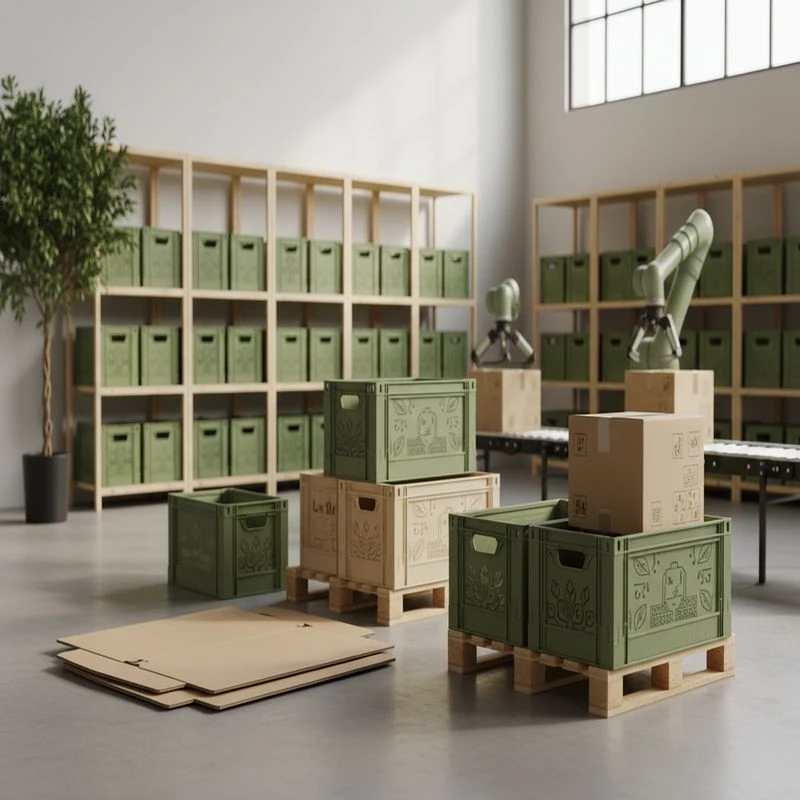
Driving Sustainability and Efficiency Through Innovative Logistics Solutions
In the dynamic landscape of modern commerce, Australian businesses are increasingly recognising the pivotal role of sustainable practices, not just as a compliance measure but as a core driver of efficiency, cost savings, and brand reputation. At the heart of this transformation lies the strategic adoption of reusable custom packaging for sustainable logistics. This isn’t merely about swapping disposable materials for something sturdier; it’s about redesigning entire supply chain operations to minimise waste, reduce carbon footprints, and create more resilient, circular economies. For a nation as geographically vast and environmentally conscious as Australia, embracing sophisticated reusable packaging solutions offers an unparalleled opportunity to streamline operations from urban hubs to remote regional areas, all while contributing significantly to national sustainability targets. The shift represents a proactive approach to managing resources, enhancing product protection, and fostering long-term relationships with both customers and partners who increasingly value ecological responsibility. It’s a journey that begins with understanding the potential of innovative packaging and extends to a holistic rethinking of how goods move across the continent.
Reusable Packaging
Embracing reusable packaging is no longer a niche concept but a fundamental pillar for Australian businesses striving for true sustainability and operational excellence in their logistics. The primary takeaway is clear: transitioning to reusable solutions dramatically reduces waste and associated costs, offering a tangible pathway to a more circular economy. The reasoning behind this shift is compelling. Environmentally, reusable packaging directly addresses Australia’s urgent need to reduce landfill waste and mitigate carbon emissions, aligning perfectly with national packaging targets and consumer expectations for eco-friendly practices. Economically, while initial investment might seem higher, the long-term cost savings are substantial. Businesses save on recurrent purchasing of single-use materials, waste disposal fees, and often benefit from reduced product damage due to more robust packaging. Furthermore, the enhanced durability of reusable options means products are better protected during transit, leading to fewer returns and less material loss.
For Australian businesses looking to implement reusable packaging, the actionable steps involve a systematic approach. Firstly, conduct a thorough audit of your current packaging use and waste streams. Identify high-volume, repetitive routes where reusable containers, pallets, or wraps can make the most significant impact. Secondly, engage with your supply chain partners early in the process – collaboration is key for successful implementation, particularly for establishing reverse logistics. Thirdly, start with a pilot program in a controlled segment of your operations to test the chosen solutions, gather data on efficiency, cost savings, and operational challenges. Practical examples abound across various Australian sectors: grocery retailers utilising sturdy plastic crates for fresh produce delivery to stores, automotive manufacturers employing custom-designed returnable totes for component transport between facilities, and e-commerce companies exploring durable mailers for high-value goods. These examples demonstrate that reusable custom packaging for sustainable logistics can be tailored to diverse industry needs, providing specific benefits like improved inventory management and faster handling times at distribution centres.
However, implementing reusable packaging isn’t without its potential pitfalls. One common challenge is the initial capital investment required to purchase durable containers, which can deter some businesses. A solution here lies in conducting a comprehensive total cost of ownership (TCO) analysis, demonstrating how ongoing savings in materials, waste, and damage quickly offset the upfront cost. Another hurdle is managing the reverse logistics – ensuring empty packaging is efficiently collected, cleaned, and returned to the supply chain. This complexity can be overcome by implementing robust asset tracking systems, partnering with third-party logistics (3PL) providers specialising in reusable asset management, or even participating in industry pooling systems. These solutions ensure that the operational benefits of reusable packaging are fully realised, transforming what might seem like a complex logistical challenge into a streamlined, cost-effective, and environmentally superior method of transporting goods throughout Australia.
Durable Materials
The success of any reusable custom packaging system hinges fundamentally on the selection of durable, fit-for-purpose materials. The core takeaway here is that choosing the right material is not just about longevity; it’s about ensuring product protection, hygiene, and the overall economic viability and environmental integrity of the entire reusable cycle. The reasoning behind this emphasis on material durability is multi-faceted. Reusable packaging must withstand repeated cycles of loading, unloading, transportation, cleaning, and storage without degrading, breaking, or compromising the integrity of its contents. This endurance directly translates to a lower total cost of ownership over its extended lifespan compared to single-use alternatives. Furthermore, robust materials offer superior protection against impacts, moisture, and temperature fluctuations, which is particularly crucial for maintaining product quality across Australia’s diverse climatic zones and vast distances. Materials that are easy to clean and sanitise are also paramount, especially for industries handling food, pharmaceuticals, or other sensitive goods, ensuring compliance with strict Australian health and safety standards.
When considering material options for reusable custom packaging for sustainable logistics in Australia, businesses have several actionable steps. Firstly, thoroughly assess the specific requirements of the product being packaged: its weight, fragility, sensitivity to environmental factors, and any regulatory compliance needs. Secondly, research and evaluate various durable materials such as high-density polyethylene (HDPE), polypropylene (PP), recycled plastics (rHDPE, rPP), and even certain types of aluminium or engineered wood composites. Each material offers distinct advantages in terms of strength-to-weight ratio, chemical resistance, temperature tolerance, and ease of recycling at its end-of-life. Thirdly, conduct rigorous testing of selected materials under conditions mimicking your actual supply chain, including extreme temperatures, rough handling, and exposure to cleaning agents. For example, HDPE is widely favoured for totes and pallets due to its excellent impact resistance, chemical inertness, and ability to be recycled. PP is lighter and offers good stiffness, often used for collapsible crates. The increasing availability and quality of recycled plastics mean businesses can incorporate a significant percentage of post-consumer or post-industrial content, further closing the loop on material use and enhancing their environmental credentials.
Despite the clear benefits, selecting durable materials can present pitfalls. The initial cost of high-quality, durable materials can be higher than virgin, single-use alternatives, requiring a careful long-term financial projection to justify the investment. Another challenge is ensuring the environmental impact of the material’s production is genuinely lower when considering its entire lifecycle, including manufacturing energy and potential for recycling. Solutions involve prioritising materials with a high percentage of recycled content, which reduces demand for virgin resources and energy. Engaging with suppliers who can provide transparent lifecycle assessment (LCA) data for their materials is also crucial. Furthermore, designing packaging from mono-materials (a single type of plastic) simplifies end-of-life recycling, preventing valuable resources from ending up in landfill. The table below provides a comparative overview of common durable materials suitable for reusable packaging in the Australian context, helping businesses make informed decisions.
| Material Type | Key Properties | Typical Applications in Australia | Estimated Lifespan (Cycles) | Environmental Consideration |
|---|---|---|---|---|
| High-Density Polyethylene (HDPE) | High strength-to-density ratio, impact resistant, chemical resistant, wide temperature range. | Heavy-duty totes, pallets, bulk bins, crates for fresh produce. | 100 – 500+ | Recyclable (Code 2), often available with significant recycled content. |
| Polypropylene (PP) | Lightweight, rigid, good fatigue resistance, good for hinges, slightly lower impact strength than HDPE. | Collapsible crates, food service containers, automotive parts trays. | 80 – 400+ | Recyclable (Code 5), lighter weight reduces transport emissions. |
| Aluminium | Lightweight, extremely durable, excellent corrosion resistance, high strength. | Specialty containers for sensitive electronics, high-value components, air freight. | 500 – 1000+ | Infinitely recyclable with minimal loss of quality, energy intensive primary production. |
| Recycled PET (rPET) | Good clarity, stiffness, lightweight. | Beverage crates, some retail display packaging, smaller component trays. | 50 – 200+ | High recycled content, supports circular economy initiatives. |
This table illustrates the diverse options available when choosing materials for reusable packaging, highlighting how each material brings specific strengths to the table for Australian logistics. Understanding these properties allows businesses to match the material to their product’s needs and their supply chain’s demands, ensuring optimal performance and maximum return on investment over many usage cycles.
B2B Distribution
Optimising B2B distribution through reusable custom packaging is a game-changer for businesses operating in the Australian market, leading to streamlined logistics and enhanced supply chain resilience. The core takeaway here is that bespoke reusable solutions directly address the unique complexities of B2B operations – typically characterised by high volumes, frequent shipments, and often intricate delivery routes – by standardising handling, reducing damage, and enabling far more efficient reverse logistics. The reasoning behind this strategic shift is rooted in the significant operational efficiencies it unlocks. For instance, standard reusable containers designed specifically for a B2B flow can be precisely integrated into automated material handling systems, accelerating sorting, loading, and unloading times. Their robust construction dramatically reduces the incidence of product damage during transit, which is particularly valuable for sensitive or high-value components common in B2B transactions. Moreover, the predictability and consistency of reusable packaging lead to better space utilisation in warehouses and transport vehicles, especially when they are designed to be collapsible or nestable for empty returns, reducing the cost and environmental impact of sending empty packaging back.
For Australian companies looking to leverage reusable custom packaging for sustainable logistics in their B2B distribution, several actionable steps are essential. Firstly, map out your current B2B supply chain in detail, identifying all key touchpoints where packaging interacts with products and people, from manufacturing to assembly lines or retail shelves. This mapping will highlight opportunities for reusable integration and potential bottlenecks. Secondly, establish clear protocols for the collection, cleaning, and return of empty reusable packaging. This might involve dedicated collection routes, scheduled pick-ups, or integration with existing transport networks. Thirdly, consider collaborating with a pooling service or a third-party logistics (3PL) provider that specialises in managing reusable assets. These partners can often provide the infrastructure, tracking technology, and operational expertise needed to run a complex reusable packaging system efficiently. Practical examples in Australia include major automotive manufacturers delivering parts in custom-designed reusable containers to assembly plants across states, ensuring component integrity and facilitating just-in-time delivery. Similarly, large-scale food distributors utilise standardised, stackable reusable crates for delivering bulk ingredients to restaurants and catering services, improving hygiene and reducing waste at the receiving end. The implementation of such systems transforms what was once a disposable and costly part of the supply chain into a valuable, circulating asset, underpinning a more sustainable and economically sound business model.
Despite the clear advantages, potential pitfalls in B2B reusable packaging implementation often revolve around the complexity of reverse logistics coordination. Ensuring a high return rate for valuable reusable assets can be challenging, especially across vast distances or multiple trading partners. A common solution involves implementing advanced asset tracking technologies like RFID or GPS, which provide real-time visibility into the location and status of each container, significantly improving recovery rates and reducing loss. Another potential issue is the initial investment in a fleet of reusable packaging, which can be substantial. This can be mitigated by phased implementation, starting with a high-impact route or product line, and by demonstrating the rapid return on investment through reduced material procurement and waste disposal costs. Furthermore, maintaining hygiene standards for returned packaging, particularly in food or pharmaceutical supply chains, requires robust cleaning protocols and facilities, which can be managed effectively through strategic partnerships with specialised cleaning services or by investing in automated washing systems at key distribution hubs. By proactively addressing these challenges, Australian businesses can successfully integrate reusable custom packaging into their B2B distribution networks, yielding substantial economic and environmental benefits.
| B2B Reusable Packaging Parameter | Description | Typical Australian Business Goal/Target | Impact on Sustainable Logistics |
|---|---|---|---|
| Asset Tracking Technology | RFID, Barcodes, GPS for real-time visibility of packaging assets. | 95%+ return rate, reduced asset loss, optimised inventory. | Minimises need for new packaging, enhances efficiency of reverse logistics. |
| Reverse Logistics Efficiency | Optimised routes and processes for collecting empty packaging. | < 10% empty backhaul space utilisation, timely collection. | Reduces fuel consumption and emissions, improves fleet efficiency. |
| Cleaning & Maintenance Protocol | Defined standards and processes for cleaning and repairing packaging. | Compliance with hygiene standards, extended packaging lifespan. | Ensures safety and durability, preventing premature disposal. |
| Standardisation/Modularity | Use of common sizes or inter-compatible packaging components. | Interoperability across supply chain partners, reduced complexity. | Streamlines handling, storage, and transport, reducing manual effort and errors. |
This table outlines key parameters for managing reusable packaging in B2B distribution within Australia. By focusing on these specific areas, businesses can strategically enhance their operations, ensuring their reusable custom packaging systems are not only sustainable but also highly efficient and economically beneficial, leading to a truly optimised logistics network.
Eco Design
Integrating eco-design principles into reusable custom packaging is an imperative for Australian businesses committed to truly sustainable logistics, extending environmental benefits far beyond the initial reusability factor. The core takeaway is that a holistic eco-design approach maximises the positive environmental impact of packaging throughout its entire lifecycle, from material sourcing and manufacturing to its eventual end-of-life. The reasoning is profound: while reusing packaging inherently reduces waste, eco-design principles ensure that the packaging itself is conceived with minimal environmental footprint. This includes carefully selecting materials with low embodied energy, designing for maximum durability and repairability to extend service life, and engineering components for easy disassembly and recycling at the very end of their functional existence. For Australia, where resource conservation and waste reduction are high on the national agenda, eco-design is not just good practice; it’s a strategic advantage that demonstrates deep commitment to environmental stewardship, resonating strongly with both consumers and regulatory bodies. It ensures that every decision, from the choice of an adhesive to the shape of a container, contributes positively to the circular economy.
For Australian companies embarking on the journey of reusable custom packaging for sustainable logistics, several actionable steps are crucial for effective eco-design. Firstly, conduct a life cycle assessment (LCA) for potential packaging designs and materials. This scientific approach quantifies the environmental impact at every stage, from raw material extraction to disposal, providing a data-driven basis for design decisions. Secondly, prioritise design for disassembly and repairability. Packaging should be constructed in a way that allows components to be easily replaced or separated into homogeneous material streams for recycling. For example, using snap-fit components instead of permanent adhesives, or modular designs where individual parts can be swapped out if damaged. Thirdly, opt for mono-materials where possible. Packaging made from a single type of plastic or metal is significantly easier and more cost-effective to recycle than composites, which often require complex separation processes. Fourthly, consider designs that optimise space when empty, such as collapsible crates or nestable totes, which drastically reduce the volume and associated emissions during reverse logistics. A practical example is the design of durable, stackable plastic crates for fresh produce delivery that, once emptied, can be collapsed to a fraction of their original size, making the return journey far more efficient. This focus on thoughtful design not only enhances environmental performance but also often leads to improved operational efficiency and reduced costs in the long run, aligning perfectly with sustainable business objectives.
However, implementing eco-design can present certain pitfalls. One challenge is the potential for increased upfront design and material costs, as prioritising sustainability might sometimes conflict with the cheapest manufacturing options. A solution involves shifting the perspective from short-term cost to long-term value, recognising that eco-designed packaging will last longer, require less frequent replacement, and potentially command a premium in the market due to its environmental credentials. Another pitfall can be balancing functionality with eco-design principles; sometimes, the most environmentally friendly material might not offer the required structural integrity or protection. This can be addressed through innovative material science, exploring advanced bio-based polymers, or recycled composites that offer enhanced performance while maintaining a low environmental footprint. Furthermore, ensuring that the packaging can indeed be recycled or repaired at its end of life requires collaboration with recycling facilities and repair networks, which might not be uniformly mature across all regions of Australia. Overcoming this requires proactive engagement with waste management partners and advocating for improved recycling infrastructure, ensuring that the eco-design principles extend throughout the entire lifecycle of the reusable custom packaging system, thereby truly closing the loop on material resources.
Innovation
Continuous innovation in reusable custom packaging is not just an aspiration but a critical necessity for Australian businesses striving to maintain a competitive edge and achieve higher benchmarks in sustainable logistics. The fundamental takeaway here is that embracing new technologies and forward-thinking design methodologies is paramount for enhancing the efficiency, traceability, and environmental performance of reusable systems. The reasoning behind this commitment to innovation is clear: the demands of modern supply chains are constantly evolving, and so too should the solutions that support them. Traditional reusable packaging, while effective, can be significantly enhanced by integrating cutting-edge technologies like the Internet of Things (IoT), advanced data analytics, and novel material science. These innovations unlock new possibilities for real-time monitoring, predictive maintenance, and creating truly intelligent packaging solutions that actively contribute to a more resilient and responsive logistics network. For a geographically expansive country like Australia, where long transit distances and diverse environmental conditions are commonplace, such advancements offer unprecedented control and visibility, turning potential challenges into opportunities for optimisation.
For Australian businesses aiming to lead in reusable custom packaging for sustainable logistics, several actionable steps for fostering innovation are key. Firstly, stay informed about global trends and emerging technologies in packaging and logistics. This involves attending industry conferences, subscribing to research publications, and engaging with innovation hubs. Secondly, explore pilot programmes with new technologies. For example, testing RFID tags or NFC chips embedded in reusable containers to track their movement, monitor environmental conditions (like temperature or humidity) within the packaging, and provide real-time data on asset location and usage cycles. This data can be invaluable for optimising reverse logistics, reducing losses, and predicting maintenance needs. Thirdly, foster collaboration with research institutions, universities, and technology startups within Australia. These partnerships can lead to the co-development of custom solutions tailored to specific industry needs, leveraging local expertise and resources. Fourthly, invest in research and development (R&D) to explore novel materials, such as bio-based polymers that offer enhanced durability and biodegradability at end-of-life, or advanced composites that combine strength with reduced weight. Practical examples include smart packaging solutions that alert users when a container is empty and ready for collection, or reusable insulation panels designed with phase-change materials to maintain precise temperatures for pharmaceutical or fresh food shipments across long distances in Australia’s varied climate. These innovations not only improve efficiency and reduce waste but also provide a significant competitive advantage by offering superior product protection and transparency throughout the supply chain.
However, pursuing innovation also carries potential pitfalls, primarily related to the high initial investment costs and the complexities of integrating new technologies into existing infrastructure. A common solution to mitigate the financial risk is to adopt a phased implementation strategy, starting with small-scale trials and scaling up proven concepts based on measurable ROI. Focus on technologies that offer clear and quantifiable benefits, such as reduced asset loss, improved operational efficiency, or enhanced product quality. Another challenge is ensuring interoperability between new technologies and existing systems, as well as across different supply chain partners. This can be addressed by advocating for open standards, engaging in strategic partnerships with technology providers, and ensuring that any new system is designed with scalability and integration in mind. Furthermore, the rapid pace of technological change means that solutions can quickly become obsolete. To counter this, businesses should prioritise flexible, modular systems that can be easily updated or adapted as new advancements emerge. By strategically navigating these challenges, Australian companies can harness the power of innovation to create highly effective, future-proof reusable custom packaging systems that deliver significant environmental and economic benefits, solidifying their position as leaders in sustainable logistics.
