
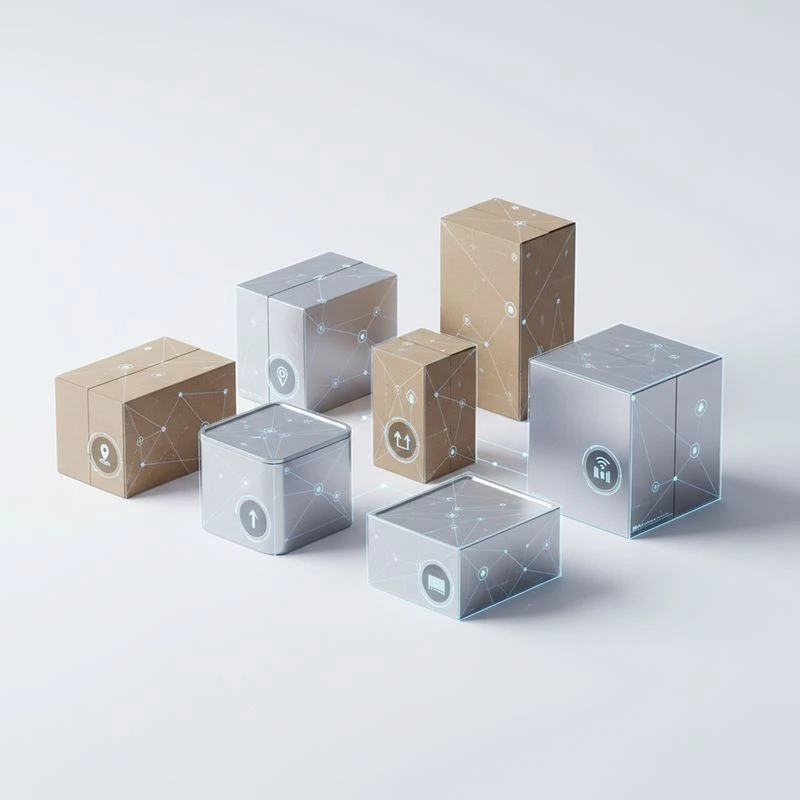
In Australia’s dynamic and geographically diverse market, the ability to precisely track products and genuinely engage with consumers has become a crucial differentiator. Smart connected packaging is emerging as a transformative force, offering Australian businesses unprecedented visibility into their supply chains and enabling rich, interactive experiences with their customers. This isn’t just about scanning a barcode; it’s about embedding intelligence directly into your products, providing a digital passport that follows them from manufacturing to the consumer’s hands. For Australian enterprises, embracing this technology translates directly into enhanced operational efficiency, robust anti-counterfeiting measures, and deeper brand loyalty in a competitive global and local landscape. The opportunity to elevate brand perception and ensure product authenticity, whether for premium wines, fresh produce, or high-tech exports, is significant and immediately actionable for forward-thinking companies.
Smart Packaging
Smart packaging is fundamentally changing how products are managed and perceived in the Australian market, offering an unparalleled level of transparency and operational efficiency. The core takeaway here is that by integrating digital technologies directly into packaging, businesses can achieve real-time, end-to-end visibility of their products, addressing critical challenges faced across Australia’s vast supply chains. Unlike traditional static packaging, smart packaging incorporates active or passive components—such as sensors, unique identifiers, and connectivity modules—that allow it to communicate data. This evolution from simple containment to intelligent interaction is vital for Australian sectors ranging from agriculture and food processing to pharmaceuticals and luxury goods, where maintaining product integrity and authenticity across long distances and diverse environments is paramount. The reasoning behind its growing importance stems from escalating consumer demands for transparency, the increasing complexity of global supply chains, and the persistent threat of counterfeiting that impacts brand reputation and revenue.
For Australian businesses, particularly those involved in exports or managing perishable goods, smart packaging offers a powerful solution to common pain points like spoilage, theft, and traceability gaps. Imagine a batch of premium Australian beef, each cut with a unique digital identifier, allowing a consumer in Sydney or Shanghai to scan it and see its journey from farm to plate, including handling temperatures and certifications. This level of detail builds immense trust and strengthens the “Australian Made” promise. The technology enables proactive decision-making, such as rerouting shipments if temperature excursions are detected or initiating targeted recalls with precision, minimizing waste and mitigating risks. Furthermore, it supports compliance with stringent national and international regulatory standards, which is a constant challenge for Australian companies operating globally. Investing in smart packaging allows companies to move beyond reactive problem-solving to a predictive and preventative model, ensuring greater control and significantly reducing potential losses.
To begin harnessing the power of smart packaging, Australian businesses should start by conducting a comprehensive assessment of their current product tracking methods and identifying critical pain points within their supply chain. This involves understanding where information gaps exist, where counterfeiting is a concern, or where customer engagement could be significantly improved. Practical examples include a winery adopting smart labels to verify the authenticity of its vintage bottles or a pharmaceutical company using intelligent seals to ensure medication safety from manufacturing to patient. Actionable steps include researching and piloting various smart packaging technologies, such as QR codes, NFC tags, or even printed electronics, to determine the best fit for specific product lines and business objectives. A potential pitfall is the perceived high initial investment; however, this can be mitigated by implementing a phased approach, starting with high-value or high-risk products and scaling up as ROI becomes evident. Partnering with local technology providers specializing in smart packaging solutions can help navigate the complexities of integration with existing enterprise resource planning (ERP) or supply chain management (SCM) systems, providing tailored guidance and reducing implementation hurdles. This strategic adoption will position Australian businesses at the forefront of innovation and consumer confidence.
| Feature | Traditional Packaging | Smart Connected Packaging |
|---|---|---|
| **Primary Keyword: Product Tracking** | Limited via batch codes, manual scanning, visible labels. | Real-time, granular tracking via unique digital identifiers, sensors, connectivity. |
| Data Accessibility | Static, often siloed, requires manual lookup. | Dynamic, cloud-connected, accessible instantly via smartphone/scanner. |
| Consumer Engagement | Passive (information on label), no direct interaction. | Interactive (QR, NFC), personalised content, direct communication channel. |
| Anti-Counterfeiting | Basic visual checks, easily replicated. | Secure, verifiable authentication, tamper detection, unique digital IDs. |
| Supply Chain Visibility | Batch-level, fragmented data, prone to delays. | Item-level, end-to-end visibility, proactive issue detection. |
| Data Collection & Analytics | Minimal, mostly sales data. | Rich data on product journey, consumer interaction, market insights. |
This table highlights the stark contrast between conventional and intelligent packaging solutions, particularly in the context of Australia’s evolving market demands. Smart connected packaging offers a significant upgrade in how products are tracked, verified, and interact with both businesses and consumers. Its ability to provide dynamic, real-time data is a game-changer for enhancing efficiency and building trust.
QR Code
For Australian businesses seeking an accessible and cost-effective entry point into the world of smart connected packaging, QR codes offer a remarkably robust solution for product tracking and direct consumer engagement. The key takeaway is that QR codes are not just a simple black and white square; they represent a powerful, readily available tool that can significantly enhance transparency and build customer trust across various sectors in Australia. The reasoning for their widespread adoption and effectiveness lies in their simplicity and ubiquity. Almost every smartphone today comes equipped with a QR code scanner, making them incredibly easy for consumers to interact with without needing special apps or hardware. This low barrier to entry makes them an ideal choice for Australian SMEs and larger enterprises alike, allowing them to instantly connect physical products to a wealth of digital information.
A well-implemented QR code strategy allows Australian companies to provide instant access to crucial product details that go beyond what a physical label can accommodate. Consumers can scan a QR code on a bottle of Australian craft beer to learn about its brewing process, local ingredients, and even receive tasting notes. For fresh produce, a QR code can link directly to information about the farm of origin, harvest date, and sustainability practices, offering a level of transparency that resonates deeply with environmentally conscious Australian shoppers. This capability not only enhances the brand story but also serves as a potent anti-counterfeiting measure; legitimate products can be linked to verified data, making it difficult for fraudulent goods to pass off as authentic. Furthermore, QR codes are incredibly versatile in their application, supporting everything from batch tracking for food safety to providing multilingual instructions for imported electronics, thus catering to Australia’s diverse population and export markets.
To leverage QR codes effectively for product tracking in Australia, businesses should follow a structured approach. Firstly, design scannable and visually appealing QR codes that align with your brand aesthetics, ensuring they are printed clearly and durably on packaging. Secondly, link these codes to dynamic web content or a dedicated landing page that provides valuable and up-to-date information, such as product origin stories, nutritional data, batch-specific details, or even interactive polls and promotions. Integrating these links with existing enterprise resource planning (ERP) or customer relationship management (CRM) systems allows for seamless data flow and personalised customer experiences. A practical example would be an Australian dairy farm using QR codes on milk cartons to share daily farm activities and health certifications, creating a stronger connection with urban consumers. A potential pitfall is neglecting data security; ensure that the platforms hosting your QR code content are secure and that any collected consumer data complies with Australian privacy regulations. Another challenge can be consumer awareness; clear calls to action on the packaging (“Scan for Farm Story!”) and brief educational campaigns can encourage more scans. By making the digital content engaging and relevant, Australian businesses can transform a simple scan into a meaningful interaction, driving both product tracking efficiency and deeper customer loyalty.
NFC
NFC (Near Field Communication) technology offers an elevated approach to product tracking and consumer interaction for Australian businesses, providing secure, seamless, and intuitive “tap-and-go” capabilities, particularly ideal for high-value or sensitive goods. The core takeaway here is that NFC tags, embedded discreetly within packaging, provide a superior level of security and a more intimate user experience compared to QR codes, making them invaluable for industries where authenticity and real-time data are paramount. The reasoning behind NFC’s growing adoption in Australia lies in its unique attributes: it doesn’t require line-of-sight scanning, operates over short distances, and offers robust cryptographic security features, making it significantly harder to counterfeit or tamper with. Each NFC tag contains a unique ID, acting as a digital fingerprint for the product, enabling item-level traceability that is highly reliable and verifiable. This technology empowers Australian brands to combat the illicit trade of goods, protect their intellectual property, and assure consumers of genuine provenance, which is especially critical for premium exports like fine wines, opals, and specialised medical devices.
Beyond security, NFC enhances the consumer experience by offering an instant, frictionless gateway to digital content with just a simple tap of a smartphone. Imagine an Australian luxury brand utilizing NFC tags on its products; a customer could tap their phone to a designer handbag to verify its authenticity, learn about the materials and craftsmanship, or even register the product for warranty, all without needing to open an app. This direct, interactive channel fosters a deeper connection between the brand and the consumer, allowing for personalised content delivery, exclusive offers, and direct feedback loops. For perishable goods or pharmaceuticals in Australia, NFC tags can be combined with temperature sensors to monitor cold chain integrity throughout the supply journey, providing critical data points that ensure product quality and compliance. This capability enables businesses to proactively address issues like temperature deviations, reducing spoilage and ensuring the safety and efficacy of sensitive products from manufacture to delivery across Australia’s diverse climates.
Implementing NFC for product tracking and engagement in Australia involves several key steps. Firstly, identify which products stand to benefit most from NFC’s advanced security and interactive capabilities; typically, these are high-value items, products prone to counterfeiting, or those requiring strict environmental monitoring. Secondly, select the appropriate NFC tag type and integration method that suits your packaging design and product lifecycle, working with specialised providers who can ensure secure embedding and robust functionality. Thirdly, develop a compelling digital experience that customers access via the NFC tap, ensuring the content is dynamic, relevant, and secure. A practical example involves an Australian pharmaceutical company using NFC-enabled vials to allow pharmacists and patients to verify drug authenticity, access dosage information, and even report adverse reactions directly. A potential pitfall is the higher cost per tag compared to QR codes; however, this can be justified by focusing on the return on investment for high-value products where the prevention of counterfeiting or ensuring product integrity yields significant financial and reputational benefits. Furthermore, while smartphone NFC reader penetration is growing, clear instructions on “how to tap” can aid consumer adoption. By investing in NFC, Australian businesses can elevate their brand’s reputation, ensure product integrity, and deliver a premium, trusted experience that resonates with discerning consumers.
| Feature | QR Code | NFC (Near Field Communication) |
|---|---|---|
| **Primary Keyword: Product Tracking** | Cost-effective, visual scan required, links to web URL. | Secure, “tap-and-go”, embedded unique ID, can hold small data. |
| Ease of Use (Consumer) | Requires camera scan, potentially app (though less common now). | Simple tap with NFC-enabled smartphone, intuitive. |
| Security / Anti-Counterfeit | Link can be spoofed, physical code can be copied. | Encrypted communication, unique tag IDs, harder to clone. |
| Data Capacity | Links to large cloud-based data; limited direct storage. | Small direct data storage (e.g., URL, serial number); links to cloud for more. |
| Cost per Unit | Very low (printing cost). | Higher (chip cost + integration). |
| Applications | Mass market engagement, promotional links, basic traceability. | High-value goods, authentication, tamper evidence, secure payments, advanced tracking. |
This comparison table clarifies the distinct advantages of QR codes and NFC technology for smart connected packaging in Australia. While QR codes offer broad accessibility and cost-efficiency for general engagement and basic product tracking, NFC provides enhanced security and a more premium, seamless user experience, making it ideal for combating counterfeiting and safeguarding high-value items. Australian businesses can strategically choose between or combine these technologies based on their specific product needs and market objectives.
B2B Solutions
Smart connected packaging offers Australian businesses powerful, data-driven B2B solutions that dramatically optimise supply chain visibility, enhance operational efficiency, and ensure robust regulatory compliance across various industries. The primary takeaway for companies operating within Australia is that this technology transforms traditional, often opaque, logistical processes into transparent, real-time data streams, providing unparalleled control and insight from manufacturer to distributor. The reasoning behind its efficacy lies in the ability to embed unique digital identities into each product, allowing for item-level tracking as it moves through complex B2B networks. This means Australian companies can gain precise knowledge of where every single unit is at any given moment, its environmental conditions (e.g., temperature, humidity via sensors), and its chain of custody. Such granular data is invaluable for managing inventory, predicting demand, and streamlining warehouse operations, ultimately leading to significant cost reductions and improved service levels for their B2B partners.
For Australian industries, from agriculture exporting fresh produce to pharmaceuticals distributing life-saving medications, smart connected packaging acts as an indispensable tool for maintaining product integrity and meeting stringent quality standards. It enables automated logistics, reducing reliance on manual data entry and minimizing human error, which is particularly beneficial in Australia’s vast and often challenging logistical environments. For instance, a food distributor can monitor the temperature of a refrigerated container of fresh seafood destined for a restaurant in Perth, receiving alerts if conditions deviate, thereby preventing spoilage and ensuring food safety compliance. Moreover, in the event of a product recall, smart packaging allows for pinpoint accuracy in identifying affected batches and locations, dramatically reducing the scope and cost of recalls while protecting public health and brand reputation. This data-driven approach fosters predictive analytics, allowing Australian businesses to anticipate supply chain disruptions, optimise routing, and make more informed strategic decisions, moving from reactive problem-solving to proactive management.
To effectively implement B2B solutions leveraging smart connected packaging, Australian businesses should focus on several actionable steps. Firstly, invest in enterprise-grade tracking platforms that can seamlessly integrate the data from smart packaging (whether QR codes, NFC, or sensor-based) with existing supply chain management (SCM), warehouse management (WMS), or enterprise resource planning (ERP) systems. This integration is crucial to avoid data silos and ensure a holistic view of operations. Secondly, establish clear data governance policies to manage the vast amounts of information generated, ensuring data quality, security, and compliance with Australian privacy laws. Thirdly, provide comprehensive training to logistics, procurement, and operations teams on how to utilize the new systems and interpret the real-time data for decision-making. A practical example involves a mining equipment supplier in Western Australia using smart tags on high-value components to track their journey from manufacturing to remote mine sites, ensuring authenticity and preventing theft. A potential pitfall is the complexity of system integration; this can be overcome by adopting a modular approach, starting with a pilot project in one area of the supply chain, and working closely with experienced technology partners. Change management within the organisation is also key; ensuring stakeholder buy-in and demonstrating the clear benefits to efficiency and cost savings will facilitate smoother adoption. By embracing these B2B solutions, Australian companies can achieve a level of operational excellence and supply chain resilience that sets them apart in the global marketplace.
Customer Engagement
Beyond its significant utility in product tracking, smart connected packaging offers Australian brands an unparalleled opportunity to transform customer engagement, building deeper loyalty and fostering direct relationships through interactive and personalised experiences. The core takeaway here is that by digitizing packaging, brands can move beyond a transactional relationship, creating a dynamic communication channel that resonates with the modern Australian consumer. The reasoning is simple: consumers today seek more than just a product; they desire transparency, authenticity, and a sense of connection with the brands they choose. Smart packaging, utilizing technologies like QR codes or NFC tags, enables brands to deliver rich, multimedia content directly to a consumer’s smartphone, right at the point of purchase or consumption. This allows for storytelling that traditional labels simply cannot achieve, providing information about a product’s origin, sustainability efforts, or even personalised usage tips, all of which are highly valued by Australian shoppers.
Imagine an Australian winery using a QR code on its bottle to invite consumers to an augmented reality (AR) tour of the vineyard, complete with interviews with the winemaker and food pairing suggestions. Or a local food producer using NFC tags on their gourmet products to share recipes, cooking videos, and testimonials from other customers. These interactive experiences not only differentiate a brand in a crowded market but also provide valuable opportunities for direct consumer feedback and data collection (with explicit consent). By offering exclusive content, loyalty program sign-ups, or even gamified experiences accessible through a package scan, Australian brands can create a powerful incentive for engagement. This direct channel fosters a sense of community around the brand and allows companies to gather first-party data on consumer preferences, behaviors, and demographics, which is crucial for refining marketing strategies and developing new products that truly meet the needs of the Australian market. It’s about empowering consumers with information and interaction, turning a passive product into an active brand ambassador.
To effectively leverage smart connected packaging for enhanced customer engagement in Australia, brands should focus on developing compelling and relevant digital content. Firstly, ensure the content linked to your packaging is engaging, easy to navigate, and offers genuine value to the consumer, whether it’s educational, entertaining, or promotional. Utilize multimedia such as high-quality videos, interactive quizzes, or even links to social media campaigns. Secondly, integrate these digital experiences with your existing loyalty programmes or CRM systems to reward engagement and personalise future communications. Thirdly, make the call to action on the packaging clear and enticing, instructing consumers how to scan or tap and what exciting content awaits them. A practical example involves an Australian cosmetics brand using a QR code on its packaging to allow customers to virtually “try on” makeup shades using AR filters or watch tutorials from local influencers. A potential pitfall is creating content that feels irrelevant or overly promotional; the key is to provide genuine value and foster a two-way conversation. Another challenge can be privacy concerns; always be transparent about data collection practices and ensure compliance with Australian consumer privacy laws. By continuously refreshing content, responding to feedback, and demonstrating a commitment to transparency, Australian businesses can transform their packaging into a powerful tool for building lasting customer relationships and driving brand advocacy.
