
Revolutionizing Consumer Connections and Business Efficiency Down Under
Smart Packaging
In today’s dynamic retail landscape, simply putting a product on a shelf in Australia is no longer enough. Brands are constantly seeking innovative ways to capture attention, build trust, and foster lasting relationships with their consumers. This is where Smart QR Packaging emerges as a true game-changer, transforming static packaging into a vibrant, interactive digital gateway. The core takeaway for Australian businesses is clear: smart packaging powered by QR codes offers an unparalleled opportunity to bridge the physical and digital worlds, creating richer, more engaging brand experiences right at the point of purchase. It’s about empowering your packaging to do more than just protect and present; it’s about making it a direct line of communication.
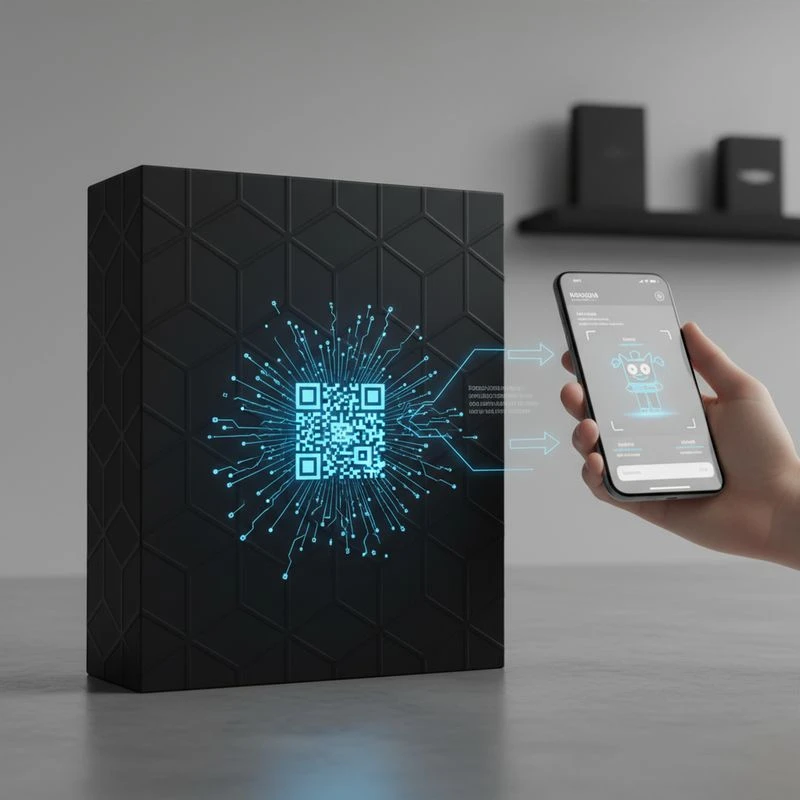
Smart QR Packaging refers to the integration of scannable QR codes onto product packaging, which, when scanned by a smartphone, connect consumers to a wealth of digital content. This content can range from detailed product information, ingredients lists, and sustainability stories to interactive tutorials, augmented reality (AR) experiences, exclusive promotions, and direct feedback channels. For Australian brands, this means an unprecedented ability to offer transparency, verify authenticity, and deliver personalised engagement without significantly altering their physical product design or incurring prohibitive costs. Imagine an Australian food producer showcasing the journey of their ingredients from farm to plate through a short video, or a local fashion brand providing styling tips and a virtual try-on experience directly from their clothing tag. These aren’t futuristic concepts; they are immediate possibilities with Smart QR Packaging.
The benefits extend beyond mere novelty. This technology helps combat counterfeiting, a growing concern in many markets, by embedding unique, serialized QR codes that can be authenticated by consumers. It also facilitates critical compliance and traceability for industries like food and pharmaceuticals, allowing for rapid information dissemination in case of recalls or product updates. While the initial investment in setting up a robust Smart QR Packaging system might seem like a potential pitfall, many scalable solutions exist, from simple dynamic QR code generators linked to landing pages to sophisticated platforms integrating with existing CRM systems. The key is to start with clear objectives, whether it’s enhancing customer education, driving loyalty, or improving supply chain visibility. Australian brands can overcome design integration challenges by collaborating with packaging designers who understand digital touchpoints, ensuring that the QR code is prominently placed yet aesthetically pleasing, encouraging scans while maintaining brand integrity.
Here’s a comparison highlighting the shift from traditional to Smart QR Packaging:
| Feature | Traditional Packaging | Smart QR Packaging |
|---|---|---|
| Information Delivery | Limited text, static graphics | Unlimited digital content (videos, AR, links) |
| Interactivity | None | High (surveys, games, social sharing) |
| Authenticity Verification | Visual inspection, security seals | Instant digital verification via unique codes |
| Data Collection | Indirect (sales figures) | Direct (scan rates, location, content views) |
| Sustainability Storytelling | Small icon, brief text | Rich narratives, certifications, impact reports |
| Post-Purchase Engagement | Minimal | Ongoing relationship building, loyalty programmes |
This table clearly illustrates the transformative potential of Smart QR Packaging. It highlights how brands can move beyond static communication to provide rich, engaging, and verifiable experiences that resonate deeply with today’s digitally-savvy Australian consumer. The transition offers a clear path to enhanced transparency, engagement, and operational efficiency.
Digital Integration
The true power of Smart QR Packaging for the Australian market isn’t just in the QR code itself, but in its seamless digital integration. This integration acts as the vital bridge connecting the physical product in a consumer’s hand to the expansive digital world of your brand. The primary takeaway here is that by carefully planning and executing this digital link, Australian brands can extend their narrative, deepen customer engagement, and gather invaluable data that informs future strategies. It’s about creating a smooth, intuitive journey from scan to digital experience, ensuring every interaction adds value.
At its core, digital integration involves robust QR code generation and management platforms that link each unique code to specific digital content. This content must be mobile-optimised, fast-loading, and designed for an engaging user experience, whether it’s a dedicated landing page, an e-commerce product detail page, a video, or an interactive form. For Australian brands, this means ensuring their digital infrastructure can handle the influx of traffic and provide relevant local content. Furthermore, these platforms should integrate with existing marketing automation tools, Customer Relationship Management (CRM) systems, and e-commerce platforms. This allows for personalised follow-ups, tracking of purchase intent, and a holistic view of the customer journey from first scan to repeat purchase. Imagine an Australian winery using a QR code to offer a virtual vineyard tour, then leveraging CRM data to send a personalised discount on their next purchase to those who scanned.
Setting up effective digital integration requires a structured approach. Firstly, define your campaign goals: what do you want users to do after scanning? (e.g., watch a video, sign up for a newsletter, make a purchase). Secondly, create compelling, mobile-first digital content that fulfills these goals. Thirdly, use a dynamic QR code generator that allows you to change the linked content without altering the physical code on the packaging, offering unparalleled flexibility for ongoing campaigns. Fourthly, ensure robust analytics are in place to track scans, clicks, and engagement, providing real-time insights into campaign performance within the Australian market. A common pitfall is linking to broken pages or slow-loading content, which can quickly frustrate users and lead to disengagement. The solution lies in rigorous testing across various devices and network conditions, consistent monitoring of links, and optimising all digital assets for speed and responsiveness. Another challenge is ensuring the linked content remains fresh and relevant; a static, outdated page will quickly lose its appeal. Regular content updates and A/B testing different digital experiences are crucial to maintaining high engagement rates and delivering continuous value to your Australian customers.
B2B Innovation
While consumer engagement often captures the spotlight for Smart QR Packaging, its transformative potential within the Business-to-Business (B2B) sector in Australia is equally, if not more, profound. The key takeaway for Australian enterprises is that Smart QR Packaging is not just a marketing tool; it’s a powerful operational asset that can streamline supply chains, enhance product authentication, and improve overall business efficiency, leading to significant cost savings and increased trust among partners. It transitions packaging from a mere container to an intelligent data carrier, facilitating smarter operations across various industry verticals.
For Australian businesses, Smart QR Packaging offers robust solutions for critical B2B challenges. Consider inventory management: unique serialized QR codes on individual products or crates allow for real-time tracking of goods as they move through warehouses, distribution centres, and eventually to retail shelves. This significantly reduces manual errors, minimizes stock shrinkage, and provides accurate inventory counts, which is vital for efficient logistics in Australia’s vast geographical landscape. In the fight against counterfeiting, particularly for high-value goods like pharmaceuticals, electronics, or luxury items, Smart QR codes provide an unalterable digital fingerprint. Manufacturers, distributors, and retailers can scan these codes to instantly verify authenticity, trace the product’s origin, and ensure compliance with regulatory standards. This builds an invaluable layer of trust throughout the supply chain and protects brand reputation. Furthermore, for product recall management, smart codes enable precise identification of affected batches, allowing for targeted and rapid action, minimizing public health risks and financial losses for Australian companies.
Implementing Smart QR Packaging in a B2B context involves strategic planning. Companies must first identify the most pressing operational pain points that the technology can address – whether it’s improving traceability, reducing inventory discrepancies, or bolstering anti-counterfeit measures. Next, choose a robust platform that can generate and manage high volumes of unique QR codes and integrate seamlessly with existing Enterprise Resource Planning (ERP) or supply chain management systems. Pilot programmes within specific segments of the Australian supply chain can help refine the process and demonstrate a clear Return on Investment (ROI) before a broader rollout. A potential pitfall is the complexity of integrating new technology with legacy systems. This can be mitigated by choosing API-driven solutions that offer flexibility and by engaging with technology partners experienced in enterprise-level integrations. Another challenge is data security, especially when tracking sensitive product movements. Solutions involve encrypted data transfer, stringent access controls, and compliance with Australian data protection regulations, ensuring that valuable business data remains secure and private.
| B2B Application | Benefit for Australian Businesses | Practical Example |
|---|---|---|
| Supply Chain Traceability | Enhanced visibility, reduced errors, improved logistics | Tracking fresh produce from farm to supermarket shelf, ensuring freshness and compliance. |
| Anti-Counterfeiting | Brand protection, consumer trust, revenue safeguarding | Authenticating high-value electronics components to prevent illegal duplicates. |
| Inventory Management | Real-time stock levels, reduced waste, optimised warehousing | Managing pharmaceutical stock across multiple pharmacies, minimizing expired products. | Recall Management | Rapid identification of affected products, minimized risk | Quickly isolating and recalling a specific batch of contaminated food items. |
This table demonstrates how Smart QR Packaging transcends consumer marketing, offering tangible operational advantages for Australian businesses. By adopting this technology, companies can achieve greater control, transparency, and security across their entire value chain, ultimately driving efficiency and fostering stronger B2B relationships. The move towards smarter, data-rich packaging is an imperative for competitive advantage.
Customer Engagement
For brands operating in the vibrant Australian market, connecting with consumers on a deeper, more personal level is paramount. Smart QR Packaging provides an unprecedented avenue to achieve this, transforming a passive product interaction into an active, engaging, and memorable experience. The core takeaway here is that by leveraging QR codes, Australian brands can move beyond one-way communication, fostering genuine dialogue, building stronger loyalty, and creating a sense of community around their products. It’s about empowering the consumer to explore, interact, and become a part of the brand story, directly from the product packaging they hold.
The possibilities for customer engagement through Smart QR Packaging are vast and diverse. Imagine an Australian winery using a QR code to invite consumers to a virtual cellar door experience, complete with tasting notes, food pairing suggestions, and a video tour of their vineyard. A local cosmetics brand could offer an augmented reality (AR) try-on feature for a new lipstick shade or provide step-by-step video tutorials for applying their products, directly accessible via a scan. Brands can run interactive contests and sweepstakes, where scanning a QR code reveals if a consumer has won an instant prize or gains entry into a larger draw. Loyalty programmes can be seamlessly integrated, allowing customers to accumulate points or unlock exclusive content with each scan. Furthermore, Smart QR Packaging opens direct channels for customer feedback, enabling brands to gather valuable insights through quick surveys or product review prompts, fostering a sense of being heard and valued by Australian consumers.
Designing effective QR-driven engagement campaigns requires a strategic approach. First, understand your target Australian audience and what kind of digital content would genuinely add value to their product experience. Is it utility (how-to guides), entertainment (games, AR), or emotional connection (brand story, sustainability efforts)? Second, ensure the call-to-action (CTA) adjacent to the QR code is clear, compelling, and instantly communicates the benefit of scanning (e.g., “Scan for exclusive recipe,” “Discover your shade,” “Win a trip to Paris”). Third, prioritize the quality of the digital experience: the landing page must be mobile-friendly, fast-loading, and visually appealing. A common pitfall for brands is either having no clear incentive to scan or providing uninspired, generic content after the scan. To overcome this, regularly refresh your digital content, consider user-generated content campaigns linked via QR codes, and offer exclusive incentives that are genuinely appealing to your Australian customer base. Test your campaigns with focus groups to ensure they resonate and truly enhance the customer journey, turning a simple scan into a delightful brand interaction.
Tracking
The real strategic advantage that Smart QR Packaging offers to the Australian market extends far beyond mere interaction; it lies in its robust tracking and data analytics capabilities. The core takeaway is that this technology transforms every product scan into a valuable data point, providing Australian brands with unprecedented insights into consumer behavior, campaign effectiveness, and market trends. By understanding who scans, where they scan, and what content they engage with, businesses can make data-driven decisions that optimise marketing strategies, product development, and supply chain efficiencies. It’s about moving from guesswork to informed action, fueling growth with actionable intelligence.
When a consumer scans a Smart QR code, a wealth of data can be collected, assuming appropriate privacy protocols and user consent are in place, aligning with Australian privacy laws. This data typically includes the geographical location of the scan, the time and date of interaction, the type of device used (e.g., iOS, Android), the specific content accessed (e.g., product video, recipe, competition page), and even the frequency of scans by a particular user (if a persistent identifier is used). For Australian brands, this means they can pinpoint regions where a product is gaining traction, understand peak engagement times for optimising digital campaign delivery, and identify which content resonates most with their target demographics. For instance, an Australian beverage company could see a surge in QR scans from Queensland during summer months, prompting them to tailor location-specific promotions or increase distribution in that area. This granular data allows for highly targeted marketing efforts and more efficient resource allocation across the diverse Australian landscape.
To harness these insights effectively, Australian businesses need to integrate their Smart QR Packaging platform with robust analytics dashboards. These dashboards should offer clear, visual representations of scan data, allowing for easy interpretation of trends and patterns. Step-by-step guidance includes: first, selecting an analytics platform that provides comprehensive tracking features and adheres to Australian data privacy regulations; second, defining key performance indicators (KPIs) such as scan rates, unique scans, content engagement duration, and conversion rates; third, setting up custom events to track specific user actions post-scan (e.g., video plays, form submissions, e-commerce clicks); and fourth, regularly reviewing the data to identify opportunities for campaign optimization. A crucial potential pitfall is neglecting data privacy and compliance. Australian Privacy Principles (APPs) require transparency about data collection and usage, and obtaining explicit user consent. Solutions involve clear privacy policies accessible via the QR scan, anonymizing data where possible, and ensuring all data storage and processing comply with local regulations. Furthermore, simply collecting data isn’t enough; the challenge lies in extracting actionable insights. This requires analytical expertise and the ability to correlate QR data with other business metrics for a holistic understanding of market performance in Australia.
| Data Point Collected | Marketing & Business Application (Australian Context) |
|---|---|
| Scan Location (Geo-fencing) | Identify regional popularity, optimise local marketing spend, inform distribution strategies. |
| Scan Time & Date | Determine peak engagement hours, schedule social media posts, time promotional releases. |
| Device Type & OS | Tailor mobile app development, optimise content for specific devices, understand user demographics. |
| Content Accessed | Assess content effectiveness, personalise future recommendations, refine product storytelling. |
| Frequency of Scans | Identify loyal customers, segment for exclusive offers, measure repeat engagement. |
This table underscores how each piece of data gleaned from Smart QR Packaging offers a direct pathway to actionable insights for Australian brands. By meticulously tracking these interactions, businesses can gain a deeper understanding of their customer base and market dynamics, leading to more informed decisions and ultimately, enhanced competitiveness and sustained growth. This intelligent approach to data transforms packaging into a strategic asset.
